Amazing Pro Tips For Optimal Spice Storage In Cooking
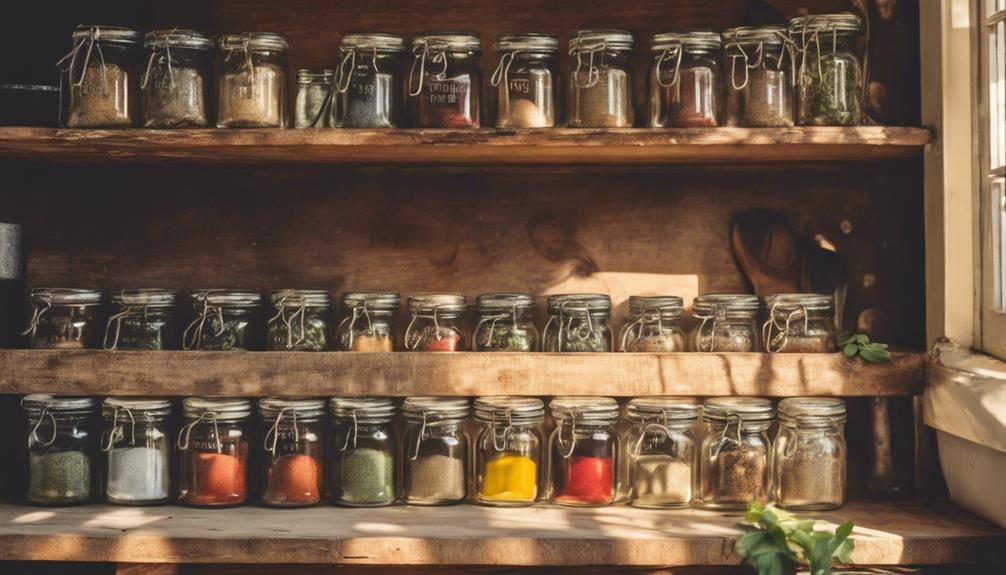
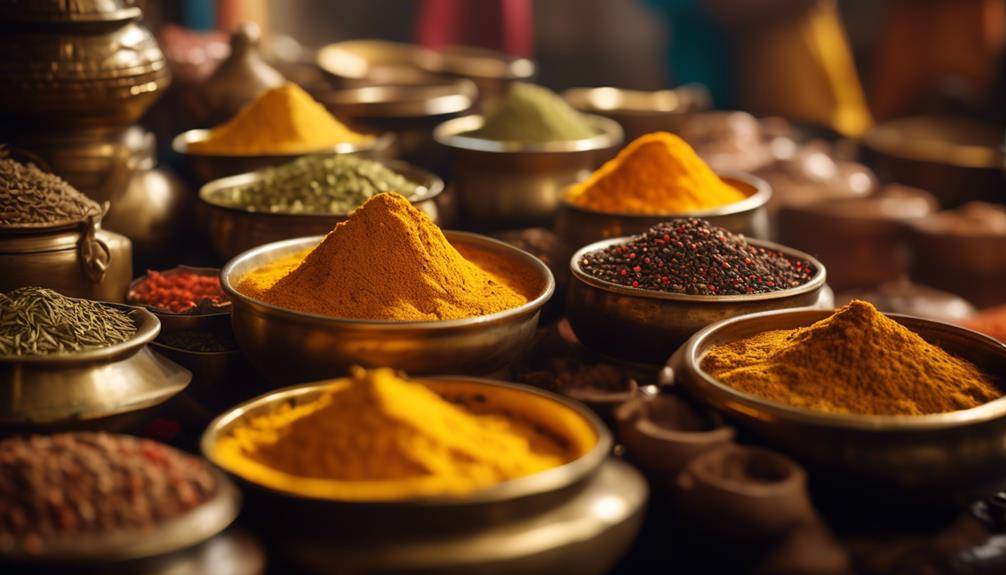
Pro Tips For Optimal Spice Storage In Cooking; To store spices effectively, start by using airtight containers like glass jars or metal tins. Keep them in cool, dark places away from heat and light to preserve flavor. Organize spices by flavor profiles, making them easy to find. Label each container clearly, including purchase dates, to track freshness. Regularly check your spices for aroma and signs of spoilage, replacing them when necessary. Finally, consider magnetic storage for easy access and space efficiency. Follow these tips, and you’ll elevate your cooking game while ensuring your spices remain potent and flavorful. There’s more to explore in this flavorful journey!
Choose the Right Containers
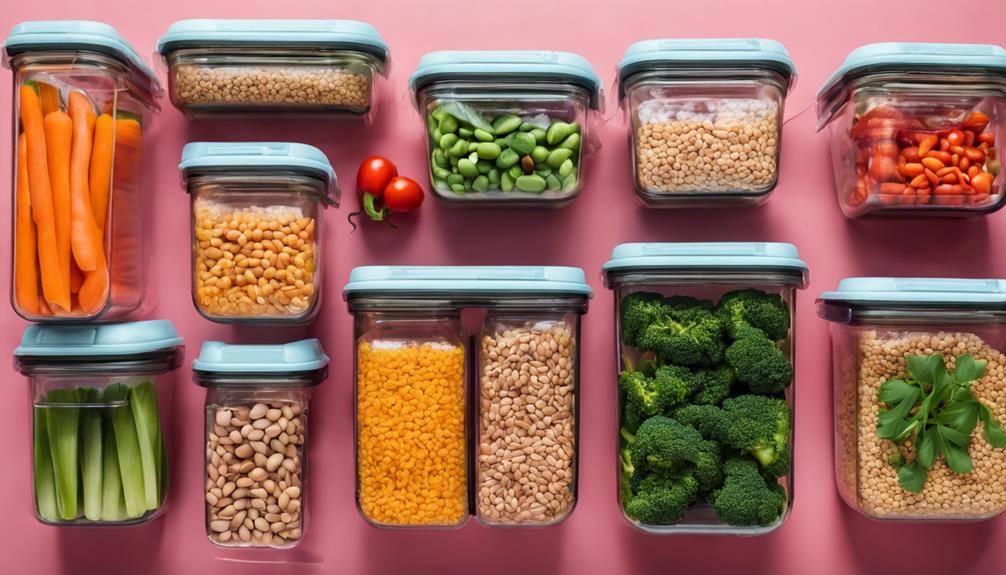
When it comes to spice storage, the right container can make all the difference. You’ll want to evaluate various options that suit your cooking habits and kitchen aesthetic. Glass jars are a popular choice, as they’re not only airtight but also allow you to see your spices at a glance. If you prefer a more rustic look, metal tins can add a decorative touch while keeping your spices fresh.
Plastic containers are lightweight and often come in stackable options, maximizing your storage space. If you’re short on room, look for stackable spice racks that help you organize your collection efficiently. For those who travel or cook on the go, travel containers are ideal for packing your favorite spices without worry.
If sustainability is important to you, assess eco-friendly options like glass or metal containers, which are reusable and reduce waste. Vacuum sealing is another method to keep spices fresh longer, especially for bulk purchases. Airtight bags also work well for spices, but make sure they’re durable and can withstand moisture.
Whichever type you choose, remember to label your containers for easy identification. This way, you’ll save time during meal prep. Ultimately, selecting the right containers not only preserves the quality of your spices but also adds to the overall functionality and style of your kitchen.
Keep Spices Away From Light
Light exposure can greatly affect the flavor and potency of your spices. To keep them fresh longer, you need to find ideal storage solutions that shield them from light. Let’s explore how you can effectively protect your spices and enhance their shelf life.
Impact of Light Exposure
Spices are often most vibrant when they’re stored properly, and keeping them away from light is crucial for maintaining their flavor and potency. Exposure to light, particularly UV radiation, leads to light degradation. This process can quickly diminish the essential oils and compounds that give your spices their unique taste and aroma.
When spices are left out in direct sunlight or even under bright kitchen lights, they can lose their color, fragrance, and overall effectiveness. You might notice that spices stored in clear containers fade appreciably faster than those kept in opaque jars. This means that if you want to enjoy the full benefits of your spices, you need to prioritize their storage environment.
To help preserve their integrity, consider placing your spice containers in dark cabinets or drawers. If that’s not an option, look for darker glass or metal containers that block out light. By taking these simple steps to shield your spices from light exposure, you’ll guarantee they remain flavorful and potent for longer. After all, the best dishes come from the best ingredients, and your spices deserve the best care possible!
Ideal Storage Solutions
To keep your spices fresh and flavorful, choosing the right storage solutions is essential. Light exposure can degrade spices, causing them to lose their vibrant flavors and aromas. To combat this, opt for opaque containers that block out light. Glass jars with dark-tinted glass or ceramic containers work well. Not only do they protect your spices, but they also look great in your kitchen.
When organizing your spices, consider grouping them by herb pairing. For instance, store basil and oregano together, as they complement each other beautifully in many dishes. This not only streamlines your cooking process but also helps you remember spice origins and their culinary uses.
Place these containers in a cool, dark cabinet or pantry, away from the stove and direct sunlight. Avoid open racks that expose your spices to unnecessary light and heat. If you often use certain spices, consider investing in a spice drawer or a pull-out shelf to keep them easily accessible while still protected.
Maintain Ideal Temperature
When it comes to preserving the flavor and potency of your spices, maintaining an ideal temperature is essential. Spices thrive best in a cool, dark environment, away from heat sources like stoves, ovens, or direct sunlight. The perfect temperature range is typically between 60°F and 70°F (15°C to 21°C). If your spices are exposed to temperature fluctuations, they can lose their aromatic compounds and overall potency.
To prevent these fluctuations, store your spice containers in a pantry or cupboard rather than near heat-generating appliances. Even slight changes in temperature can degrade the quality of your spices over time, so consistency is key.
In addition to temperature, consider the best humidity level. Spices should be kept in a dry environment to avoid clumping and mold growth. Humid conditions can cause spices to absorb moisture, leading to a loss of flavor and texture. If you live in a particularly humid area, think about using desiccant packets in your spice storage to help control moisture levels.
Organize by Flavor Profiles
Organizing your spices by flavor profiles can streamline your cooking process and enhance your culinary creativity. By grouping spices based on their taste profiles, you can easily access the right ingredients for any dish, making your cooking experience more enjoyable. Start by identifying herb combinations that work well together, such as basil and oregano for Italian dishes or cilantro and cumin for Mexican flavors. This way, you can quickly grab what you need without rummaging through jars.
Consider regional spices and their origins to create sections in your spice storage. For instance, keep Mediterranean spices like thyme and rosemary together, while grouping Asian spices such as ginger and star anise in another area. This not only organizes your spices but also inspires you to explore different culinary traditions.
Another important aspect is flavor intensity. Place stronger spices like smoked paprika or cayenne pepper near milder aromatic spices such as dill or parsley. This way, you can easily balance your dishes by adjusting spice pairings based on your desired flavor intensity.
Don’t forget to incorporate seasonal ingredients into your cooking techniques. For example, during the summer, you might want to focus on herbs that complement fresh vegetables, while winter may call for warming spices like cinnamon and nutmeg. By organizing your spices this way, you’ll find it easier to create dishes that reflect the seasons, making your meals more vibrant and flavorful.
Label Each Container Clearly
Keeping your spices organized by flavor profiles not only enhances your cooking but also sets the stage for effective labeling. When you can quickly identify your spices, it saves you time and reduces frustration in the kitchen. Start by choosing a labeling technique that works best for you. Whether you prefer handwritten labels or printed ones, clarity is key.
For spice identification methods, consider using the name of the spice, its color, and even a small image if you’re feeling creative. This can be particularly helpful for less common spices that might not be easily recognized. Place the label on the front of each container, ensuring it’s visible when you’re reaching for a specific spice.
You might also want to include the purchase date or expiration on the label. Knowing how long you’ve had a spice can help you maintain freshness and potency. Different spices have different shelf lives, so this additional information can be invaluable.
Another effective labeling technique is to categorize your spices by their primary flavor profile. For instance, you can group all your herbs together, while placing your warm spices in another area. This not only makes it easier to find what you need but also encourages you to experiment with different combinations.
In short, clear and consistent labeling can transform your spice organization, allowing you to cook more efficiently and creatively. Take the time to label each container clearly, and you’ll be grateful every time you reach for your spices.
Avoid Moisture Exposure
Moisture can be a spice’s worst enemy, leading to clumping, mold, and loss of flavor. To guarantee your spices maintain their potency and longevity, it’s essential to control humidity levels in your kitchen environment. High humidity can wreak havoc on your spice collection, so consider the storage location carefully. Ideally, you want a cool, dark place with minimal temperature fluctuations.
One of the best pantry tips is to use airtight containers with moisture barriers. Glass jars with tight-fitting lids or specialized spice containers can help keep moisture at bay. Additionally, be mindful of air circulation. Avoid storing spices near the stove or sink, where steam and heat can promote moisture buildup.
Climate considerations are also important. If you live in a particularly humid area, you might want to invest in desiccants or silica gel packets to absorb excess moisture in your spice storage. This simple addition can greatly enhance spice longevity.
When storing spices, always check for any signs of moisture or clumping before use. If you notice any issues, discard the affected spices to prevent contamination of your other seasonings. By taking these steps, you can create an ideal environment for your spices, guaranteeing they stay fresh and flavorful for all your culinary adventures. Remember, a little prevention goes a long way in maintaining the rich flavors and aromas that spices bring to your cooking.
Store Whole Spices Vs. Ground
When it comes to storing spices, you’ll want to contemplate whether to keep them whole or ground. Whole spices tend to retain their freshness longer and offer a more robust flavor profile, while ground spices can lose potency more quickly. Understanding these differences will help you make informed choices about shelf life and flavor in your cooking.
Freshness Retention Strategies
To maintain peak flavor and aroma, it’s often best to store whole spices rather than ground ones. Whole spices have a longer shelf life because they retain their essential oils and volatile compounds more effectively. When you grind spices, you expose more surface area to air and light, which can lead to quicker degradation.
For maximum freshness retention, consider these spice longevity tips: keep your whole spices in airtight containers away from heat and light. Dark, cool places, like a pantry, are ideal. If you do use ground spices, buy them in small quantities and use them within six months for the best flavor.
To check the freshness of your spices, employ freshness testing methods. For instance, rub a pinch of whole spices between your fingers; if they release a strong aroma, they’re still good. With ground spices, check for color and scent—faded colors and weak aromas indicate they’re past their prime.
Flavor Profile Differences
Whole spices and ground spices each offer distinct flavor profiles that can greatly impact your dishes. Whole spices, like cloves or cinnamon sticks, release their oils slowly, providing a deeper, more nuanced flavor over time. On the other hand, ground spices deliver an immediate punch, making them ideal for quick seasoning. When it comes to spice pairing, you’ll find that whole spices can enhance the complexity of your dish, while ground spices often work well for straightforward seasoning balance.
Culinary traditions across various regions highlight these differences. For instance, Indian cooking often uses whole spices to create rich flavor profiles in curries, while Mediterranean dishes may favor ground spices for their convenience. Understanding these regional differences can elevate your cooking techniques and allow for better ingredient synergy.
When crafting your dishes, consider how the form of your spices affects the overall taste profiles. Whole spices can add depth, while ground spices provide immediate flavor enhancement. Ultimately, choosing between whole and ground spices hinges on the effect you want to achieve, ensuring your seasonings harmonize beautifully in every meal.
Shelf Life Considerations
Understanding the shelf life of spices is vital for maintaining their flavor and potency in your cooking. Whole spices generally last longer than ground ones, often retaining their freshness for up to four years, while ground spices typically have a shelf life of about two to three years. This difference is significant when you consider how quickly ground spices can lose their aroma and taste after being processed.
When you’re checking expiration dates, remember that these dates are often recommendations for peak freshness rather than definitive end points. If you store your spices in a cool, dark place, you’ll help prolong their shelf life. Whole spices can be ground as needed, allowing you to enjoy maximum flavor when you cook.
To guarantee spice freshness, regularly inspect your spice collection. If a spice no longer has its characteristic aroma or has developed an off smell, it’s time to toss it out. Keep in mind that fresh spices elevate your dishes, so investing in whole spices and grinding them as needed is a smart move for any home cook looking to enhance their culinary creations.
Use Airtight Seals
Airtight seals are vital for keeping your spices fresh and flavorful. When you store your spices in sealed jars, you’re taking an essential step toward maximizing spice longevity. Air exposure can lead to moisture and oxidation, which quickly diminishes the potency of your spices. By using containers with airtight seals, you effectively create a barrier against these detrimental elements.
Consider investing in high-quality glass jars with secure lids. Not only do they look appealing in your kitchen, but they also provide an excellent seal. Plastic containers can also work, but they may not always offer the same level of protection against air and humidity. Whichever option you choose, make certain the lids fit tightly and create a proper seal.
It’s also wise to keep your sealed jars in a cool, dark place. Avoid storing them near the stove or in direct sunlight, as heat and light can compromise the quality of your spices. Storing them in a pantry or a dedicated spice drawer is ideal.
When you open a jar, try to minimize the time the spices are exposed to air. Close the lid promptly after use to maintain that airtight environment. If you notice any spices losing their aroma or flavor, it might be time to replace them, even if they’re still in sealed jars. Following these tips will guarantee that your spices remain vibrant and effective, enhancing your culinary creations for a longer duration.
Consider Magnetic Storage
When it comes to spice storage, consider using magnetic containers to maximize both space and accessibility in your kitchen. Magnetic strips are a fantastic option that can help you keep your favorite spices organized and within reach. Instead of rummaging through cluttered cabinets, you can simply glance at your magnetic display to see which spices you have on hand.
You can easily attach small, clear jars with metal lids to magnetic strips mounted on your wall or the side of your fridge. This not only saves counter and shelf space but also creates a visually appealing arrangement. Think of it as a creative display that doubles as art and functionality. You’ll love how it brightens up your kitchen while keeping everything neat and tidy.
Another great advantage of magnetic storage is the ease of access. You won’t have to worry about awkwardly reaching for a spice in the back of a crowded cupboard. With magnetic containers, you can simply pull off the jar you need and return it when you’re done. Plus, you can label the jars for quick identification, ensuring you grab the right spice every time.
Rotate Spices Regularly
Regularly rotating your spices is essential for maintaining their flavor and potency. When you keep your spices in regular circulation, you guarantee that the older ones get used up before they lose their zest, while the fresher ones stay at their peak. Spice rotation benefits include maximizing flavor, reducing waste, and saving money. By using your spices efficiently, you can enhance your cooking without the worry of expired ingredients lurking in your pantry.
To make spice rotation effective, consider frequency guidelines. A good rule of thumb is to check your spice collection every three to six months. Look for signs of fading color, loss of aroma, or changes in texture, which all indicate that it’s time to replace them. If a spice has been sitting unused for over a year, it’s likely lost its potency.
You might also want to set a schedule for using different spices in your cooking. For example, designate certain months for specific spice blends or types of spices. This way, you not only keep your spices rotating but also explore new flavors and combinations in your meals.
Don’t forget to label your spices with the purchase date. This simple step makes it easier to track their freshness and helps you stick to your rotation plan. By adopting these practices, you’ll enjoy vibrant flavors in your dishes while guaranteeing your spice collection remains fresh and effective.
Utilize Drawer or Shelf Space
When it comes to utilizing drawer or shelf space for your spices, organizing by spice type can make a big difference. Using clear containers not only helps you see what’s inside but also keeps everything tidy. Don’t forget to label each container for easy access when you’re ready to cook!
Organize by Spice Type
Organizing your spices by type can transform your cooking experience, making it easier to find what you need without rummaging through cluttered shelves. Start by grouping your spices into categories like herbs, spices, blends, and salts. This method enhances spice accessibility and allows you to quickly grab what you need when you’re in the zone cooking.
Consider how you use your spices. For instance, if you frequently make Italian dishes, keep your basil, oregano, and rosemary together. This not only saves time but also helps you experiment with flavor intensity in your meals. You might find that certain combinations elevate your dishes, making your cooking more enjoyable.
Use drawer organizers or tiered shelves to keep everything visible. This way, you won’t lose track of spices hiding in the back, and you can easily see your options. Label containers if you’re using jars, ensuring you know what’s what at a glance.
Use Clear Containers
Clear containers are a game-changer for spice storage, allowing you to easily see what you have on hand while maximizing drawer or shelf space. When you opt for clear containers, you reap the spice visibility benefits that come with knowing exactly what’s inside each jar at a glance. This not only saves you time while cooking but also prevents you from accidentally purchasing duplicates.
You’ve got several container material options to choose from, including glass, plastic, and acrylic. Glass containers offer durability and don’t absorb odors, making them a popular choice. However, if you’re looking for lightweight options, plastic containers can be just as effective and are often more affordable. Acrylic provides a middle ground, combining durability with a sleek look.
When selecting your containers, make certain they have tight-fitting lids to keep your spices fresh for longer. Organizing your spices in clear containers helps you utilize every bit of drawer or shelf space efficiently, allowing you to group similar spices together while keeping your kitchen tidy. So go ahead, make that switch, and enjoy the organized, visually appealing spice storage you deserve!
Label for Easy Access
Labels are essential for making your spice collection easy to navigate. When you open a drawer or shelf packed with jars, having everything clearly labeled saves you time and frustration. Consider creating your own DIY spice labels tailored to your kitchen’s style. This not only enhances spice jar aesthetics but also guarantees you can quickly find the ingredients you need while cooking.
Choose a labeling method that suits your preference. You might opt for chalkboard labels, printed stickers, or even handwritten tags. Just make certain the text is legible and the labels adhere well to the jars. You can categorize spices by type, cuisine, or frequency of use—whatever helps you the most.
If you’re tight on space, think about using drawer organizers that allow you to lay jars flat. This way, you can see all your spices at a glance, and with the labels facing up, you’ll always know where to reach. In the end, a well-labeled spice collection not only boosts efficiency in your cooking but also adds a touch of charm to your kitchen. So, roll up your sleeves and start labeling!
Know When to Replace
While you might think spices last indefinitely, knowing when to replace them is essential for maintaining flavor in your cooking. Each spice has a specific spice lifespan, and recognizing freshness indicators can help you determine when it’s time for a replacement. Generally, ground spices last about 2-3 years, while whole spices can last 3-4 years if stored properly.
To perform a quality assessment, start with an aroma check. If your spices have lost their strong scent, they’re likely past their prime. Next, do a color evaluation. If the vibrant hues have faded considerably, it’s a strong indication that the spices have lost their potency. Finally, a taste test can be a definitive way to assess freshness. If the flavor isn’t robust or seems muted, it’s time to reflect on replacing that spice.
Keep an eye out for other replacement signs, like clumping or a strange smell, which can indicate that your spices have absorbed moisture or gone bad. Following a storage timeline can help you track the age of your spices. Think about labeling your containers with the purchase date, so you have a reference point for future assessments.
Experiment With Spice Blends
Exploration in the kitchen can lead to delicious discoveries, and experimenting with spice blends is a fantastic way to elevate your cooking. By combining different spices, you can create unique flavor combinations that transform everyday dishes into extraordinary meals. Don’t be afraid to get creative—this is your chance to discover what works best for your palate.
Start by selecting a base spice that you enjoy, such as cumin or paprika, and then consider complementary spices. For instance, mixing cumin with coriander and a hint of chili powder can give your dishes a warm, earthy flavor. Keep track of your spice experimentation by jotting down notes on what you try, so you can recreate your favorites or adjust them in the future.
When blending spices, consider the cuisine you’re inspired by. If you want to create a Mediterranean flair, try mixing oregano, thyme, and garlic powder. For a zesty kick, blend cayenne pepper with lemon zest and black pepper. Always remember to taste as you go, adjusting the ratios until you find the perfect balance.
Experimenting with spice blends isn’t just about creating new flavors; it’s also a way to personalize your cooking. You might discover that you prefer a bit more heat or a hint of sweetness. The possibilities are endless, and the more you explore, the more confident you’ll become in your culinary skills. So, grab your spices and start blending—exciting flavor combinations await!
Frequently Asked Questions: Pro Tips For Optimal Spice Storage In Cooking
How Long Do Spices Last After Opening?
Spices generally last about six months to two years after opening, depending on spice longevity factors like light, heat, and moisture. Using proper spice containers can help maintain their freshness and flavor for longer.
Can I Freeze Spices for Longer Shelf Life?
You can freeze spices to extend their longevity, but it’s not always recommended. Spice freezing can alter their flavor and texture, so consider using airtight containers to maintain quality if you choose this method.
What Are the Signs That Spices Have Gone Bad?
You’ll know spices have gone bad if their color fades or becomes dull. Additionally, if the aroma intensity weakens greatly, it’s a sign they’ve lost their potency and should be replaced for ideal flavor.
Should I Store Spices in the Refrigerator?
Storing spices in the refrigerator isn’t ideal; the humidity can shorten their shelf life. Instead, keep them in a cool, dark place to maintain flavor and potency. You’ll enjoy better results in your cooking!
How Can I Enhance the Flavor of Older Spices?
To enhance the flavor of older spices, try spice revitalization techniques like toasting or grinding them fresh. You can also use flavor boosting methods, such as combining with fresh herbs or adding citrus zest for extra depth.

Conclusion
By following these pro tips for spice storage, you’ll keep your spices fresh and flavorful, enhancing every dish you create. Choose the right containers, keep them away from light, and maintain a consistent temperature to preserve their potency. Organizing by flavor profiles and labeling clearly will save you time in the kitchen. Remember to rotate and replace your spices regularly, and don’t hesitate to experiment with blends. Enjoy the delicious results of your perfectly stored spices!
If you enjoyed exploring this topic and want to dive even deeper, be sure to check out some of our other articles here on Infinite Flavors. From rich culinary histories to creative twists on classic recipes, there’s always something new to discover. Whether you’re curious about the origins of a dish, looking for fresh inspiration in the kitchen, or simply love learning about food culture, our collection of posts is the perfect next step on your flavor journey.
7 Ways To Incorporate Spices In Everyday Meals
Top 15 Spices For Authentic Mexican Cuisine
The 5 Best Recipes For Homemade Cooking Spice Blends