What Spices Should Beginners Start Cooking With
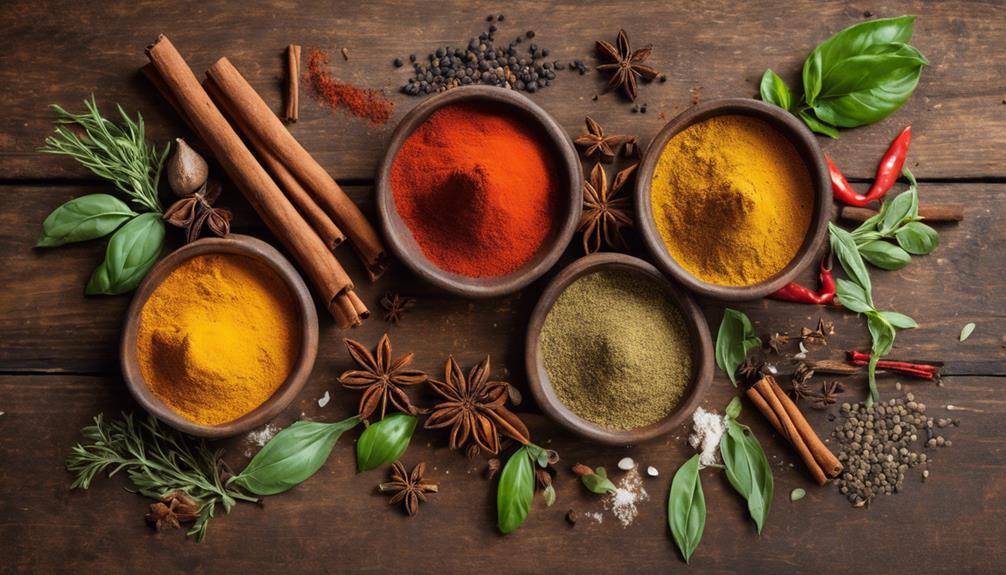
What Spices Should Beginners Start Cooking: As a beginner, you should start with essential spices like salt, black pepper, cumin, and paprika. Salt enhances flavor in every dish, while black pepper adds a warm kick. Cumin brings earthy depth, perfect for savory meals, and paprika adds color and mild sweetness. Don’t forget garlic powder for its quick, delicious flavor without the prep hassle! These staples form a solid flavor foundation that’ll elevate your cooking. As you gain confidence, you can experiment with herbs and blends for even more variety in your meals. There’s much more to explore to make your cooking journey exciting!
Essential Spices for Every Kitchen
Click Here and Turn Every Masterpiece into a Showstopper!
When you step into your kitchen, having the right spices at your fingertips can transform your cooking from bland to brilliant. A well-stocked spice shelf is essential for creating delicious dishes that impress your family and friends. Start with the basics that can deliver a flavor balance across a variety of cuisines.
First up is salt; it enhances every dish, making it a non-negotiable staple. Next, add black pepper for its warm, pungent kick. Cumin brings an earthy depth to your meals, while paprika adds both color and a mild sweetness. Don’t forget about garlic powder, which offers that beloved garlicky flavor without the hassle of peeling and chopping fresh garlic.
Oregano is another must-have, especially for Italian and Mediterranean dishes. It pairs beautifully with tomatoes and is perfect for seasoning meats. For a touch of heat, consider cayenne pepper; just a pinch can elevate your dishes with its fiery punch. Finally, cinnamon is a versatile spice that works wonders in both sweet and savory dishes, providing warmth and depth.
With these essential spices on your spice shelf, you’ll have the tools you need to create a symphony of flavors. Experimenting with different combinations will help you achieve that perfect flavor balance, whether you’re whipping up a quick weeknight dinner or preparing a lavish feast. Start small, and soon you’ll discover how these spices can elevate your culinary adventures.
Versatile Herbs to Try
Herbs can elevate your dishes just as much as spices, adding fresh flavors and aroma that transform your meals. When you’re starting out, it’s crucial to build a fresh herb selection that’s both versatile and easy to work with. Here are some herbs you should consider adding to your kitchen.
Basil is a must-have. Its sweet and slightly peppery flavor works wonders in sauces, salads, and even as a garnish. Next, there’s parsley, which isn’t just a garnish; it adds a fresh, slightly peppery taste to a variety of dishes. Cilantro is another great choice, especially if you enjoy Mexican or Asian cuisine, as it brings a bright, citrusy kick.
Thyme is a fantastic herb that complements meats, soups, and roasted vegetables. Its earthy flavor enhances the overall taste of your dishes. Don’t overlook rosemary, either; its robust aroma is perfect for seasoning roasted meats and potatoes, adding depth to your meals.
If you’re keen on growing herbs indoors, consider starting with these favorites. They’re relatively easy to cultivate in small pots on your windowsill, providing you with fresh herbs at your fingertips. This way, you’ll never run out of flavor boosters for your cooking adventures. With these versatile herbs, you’ll find it easy to experiment and elevate your culinary creations. Start incorporating them into your dishes, and watch as your meals transform into something special.
Spices for Flavorful Dishes
When you’re cooking, the right spices can transform your dishes from bland to delicious. Understanding essential spice basics, flavor profiles, and versatile combinations will help you enhance every meal. Let’s explore how to spice things up in your kitchen!
Essential Spice Basics
Spices are the secret ingredients that can elevate your cooking from bland to brilliant. To get started, it’s crucial to choose a few key spices that can enhance a variety of dishes. Think about stocking your pantry with basics like salt, black pepper, cumin, paprika, and garlic powder. These versatile spices will serve as a strong foundation for your culinary adventures.
When you’re ready to buy spices, remember these spice sourcing tips: opt for whole spices whenever possible, as they tend to be fresher and more flavorful. You can grind them at home using a spice grinder or mortar and pestle for maximum potency. Always check the expiration dates, as spices lose their flavor over time.
As for spice measurement guidance, start with small amounts, like a teaspoon, and adjust to taste. It’s easier to add more than to take away. Keep a journal of your spice usage to help you remember what you liked in each dish. With these crucial spice basics in your toolkit, you’ll be well on your way to creating flavorful meals that impress family and friends!
Flavor Profiles Explained
Understanding flavor profiles can transform your cooking by helping you pair spices effectively. Each spice carries its own flavor intensity, which can elevate your dishes when used correctly. For example, spices like cumin and paprika offer warm, earthy notes, while others like coriander and dill bring a fresher, brighter taste. Recognizing these profiles allows you to balance flavors in your meals.
When cooking, consider the freshness of your spices. Fresh spices not only enhance flavor but also maintain their potency over time. If you’re using older spices, their flavor intensity may diminish, leading to bland dishes. Always check the expiration date and keep spices in airtight containers away from light and heat to preserve their freshness.
Experimenting with different spices can help you discover what works best for your palate. Don’t hesitate to mix and match, but remember to start with small amounts to avoid overpowering your dish. As you gain confidence, you’ll find that understanding flavor profiles enriches your cooking experience, making it more enjoyable and rewarding. So, immerse yourself and explore the world of spices! You’ll be amazed at the flavors you can create.
Versatile Spice Combinations
As you plunge into the world of cooking, you’ll discover that versatile spice combinations can elevate your dishes to new heights. Mastering spice balancing is key to achieving delicious results. Start with the classic trio of salt, pepper, and garlic powder. These staples provide a solid foundation for many meals.
To enhance flavor layering, consider blending spices like cumin, paprika, and coriander for a warm, earthy taste. This combination works wonders in stews, casseroles, or even roasted vegetables. You can also try a mix of dried oregano, basil, and thyme for an Italian flair, perfect for pasta dishes or pizza.
Another great combination is chili powder, onion powder, and cayenne pepper for a kick of heat. This trio adds depth to tacos, chili, or grilled meats. Don’t forget about curry powder; it pairs beautifully with coconut milk and can transform a simple vegetable dish into a fragrant delight.
Experimenting with these versatile spice combinations will not only enhance your cooking skills but also make your meals more enjoyable. As you gain confidence, you’ll discover your unique flavor combinations that reflect your taste!
Cooking Techniques With Spices
When you cook with spices, understanding basic pairing techniques can elevate your dishes. You’ll find that infusing flavors into your meals makes a world of difference in taste. Let’s explore how to combine spices effectively and enhance your culinary creations.
Basic Spice Pairing Techniques
Although experimenting with spices can feel overwhelming at first, mastering basic pairing techniques can elevate your cooking and enhance flavors. Start by understanding the foundation of spice measurement techniques. Use a standard measuring spoon for accuracy, and remember that a little goes a long way. It’s often easier to add more spice later than to correct an overly seasoned dish.
Next, consider flavor balancing tips. Sweet spices like cinnamon or nutmeg can complement savory dishes, while spicy elements like cayenne or black pepper add warmth. Pair herbs with spices; for instance, basil works well with garlic and black pepper, while cumin shines with coriander.
Experiment with contrasting flavors, like pairing sweet paprika with tangy lemon zest. This creates depth in your dishes. Also, think about the cooking method; spices can taste different when roasted versus added fresh.
Infusing Flavors in Dishes
Infusing flavors in dishes involves more than just sprinkling spices on top; it’s about integrating them into your cooking process for maximum impact. To truly enhance your meals, you’ll want to explore various flavor infusion techniques. One effective method is to sauté your spices in oil before adding other ingredients. This helps release their essential oils and amplifies their flavors.
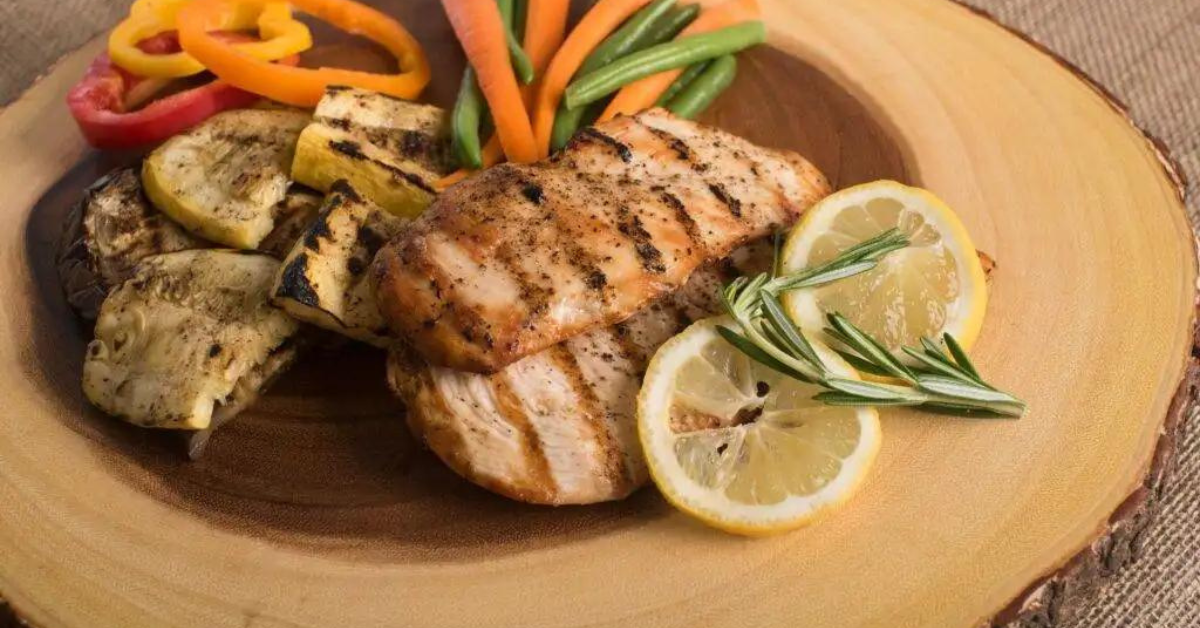
Another technique you should consider is spice marination methods. Marinating proteins or vegetables with spices and an acidic component like vinegar or citrus juice allows the flavors to penetrate deeply. For instance, mix your favorite spices with olive oil and lemon juice, then marinate chicken for at least an hour. You’ll be amazed at how much flavor this simple step can add.
Don’t overlook the power of simmering spices in sauces or soups. This not only infuses the liquid but also allows the spices to meld together, creating a more complex flavor profile. Experiment with these methods, and you’ll discover how spices can transform your cooking, making even the simplest dishes extraordinary. Get creative, and watch your confidence in the kitchen grow!
Click Here and Turn Every Masterpiece into a Showstopper!
Blends for Quick Meals
Spice blends can transform your meals from ordinary to extraordinary in just minutes. If you’re looking to whip up a quick dinner after a long day, quick meal blends are your best friends. They save time while delivering delicious flavors that’ll impress anyone at your table.
One of the easiest spice combinations to start with is a classic Italian blend. Just mix dried basil, oregano, thyme, and garlic powder. This blend works wonders on pasta, chicken, or even roasted vegetables. Simply toss your ingredients with olive oil, sprinkle the blend, and you’ve got an impressive dish in no time.
For a kick of heat, try a taco seasoning mix. Combine chili powder, cumin, paprika, garlic powder, and a pinch of salt. This blend is perfect for ground meat, beans, or even grilled veggies. With just a sprinkle, you’ll create a fiesta on your plate.
If you prefer something lighter, consider a lemon herb blend. Just mix dried rosemary, thyme, lemon zest, and a touch of salt. It’s fantastic on fish, chicken, or even salads.
Don’t forget about curry powder, an easy spice combination that can elevate soups, stews, or stir-fries. A simple sauté of vegetables with curry powder can be a meal in itself.
Storing and Maintaining Spices
Properly storing and maintaining your spices is essential for keeping their flavors vibrant and effective. Spices can lose their potency over time, so understanding their spice shelf life is vital. Typically, whole spices last longer than ground ones—up to four years for whole spices and about two to three years for ground spices.
To guarantee proper storage, keep your spices in a cool, dark place away from heat sources and direct sunlight. A pantry or cupboard is ideal, but avoid storing them above the stove, where heat can degrade their quality. Use airtight containers to seal in freshness, and consider using glass or dark-colored jars to block out light.
Labeling your spices with the purchase date can help you track their age and guarantee you’re using them while they’re still effective. When cooking, it’s also a good idea to keep the containers closed when not in use to limit air exposure.
Regularly check your spice collection for any signs of loss in flavor or aroma. If a spice smells musty or doesn’t have a fragrant scent anymore, it’s time to replace it.
Click Here and Turn Every Masterpiece into a Showstopper!
Frequently Asked Questions: What Spices Should Beginners Start Cooking With
How Do I Know if My Spices Are Still Fresh?
To check if your spices are fresh, examine their color, aroma, and texture. If they’ve lost vibrancy or scent, they’re likely stale. Proper spice storage in a cool, dark place helps maintain their freshness indicators.
Can Spices Expire, and What Happens When They Do?
Spices can expire, losing potency and flavor over time. To maintain freshness, follow proper spice storage tips like keeping them in airtight containers away from light. Remember, checking the spice shelf life guarantees better cooking results.
What Are the Health Benefits of Using Spices in Cooking?
Using spices in cooking offers numerous health benefits. They provide antioxidant properties that combat free radicals and promote overall health. Plus, many spices improve digestion, helping your body absorb nutrients more effectively and enhancing your meals.
Are There Any Spices to Avoid for Beginners?
When starting out, you should avoid overly strong spices like saffron or fenugreek. Common beginner mistakes include overpowering dishes. Focus on mastering essential cooking techniques before experimenting with complex flavors to build your confidence.
How Can I Create My Own Spice Blends?
To create your own spice blends, start with basic spice combinations like garlic powder and paprika. Experimenting with flavors can lead to unique mixes, so don’t hesitate to try different ratios until you find your favorite!

Conclusion
Now that you’ve got a solid foundation of essential spices and herbs, you’re ready to elevate your cooking. Experiment with different flavors and techniques to find what you love. Don’t shy away from trying new spice blends for quick meals, and remember to store your spices properly for the best flavor. With these tips, you’ll confidently create delicious dishes that impress your family and friends. Happy cooking, and enjoy the journey of flavor exploration!