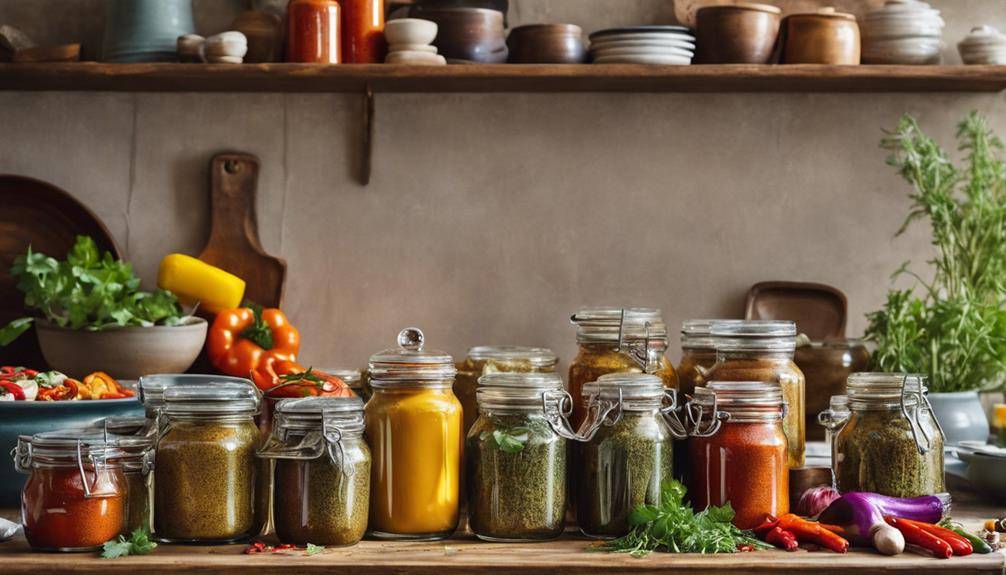
Boosting Vegetarian Dishes With Exotic Spices
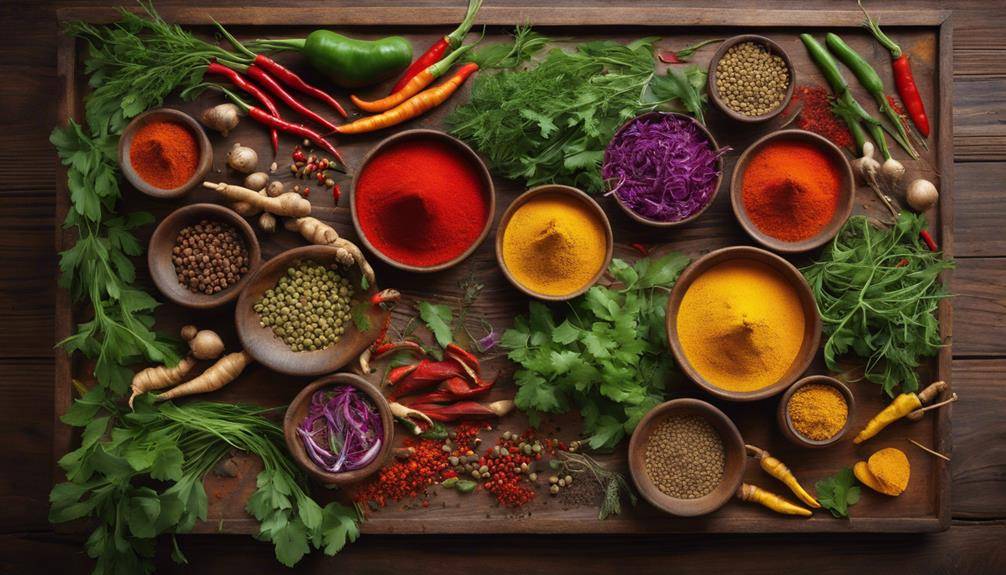
Boosting Vegetarian Dishes With Exotic Spices: To boost your vegetarian dishes with exotic spices, start by incorporating spices like cumin, turmeric, and smoked paprika. These add warmth and depth to your meals. Experiment with spice blends such as Moroccan ras el hanout or Indian garam masala to infuse unique flavors. Don't forget to pair spices with the right vegetables; for instance, sumac brightens roasted options, while garlic and chili create excitement in greens. Roasting or sautéing enhances flavors, making your dishes irresistible. Immerse yourself in the world of spices, and you'll uncover even more tips for transforming your vegetarian cooking.
Understanding Exotic Spices
Click Here and Turn Every Masterpiece into a Showstopper!
When you immerse yourself in the world of vegetarian cooking, understanding exotic spices can transform your dishes from bland to bold. These spices aren't just flavor enhancers; they carry rich histories and unique origins that can elevate your culinary experience. For instance, spices like cardamom and saffron hail from the Middle East and South Asia, bringing with them distinct flavor profiles that can create an enticing aroma in your meals.
Exploring spice flavor interactions is essential for crafting balanced and delicious vegetarian dishes. Each spice has its own personality, and when combined, they can either complement or clash. Take cumin and coriander, for example; their earthy and citrusy notes harmonize beautifully, enhancing the overall flavor of your dish. Conversely, mixing strong spices like cloves with delicate flavors might overpower your meal, leaving it unpalatable.
Understanding the origins of these exotic spices allows you to appreciate their unique characteristics better. For instance, knowing that sumac comes from the Middle East can inspire you to create dishes that pay homage to that region's culinary traditions. You might find that a dash of sumac adds a tangy brightness to roasted vegetables or salads.
Top Spices for Vegetarians
Spice blends can be a game-changer for vegetarian cooking, adding depth and excitement to your meals. By exploring various cultural spice traditions, you can transform simple vegetables and grains into vibrant dishes. Here are some top spices that will elevate your vegetarian dishes and enhance your culinary repertoire.
First up, cumin is a staple in many cuisines, from Indian to Mexican. It adds a warm, earthy flavor that pairs perfectly with beans, lentils, and roasted vegetables. Next, don't overlook smoked paprika. This spice brings a rich, smoky taste that can make even the most basic of dishes feel gourmet.
Coriander is another fantastic choice, offering a citrusy note that brightens up your meals. Use it in combination with turmeric for a classic Indian-inspired flavor profile. Speaking of turmeric, its warm, golden hue and health benefits make it a must-have in your pantry.
For a touch of heat, consider adding cayenne or chili powder. These spices can bring a kick to your vegetarian spice pairings, making your dishes more exciting. Finally, explore the aromatic world of garam masala, a blend of spices that adds complexity to curries and stews.
How to Use Spices Effectively
To access the full potential of your spices, it's important to understand how and when to use them in your cooking. Start by ensuring proper spice storage; keep your spices in airtight containers away from heat and light to maintain their potency. Freshness matters, so check expiration dates, and replace any spices that have lost their aroma.
When it comes to spice measurement, precision can make a big difference in the final flavor of your dish. Always measure spices instead of using a pinch here and there. A teaspoon or tablespoon can help you achieve consistent results. Remember, spices like cumin and coriander can be strong, so start with smaller amounts and adjust according to your taste.
Timing is vital when adding spices. Some spices, like cumin and mustard seeds, release their flavors best when toasted in oil at the beginning of your cooking process. Others, like fresh herbs, shine when added at the end. If you're using ground spices, consider blooming them in oil briefly to enhance their flavor before adding other ingredients.
Lastly, don't be afraid to experiment. Blend different spices to create unique flavor combinations, but make sure to balance them. Use a notebook to jot down your spice blends and the results. Over time, you'll develop a better intuition for which spices work well together, making your vegetarian dishes more exciting and delicious.
Flavor Profiles of Key Spices
A variety of spices can elevate your vegetarian dishes by adding depth and complexity. Understanding the flavor profiles of key spices allows you to transform simple ingredients into culinary masterpieces. Each spice has its unique origins and flavor nuances, making them essential tools in your kitchen.
Take cumin, for example. With its earthy, warm notes, cumin hails from the Mediterranean and the Middle East. It's perfect for adding a rich, smoky undertone to lentil soups or chickpea salads. On the other hand, coriander, which comes from the seeds of the cilantro plant, brings a fresh, citrusy brightness that can lighten up heavier dishes.
Next, consider turmeric. Known for its vibrant yellow hue, this spice originates from South Asia and offers a slightly bitter yet warm taste. Its anti-inflammatory properties make it a great addition to curries and rice dishes. Then there's smoked paprika, which adds a deep, smoky flavor profile and is derived from dried, smoked peppers. It works wonderfully in stews and roasted vegetables.
Don't overlook cinnamon, either. Its sweet and woody flavor comes from the bark of the cinnamon tree, and it can add unexpected warmth to savory dishes, especially when paired with squash or sweet potatoes.
Spice Blends to Try
Elevate your vegetarian dishes by experimenting with some intriguing spice blends that can transform everyday ingredients into something extraordinary. Start with a classic Moroccan ras el hanout, which combines warm spices like cumin, coriander, and cinnamon. This blend brings a complex flavor to roasted vegetables or couscous, making it a perfect choice for hearty meals.
Another fantastic option is the Indian garam masala. This blend often includes cardamom, cloves, and nutmeg, capturing the exotic spice origins of the Indian subcontinent. Use it to enhance lentil soups or chickpea curries, adding depth and warmth to your dishes.
Don't forget about dukkah, an Egyptian blend of nuts, seeds, and spices like coriander and cumin. It's ideal for sprinkling over salads or using as a dip with olive oil and bread. This blend not only provides a crunchy texture but also a nutty aroma that elevates your overall dining experience.
For a zesty kick, try za'atar, a Middle Eastern mix of thyme, sumac, and sesame seeds. This versatile blend pairs beautifully with grilled vegetables or can be sprinkled on hummus for a vibrant twist.
When experimenting with these spice blends, remember the spice pairing tips: combine sweet spices with savory dishes for balance, or mix in a touch of heat to elevate flavors. With these blends, your vegetarian meals will shine with exotic flair and rich taste.
Cooking Techniques for Spiced Dishes
Mastering cooking techniques can bring your spiced vegetarian dishes to life in exciting ways. One effective method to enhance flavors is through roasting techniques. Roasting vegetables like bell peppers, carrots, or eggplants caramelizes their natural sugars, creating a deeper, more complex taste. Preheat your oven to around 400°F, toss your veggies in a bit of oil and your chosen spice blend, and let them roast until they're tender and slightly charred. This method not only intensifies flavors but also adds a delightful texture.
Another essential approach is using sautéing methods. This technique allows you to cook your vegetables quickly while infusing them with aromatic spices. Start by heating a little oil in a skillet over medium heat. Once the oil's shimmering, introduce your spices—like cumin or coriander—allowing them to release their fragrance. Then, add your chopped vegetables. Stir them frequently to guarantee even cooking, and keep an eye on the heat to avoid burning. Sautéing not only preserves the vibrant colors of your veggies but also enhances their natural flavors.
Combining these techniques can elevate your vegetarian dishes. For instance, you can roast a medley of seasonal vegetables, then toss them with sautéed garlic and herbs for a dish that's bursting with flavor. With these methods in your culinary toolkit, you'll be well-equipped to create vegetarian dishes that are both satisfying and memorable.
Click Here and Turn Every Masterpiece into a Showstopper!
Pairing Spices With Vegetables
When it comes to creating flavorful vegetarian dishes, pairing spices with vegetables is a game-changer. The right spices can elevate your dishes, enhancing both taste and aroma. Start by considering the natural flavors of your vegetables. For instance, earthy root vegetables like carrots and potatoes pair beautifully with warm spices like cumin and coriander. These spices not only complement their sweetness but also add depth.
Don't forget about the freshness of your vegetables. Fresh produce has a vibrant taste that can be amplified with spices. If you're using greens like spinach or kale, spices such as garlic powder or chili flakes can offer a nice kick. Remember, though, to balance the spice level with the freshness of the ingredients.
Proper spice storage plays an essential role in maintaining their potency. Store your spices in a cool, dark place to keep them fresh for longer. Ground spices typically lose their flavor faster than whole spices, so consider grinding them as needed for maximum impact.
Experimenting is key. Try different combinations to find what resonates with your palate. For example, zucchini pairs well with Italian herbs like basil and oregano, while bell peppers shine with a mix of smoked paprika and cayenne.
Regional Spices to Explore
As you explore the world of vegetarian cooking, investigating regional spices can open up a treasure trove of flavors. Indian cuisine, with its vibrant mix of spices like cumin, coriander, and garam masala, can transform a simple vegetable dish into an aromatic masterpiece. Don't shy away from adding a pinch of turmeric for its stunning color and depth.
Incorporating Middle Eastern flavors is another fantastic way to enhance your meals. Sumac and za'atar can brighten up roasted vegetables, giving them a lively, zesty kick. Southeast Asian ingredients like lemongrass and kaffir lime leaves can introduce a rejuvenating twist to your stir-fries or soups, evoking a sense of tropical paradise.
African spices, such as berbere or harissa, bring warmth and complexity to vegetarian stews, making them hearty and satisfying. Consider using Latin American herbs like cilantro or epazote to add a burst of freshness to your dishes, elevating everything from tacos to grain bowls.
Mediterranean seasonings, including oregano and basil, can create a harmonious balance in pasta dishes or salads. Don't forget the Caribbean influences—add allspice or scotch bonnet peppers for a spicy, flavorful kick that transports your taste buds.
Lastly, Pacific Rim spices like ginger and sesame can enhance your vegetarian dishes with a unique flair. By experimenting with these diverse regional spices, you'll discover new dimensions in your vegetarian cooking, making every meal an exciting culinary adventure!
Health Benefits of Spices
Spices aren't just for flavor; they pack a powerful punch when it comes to health benefits. You'll find that many spices have anti-inflammatory properties, antioxidant effects, and can enhance digestion. Adding these vibrant ingredients to your vegetarian dishes can boost both your meals and your well-being.
Anti-Inflammatory Properties
How can you enhance your vegetarian dishes while reaping health benefits? One effective way is by incorporating spices known for their anti-inflammatory benefits. Spices like turmeric, ginger, and cinnamon not only add flavor but also contribute to overall wellness. Turmeric, with its active compound curcumin, is particularly renowned for its powerful anti-inflammatory properties. Adding a pinch of turmeric to your lentil stew or vegetable curry can elevate the dish and support your immune system.
Ginger, another spice with rich origins, can be a fantastic addition to soups and stir-fries. It helps reduce inflammation and can soothe digestive issues. You might find that a sprinkle of cinnamon in your oatmeal or smoothie not only sweetens the meal but also helps lower inflammation levels in the body.
Exploring spice origins can also enhance your culinary experience. From the warm climates of India to the lush landscapes of Southeast Asia, these spices carry stories that connect us to their roots. By integrating these flavorful and health-promoting spices into your vegetarian dishes, you'll not only enjoy delicious meals but also take a step toward a healthier lifestyle.
Antioxidant Effects
Incorporating spices into your vegetarian dishes not only enhances flavor but also offers a wealth of health benefits, particularly through their antioxidant effects. Antioxidants are essential for combating oxidative stress in your body, which can lead to chronic diseases. Spices like turmeric, cinnamon, and cloves are rich antioxidant sources that can considerably elevate your meals' nutritional profile.
Using these spices in your cooking helps you tap into their potent health benefits while also adding depth to your dishes. For instance, turmeric contains curcumin, known for its strong antioxidant properties, while cinnamon can help regulate blood sugar levels. These spices not only boost the antioxidant capacity of your meals but also contribute to spice preservation, ensuring your dishes stay fresh longer.
To make the most of these health benefits, consider adding a variety of spices to your recipes. Not only will they enhance the taste, but they'll also provide a powerful defense against free radicals. So next time you prepare a vegetarian dish, remember that those vibrant spices are doing more than just livening up your plate—they're also working wonders for your health!
Digestion Enhancement
When you spice up your vegetarian dishes, you're not just adding flavor; you're also giving your digestion a boost. Many spices, like ginger and cumin, have properties that can enhance your digestive health. They stimulate the production of digestive enzymes, helping your body break down food more efficiently.
Incorporating spices into meals made with fiber-rich foods, such as beans, lentils, and whole grains, can maximize their benefits. Fiber aids digestion by promoting regular bowel movements and providing food for beneficial gut bacteria. You can further improve your gut health by adding probiotic sources like yogurt or fermented vegetables to your vegetarian dishes.
Spices also help reduce bloating and discomfort, making your meals more enjoyable. For instance, fennel seeds can relieve gas, while turmeric has anti-inflammatory properties that soothe the digestive tract.
Recipes to Inspire Your Cooking
Ready to elevate your vegetarian cooking? Exploring spice combinations, unique ingredients, and diverse flavor profiles can transform your meals into something extraordinary. Let's uncover some exciting recipes that will inspire your culinary journey!
Spice Combinations to Explore
Exploring unique spice combinations can transform your vegetarian dishes from ordinary to extraordinary. You don't have to stick with basic seasonings; instead, immerse yourself in spice sourcing to discover flavors from around the globe. Consider blending cumin, coriander, and cinnamon for a Middle Eastern flair. This combination works beautifully in roasted vegetables or grain salads, offering a warm, aromatic profile.
Another exciting mix is turmeric, ginger, and cardamom, inspired by Indian cuisine. This trio adds a vibrant color and a hint of warmth to your dishes, perfect for curries or lentil soups. If you're craving something with a bit of heat, try combining smoked paprika, cayenne, and garlic powder. This zesty blend can elevate anything from stir-fries to roasted potatoes.
Don't forget about the influence of different cultures; it opens up a world of possibilities. For instance, a blend of fennel, star anise, and sesame can create a delightful Asian-inspired twist for your vegetable dishes. Experiment with these combinations, and let your taste buds guide you. Remember, the right spices can elevate your cooking to new heights!
Unique Ingredients to Incorporate
Incorporating unique ingredients can elevate your vegetarian dishes and ignite your culinary creativity. Start by exploring uncommon legumes like black-eyed peas or adzuki beans, which add protein and texture to salads and stews. Rare grains such as farro or freekeh offer nutty flavors and chewiness, making them perfect for grain bowls or pilafs.
Don't forget to include unusual nuts like macadamias or pine nuts for a delightful crunch in your recipes. Specialty oils, such as sesame or avocado oil, can enhance the richness of your dishes while adding a unique flavor twist.
For a revitalizing touch, try exotic fruits like dragon fruit or jackfruit, which not only look stunning but also bring surprising tastes to smoothies and desserts. Unique mushrooms, like maitake or enoki, can elevate stir-fries and risottos with their distinct earthiness.
Incorporate ancient spices such as sumac or za'atar to bring depth to your meals, and heritage vegetables like purple carrots or Romanesco broccoli, which add visual appeal and nutritional benefits. By using these unique ingredients, you'll create vegetarian dishes that are both delicious and memorable.
Flavor Profiles for Dishes
Delight in the harmony of flavors as you create vegetarian dishes that tantalize the taste buds. To elevate your meals, explore the rich tapestry of cultural influences that bring unique spice origins to your kitchen. For instance, Indian cuisine thrives on the bold warmth of cumin and coriander, while Middle Eastern dishes shine with the fragrant notes of sumac and za'atar.
You can also draw inspiration from Latin flavors by incorporating smoked paprika and cumin into your black bean dishes. These spices not only add depth but also evoke a sense of place, connecting your meals to their roots.
Consider blending spices to craft your own signature flavor profile. For a Mediterranean twist, mix oregano, thyme, and a pinch of chili flakes for a zesty kick. Or, if you're in the mood for something Asian-inspired, try a combination of ginger, garlic, and five-spice powder to enhance stir-fried vegetables.
Experiment with these diverse profiles, and watch how they transform simple ingredients into extraordinary meals. Your vegetarian dishes will not just feed the body; they'll nourish the soul, creating a delightful experience for everyone at the table.
Click Here and Turn Every Masterpiece into a Showstopper!
Frequently Asked Questions: Boosting Vegetarian Dishes With Exotic Spices
Can I Find Exotic Spices at Local Grocery Stores?
You can often find unique spice blends at local grocery stores, but for truly exotic options, explore global spice markets. They offer a wider variety, ensuring you discover flavors that elevate your cooking experience.
How Do I Store Exotic Spices for Maximum Freshness?
To maximize freshness, store your exotic spices in airtight containers, away from light and heat. Proper storage can greatly extend spice shelf life, ensuring you enjoy their flavors for longer in your dishes.
Are There Any Substitutes for Exotic Spices?
If you're looking for substitutes, consider using spice blends that mimic the flavor profiles of exotic spices. Experiment with combinations like smoked paprika, cumin, and coriander to create delicious alternatives that enhance your dishes.
Can I Use Spicy Ingredients in Vegetarian Dishes?
Absolutely, you can use spicy ingredients in vegetarian dishes! They create exciting spicy flavor combinations that not only enhance taste but also offer health benefits, like boosting metabolism and adding essential nutrients. Enjoy experimenting!
Do Exotic Spices Have Any Allergens I Should Consider?
Yes, exotic spices can have common allergens like mustard seeds or sesame. If you're concerned about spice sensitivity, it's best to check labels and introduce new spices slowly to monitor any reactions.

Conclusion
By incorporating exotic spices into your vegetarian dishes, you can elevate flavors and transform your meals. Don't be afraid to experiment with different spice blends and regional flavors to discover new taste sensations. With a little creativity, you'll find that spices not only enhance your cooking but also offer numerous health benefits. So, immerse yourself in the world of spices and let your culinary adventures begin—your taste buds will thank you!