6 Best Techniques For Perfecting Turkish Cuisine
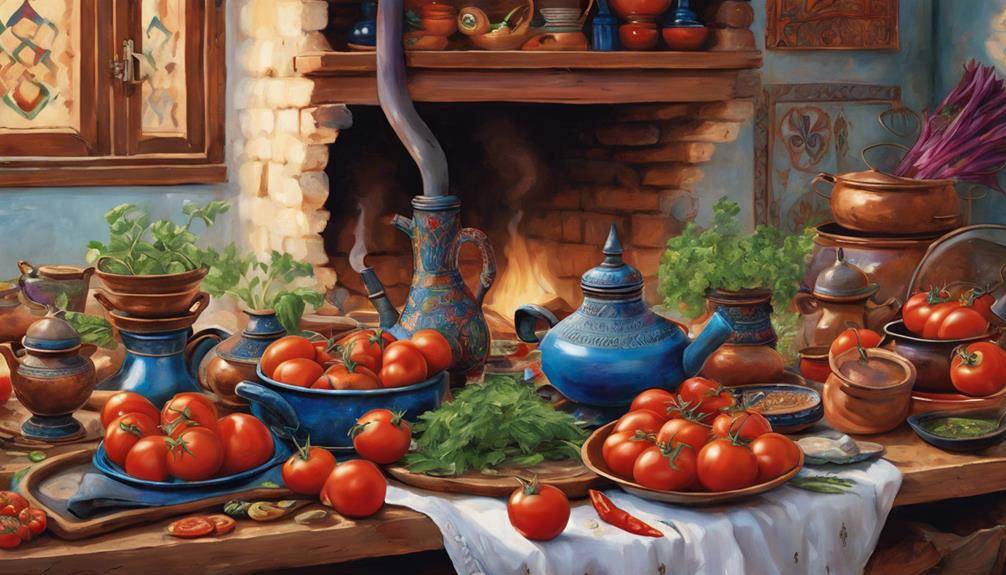
6 Best Techniques For Perfecting Turkish Cuisine: To perfect Turkish cuisine, you'll want to focus on six key techniques. First, understand your ingredients—fresh vegetables, spices, and herbs create authentic flavors. Master traditional cooking methods like slow cooking and grilling for depth. Perfect your marinades, using yogurt and citrus to tenderize meats while layering spices for complexity. Balance flavors and textures by incorporating sour elements like sumac and crunchy toppings. Finally, pay attention to presentation; vibrant plating and communal serving enhance the dining experience. If you're keen to elevate your culinary skills even further, there's much more to explore beyond these techniques.
Understanding Key Ingredients
Click Here and Turn Every Masterpiece into a Showstopper!
To truly appreciate Turkish cuisine, you need to get familiar with its key ingredients. Turkish cooking reflects a rich tapestry of cultural influences, from the Mediterranean to the Middle East and the Balkans. Each region offers unique flavors and ingredients, which contribute to the diversity of dishes you'll encounter.
Start with staples like rice, bulgur, and lentils, which serve as the foundation for many meals. These ingredients are versatile, adapting to various regional variations. For example, in the Aegean region, you'll find dishes featuring fresh vegetables like eggplant and zucchini, often seasoned with olive oil and herbs. In contrast, the southeastern areas emphasize spices like cumin and sumac, which create bold flavors in kebabs and stews.
Don't overlook the importance of herbs and spices. Fresh parsley, mint, and dill are commonly used, adding brightness and depth to dishes. Spices such as paprika and cinnamon introduce warmth and complexity, representing the diverse cultural influences that have shaped Turkish cuisine over centuries.
Dairy products like yogurt are another essential component, often served alongside dishes to balance richness. You'll also encounter various types of cheeses, each with its own regional identity.
Lastly, nuts such as pistachios and walnuts frequently appear in both savory and sweet dishes, showcasing the regional variations in texture and taste. By understanding these key ingredients, you'll be well on your way to creating authentic Turkish dishes that reflect its vibrant culinary heritage.
Mastering Cooking Techniques
To master Turkish cooking techniques, you'll need the right equipment and methods at your fingertips. Understanding traditional cooking methods and how to balance flavors will elevate your dishes. Let's explore these essential elements that make Turkish cuisine so vibrant and delicious.
Essential Cooking Equipment
In mastering Turkish cuisine techniques, having the right cooking equipment can make all the difference. You'll want to invest in essential cooking tools that elevate your dishes and streamline your cooking process. A high-quality cast-iron skillet is a must; it distributes heat evenly for perfect kebabs and sautéed vegetables.
Don't overlook a sturdy Turkish coffee pot, or cezve, for brewing authentic coffee. It's essential for starting your meals on the right note. A good set of knives is critical as well, allowing you to chop herbs and vegetables with precision—something fundamental in Turkish cooking.
Kitchen gadgets can also simplify your culinary tasks. A food processor will save you time when preparing ingredients like onion for köfte or making hummus. Additionally, a mandoline slicer helps you achieve uniform cuts for dishes like manti, enhancing both presentation and cooking consistency.
Lastly, consider a reliable digital scale for ingredient measurements, ensuring your recipes turn out perfect every time. Equip your kitchen with these essential tools, and you'll be well on your way to mastering the art of Turkish cuisine.
Traditional Cooking Methods
Having the right tools sets the stage for mastering traditional cooking methods in Turkish cuisine. You'll find that many of these techniques stem from age-old cooking rituals passed down through generations. One of the most cherished methods is slow-cooking stews, allowing flavors to meld beautifully, creating dishes like köfte and güveç.
Using a tandoor or a traditional clay oven can elevate your cooking experience, imparting a unique flavor to breads and meats. Grilling over an open flame is another common practice, bringing a smoky richness to kebabs and vegetables.
As you prepare meals, remember that communal dining is at the heart of Turkish culture. Gather friends and family around the table, sharing not only food but also stories and laughter. This social aspect enhances the flavors of your dishes, making each meal a memorable event.
Flavor Balancing Techniques
Balancing flavors is essential for creating authentic Turkish dishes that resonate with rich culinary traditions. To achieve this, you need to master seasoning ratios that align with the unique taste profiles of Turkish cuisine. Start by understanding the main components: salt, acidity, sweetness, and bitterness. Each plays a vital role in enhancing your dish.
When seasoning, begin with small amounts and progressively adjust. For instance, if you're making a yogurt sauce, a hint of salt can elevate its flavor, but too much can overpower it. Taste as you go, and don't forget that spices like sumac or paprika can add depth without overwhelming other flavors.
Incorporating fresh herbs, like parsley or mint, can also create balance. They add brightness and freshness, complementing richer ingredients like lamb or eggplant. Consider the harmony between your ingredients; a well-seasoned dish should feel cohesive rather than disjointed.
Lastly, remember that balancing flavors is a personal journey. Adjust the seasoning ratios according to your preferences and those of your guests. With practice, you'll develop an intuitive sense for crafting perfectly balanced Turkish dishes that showcase the beauty of this vibrant cuisine.
Perfecting Marinades and Spices
When you're looking to enhance your Turkish dishes, mastering essential spices is key. You'll want to explore flavorful marinade techniques that bring out the best in your ingredients. Balancing aromatic components will elevate your meals and create unforgettable flavors.
Essential Turkish Spices
In Turkish cuisine, a handful of essential spices can transform ordinary ingredients into extraordinary dishes, making them the backbone of flavorful marinades and spice blends. Start with sumac, a tangy spice that adds a revitalizing zest, perfect for salads and grilled meats. Cumin brings a warm, earthy flavor to your dishes, while coriander offers a subtle citrus note that enhances many recipes.
Don't forget about paprika, which ranges from sweet to smoky; it's key in dishes like stews and kebabs. Then there's black pepper, the quintessential spice that boosts the overall flavor profile. For a unique twist, try using mint, which is often featured in regional spice varieties, adding brightness to your meals.
When it comes to Turkish spice blends, baharat is a must-try. This aromatic mix usually includes cumin, coriander, and paprika, creating a versatile seasoning for various dishes. Each region in Turkey boasts its own unique blend, so experiment to find your favorite! By incorporating these essential spices, you'll elevate your cooking and bring authentic Turkish flavors to your table.
Flavorful Marinade Techniques
A great marinade can elevate your dishes, infusing them with depth and richness. To create flavorful marinades, you'll often want to start with a base that complements your main ingredient. Citrus-based marinades, for example, bring a bright acidity that can enhance seafood and chicken. Yogurt tenderizers are fantastic for meats, as they help break down proteins, resulting in juicy, flavorful dishes.
Experiment with various spice blends to add layers of flavor. Combine cumin, paprika, and sumac for a truly Turkish touch. Herb infusions, like fresh parsley or dill, can brighten your marinades, while vinegar accents add that necessary tang. Don't forget garlic enhancements; crushed garlic can transform an ordinary marinade into something special.
For those who enjoy a hint of sweetness, sweet marinades featuring honey or pomegranate molasses can create a delightful contrast. Finally, if you're craving smoky flavors, consider adding smoked paprika or a splash of liquid smoke to your mixture. With these techniques, you'll master the art of marinating, ensuring your dishes burst with authentic Turkish flavors.
Balancing Aromatic Ingredients
Creating a truly memorable marinade goes beyond just selecting the right base and spices; it's about balancing aromatic ingredients to achieve a harmonious flavor profile. Start by choosing your herb combinations wisely. Fresh herbs like parsley, dill, or mint can elevate your marinade, offering freshness that complements the dish. Dried herbs also have their place, but remember, fresh herbs often provide a more vibrant flavor.
Next, focus on spice layering. Rather than dumping all your spices in at once, think about how each spice interacts with the others. For example, a combination of cumin, paprika, and black pepper can create depth, while a touch of cinnamon adds warmth. Don't forget about acid—ingredients like lemon juice or vinegar can brighten the flavors and help tenderize the meat.
Experiment with ratios until you find the right balance that suits your palate. You want the herbs and spices to enhance, not overpower. Once you've perfected your marinade, let your ingredients soak for a few hours or overnight. This patience will pay off, resulting in a dish that radiates the essence of Turkish cuisine.
Embracing Traditional Cooking Methods
Turkish cuisine thrives on the rich tapestry of traditional cooking methods that have been passed down through generations. By embracing these techniques, you not only honor the cultural significance of Turkish food but also enhance your culinary skills. Each region in Turkey has its unique methods, reflecting the diverse ingredients and flavors available.
Start by exploring the age-old practice of slow cooking, a method that allows flavors to meld beautifully. For instance, dishes like "kuzu tandır" benefit immensely from this technique, resulting in tender, flavorful meat. You'll notice that many recipes call for clay pots or earthenware; these materials help retain moisture and heat, creating a unique cooking environment.
Don't overlook grilling, especially when it comes to kebabs. This method brings out the natural flavors of the meat and vegetables, adding a smoky charm that's hard to replicate. Each region boasts its variations, from the spicy Adana kebab to the milder Urfa version.
Steaming is another traditional method that respects the ingredients' integrity, allowing them to shine without overpowering spices. You can try making "börek," a pastry that's often steamed or baked, showcasing regional fillings from savory cheese to sweet fruit.
Click Here and Turn Every Masterpiece into a Showstopper!
Balancing Flavors and Textures
When it comes to crafting dishes, balancing flavors and textures is essential for a memorable culinary experience. Turkish cuisine offers a wealth of opportunities to explore this balance, bringing together a variety of ingredients that can elevate your dishes. One key aspect is incorporating sour elements, like sumac or pomegranate molasses, which add brightness and depth. You'll find that these tart flavors can cut through richness, making your dishes more dynamic.
To enhance this balance, think about sweet contrasts. Honey or dried fruits, such as apricots and figs, can provide a delightful counterpoint to savory or spicy components in your meal. Mixing these sweet elements with savory dishes not only enhances the overall flavor profile but also creates an intriguing juxtaposition that keeps diners engaged. For instance, adding a touch of honey to a tangy yogurt sauce can create a delightful harmony that complements grilled meats or roasted vegetables.
Textures play an equally important role in achieving balance. Aim to include a variety of textures in your dishes—think creamy, crunchy, and tender. A classic example is the combination of a crispy topping on a smooth pilaf or a revitalizing salad alongside a hearty stew. This contrast invites your diners to enjoy each bite fully. By carefully selecting your ingredients and considering how they interact, you'll create dishes that are not only flavorful but also a joy to eat, truly embodying the essence of Turkish cuisine.
Presentation and Serving Styles
To make your dishes truly shine, presentation and serving styles play an essential role. The way you plate your food can elevate a simple meal into a culinary masterpiece. Start by exploring various plating techniques. For Turkish cuisine, consider using contrasting colors and textures. For example, when serving a vibrant red tomato salad, pair it with the creamy white of yogurt. Use height and layers to create visual interest; stack grilled kebabs over a bed of pilaf, letting the grains spill out slightly for a rustic look.
When it comes to serving etiquette, remember that the dining experience is just as important as the food itself. In Turkish culture, it's customary to present dishes family-style. Place large platters at the center of the table, encouraging guests to serve themselves. This approach fosters a sense of sharing and community.
Moreover, don't underestimate the power of garnishes. Fresh herbs, lemon wedges, or a sprinkle of sumac can add a final touch that completes your dish. Always serve your food on clean, attractive tableware that complements the colors of your dishes.
Lastly, be mindful of portion sizes. Serve enough to satisfy but not overwhelm your guests. This balance keeps the focus on the meal while promoting a relaxed dining atmosphere. By mastering these presentation and serving styles, you'll not only impress your guests but also honor the rich traditions of Turkish cuisine.
Click Here and Turn Every Masterpiece into a Showstopper!
Frequently Asked Questions: 6 Best Techniques For Perfecting Turkish Cuisine
What Are Common Mistakes to Avoid in Turkish Cooking?
When cooking Turkish dishes, avoid common mistakes like using incorrect cooking temperatures and neglecting seasoning balance. You'll enhance flavors considerably by ensuring your ingredients are at the right temperature and properly seasoned. Enjoy the process!
How Can I Substitute Unavailable Turkish Ingredients?
When you can't find a Turkish ingredient, try ingredient swapping with similar items. Focus on flavor balancing to maintain the dish's essence. Experiment and adjust to guarantee your meal stays delicious and authentic.
What Are the Best Tools for Turkish Cuisine?
For Turkish cuisine, you'll need essential kitchenware like a good quality knife, a heavy pot, and a mortar and pestle. Mastering various cooking techniques will enhance your dishes and bring authentic flavors to life.
How Does Regional Variation Affect Turkish Recipes?
Regional variation greatly influences Turkish recipes. You'll find different herbs usage, cooking methods, and flavor profiles, as each area emphasizes unique ingredient sourcing and traditional techniques, resulting in diverse regional dishes that reflect local cultures.
Can I Prepare Turkish Dishes in Advance?
Yes, you can prepare Turkish dishes in advance. Meal prepping allows for flavor development, enhancing the dish's taste. Just store them properly, and you'll enjoy delicious meals ready to heat and serve whenever you're hungry.

Conclusion
By embracing these six techniques, you'll elevate your Turkish cuisine skills to new heights. Understanding key ingredients, mastering cooking methods, and perfecting marinades will transform your dishes. Don't forget to balance flavors and textures, and pay attention to presentation. With practice and passion, you'll create meals that not only taste fantastic but also celebrate the rich culinary heritage of Turkey. So, roll up your sleeves and get ready to impress your family and friends with your newfound expertise!