Eight Simple Tips For Home Lobster Preparation
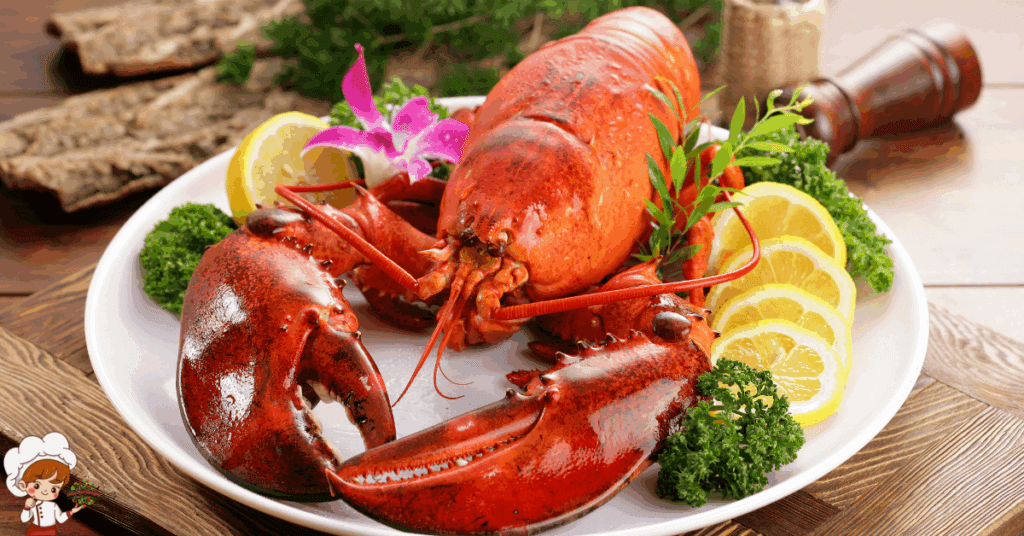
Simple Tips For Home Lobster Preparation; Did you know that preparing lobster at home can be easier than you think? Many people assume that cooking lobster is a daunting task best left to the professionals, but with these eight simple tips, you can become a master of lobster preparation in your own kitchen. From choosing the perfect lobster to serving it with delicious sides, this guide will walk you through each step of the process. So, if you’re ready to elevate your culinary skills and impress your dinner guests, keep reading to discover the secrets of home lobster preparation.
Choosing the Perfect Lobster
To ensure the highest quality and flavor in your lobster dish, it is essential to carefully select the perfect lobster for your home preparation. When it comes to lobster size, bigger is not always better. While larger lobsters may be visually appealing, they tend to have tougher meat and can be more difficult to cook evenly. On the other hand, smaller lobsters are known for their tender meat and delicate flavor. Aim for a size between 1-2 pounds for the best balance of taste and texture.
In addition to lobster size, lobster quality is another crucial factor to consider. Look for lobsters that are lively and active, with a hard shell and intact claws. Avoid lobsters that appear lethargic or have soft shells, as these could indicate poor quality or a molting lobster. A fresh lobster should have a vibrant color and a slightly sweet, clean smell. If the lobster smells fishy or has a strong ammonia odor, it is likely not fresh and should be avoided.
When purchasing lobsters, it is recommended to buy them from a reputable seafood market or directly from a trusted fisherman. This ensures that you are getting a fresh and high-quality product. If possible, try to buy live lobsters, as they will have the best flavor and texture. If live lobsters are not available, look for freshly cooked lobsters that have been kept properly chilled.
Preparing the Lobster for Cooking
Now that you have chosen the perfect lobster, it’s time to prepare it for cooking. Cleaning the lobster is an essential step to ensure its freshness and remove any unwanted debris. There are various lobster cleaning techniques you can use, depending on your preference and cooking method. Additionally, understanding different lobster cooking methods will allow you to achieve the perfect texture and flavor. Let’s dive into these points and get your lobster ready for a delicious meal.
Lobster Cleaning Techniques
Using a sharp knife and steady hand, confidently remove the claws and tail from the lobster, ensuring a clean and precise cut. To start, hold the lobster firmly with one hand, and use the other hand to twist and detach the claws where they meet the body. Next, cut through the shell along the underside of the tail, from the base towards the end. Once cut, gently pry the shell open and remove the tail meat in one piece. To ensure a clean presentation, rinse the tail under cold water to remove any impurities.
Additionally, you may choose to remove the thin translucent membrane covering the tail meat for a more refined finish. Lobster shell removal and tail preparation are crucial steps in achieving a delicious and visually appealing dish.
Lobster Cooking Methods
What are the best methods for preparing lobster for cooking? When it comes to cooking lobster, there are several methods to choose from. Boiling and grilling are two popular options. Boiling lobster involves submerging it in a pot of boiling water until it’s cooked through, while grilling gives the lobster a smoky flavor and charred texture. Steaming and baking are also viable options.
Steaming lobster involves placing it in a steamer basket over boiling water, ensuring a moist and tender result. Baking lobster, on the other hand, allows for a more concentrated flavor and crispy texture. Ultimately, the method you choose will depend on your personal preference and desired outcome. Whether you prefer the simplicity of boiling, the smokiness of grilling, the tenderness of steaming, or the crispiness of baking, there’s a cooking method that will suit your taste.
Deciding on the Cooking Method
Consider the various cooking methods available to ensure that your lobster is prepared to perfection. When it comes to cooking techniques for lobster, there are several options to choose from. Each method brings its own unique flavor and texture to the dish, allowing you to tailor the cooking process to your personal preferences. Here are three popular cooking methods to help you achieve the desired lobster doneness:
- Boiling: Boiling is a classic method that is simple and effective. It cooks the lobster quickly and evenly, resulting in tender and succulent meat. The boiling water helps to preserve the lobster’s natural sweetness, making it a popular choice for many lobster enthusiasts.
- Steaming: Steaming is a gentle cooking method that locks in the lobster’s natural flavors and juices. By steaming the lobster, you can achieve a more delicate and moist texture. This method is ideal for those who prefer a milder taste and want to savor the natural sweetness of the lobster.
- Grilling: Grilling adds a smoky and charred flavor to the lobster, giving it a unique twist. The high heat of the grill caramelizes the lobster’s surface, creating a delicious contrast between the crispy exterior and the tender flesh. Grilling is perfect for those who enjoy a slightly smoky and robust taste.
When deciding on the cooking method for your lobster, consider your personal preferences and the desired flavor profile. Whether you choose to boil, steam, or grill, each method offers its own distinct and delightful experience. Experiment with different techniques to find the one that suits your taste buds and enjoy the perfect lobster at home.
Seasoning the Lobster
Now it’s time to enhance the flavor of your lobster by seasoning it. Salt and pepper are the classic go-to seasonings that will bring out the natural taste of the lobster. Sprinkle them generously over the lobster before cooking. Additionally, garlic butter is a popular choice for adding richness and a savory kick to the lobster. Brushing the lobster with melted garlic butter will infuse it with a delicious aroma and taste.
Salt and Pepper
To enhance the flavor of your lobster, simply season it with a generous sprinkle of salt and pepper. This classic seasoning technique brings out the natural sweetness of the lobster meat while adding a subtle kick of heat. However, if you’re feeling adventurous and want to experiment with alternative spices, here are three options that will elevate your lobster dish to a whole new level of deliciousness:
- Cajun Seasoning: Give your lobster a spicy and smoky twist with a blend of paprika, cayenne pepper, garlic powder, and oregano. This bold and flavorful seasoning will add a zesty kick to every bite.
- Old Bay Seasoning: Transport your taste buds to the shores of Maryland with this iconic blend of celery salt, paprika, and other secret spices. The unique combination of flavors will complement the delicate sweetness of the lobster.
- Lemon Herb Seasoning: Brighten up your lobster with a refreshing mix of lemon zest, thyme, and parsley. The citrusy notes and aromatic herbs will add a burst of freshness to every mouthful.
Garlic Butter
For a truly indulgent lobster experience, enhance the natural flavors of the meat by generously coating it in a rich and aromatic garlic butter. Garlic butter is a classic seasoning choice that complements the sweet and delicate taste of lobster. However, if you prefer to explore alternative options, there are a few garlic butter alternatives that you can consider.
One option is to infuse the butter with additional herbs and spices, such as thyme, parsley, or lemon zest, to add a burst of freshness to the dish. Another variation is to mix minced garlic with melted butter and a splash of white wine for a tangy twist. Whichever recipe you choose, make sure to coat the lobster thoroughly to infuse every bite with the irresistible flavor of garlic. Enjoy!
Cooking the Lobster to Perfection
Achieve lobster perfection by following these expert tips for cooking at home. Cooking a lobster may seem intimidating, but with the right techniques and temperature control, you can create a delicious and succulent dish that will impress your guests. Here are three essential tips to ensure your lobster is cooked to perfection:
- Pre-boil the lobster: Before cooking, it’s important to pre-boil the lobster for a few minutes. This helps to partially cook the meat and makes it easier to handle. Fill a large pot with water and bring it to a rolling boil. Gently place the lobster in the pot and let it cook for about 3-4 minutes. This initial boiling step not only ensures even cooking but also enhances the flavor.
- Steaming for tenderness: Steaming is a popular cooking method for lobster as it helps to retain the natural flavors and keeps the meat tender. Place a steamer basket in a large pot and add about two inches of water. Bring the water to a boil and carefully place the partially boiled lobster in the steamer basket. Cover the pot and let it steam for about 8-10 minutes per pound. This gentle cooking method ensures a succulent texture and prevents the lobster from becoming tough.
- Temperature control: It is crucial to cook the lobster to the right internal temperature to ensure it is safe to eat. The meat should reach an internal temperature of 145°F (63°C) when measured with a meat thermometer. Overcooking can result in dry and rubbery meat, while undercooking can pose health risks. So, keep a close eye on the cooking time and temperature to achieve that perfect balance.
Checking for Doneness
After cooking the lobster using the pre-boiling and steaming techniques, it’s important to check for doneness to ensure that the meat is cooked to perfection. Checking doneness is a crucial step in the preparation process, as it ensures that the lobster is cooked to the right temperature and texture. There are a few simple methods you can use to test the doneness of your lobster.
One way to check for doneness is by examining the color of the lobster meat. When cooked, the meat should turn from translucent to opaque and have a white, creamy color. If you notice any gray or translucent areas, it’s a sign that the lobster needs more time to cook.
Another method is to insert a meat thermometer into the thickest part of the lobster tail. The internal temperature should read 140°F (60°C) for fully cooked lobster. If the temperature is lower, continue cooking for a few more minutes until it reaches the desired doneness.
You can also test the doneness by gently pulling on the antennae or small legs. If they detach easily, it’s a sign that the lobster is fully cooked. Additionally, the shell should be bright red and the meat should be firm and opaque.
Remember that overcooking the lobster can result in tough and rubbery meat, so it’s important to check for doneness regularly and remove the lobster from heat as soon as it’s cooked. By following these simple methods for checking doneness, you can ensure that your lobster is cooked to perfection every time.
Serving and Plating the Lobster
To serve and present your perfectly cooked lobster, follow these expert tips for plating it with finesse. The way you serve and present your lobster can make a significant difference in the overall dining experience. Here are three essential serving techniques and plating presentation tips to elevate your lobster dish to the next level:
- Garnish with Fresh Herbs: After cooking your lobster, enhance the visual appeal by garnishing the plate with fresh herbs. Sprinkle some finely chopped parsley, chives, or dill around the lobster to add a pop of color and a touch of freshness. The vibrant green hues of the herbs will beautifully complement the rich red tones of the lobster meat.
- Arrange with Care: When plating your lobster, take the time to arrange the different components thoughtfully. Place the lobster tail on one side of the plate and the claws on the other. If you have cooked lobster meat separately, delicately mound it in the center. This arrangement creates a visually appealing display that showcases the various parts of the lobster.
- Use a Simple Sauce: To enhance the flavors of your lobster, consider serving it with a simple sauce on the side. A classic melted butter sauce or a tangy lemon aioli can complement the delicate sweetness of the lobster meat without overpowering it. Serve the sauce in a small dish or ramekin, allowing your guests to dip their lobster meat as desired.
Pairing the Lobster With Delicious Sides
Now that you have mastered the art of serving and plating your perfectly cooked lobster, let’s explore the exciting world of pairing it with delicious sides. When it comes to complementing the flavors of the lobster, there are several delicious lobster recipes and alternative lobster side dishes that you can consider.
One classic option is to serve your lobster with melted butter. The rich, creamy butter enhances the natural sweetness of the lobster meat and adds a luxurious touch to the dish. You can also experiment with flavored butters, such as garlic or herb-infused varieties, to elevate the flavor even further.
For a lighter option, consider serving your lobster with a refreshing salad. A simple green salad with a tangy vinaigrette can provide a crisp contrast to the rich and buttery lobster. You can also add other ingredients like avocado, cherry tomatoes, or shaved fennel to add more texture and flavors to the salad.
Another alternative lobster side dish is roasted vegetables. The caramelized flavors of roasted carrots, asparagus, or Brussels sprouts can complement the lobster’s natural sweetness. Season the vegetables with olive oil, salt, and pepper, and roast them until they are tender and slightly charred for a delicious and healthy accompaniment.
If you’re feeling adventurous, you can try pairing your lobster with risotto or pasta. Lobster risotto is a luxurious dish that combines the creamy texture of the risotto with the succulent chunks of lobster. Alternatively, a lobster pasta dish with a light tomato sauce or a garlic and white wine sauce can be a delightful choice.
Tips for Storing and Reheating Leftover Lobster
When storing and reheating leftover lobster, it is important to follow proper guidelines to ensure the quality and taste of the seafood. Lobster is a delicate and expensive ingredient, so it’s crucial to handle it with care even after it has been cooked. Here are three essential tips for storing leftovers and reheating lobster to perfection:
- Proper Storage: To maintain the freshness of your leftover lobster, place it in an airtight container or wrap it tightly in plastic wrap. This will prevent any air from entering and keep the lobster from drying out. Store it in the refrigerator at a temperature of 40°F or below. Remember to consume the leftovers within two days to ensure optimal taste and quality.
- Reheating Techniques: When it comes to reheating lobster, gentle heat is key. Avoid using the microwave, as it can easily overcook the delicate meat and leave it rubbery. Instead, opt for steaming or gently sautéing the lobster. To steam, place the lobster in a steamer basket over simmering water for a few minutes until heated through. For sautéing, melt some butter in a skillet over low heat and add the lobster, cooking for a minute or two on each side until warm.
- Avoid Overcooking: Whether you’re reheating or cooking lobster from scratch, it’s crucial to avoid overcooking. Overcooked lobster can become tough and lose its delicate flavor. Keep a close eye on the lobster while reheating, and remove it from the heat as soon as it reaches the desired temperature. Remember, lobster meat is already cooked when purchased, so reheating is just a matter of warming it through.
Frequently Asked Questions: Simple Tips For Home Lobster Preparation
Can I Use Frozen Lobster for These Recipes?
Yes, you can definitely use frozen lobster for these recipes. It’s a convenient alternative and still offers great taste. Just make sure to adjust cooking times accordingly and follow the tips for home lobster preparation.
How Long Should I Boil the Lobster For?
To get perfectly boiled lobster, follow these tips: bring a large pot of salted water to a boil, add the lobster, and cook for about 8-10 minutes. Enjoy your delicious, tender lobster!
Can I Grill the Lobster Instead of Boiling It?
Grilling vs boiling: Which method gives the best flavor? While boiling is the traditional method, grilling can impart a smoky, charred taste to the lobster. Other alternative ways to cook lobster include steaming, broiling, or baking.
What’s the Best Way to Remove the Lobster Meat From the Shell?
To remove lobster meat from the shell, the best method is to carefully crack the shell and gently pull out the meat. Alternatively, you can use a lobster cracker or scissors to help with the extraction process.
Can I Use Lobster Leftovers in a Different Recipe?
Yes, you can definitely use lobster leftovers in a different recipe. Get creative and try incorporating the lobster into pasta dishes for a delicious twist. There are countless ways to repurpose those leftovers and create something amazing.

Conclusion
In conclusion, by following these eight simple tips, you can confidently prepare a delicious lobster meal at home. From choosing the perfect lobster to seasoning it just right, cooking it to perfection, and serving it with delicious sides, you can impress your guests with your culinary skills. Don’t forget to store any leftovers properly and reheat them for later enjoyment. With a little knowledge and experience, you can master the art of home lobster preparation.