10 Best Authentic Moroccan Dishes: A Cooking Guide
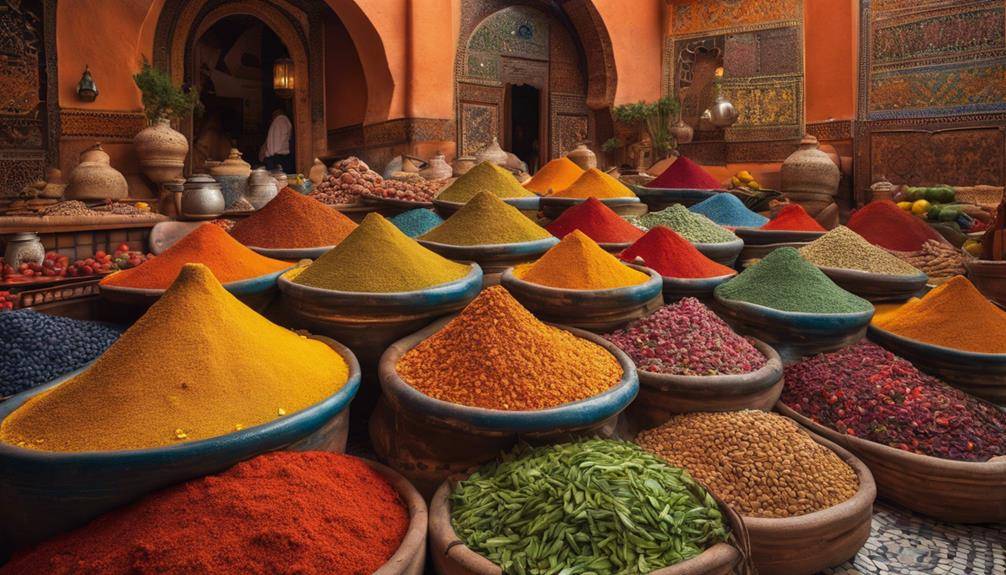
10 Best Authentic Moroccan Dishes: A Cooking Guide: You can elevate your culinary repertoire with the 10 best authentic Moroccan dishes that reflect the vibrant flavors of this rich cuisine. Start with classic Moroccan tagine, a slow-cooked stew that blends meats or vegetables with aromatic spices. Don't miss the savory-sweet pastilla, often filled with chicken or pigeon. Enjoy hearty harira soup, typically served during Ramadan, and vibrant couscous with seasonal vegetables. Finish your meal with mint tea, symbolizing Moroccan hospitality. Each dish reveals a unique story, and the preparation methods are just as fascinating. Keep exploring to reveal even more delightful recipes that will impress your family and friends!
Moroccan Tagine
Click Here and Turn Every Masterpiece into a Showstopper!
When you think of Moroccan cuisine, the tagine often comes to mind as a quintessential dish that beautifully showcases the country's rich flavors. This slow-cooked stew, named after the earthenware pot in which it's prepared, combines a variety of ingredients like meats, vegetables, and legumes, infused with traditional spices that create a unique culinary experience.
You'll find that the heart of tagine lies in its use of these spices, which can include cumin, coriander, saffron, and cinnamon. They're essential in elevating the dish's flavors, making each bite a delightful explosion of taste. The spices not only provide warmth and depth but also reflect Morocco's diverse cultural influences.
As you explore tagine, you'll notice regional variations that highlight local produce and preferences. In the coastal areas, you might enjoy a seafood tagine seasoned with fresh herbs and citrus. Meanwhile, in the mountainous regions, lamb or beef tagines often take center stage, paired with dried fruits like apricots or prunes for a sweet contrast.
Whether you're enjoying a classic chicken tagine with preserved lemons or experimenting with vegetarian options, the adaptability of this dish is part of its charm. Each family might have their own recipe, passed down through generations, ensuring that every tagine tells a story of its origins. So, gather your ingredients, embrace the spices, and get ready to create a Moroccan tagine that brings the flavors of Morocco into your kitchen.
Couscous With Vegetables
When you think about making perfect couscous with vegetables, the right ingredients and cooking techniques are essential. You'll want to explore the best vegetables to use and how to prepare them for maximum flavor. Let's break down what you need to create a delicious and authentic dish.
Ingredients for Perfect Couscous
For a perfect couscous with vegetables, you'll want to gather a few key ingredients that will elevate this traditional dish. Start with high-quality couscous; choose either fine or medium-grain, depending on your preference. Next, pick a colorful array of vegetables—think carrots, zucchini, bell peppers, and chickpeas. These not only provide flavor but also add nutrition and texture.
You'll also need some aromatic spices to bring everything to life. Cumin, coriander, and a pinch of saffron will work wonders. Don't forget fresh herbs like parsley or cilantro for garnish. For a richer taste, consider adding a drizzle of olive oil or a spoonful of butter.
When it comes to couscous variations, feel free to experiment with different vegetables or even proteins like chicken or lamb to suit your taste. Regarding serving suggestions, pair your couscous with a light broth or a side salad for a balanced meal. With these ingredients, you'll create a delicious couscous dish that embodies the essence of Moroccan cuisine. Enjoy the process and savor the flavors!
Cooking Techniques Explained
To cook couscous with vegetables perfectly, you'll want to start by steaming the couscous. Begin by adding the couscous to a large bowl and moisten it with water or broth, letting it soak for about 10 minutes. This helps to guarantee each grain absorbs flavor and stays fluffy. After soaking, transfer it to a couscoussier or a steamer basket over simmering water. Steam it for about 20 minutes, fluffing it with a fork halfway through.
While your couscous cooks, you can focus on the vegetables. Chop a mix of seasonal veggies like carrots, zucchini, and bell peppers. In a large pot, use simmering techniques to sauté them in olive oil, adding spices like cumin, coriander, and saffron for depth. Spice blending is key here; combine these spices before adding them to your veggies to guarantee even distribution.
Once the vegetables are tender, mix them with the steamed couscous. For an extra touch, drizzle some olive oil or a squeeze of lemon juice before serving. This method not only enhances the flavors but also creates a vibrant presentation for your Moroccan meal. Enjoy your delicious couscous with vegetables!
Harira Soup
Harira soup is a staple in Moroccan cuisine, packed with rich flavors and nourishing ingredients. As you explore its preparation steps, you'll discover how each component contributes to its cultural significance, especially during Ramadan. Let's uncover what makes this dish so special and how to create it in your own kitchen.
Ingredients and Preparation Steps
When preparing Harira soup, you'll need a variety of fresh ingredients that come together to create its rich, comforting flavor. Start with onions, tomatoes, and celery, along with lentils, chickpeas, and a mix of fresh herbs, like cilantro and parsley. For the meat, you can use lamb or beef, but feel free to make ingredient substitutions like using chicken or even omitting meat for a vegetarian version.
For the spice combinations, you'll want to include cinnamon, ginger, turmeric, and black pepper. These spices not only enhance the flavor but also give the soup its warm aroma. If you don't have a specific spice on hand, don't hesitate to swap it out with something similar; for instance, you can use curry powder instead of turmeric.
To prepare, sauté the onions in olive oil until they're translucent. Add the meat, cooking until browned. Then, mix in the tomatoes, lentils, and chickpeas, followed by the spices and herbs. Cover with water and let it simmer until everything is tender. Serve hot, and enjoy the comforting taste of Morocco in your bowl.
Cultural Significance of Harira
Beyond its delicious ingredients and comforting preparation, Harira soup holds a special place in Moroccan culture, particularly during the holy month of Ramadan. As the sun sets and families gather to break their fast, Harira becomes a staple on the iftar table. Its rich flavors and nourishing properties make it the perfect dish to restore energy after a long day of fasting.
Harira's significance extends beyond Ramadan. It's often served during festive occasions, such as weddings and celebrations, symbolizing hospitality and abundance. When you prepare or enjoy Harira, you're not just savoring a meal; you're participating in cherished cultural traditions that have been passed down through generations.
In Moroccan households, making Harira is often a communal activity, bringing family and friends together. Each region may add its own twist to the recipe, showcasing the diversity of Moroccan culinary heritage. So, whether you're enjoying it in a bustling market or at a family gathering, remember that every bowl of Harira tells a story of community, tradition, and warmth, deepening your connection to Moroccan culture.
Pastilla
Pastilla, a delightful Moroccan pastry, combines savory and sweet elements in a way that captivates the senses. This dish typically features layers of flaky pastry, which provide a perfect contrast to the rich filling. Traditionally, the filling consists of shredded pigeon or chicken, infused with an array of Moroccan spices like cinnamon, saffron, and nutmeg, creating a complex flavor profile that's both aromatic and comforting.
When making Pastilla, you'll start by preparing the filling. Sauté your choice of meat with onions and garlic, then incorporate the Moroccan spices to enhance the taste. As the mixture cooks, the aromas will fill your kitchen, drawing everyone in. Once the filling is ready, you'll need to assemble the pastry. Using warqa or phyllo dough, layer the flaky pastry sheets, brushing each with melted butter for that golden finish.
After adding the filling, you'll fold the pastry over to create a beautiful package. The final touch involves baking it until it's crispy and golden brown. When you pull it out of the oven, you can dust it with powdered sugar and cinnamon for an extra touch of sweetness.
Serving Pastilla at gatherings is sure to impress your guests. They'll appreciate not only the stunning presentation but also the explosion of flavors. This dish epitomizes the richness of Moroccan cuisine and is a must-try for anyone looking to experience authentic flavors.
Chicken Tagine With Lemon
When you prepare Chicken Tagine With Lemon, you'll discover a vibrant mix of flavors that come from fresh ingredients like preserved lemons and olives. The unique cooking techniques, such as slow braising in a tagine, enhance the dish's rich taste and tender texture. Let's explore what makes this Moroccan classic so special.
Ingredients and Flavor Profile
Often regarded as a staple of Moroccan cuisine, Chicken Tagine with Lemon boasts a vibrant blend of ingredients that create its distinctive flavor profile. At the heart of this dish are tender chicken pieces marinated in a mixture of spices, including cumin, coriander, and saffron. These spice combinations not only enhance the chicken but also contribute to the rich and aromatic sauce that defines this tagine.
Lemons play an essential role, adding a zesty brightness that contrasts beautifully with the earthy spices. The addition of olives further complements the dish, bringing a touch of brininess that rounds out the flavor balance. You'll also find onions, garlic, and fresh herbs like cilantro and parsley, which add layers of freshness to each bite.
As you prepare Chicken Tagine with Lemon, consider the harmony of flavors. The interplay between the spices, the acidity of the lemon, and the savory notes of the chicken creates a compelling and satisfying dish. When cooked slowly, these ingredients meld together, resulting in a meal that's not only delicious but also reflective of Morocco's rich culinary heritage.
Cooking Techniques Explained
Cooking Chicken Tagine with Lemon requires a blend of traditional techniques and patience. To start, you'll want to focus on spice blending—this is where the magic happens. Use a combination of spices like cumin, coriander, and saffron to create a flavorful base. Be certain to toast the spices lightly in your tagine or pan to enhance their aroma before adding them to your chicken.
Next, slow cooking is essential for achieving that tender, succulent chicken. After browning your chicken, layer it with your spice mixture, olives, and preserved lemons. Cover the tagine with its lid and let it cook on low heat. This method allows the flavors to meld beautifully while keeping the chicken moist.
Keep your heat low and check occasionally to make sure it doesn't dry out. Allowing the chicken to cook for at least 1.5 to 2 hours is ideal—this patience pays off with a dish that's bursting with flavor. Serve your tagine with crusty bread or couscous to soak up the rich sauce, and enjoy the fruits of your labor!
Lamb Mechoui
Indulge in the rich flavors of Lamb Mechoui, a traditional Moroccan dish that celebrates the art of roasting whole lamb. This dish isn't just a meal; it's an experience that brings friends and family together. The magic starts with lamb marination. You'll want to marinate the lamb for several hours, or even overnight, using a blend of spices like cumin, coriander, garlic, and a splash of olive oil. This not only infuses the meat with flavor but also helps to tenderize it, ensuring each bite is succulent.
When it comes to cooking methods, you have a few options. Traditionally, Lamb Mechoui is cooked in a pit or a specially designed oven, allowing the meat to roast slowly, creating a crispy exterior while keeping the inside juicy. If you don't have access to those methods, you can achieve similar results on a grill or in your oven. Just make sure to maintain a low temperature to let the flavors develop fully.
As the lamb cooks, the aroma fills the air, drawing everyone to the kitchen. Once it's done, the meat pulls away effortlessly from the bone. Serve it with crusty bread, and let your guests dig in, tearing off pieces and savoring every mouthful. Lamb Mechoui is more than a dish; it's a celebration of Moroccan culture and hospitality that you won't forget.
Click Here and Turn Every Masterpiece into a Showstopper!
Moroccan Salad
There's something invigorating about Moroccan Salad, a vibrant dish that perfectly complements any meal. Bursting with fresh flavors, this salad is a delightful mix of traditional ingredients that reflect the heart of Moroccan cuisine. You'll typically find ripe tomatoes, crunchy cucumbers, and sweet bell peppers as the base, all finely chopped to create an inviting texture. Toss in some red onion for a bit of bite, and don't forget the fresh herbs like parsley and cilantro to elevate the dish.
What sets Moroccan Salad apart is the dressing. A splash of olive oil, a squeeze of lemon juice, and a sprinkle of salt and pepper bring everything together beautifully. You might even add a hint of cumin or paprika for a subtle warmth.
As you explore salad variations, you'll notice that each region in Morocco has its twist. Some might include avocado for creaminess, while others might throw in olives or even pomegranate seeds for an extra burst of flavor. You can also opt for a more hearty version by adding chickpeas or lentils, making it a filling dish for any occasion.
No matter how you choose to prepare Moroccan Salad, it's a celebration of colors and tastes that'll brighten up your table. Whether enjoyed as a side or a light meal, it embodies the spirit of Moroccan hospitality and freshness. Immerse yourself and enjoy this delightful dish!
Zaalouk
After enjoying the revitalizing Moroccan Salad, you might want to try Zaalouk, a delicious eggplant and tomato dish that showcases the rich flavors of Moroccan cuisine. This traditional dish is not only comforting but also versatile, allowing for various zaalouk variations that cater to different tastes.
Zaalouk originates from the coastal regions of Morocco, where fresh vegetables are abundant. Traditionally, it combines roasted eggplant with ripe tomatoes, garlic, and a blend of spices like cumin, paprika, and sometimes a hint of chili for heat. The eggplant is often grilled or baked, giving it a smoky flavor that enhances the dish's overall taste.
To prepare zaalouk, you'll start by roasting the eggplant until it's tender. While it cools, sauté garlic and tomatoes in olive oil, adding spices to build layers of flavor. Once the eggplant is ready, mash it into the tomato mixture and let everything simmer together until it thickens. Whether you enjoy it warm or at room temperature, zaalouk works wonderfully as a side dish or a dip paired with crusty bread.
As you explore zaalouk variations, you might find some recipes incorporating additional vegetables like bell peppers or even olives, which can add unique flavors to the classic dish. No matter how you make it, zaalouk is sure to become a favorite addition to your Moroccan culinary repertoire.
B'stilla
Embracing the rich tapestry of Moroccan flavors, B'stilla stands out as a celebrated dish that beautifully marries sweet and savory elements. This intriguing pastry has roots in the Andalusian influence on Moroccan cuisine, showcasing a delightful blend of spices, nuts, and meats. Traditionally, B'stilla features pigeon or chicken, marinated with a symphony of cinnamon, saffron, and ginger, all enveloped in layers of delicate pastry that create an impressive presentation when baked.
When you explore B'stilla history, you'll find that it was once a dish reserved for special occasions, symbolizing hospitality and refinement. Today, it's enjoyed by many, whether at festive gatherings or casual family meals. The preparation is a labor of love, as you'll spend time layering the ingredients and achieving the perfect flaky crust.
As you dive deeper into this dish, you'll discover numerous B'stilla variations. While the classic pigeon version remains a favorite, you might encounter chicken B'stilla, which is more common and widely loved. Vegetarian options are also gaining popularity, where you can substitute the meat with a medley of vegetables and nuts, providing a delightful twist for those seeking meatless fare. Each variation brings its own charm, allowing you to adapt the dish to your taste preferences.
Mint Tea
Mint tea is an integral part of Moroccan culture, often referred to as "Moroccan whiskey" due to its central role in hospitality. When you visit a Moroccan home, you can expect to be greeted with a warm smile and a steaming glass of this aromatic beverage. The preparation of mint tea is not just about brewing; it's a cherished ritual that reflects the essence of Moroccan hospitality.
As you watch the process unfold, you'll notice the careful selection of high-quality green tea, fresh mint leaves, and copious amounts of sugar. The tea is brewed in a special teapot, often made of metal, and poured from a height to create a frothy texture. This theatrical pouring is a key part of the tea rituals, showcasing the host's skill and pride.
While sipping your tea, take a moment to appreciate the flavors and aromas. The sweet, minty infusion is not just invigorating; it symbolizes friendship and community. Traditionally, tea is served three times, with each infusion offering a distinct taste. The first cup is strong and sweet, the second is milder, and the third is the lightest.
Sharing mint tea with friends and family is a way to connect and unwind. So, when you find yourself in Morocco, embrace this delightful ritual, and let the warmth of mint tea enhance your experience of the country's rich culture.
Click Here and Turn Every Masterpiece into a Showstopper!
Frequently Asked Questions: 10 Best Authentic Moroccan Dishes: A Cooking Guide
What Are the Essential Spices Used in Moroccan Cooking?
In Moroccan cooking, you'll find essential seasoning like cumin, coriander, and paprika. Exploring Moroccan spice blends, such as ras el hanout, will elevate your dishes, adding depth and flavor that's truly unforgettable. Enjoy experimenting!
Can Moroccan Dishes Be Made Vegetarian or Vegan?
Absolutely, you can make Moroccan dishes vegetarian or vegan! By using plant-based adaptations and focusing on Moroccan ingredients like legumes, vegetables, and spices, you'll create delicious, authentic meals that satisfy everyone's taste buds.
How Can I Properly Season a Tagine Before Cooking?
To properly season a tagine before cooking, you should thoroughly clean it, then coat it with olive oil. Let it dry, and use seasoning techniques like rubbing spices into the surface for enhanced flavor.
What Is the Significance of Mint Tea in Moroccan Culture?
Mint tea's significance in Moroccan culture lies in its embodiment of hospitality and friendship. You'll find mint traditions intertwined with tea symbolism, as sharing this drink strengthens bonds and welcomes guests into your home with warmth.
How Do I Serve Moroccan Dishes for a Traditional Meal?
To serve Moroccan dishes traditionally, place a communal dish at the center. Use your right hand to eat, respecting meal etiquette. Offer mint tea afterwards, enhancing the experience and showcasing hospitality. Enjoy every flavorful bite!

Conclusion
Now that you've explored these delicious Moroccan dishes, it's time to release your inner chef! Each recipe offers a unique taste of Morocco's rich culinary heritage. Whether you're simmering a fragrant tagine or whipping up a revitalizing salad, you'll bring the vibrant flavors of this beautiful country to your table. So grab your ingredients, invite some friends, and enjoy a delightful feast. You're sure to impress everyone with your cooking skills! Happy cooking!