Your Guide To Cooking Traditional English Meals
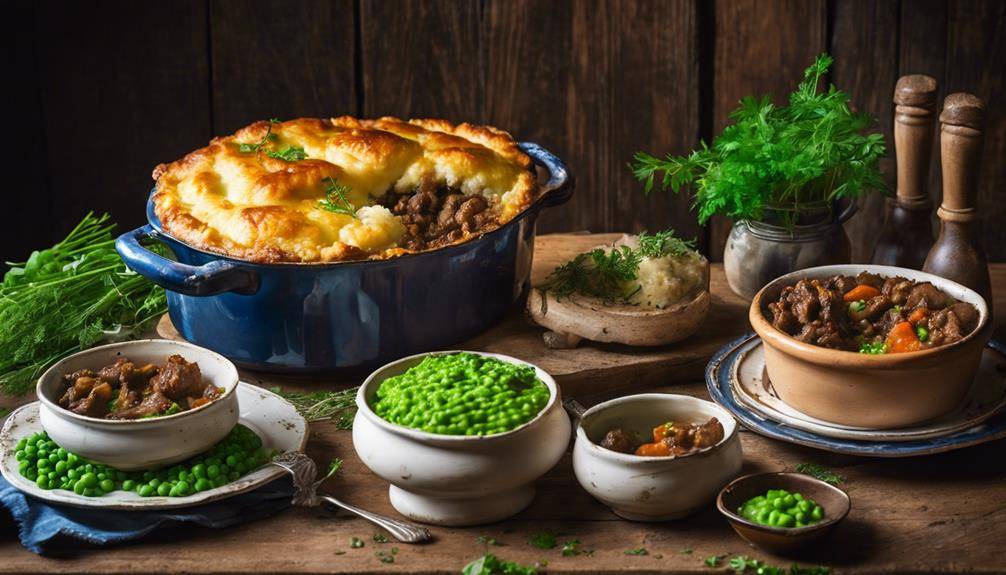
Your Guide To Cooking Traditional English Meals: Cooking traditional English meals involves mastering a few key ingredients and techniques. Start with fresh herbs like thyme and rosemary, and don't forget quality meats. A classic English breakfast is a must-try, featuring eggs, bacon, sausages, and baked beans. Hearty main dishes, such as shepherd's pie or meat pies, deliver comfort and flavor. Classic side dishes like Yorkshire pudding complement your meals perfectly. Finish with sweet treats like bread and butter pudding. Each recipe has its unique charm that reflects England's culinary heritage. Keep that in mind, and you'll uncover more delightful recipes along the way.
Essential Ingredients for English Cooking
Click Here and Turn Every Masterpiece into a Showstopper!
When it comes to cooking traditional English meals, having the right ingredients is key to capturing the authentic flavors. You'll want to start by stocking up on British herbs, which play a vital role in many classic dishes. Thyme, rosemary, and parsley are staples that can elevate your cooking, adding depth and character to your meals. Don't overlook the importance of fresh herbs; they can make a significant difference in taste.
Next, consider regional specialties that define various parts of England. For example, if you're aiming to recreate a delicious Cornish pasty, you'll need good quality beef and root vegetables, like potatoes and swede. Meanwhile, a Yorkshire pudding requires a simple batter of flour, eggs, and milk, but it's the quality of those ingredients that will make it truly special.
Also, pay attention to the meats you choose. Traditional English cooking often features lamb, beef, and chicken, each with its own unique preparation methods and flavor profiles. Using locally sourced ingredients can yield the best results, as they reflect the region's distinct culinary traditions.
Lastly, don't forget about dairy products. Cream, butter, and cheese are integral to many dishes, adding richness and texture. By focusing on these essential ingredients—British herbs and regional specialties—you'll be well on your way to mastering traditional English cooking. So gather your ingredients, and let the flavors of England inspire your next meal!
Classic English Breakfast
A classic English breakfast is a hearty way to start your day, brimming with a variety of delicious components. This iconic meal typically includes eggs, bacon, sausages, baked beans, tomatoes, and toast, but you can easily explore breakfast variations to suit your taste.
To prepare this breakfast, you'll want to master a few essential cooking techniques. Start with the sausages and bacon, frying them in a pan until golden and crispy. The rendered fat will also flavor your eggs, so consider cooking them in the same skillet. You can opt for fried, scrambled, or poached eggs, depending on your preference.
While the meat cooks, heat up baked beans on the stove, and grill or fry halved tomatoes until they're slightly caramelized. Toast your bread until it's perfectly golden brown, ready to soak up the flavors of the meal. For an extra touch, consider adding mushrooms or black pudding to the mix, as they're common in some breakfast variations.
Once everything is cooked, plate it up and enjoy the satisfying array of flavors and textures. A classic English breakfast isn't just a meal; it's a delightful experience that can set a positive tone for your day. So, gather your ingredients, use these cooking techniques, and relish in the art of creating a traditional English breakfast that'll leave you feeling energized and ready to tackle whatever comes your way.
Hearty Main Dishes
When you think of hearty main dishes in traditional English cuisine, classic meat pies and traditional roast dinners come to mind. You can't forget the comforting warmth of flavorful stews and casseroles that bring everyone together. Let's explore these satisfying meals that are sure to please your taste buds.
Classic Meat Pies
Classic meat pies are a beloved staple in English cuisine, offering a comforting blend of flaky pastry and hearty fillings. You can trace the meat pie history back to the Middle Ages when they were often filled with meats and spices to preserve the ingredients. Over time, these pies evolved into the delicious creations you enjoy today.
As you explore classic meat pies, you'll find an array of regional variations that reflect local ingredients and tastes. For instance, the Cornish pasty is a famous variant, filled with beef, potatoes, and swede, while the shepherd's pie uses minced lamb topped with creamy mashed potatoes. In Yorkshire, you might come across the savory steak and kidney pie, a favorite among locals.
Making your own meat pie can be a rewarding experience. Start by preparing a rich filling with your choice of meat, vegetables, and seasonings. Then, encase it in a buttery pastry and bake until golden brown. Serve it warm, and you'll have a hearty meal that warms the soul and showcases the rich culinary heritage of England. Enjoy every bite of this classic dish!
Traditional Roast Dinners
There's nothing quite like a traditional roast dinner to bring family and friends together around the table. This beloved meal is a staple of Sunday traditions in many English households. Picture succulent cuts of meat, crisp Yorkshire puddings, and an array of colorful vegetables, all harmoniously brought together in one hearty feast.
When it comes to roast variations, you've got plenty of options. From classic roast beef and tender lamb to succulent chicken and flavorful pork, each meat brings its unique charm. Don't forget to season your roast well and let it rest before serving to guarantee maximum flavor and tenderness.
Accompany your roast with creamy mashed potatoes, rich gravy, and seasonal vegetables like carrots, peas, or Brussels sprouts. And of course, Yorkshire puddings are a must! These fluffy delights soak up the gravy perfectly and add to the overall experience.
Whether you're hosting a big family gathering or enjoying a quiet meal at home, a traditional roast dinner is a delicious way to celebrate Sunday traditions and create lasting memories. So, gather your loved ones and dig into this comforting culinary experience!
Flavorful Stews and Casseroles
Stews and casseroles are the heart of comfort food, offering warmth and flavor in every bite. These dishes are perfect for chilly evenings when you crave something hearty and satisfying. With a focus on slow cooking, you can allow the ingredients to meld together, creating rich, hearty flavors that make your meal unforgettable.
Start with a base of quality meat or vegetables, then add in aromatic herbs and spices. Classic English options include beef stew, lamb casserole, or even a vegetarian option packed with root vegetables. The key to a great stew or casserole lies in patience; let it simmer away, stirring occasionally, allowing the flavors to develop and deepen.
Don't forget to serve your dish with some crusty bread or creamy mashed potatoes to soak up all that delicious sauce. You can also experiment with toppings like cheese or breadcrumbs for added texture. Whether it's a family gathering or a cozy night in, these flavorful stews and casseroles will warm your heart and fill your belly, making them a staple in your cooking repertoire. Enjoy diving into these delightful dishes that embody the essence of traditional English meals!
Traditional Side Dishes
Side dishes play an essential role in traditional English meals, enhancing the overall dining experience with their rich flavors and comforting textures. When you think of classic accompaniments, Yorkshire puddings and bubble and squeak immediately come to mind. These dishes not only complement the main course but also bring a touch of tradition to the table.
Yorkshire puddings are a must-have, especially when you're enjoying a Sunday roast. Made from a simple batter of eggs, flour, and milk, they puff up beautifully in the oven, creating a light and airy texture. You can serve them drizzled with gravy, allowing the puddings to soak up the delicious flavors. It's hard to resist a warm Yorkshire pudding alongside your roast beef!
Bubble and squeak, on the other hand, is a fantastic way to use up leftover vegetables. Typically made from a mix of mashed potatoes and any available greens, this dish is pan-fried until crispy and golden. The name comes from the bubbling and squeaking sounds it makes while cooking. This hearty side pairs wonderfully with fried eggs or sausages, making it a versatile addition to your meal.
Incorporating these traditional side dishes into your cooking not only honors English culinary heritage but also adds a wholesome touch to your dining experience. So, whether it's a cozy family dinner or a festive gathering, Yorkshire puddings and bubble and squeak are sure to please everyone at the table.
Click Here and Turn Every Masterpiece into a Showstopper!
Iconic Desserts
When it comes to iconic desserts, you can't overlook classic British puddings that warm the heart. Treacle tart variations offer a sweet twist that's hard to resist, while scones served with clotted cream create a perfect afternoon treat. Let's explore these delightful options that showcase the best of England's sweet offerings.
Classic British Puddings
Classic British puddings are a delightful culmination of any traditional meal, offering a sweet finish that's hard to resist. Among the most beloved are bread and butter pudding and summer puddings, each showcasing the essence of British dessert culture.
Bread and butter pudding is a comforting dish that transforms stale bread into a rich, creamy treat. You layer buttered slices of bread with raisins and pour a luscious custard over it before baking. The golden crust and soft, custardy interior make it a family favorite.
On the other hand, summer puddings celebrate the vibrant flavors of seasonal berries. You'll layer fresh, juicy fruits like raspberries, strawberries, and blackberries between slices of bread soaked in their own juices. After chilling, you'll find a revitalizing, fruity dessert that captures the spirit of summer.
Both puddings reflect the heart of British cooking—simple ingredients turned into something extraordinary. So, whether you're enjoying the warmth of bread and butter pudding or the revitalizing bite of summer puddings, you'll find that these classic desserts are the perfect way to end any meal. Treat yourself and your loved ones to these iconic British delights!
Treacle Tart Variations
Treacle tart, a quintessentially British dessert, has delighted taste buds for generations with its sweet, sticky filling and crisp pastry. While the traditional version showcases a beautiful balance of golden syrup, breadcrumbs, and lemon juice, you can easily experiment with variations to suit your tastes or dietary needs.
One option is to use alternative sweeteners like honey or maple syrup instead of golden syrup. These options add their unique flavors and can make the tart slightly healthier. If you're looking for a gluten-free twist, try substituting regular breadcrumbs with ground almonds or gluten-free breadcrumbs. This change will create a nutty texture that pairs wonderfully with the rich filling.
For a fruity flair, consider adding fresh berries or even a layer of jam underneath the treacle filling. The tartness of the fruit complements the sweetness perfectly. You might also want to experiment with spices, such as ginger or cinnamon, to give your treacle tart a warm, cozy aroma.
No matter how you choose to modify it, treacle tart remains a beloved dessert that invites creativity while honoring its traditional roots. Enjoy the process of making it uniquely yours!
Scones and Clotted Cream
Scones and clotted cream are a staple of British afternoon tea, offering a delightful contrast to the sweet richness of desserts like treacle tart. When you think of scones, you might picture the classic plain variety, but there are plenty of scone variations to explore. From fruity versions like blueberry and cranberry to savory options like cheese and chive, the choices are endless.
To make the perfect scone, start with a simple dough made from flour, butter, sugar, and milk. You can fold in your preferred ingredients to create unique flavors. Once your scones are baked to a golden perfection, it's time to serve them with clotted cream. This thick, luscious cream is a must-have accompaniment, elevating your scone experience.
To enjoy, cut your warm scone in half, spread a generous layer of clotted cream, and add your favorite jam on top. The combination of the crumbly scone, rich cream, and sweet jam is simply divine. So, gather your ingredients, experiment with scone variations, and indulge in this quintessential British delight during your next afternoon tea. You won't regret it!
Tips for Perfecting Recipes
When you're aiming to perfect traditional English recipes, paying attention to detail can make all the difference. Start by mastering essential cooking techniques. Whether you're roasting, baking, or stewing, understanding the right temperature and timing is vital. For instance, a perfect roast beef requires a high initial temperature to create a crust, followed by a lower temperature for even cooking.
Next, don't hesitate to experiment with ingredient substitutes. If you can't find self-raising flour for your scones, you can use all-purpose flour combined with baking powder. This flexibility allows you to adapt recipes to what you have on hand without compromising the final dish's authenticity. Also, consider the quality of your ingredients; fresh, seasonal produce will elevate your meals immensely.
Another tip is to taste as you go. This not only helps you adjust seasoning but also gives you a deeper understanding of how flavors develop throughout the cooking process. Remember, traditional recipes often come from family kitchens, so don't be afraid to add a personal touch while respecting the core elements.
Click Here and Turn Every Masterpiece into a Showstopper!
Frequently Asked Questions: Your Guide To Cooking Traditional English Meals
What Are the Best Cooking Tools for Traditional English Meals?
When you're preparing traditional English meals, invest in a good cast iron skillet for even cooking. Don't forget essential baking tools like a rolling pin and measuring cups to perfect your pies and pastries.
How Can I Substitute Ingredients in English Recipes?
To substitute ingredients in English recipes, try ingredient swaps like using Greek yogurt for cream or vegetable broth instead of stock. These changes can lead to flavor enhancements, making your dish healthier without sacrificing taste.
Are There Vegetarian Options for Classic English Dishes?
Absolutely, you can find vegetarian adaptations for classic recipes! Dishes like shepherd's pie can use lentils instead of meat, while veggie versions of toad-in-the-hole and Yorkshire pudding are also delicious alternatives. Enjoy experimenting with flavors!
How Do I Properly Store Leftover English Meals?
To properly store leftover meals, let them cool down, then transfer them into airtight containers. This guarantees meal preservation, preventing spoilage. Label them with dates for easy leftover storage, and consume within a few days.
What Beverages Pair Well With Traditional English Food?
When enjoying traditional English food, you should consider pairing it with various tea varieties like Earl Grey or English Breakfast, and beer styles such as bitters or stouts to enhance the flavors of your meal.

Conclusion
Now that you're equipped with the essentials of traditional English cooking, it's time to bring these recipes to life in your kitchen. Whether you're frying up a classic breakfast or indulging in a rich dessert, each dish tells a story of England's culinary heritage. Don't be afraid to experiment and add your own twist! With practice and passion, you'll master these comforting meals and impress your family and friends with your newfound skills. Happy cooking!