Nine Essential Tips For The Best Perfect Slow Cooking
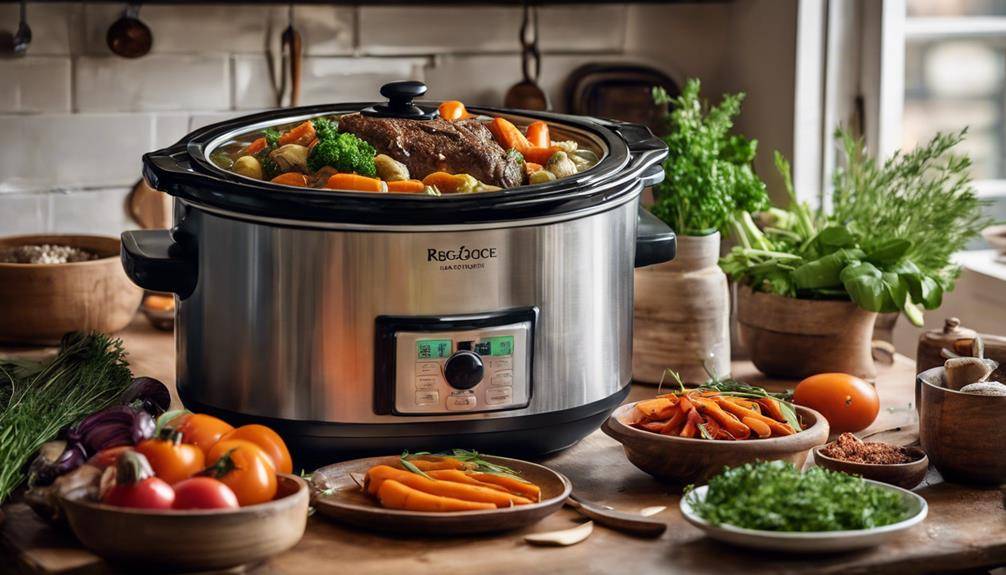
Tips For The Best Perfect Slow Cooking; To master slow cooking, start by choosing the right slow cooker that fits your needs. Select quality, fresh ingredients for the best flavor. Layer your ingredients properly; start with liquids and add hearty components first. Understand cooking times, using a meat thermometer to check doneness. Experiment with flavors by adjusting seasoning and herbs. Monitor the temperature to guarantee safe cooking without opening the lid too often. Clean your cooker regularly for longevity, and don’t hesitate to try new recipes. These tips will boost your slow cooking game, and there’s so much more to explore to enhance your meals!
Choose the Right Slow Cooker
Choosing the right slow cooker can make all the difference in your culinary adventures. With various slow cooker types available, it’s important to think about what fits your needs best. You’ve got options like traditional, programmable, and multi-cookers. Each type serves unique purposes, so reflect on how you plan to use it.
Size considerations are significant too. If you often cook for a large family or entertain guests, a larger model might be ideal. Conversely, if you’re cooking for one or two, a smaller cooker will suffice and often be more energy-efficient. Speaking of energy efficiency, look for slow cookers that use less electricity to save on bills while you simmer those delicious meals.
Programmable features can simplify your cooking process. Many models allow you to set cook times and temperatures, so you can enjoy your day without worrying about overcooking. Just remember to follow safety tips, like verifying the cooker is on a stable surface and never leaving it unattended for too long.
When comparing brands, think about their reputation for durability and performance. Read reviews to help you make informed decisions. Recipe compatibility is also important; verify your chosen slow cooker can handle the dishes you love.
Lastly, don’t overlook maintenance tips. Regularly clean your cooker and check for any wear and tear to extend its life. With these considerations, you’ll be well on your way to selecting the perfect slow cooker for your kitchen.
Select Quality Ingredients
When preparing a delicious slow-cooked meal, selecting quality ingredients sets the foundation for great flavor. Start by choosing fresh produce. Seasonal ingredients not only taste better but also guarantee you’re getting the best nutrition. Visit local farmers’ markets or grocery stores that prioritize local sourcing. This way, you can support ethical farming practices while enjoying the freshest fruits and vegetables available.
Next, focus on quality proteins. Whether you’re opting for chicken, beef, or plant-based options, make sure they come from reputable sources. Look for organic options when possible, as these often come from animals raised in healthier conditions, which can enhance the overall taste of your dish.
Don’t overlook the importance of aromatic herbs and spice selection. Fresh herbs elevate any recipe, infusing it with vibrant flavors. If fresh isn’t available, dried herbs can work, but be mindful of their potency—often, less is more. When it comes to spices, choose whole spices when you can, as they deliver richer flavors than pre-ground varieties.
Layer Ingredients Properly
When you’re layering ingredients in your slow cooker, start with the liquids to guarantee even cooking. Next, add hearty items like meats and root vegetables, which can withstand longer cooking times. Finally, layer in delicate ingredients such as herbs and greens, so they maintain their flavor and texture.
Start With Liquids First
Starting your slow cooking journey with liquids sets the foundation for flavorful dishes. When you begin with liquid types like broth, stock, or even wine, you allow the ingredients to meld beautifully as they cook. These liquids not only prevent your food from drying out but also infuse the other ingredients with rich flavors.
To master layering techniques, pour your chosen liquid into the bottom of your slow cooker first. This helps create a steamy environment, ensuring even cooking throughout. If you’re using a thicker sauce, consider mixing it with a bit of water or broth to achieve the right consistency.
Add Hearty Ingredients Next
After you’ve added your liquids, it’s time to layer in the hearty ingredients. Begin with sturdy vegetables like carrots, potatoes, and onions, which hold up well during the long cooking process. Next, include your protein choices, such as beef, chicken, or beans. These not only add substance but also absorb the flavors from the liquids, enhancing your dish.
Don’t forget to sprinkle in flavor boosters like garlic, herbs, and spices. These will deepen the taste and make your meal irresistible. Consider incorporating seasonal ingredients for freshness and to keep your meals exciting throughout the year. For instance, use squash in the fall or fresh greens in the spring.
As you layer, think about texture contrasts. Combine creamy ingredients like cheese with crunchy elements such as nuts or seeds. This balance can elevate your dish, making it more satisfying. Depending on your cooking style, you might choose to create regional dishes, drawing inspiration from cuisines around the world. Finally, layering hearty ingredients effectively is key for meal prep, ensuring everything cooks evenly and flavors meld beautifully. Enjoy the process and watch your slow cooker work its magic!
Layer Delicate Items Last
How can you guarantee your dish maintains its integrity? One key strategy is to use proper layering techniques, especially when it comes to delicate ingredients. When slow cooking, the order in which you add your ingredients greatly impacts the final texture and flavor. By layering delicate items last, you protect them from the aggressive heat at the bottom of the pot.
Start with hearty ingredients like root vegetables and meats, as they can withstand the longer cooking times. After those have had a chance to build flavor and soften, it’s time to add your more fragile components, such as leafy greens, herbs, or dairy products. These delicate ingredients need less cooking time and can easily turn mushy if exposed to too much heat.
To effectively implement these layering techniques, consider adding your delicate items in the last 30 minutes of cooking. This approach guarantees they retain their shape, flavor, and nutritional value. By being mindful of the order in which you layer your ingredients, you can create perfectly cooked dishes that showcase the best of each component. Your slow-cooked meals will never be the same!
Understand Cooking Times
To get the best results in slow cooking, you need to grasp the cooking time guidelines. Remember, the size of your ingredients plays a vital role in how long they take to become tender and flavorful. By understanding these factors, you can better plan your meals and avoid undercooking or overcooking your dishes.
Cooking Time Guidelines
Understanding cooking times is vital for achieving perfectly cooked meals in your slow cooker. Slow cookers generally operate on low and high settings, with typical cooking times ranging from 4 to 10 hours. On the low setting, most dishes will require about 6 to 8 hours, while high settings usually cut that time to 3 to 5 hours. It’s important to stick to these cooking time guidelines to guarantee your meal turns out just right.
If you find yourself pressed for time, you might consider temperature adjustments. Switching from low to high can greatly reduce cooking time, but be cautious—this can alter the texture or flavor of your dish if not done thoughtfully. Remember, some ingredients, like tougher cuts of meat, benefit from longer cooking times to break down connective tissues, while delicate foods, like vegetables, may need less time to prevent mushiness.
Always check for doneness before serving. Using a meat thermometer can help you verify that meats reach safe internal temperatures. Following these cooking time guidelines will help you master the art of slow cooking and serve delicious, well-prepared dishes every time.
Ingredient Size Matters
When it comes to slow cooking, ingredient size plays a crucial role in determining how long your meal takes to cook. Larger pieces of meat or vegetables require more time to break down, while smaller cuts will cook faster. So, if you want your dish to be ready at the same time, consider your cutting techniques. For instance, chopping carrots into small cubes will help them cook evenly with larger chunks of meat.
Ingredient variety also affects cooking times. Different ingredients have distinct textures and moisture content, influencing how they react to heat. For example, potatoes take longer to become tender compared to zucchini. To achieve a harmonious dish, combine ingredients with similar cooking times, or stagger their addition to the slow cooker.
If you want to speed up the process, don’t hesitate to use smaller cuts or even pre-cooked ingredients. Remember, consistency is key; try to cut your ingredients to a similar size to guarantee even cooking. By paying attention to ingredient size and variety, you’ll master the timing of your slow-cooked meals and enjoy delicious results every time.
Use the Right Liquids
Choosing the right liquids is essential for a successful slow-cooked meal. The liquid types you select can notably impact the dish’s final taste and texture. Start by considering broth options, like chicken, beef, or vegetable broth, which can enhance the overall flavor balance. Don’t forget to think about the acidity levels of the liquids you’re using. Ingredients like tomatoes or vinegar can add depth but should be balanced with milder choices to prevent overpowering the dish.
When determining liquid ratios, keep in mind that slow cooking retains moisture well. You won’t need as much liquid as you might think, so be cautious not to drown your ingredients. A good rule of thumb is to cover the ingredients just enough to allow for proper cooking without excess.
Different cooking methods also influence the amount and type of liquid you should use. For example, if you’re using a slow cooker, it’s generally best to stick with less liquid, as the sealed environment prevents evaporation. Consider the ingredient pairings, too; pairing hearty meats with robust broths can create a rich flavor, while lighter ingredients might benefit from a splash of white wine or citrus juice for brightness.
Ultimately, the right liquids set the stage for a delicious slow-cooked meal, enhancing texture and flavor while ensuring your dish turns out perfectly tender and satisfying.
Avoid Opening the Lid
Throughout the cooking process, it’s vital to resist the temptation to open the lid of your slow cooker. Each time you lift that lid, you disrupt the carefully controlled lid temperature, which can lead to uneven cooking. This disruption affects steam retention, significant for maintaining moisture control. When the lid is removed, steam escapes, and the cooking consistency can suffer, resulting in unevenly cooked ingredients.
Opening the lid can also hinder flavor infusion. The slow cooker relies on a closed environment to allow ingredients to interact and meld their flavors. When you peek inside, you break that interaction, weakening the depth of taste you could achieve. Additionally, the heat distribution becomes less effective when you interrupt the cooking process, as it takes time for the slow cooker to regain its ideal temperature.
Another downside to lifting the lid is the loss of those delightful cooking aromas. The scents build up inside the cooker, creating a delicious anticipation that you don’t want to miss out on. Instead of opening the lid, trust the slow cooking method to do its job. Set a timer, and use it as a reminder to resist the urge to look inside. This patience will pay off in the end, yielding tender, flavorful meals that showcase the magic of slow cooking. Stick to the plan, and let your slow cooker work its wonders without interruption.
Seasoning Techniques
Properly seasoning your dishes is essential for enhancing the flavors in slow cooking. To achieve that perfect flavor balance, you’ll want to master various seasoning techniques. Start with salt adjustments; they’re vital for bringing out the natural tastes of your ingredients. Remember, it’s easier to add salt later than to take it away, so begin with a little and taste as you go.
Next, focus on your spice combinations. Ground spices can lose their potency over time, so add them at different points during the cooking process for maximum impact. For example, add heartier spices like cumin and coriander early on, while more delicate spices like paprika should be added afterward.
Herb selections are just as important. Fresh herbs can be added near the end of cooking to retain their vibrant flavors, while dried herbs can be introduced earlier for flavor layering. Don’t forget about acidity levels; a splash of vinegar or citrus juice can brighten your dish and balance richness.
To enhance umami richness, consider ingredients like mushrooms, tomatoes, or soy sauce, which can deepen the flavor profile. Finally, keep seasoning timelines in mind. Layering flavors throughout the cooking process allows each component to develop, leading to a more complex and satisfying dish. By following these techniques, you’ll elevate your slow-cooked meals to a whole new level of deliciousness.
Adjust for Size Variations
When it comes to slow cooking, adjusting for size variations in your ingredients can make a significant difference in the final outcome. If you’re using larger cuts of meat or bigger vegetables, you’ll need to make size adjustments to guarantee everything cooks evenly. For instance, if you throw in whole potatoes, they’ll take longer to become tender compared to smaller, diced pieces. To achieve maximum cooking efficiency, cut your ingredients into uniform sizes. This way, everything absorbs flavors and cooks through at a similar rate.
Additionally, consider how size affects the cooking time. A thick stew with large chunks of meat may require longer than a dish with finely diced ingredients. If you’re unsure, check the recipe guidelines for cooking times based on size variations. Remember to keep an eye on your dish as it cooks, adjusting the time as necessary.
Don’t forget about the size of your slow cooker itself. A smaller cooker may not accommodate larger batches, leading to uneven cooking or overflows. On the flip side, a larger cooker can dry out smaller portions. Always match the size of your ingredients to your slow cooker to guarantee cooking efficiency and delicious results.
Plan for Leftovers
When you plan for leftovers, you’re not just saving time; you’re maximizing your slow cooking efforts. Batch cooking can lead to versatile meals that keep your menu exciting while minimizing waste. Plus, you’ll want to know the best storage tips to keep your food fresh and ready to enjoy later.
Batch Cooking Benefits
Batch cooking offers numerous benefits, especially when it comes to planning for leftovers. By dedicating a day to meal prep, you can enjoy significant time savings throughout the week. Imagine coming home after a long day to a fridge stocked with delicious meals, ready to heat up and serve. This cost efficiency helps you save money, as cooking in bulk often reduces waste and allows you to buy ingredients in larger quantities.
With the right recipes, you can enhance flavors, ensuring each meal is satisfying. Portion control becomes easier, letting you manage servings for everyone in the family without the hassle. Plus, the health benefits of preparing your meals can’t be overlooked; you’ll have control over ingredients and portion sizes.
The convenience factor of batch cooking means less daily stress, giving you more time to focus on family bonding. You can even involve your loved ones in the prep process, making it a fun activity that strengthens connections. Finally, having a variety of options on hand keeps mealtime exciting, ensuring that leftovers don’t feel repetitive. Embrace batch cooking, and you’ll find your mealtime experience transformed!
Versatile Recipe Ideas
Planning for leftovers can be a game changer in your kitchen, especially when you have versatile recipes at your disposal. Consider creating dishes that lend themselves to various global cuisines. For example, a basic slow-cooked chicken can be transformed into tacos, stir-fries, or even a hearty soup with just a few tweaks.
Using seasonal ingredients not only enhances flavor but also allows you to enjoy fresh produce while keeping your meals diverse. If you’ve made a big batch of roasted vegetables, they can easily be repurposed into a warm grain salad, a frittata, or a comforting pasta dish.
Don’t shy away from experimenting with spices and sauces to keep your leftover meals exciting. A simple beef stew can morph into a spicy curry or a savory shepherd’s pie with minimal effort.
Storage Tips Provided
Proper storage is essential for maximizing the lifespan and flavor of your slow-cooked meals. After enjoying a delicious dinner, you’ll want to guarantee those leftovers stay fresh and tasty for days to come. Begin by allowing your food to cool down to room temperature. This helps prevent condensation, which can lead to sogginess.
When it comes to food storage, choose the right container types. Glass containers are great for leftovers because they’re non-reactive and microwave-safe. If you’re looking for something more lightweight, BPA-free plastic containers work well too. Just make sure they’re airtight to keep your meals from absorbing unwanted odors.
Label each container with the date you cooked the meal. This way, you’ll know how long it’s been stored and can enjoy your leftovers within a safe timeframe—generally up to four days in the refrigerator. For longer storage, consider freezing your meals in portion-sized containers. Just remember to leave some space for expansion as the food freezes. With these tips, you can savor every bite of your slow-cooked creation, turning leftovers into convenient, flavorful meals later on.
Keep It Simple
When it comes to slow cooking, simplicity often leads to the most satisfying results. You don’t need elaborate recipes or hard-to-find ingredients to create delicious meals. In fact, mastering the slow cooker basics can make meal prep a breeze. Focus on a few quality ingredients, and let the slow cooker do the heavy lifting for you.
Start with proteins like chicken, beef, or beans. These options hold up well during long cooking times and infuse your dish with rich flavors. Next, add a variety of vegetables. Root vegetables like potatoes, carrots, and onions are great choices because they meld beautifully with the other ingredients. You can also throw in some herbs and spices to elevate your dish without complicating it.
One of the best aspects of slow cooking is the ability to prepare meals in advance. You can chop your ingredients the night before, store them in the fridge, and then toss everything into the slow cooker in the morning. This simple act of preparation can save you time and stress during busy weekdays.
Avoid the temptation to add too many components. A few well-chosen ingredients will shine through, creating a meal that’s hearty and flavorful. Keep your method straightforward, and remember that sometimes less is more. By keeping it simple, you’ll find that you can enjoy a variety of delicious slow-cooked meals without the fuss.
Experiment With Flavors
Slow cooking opens the door to a world of flavor possibilities, allowing you to experiment with various herbs, spices, and sauces. To truly elevate your dishes, start by playing with spice combinations. Try blending sweet and savory spices to create a unique seasoning profile. For example, a touch of cinnamon can enhance a savory stew, while a hint of chili powder adds depth.
Don’t forget about flavor balancing. It’s all about the right ingredient pairings. Consider using aromatic herbs like thyme, rosemary, or basil to create a fragrant foundation. As you layer flavors, remember to taste test frequently. This helps you adjust heat levels and guarantees your dish meets your preferences.
When experimenting, don’t hesitate to make ingredient substitutions. If a recipe calls for one type of bean, try another variety to see how it changes the overall flavor. Cultural influences can guide your choices too; for instance, adding soy sauce or ginger can impart an Asian twist to your meals.
As you get comfortable with flavor layering, think about how different seasonings work together. You might discover that a dash of vinegar or citrus can elevate your dish by cutting through richness. By embracing this spirit of experimentation, you’ll not only enhance your slow-cooked meals but also develop your palate and cooking skills. So, roll up your sleeves, grab your spices, and let your culinary creativity run wild!
Monitor Temperature
To guarantee your slow-cooked meals turn out perfectly, you need to monitor the cooking temperature closely. Ideal cooking temperatures vary depending on the type of meat, so using a meat thermometer is essential. This way, you’ll confirm that your dishes are both safe and delicious.
Ideal Cooking Temperatures
Cooking at the right temperature is essential for achieving tender, flavorful dishes in your slow cooker. Understanding the ideal temperature ranges can greatly impact your meal prep. Generally, low settings operate around 190°F to 210°F, while high settings reach 300°F to 310°F. Cooking safety is paramount, so make sure that your food reaches these temperatures to prevent harmful bacteria growth.
When you use appropriate temperatures, you’re enhancing food texture and flavor. Slow cooking at lower temperatures allows for moisture retention, which makes meats and vegetables incredibly tender. Plus, ingredient compatibility plays a critical role—some foods, like root vegetables, benefit from longer cooking times, while others, like delicate greens, require less time.
For serving suggestions, consider how temperature affects the overall dish. If you want a rich, savory stew, cooking on low will meld the flavors beautifully. Conversely, if you’re short on time, the high setting can still yield delicious results—but keep an eye on the texture. By mastering ideal cooking temperatures, you’ll create perfect slow-cooked meals every time.
Use a Meat Thermometer
Using a meat thermometer is a reliable way to secure your dishes reach the right internal temperature, enhancing both safety and flavor. When you cook meat, achieving the correct meat doneness is essential not only for taste but also for food safety. Undercooked meat can harbor harmful bacteria, while overcooked meat can become dry and unappetizing.
To validate thermometer accuracy, insert the probe into the thickest part of the meat, avoiding bones and fat, which can give false readings. For best results, check the temperature toward the end of the cooking time, but don’t wait too long; you want to catch it at the right doneness. Familiarize yourself with the ideal temperatures for various meats—160°F for ground meats, 145°F for whole cuts of beef, pork, and lamb, and 165°F for poultry.
Don’t just rely on cooking times; every piece of meat is different, and factors like size and shape can affect cooking. By using a meat thermometer, you’ll not only secure your meals are safe to eat but also achieve that perfect juicy texture every time. So, make this tool your best friend in the kitchen!
Clean and Maintain Your Cooker
Regularly cleaning and maintaining your slow cooker guarantees it operates efficiently and lasts for years. Start by establishing a maintenance schedule. After each use, clean the removable parts using effective cleaning techniques, such as soaking them in warm, soapy water. This simple step prevents food residue buildup and helps maintain cooker safety.
For deep cleaning, check your user manual for specific instructions. Pay attention to elements like the lid and heating element. If you notice any wear and tear, consider parts replacement to confirm appliance longevity. Additionally, regularly inspect the power cord for any damage, as this could pose safety risks.
Remember to store your slow cooker safely. Keep it in a dry, cool place to avoid moisture buildup, which can impact its energy efficiency. When you’re not using it, verify it’s unplugged to prevent any accidental activation.
If you encounter issues, consult troubleshooting tips in your user manual. Many common problems can be resolved easily, saving you time and money.
Try New Recipes
Exploring a variety of new recipes can elevate your slow cooking experience to a whole new level. You’ve got a fantastic tool at your fingertips, and trying out different dishes allows you to immerse yourself in cuisine exploration like never before. Don’t hesitate to step outside your comfort zone; instead, embrace the chance to discover new flavors and techniques.
Start by researching different cuisines. Whether it’s Italian, Mexican, or Thai, each offers unique flavor pairings that can transform your meals. For instance, consider a spicy chili that combines beans, tomatoes, and an array of spices, or a rich beef stew featuring tender chunks of meat, fresh herbs, and root vegetables. Each recipe brings its own twist, ensuring that your slow cooker isn’t just producing the same old meals.
When trying new recipes, pay attention to how ingredients complement each other. Experiment with unexpected flavor pairings. You might find that adding a splash of citrus or a hint of sweetness can elevate a dish beyond your expectations. Plus, don’t shy away from customizing recipes to suit your taste. Swap out proteins or add seasonal vegetables to make the dish your own.
Lastly, keep a journal of your culinary adventures. Note what works and what doesn’t, and tweak recipes as you go. This not only helps you refine your skills but also serves as a source of inspiration for future meals. So, get excited and let your slow cooker take you on a delicious journey of discovery!
Frequently Asked Questions: Tips For The Best Perfect Slow Cooking
Can I Use Frozen Meat in My Slow Cooker?
You shouldn’t use frozen meat in your slow cooker for safety reasons. Thaw it first to guarantee even cooking. Slow cookers offer great benefits, but starting with thawed meat enhances flavor and texture.
How Do I Convert Traditional Recipes for Slow Cooking?
To convert traditional recipes for slow cooking, focus on slow cooker adaptations. Adjust cooking times, reduce liquid amounts, and consider ingredient substitutions to enhance flavors. Experiment to find the perfect balance for your dish!
What’s the Best Way to Reheat Slow-Cooked Meals?
To reheat slow-cooked meals effectively, use reheating techniques like the stovetop or microwave. These methods guarantee meal preservation while maintaining flavor. Just stir occasionally to keep everything evenly heated and delicious. Enjoy your meal!
Can I Cook Pasta in a Slow Cooker?
Yes, you can cook pasta in a slow cooker! Use proper pasta cooking techniques by adding it towards the end of the cooking time to avoid mushiness. Enjoy delicious slow cooker pasta without any hassle!
How Do I Prevent My Slow Cooker From Burning Food?
To prevent your slow cooker from burning food, adjust the slow cooker settings and guarantee proper food layering. Place denser ingredients at the bottom, and avoid overfilling, which can lead to uneven cooking and burning.

Conclusion
By following these nine essential tips, you’ll elevate your slow cooking game and create delicious meals every time. Remember to choose the right slow cooker, layer your ingredients thoughtfully, and don’t hesitate to experiment with flavors. Keep an eye on cooking times and maintain your equipment for the best results. So, gather your ingredients, get inspired, and enjoy the process of slow cooking. You’re bound to impress yourself and anyone lucky enough to share your meals!
If you enjoyed exploring this topic and want to dive even deeper, be sure to check out some of our other articles here on Infinite Flavors. From rich culinary histories to creative twists on classic recipes, there’s always something new to discover. Whether you’re curious about the origins of a dish, looking for fresh inspiration in the kitchen, or simply love learning about food culture, our collection of posts is the perfect next step on your flavor journey.
The 5 Best Methods To Cook Traditional Irish Dishes
8 Amazing Healthy Slow Cooker Recipes For Nutritious Meals
11 Great Essential Tips For Slow Cooking Vegetables