The 5 Best Methods To Cook Traditional Irish Dishes

Best Methods To Cook Traditional Irish Dishes; To cook traditional Irish dishes, you’ll want to master these 5 methods. Start with boiling and simmering for rich flavors, perfect for starchy potatoes and root veggies. Baking soda bread offers authentic taste—just mix simple ingredients and bake until golden. Sautéing and stir-frying keep flavors vibrant, ideal for meats and hearty vegetables. Use slow cooking for classics like beef and Guinness stew; it’s effortless and full of flavor. Finally, roasting enhances natural tastes, creating delicious caramelized finishes. Explore these techniques further, and you’ll reveal the secrets to truly authentic Irish cuisine.
Boiling and Simmering Techniques
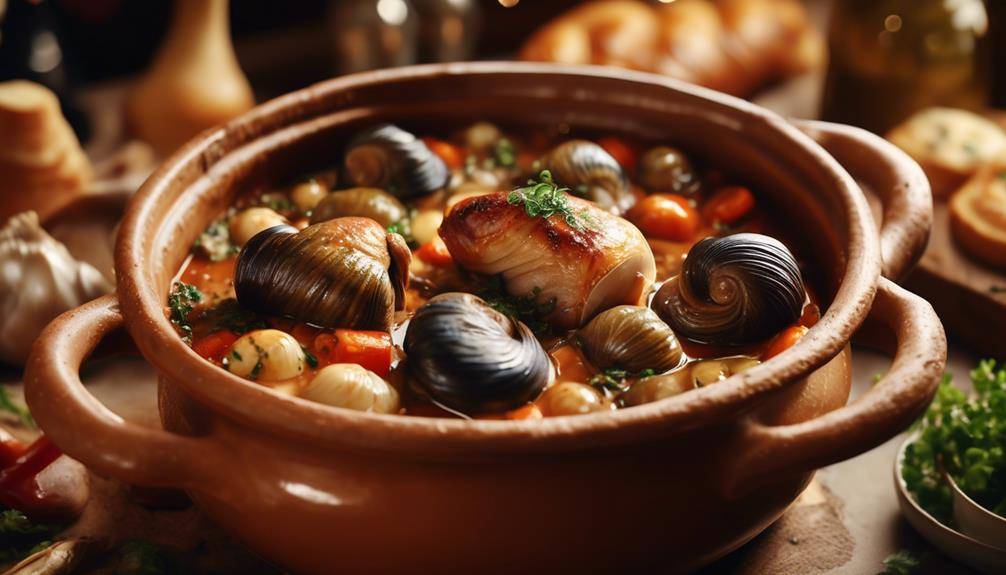
Boiling and simmering are essential techniques for cooking traditional Irish dishes, as they help develop rich flavors while guaranteeing ingredients are tender and fully cooked. When you’re preparing classic meals like Irish stew or colcannon, these methods are your best friends. Start with potato preparation; choose starchy varieties like Russets or Yukon Golds, as they break down nicely and create a creamy texture. Peel and chop them into even pieces, which guarantees they cook uniformly.
Next, consider your vegetable selection. Root vegetables like carrots and parsnips are staples in Irish cooking. Cut them into similar-sized chunks to maintain even cooking. When you’re ready to boil, place the potatoes and veggies in a large pot, cover them with cold water, and add a pinch of salt. Bring the water to a rolling boil, then reduce the heat to a gentle simmer. This method allows the flavors to meld beautifully without losing nutrients.
Keep an eye on the cooking time—potatoes typically take about 15-20 minutes, while heartier vegetables might need a bit longer. You’ll know they’re done when you can easily pierce them with a fork. Once everything is cooked, drain the excess water and incorporate your favorite seasonings or creamy additions. This simple yet effective technique not only highlights the natural flavors of your ingredients but also lays the foundation for a hearty, comforting Irish meal that’s sure to impress.
Baking Traditional Irish Bread
When it comes to baking traditional Irish bread, you’ll find that simplicity and quality ingredients are key to achieving that authentic taste. Two iconic varieties to try are soda bread and brown bread. Both are staples in Irish households and can be easily made at home.
To make soda bread, you’ll need just four basic ingredients: flour, baking soda, salt, and buttermilk. Start by preheating your oven to 425°F (220°C). In a large bowl, mix the dry ingredients, then create a well in the center and pour in the buttermilk. Gently combine the mixture until it forms a soft dough. Remember, over-kneading can toughen the bread, so just work it enough to bring it together. Shape the dough into a round loaf, place it on a baking sheet, and score a deep cross on top. Bake for about 30 minutes, or until it sounds hollow when tapped.
Brown bread, on the other hand, uses wholemeal flour, which gives it a nutty flavor and denser texture. The process is similar: mix wholemeal flour, baking soda, salt, and buttermilk. You can also add ingredients like oats or seeds for extra texture and flavor.
Both breads are best enjoyed warm, slathered with butter or served alongside a hearty Irish stew. Baking these traditional breads not only connects you to Ireland’s culinary heritage but also fills your kitchen with the comforting aroma of freshly baked bread. Enjoy the process, and don’t hesitate to experiment with your favorite variations!
Sautéing and Stir-Frying Methods
Sautéing and stir-frying are two quick and flavorful cooking methods that bring out the best in traditional Irish dishes. These techniques allow you to create vibrant meals while preserving the integrity of the ingredients. By using high heat, you’ll infuse your dishes with intense flavors and textures, making even the simplest ingredients shine.
When you’re sautéing, you’re using a small amount of fat, like butter or oil, in a hot pan. This method works wonders for cooking meats, seafood, and even hearty vegetables. Start by heating your pan until it’s sizzling, then add your chosen fat. Once it’s hot, toss in your ingredients, giving them space to cook evenly. You’ll want to use proper sautéing techniques, like keeping the food moving in the pan, to achieve that beautiful golden color and prevent burning.
On the other hand, stir frying vegetables is fantastic for creating colorful, nutrient-packed dishes. This method requires a bit more oil and a wok or a deep pan. Heat the oil until it shimmers, then add your chopped vegetables, stirring constantly. You’ll want to cook them quickly to retain their crunch and vibrant colors. Try incorporating traditional Irish ingredients, like cabbage or carrots, for a delicious twist.
Both sautéing and stir-frying are effective ways to deliver quick meals packed with flavor. With these methods in your cooking repertoire, you’ll elevate your traditional Irish dishes to new heights.
Slow Cooking Classics
Slow cooking brings out the rich, hearty flavors of traditional Irish dishes, making it a beloved method for crafting comforting meals. Using a slow cooker transforms tough cuts of meat into tender bites, infusing them with the aromatic essence of herbs and spices. You can prepare classic Irish dishes like beef and Guinness stew, where the deep, dark stout melds beautifully with the meat and vegetables over hours of gentle cooking.
Simply toss your ingredients into the slow cooker in the morning, set it to low, and let it work its magic while you go about your day. The result? Hearty stews that are not just filling, but bursting with flavor. You might even find the aroma wafting through your home is the best part of the experience, drawing everyone to the kitchen long before dinner time.
For a twist, consider using root vegetables like potatoes, carrots, and parsnips; they absorb the flavors and add a hearty texture to your stews. You can also incorporate traditional Irish ingredients such as cabbage for added depth.
Whether you’re preparing a big family meal or simply craving something warm and satisfying, slow cooking is the way to go. You’ll appreciate the convenience and the rich results, making it a staple method for any Irish dish in your kitchen. Don’t hesitate to experiment with different meats and seasonings; every slow cooker creation can be a new culinary adventure!
Roasting for Rich Flavors
Roasting brings a different but equally satisfying approach to cooking traditional Irish dishes, enhancing the natural flavors of ingredients with a beautifully caramelized exterior. When you roast, you’re not just cooking; you’re creating depth and complexity in every bite. One of the secrets to a successful roast is the use of herb infusions. Whether you’re preparing a succulent leg of lamb or a hearty root vegetable medley, infusing your cooking oil with herbs like rosemary, thyme, or parsley can elevate your dish dramatically.
As you prepare your ingredients, think about flavor pairings. For instance, lamb pairs wonderfully with garlic and mint, while root vegetables like carrots and parsnips harmonize beautifully with honey and thyme. This is where roasting shines—bringing out the sweetness of these veggies while allowing their flavors to meld together.
Don’t forget to use a roasting pan that allows heat circulation for even cooking. Basting your meat or vegetables halfway through the cooking process can further enhance that golden, crispy finish. If you want to get adventurous, consider adding a splash of Irish stout or cider to your roasting pan, creating a rich sauce that complements your dish perfectly.
Incorporating roasting into your cooking repertoire not only diversifies your meals but also allows you to enjoy the warm, comforting essence of traditional Irish cuisine in a whole new way. Enjoy the process and savor the results!
Frequently Asked Questions: Best Methods To Cook Traditional Irish Dishes
What Are the Essential Spices for Traditional Irish Cooking?
In traditional Irish cooking, you’ll find common spice blends like salt, pepper, and thyme. Explore regional spice variations, too, as different areas may incorporate unique herbs or spices, enhancing your culinary experience and flavors.
Can I Substitute Ingredients in Traditional Irish Recipes?
You can definitely substitute ingredients in traditional Irish recipes. Ingredient swapping opens up exciting recipe variations, letting you tailor dishes to your taste or dietary needs while still capturing the essence of Irish cuisine. Enjoy experimenting!
How Do I Properly Store Leftover Irish Dishes?
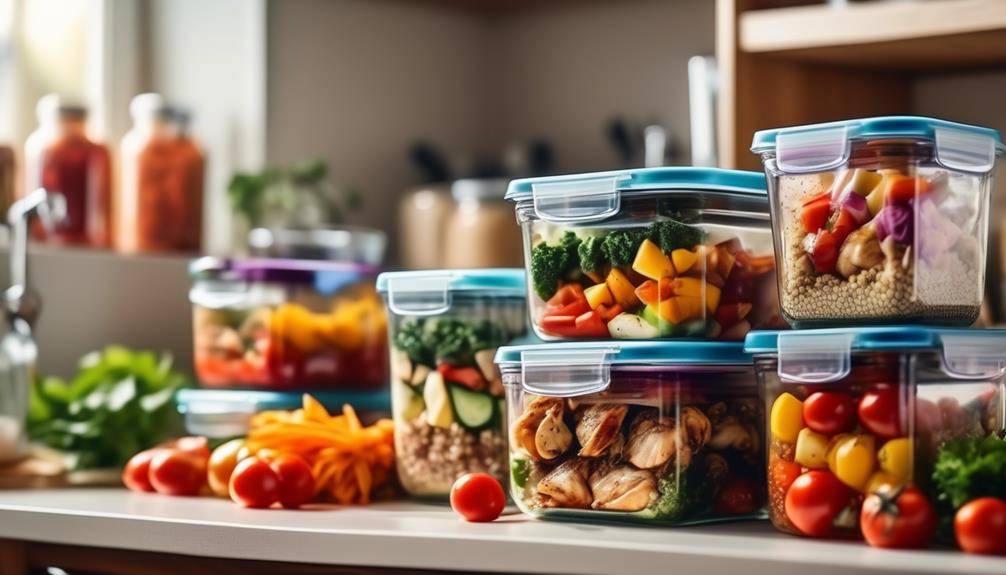
To properly store leftover Irish dishes, cool them quickly, then place in airtight containers. For reheating, use the microwave or oven, ensuring they reach a safe temperature. This keeps flavors intact and minimizes waste.
What Utensils Are Best for Cooking Irish Food?
When cooking Irish food, you’ll find a cast iron skillet essential for even heating. A wooden spoon’s perfect for stirring, ensuring you don’t scratch your cookware while blending those rich flavors together seamlessly.
Are There Any Vegetarian Versions of Traditional Irish Dishes?
Yes, you can find vegetarian adaptations of traditional Irish dishes. Try using Irish herbs like parsley and thyme to enhance flavors in dishes like colcannon or stew, making them hearty and satisfying without meat.

Conclusion
Incorporating these cooking methods into your kitchen can elevate your traditional Irish dishes like never before. Whether you’re boiling hearty stews, baking fresh soda bread, or slow-cooking classic favorites, each technique brings out the rich flavors of Irish cuisine. Don’t hesitate to experiment with sautéing or roasting to create your own twist on beloved recipes. So grab your ingredients, roll up your sleeves, and get ready to savor the warmth and comfort of homemade Irish meals!
If you enjoyed exploring this topic and want to dive even deeper, be sure to check out some of our other articles here on Infinite Flavors. From rich culinary histories to creative twists on classic recipes, there’s always something new to discover. Whether you’re curious about the origins of a dish, looking for fresh inspiration in the kitchen, or simply love learning about food culture, our collection of posts is the perfect next step on your flavor journey.
Four Easy Steps To Cook Classic Hungarian Dishes
8 Easy Steps To Perfect Traditional Polish Cuisine
Three Great Essentials Of American Southern Cuisine For Beginners