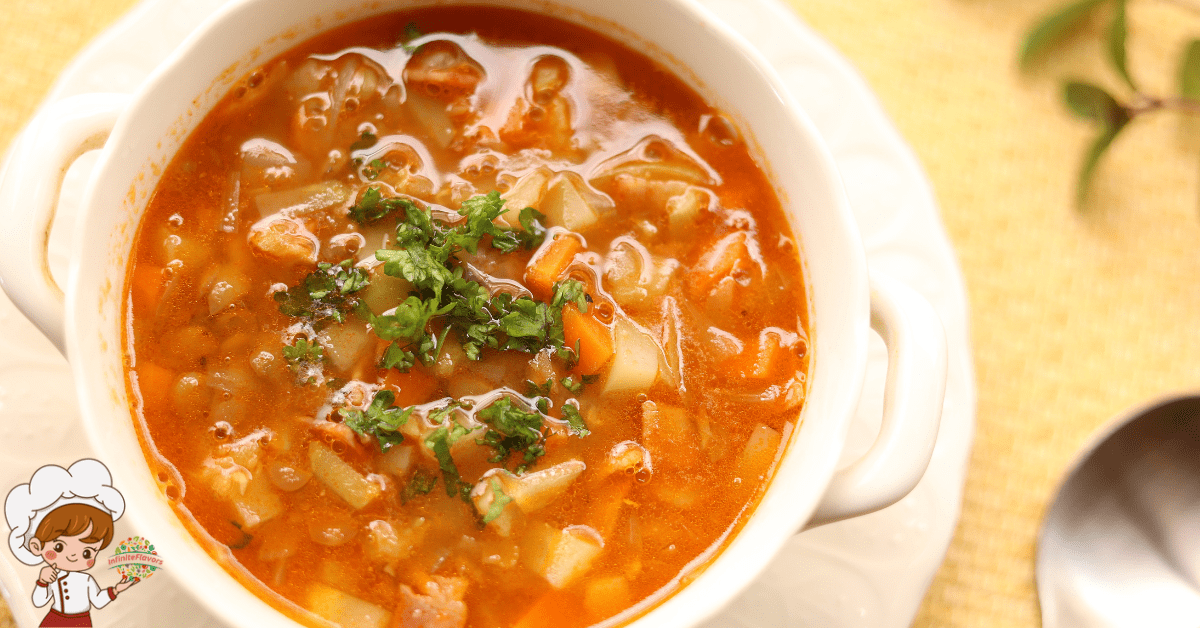
Four Easy Steps To Cook Classic Hungarian Dishes
Easy Steps To Cook Classic Hungarian Dishes; To cook classic Hungarian dishes, start by gathering high-quality ingredients like paprika and fresh meats. Next, master essential cooking techniques such as sautéing and slow cooking to build rich flavors. As you prepare your dish, balance spices carefully; taste often to guarantee harmony. Finally, focus on presentation with rustic dishes and delightful garnishes. These steps will enhance the authenticity of your Hungarian meals, inviting you to discover the rich tradition behind each dish. Stick around for tips on variations and flavor enhancement to elevate your cooking even further!
Understanding Hungarian Ingredients
When you immerse yourself in Hungarian cuisine, you’ll quickly realize that the ingredients play a crucial role in creating its distinctive flavors. Hungarian chilies, known for their vibrant color and varying levels of heat, are a cornerstone of many dishes. You’ll often find paprika, made from ground sweet or spicy chilies, taking center stage in stews, soups, and even as a garnish. This ingredient not only adds flavor but also imparts that signature red hue that characterizes many classic Hungarian meals.
In addition to chilies, traditional spices like caraway seeds, black pepper, and bay leaves contribute to the depth of flavor in Hungarian cooking. Caraway seeds, with their unique aromatic profile, are commonly used in savory breads and cabbage dishes, enhancing their earthy tones. Black pepper adds a subtle heat, while bay leaves lend a fragrant note to long-simmering dishes.
When you’re preparing Hungarian dishes, it is important to source high-quality ingredients. Freshness can dramatically alter the taste, so seek out local markets or specialty shops that carry authentic Hungarian chilies and spices. This commitment to quality will help you replicate the true essence of Hungarian flavors in your cooking.
Understanding these ingredients equips you to explore a variety of traditional recipes, allowing you to appreciate the rich culinary heritage of Hungary. With every dish you create, you’ll find that the right mix of these elements can transport you straight to the heart of Hungarian culture.
Essential Cooking Techniques
When cooking classic Hungarian dishes, mastering essential techniques can elevate your meals. You’ll want to focus on sautéing to develop rich flavors, balancing spices for that authentic taste, and perfecting slow cooking methods to enhance tenderness. Each of these skills plays a vital role in creating the hearty, satisfying dishes Hungary is famous for.
Sautéing for Flavor Development
Sautéing is your secret weapon for revealing deep, rich flavors in classic Hungarian dishes. When you harness the right sauté techniques, you can unveil a depth of flavor that transforms everyday ingredients into something extraordinary. Start by heating a pan over medium-high heat and adding a good amount of oil or fat. This guarantees your ingredients won’t stick and will develop a beautiful golden crust.
Once the oil shimmers, it’s time to add your aromatics like onions, garlic, or bell peppers. These ingredients are essential for building the foundation of flavor profiles. Stir them frequently to prevent burning and encourage even cooking. As they soften, they release their natural sugars, which caramelize and enhance the overall taste.
Next, introduce your proteins or vegetables. Make sure not to overcrowd the pan; give each piece enough room to sear properly. This technique helps develop the Maillard reaction, which creates complex flavors. Remember, patience is key—let those ingredients sizzle and brown. By mastering sautéing, you’ll elevate your Hungarian dishes, making them rich, savory, and unforgettable.
Balancing Spices and Seasoning
Building on the rich flavors developed through sautéing, balancing spices and seasoning is vital for achieving the authentic taste of Hungarian cuisine. You’ll want to pay close attention to your spice balance. Start with traditional spices like paprika, caraway seeds, and black pepper. Each has its unique flavor profile, and knowing how to combine them will elevate your dishes.
When it comes to seasoning ratios, remember that a little goes a long way. Begin with small amounts and adjust gradually. Taste as you go; this is essential for finding the right ingredient harmony. You can always add more, but it’s tough to fix over-seasoned food.
Consider the overall flavor profiles of your dish. For instance, if you’re making gulyás, the warmth of paprika should shine, while balancing with a hint of heat from cayenne or chili powder. This approach guarantees that no single spice overwhelms the others.
Ultimately, your goal is to create a symphony of flavors that dance together on the palate. By mastering spice balance and seasoning ratios, you’ll make classic Hungarian dishes that truly sing.
Mastering Slow Cooking Techniques
Slow cooking is an essential technique in Hungarian cuisine that allows flavors to meld beautifully while tenderizing tougher cuts of meat. By using a slow cooker, you can take advantage of its convenience and efficiency. The slow cooker advantages are numerous: it saves time, keeps your kitchen cool, and can enhance the depth of flavor in your dishes.
When you prepare traditional goulash, for instance, start by browning your meat to develop rich flavors. Then, toss it into the slow cooker with onions, garlic, paprika, and other spices. This method allows the ingredients to simmer together for hours, resulting in a hearty and delicious meal. You’ll find that the longer cooking time helps break down tough fibers in the meat, making it melt-in-your-mouth tender.
Don’t forget to add veggies like carrots and potatoes, which will absorb all those savory juices. As the hours pass, you’ll notice the aroma filling your home, promising a delightful feast. Mastering slow cooking techniques not only elevates your Hungarian dishes but also transforms your cooking experience. Enjoy the process, and savor the results!
Step-by-Step Recipe Guide
Now that you’ve mastered essential cooking techniques, it’s time to get hands-on with a step-by-step recipe guide. You’ll explore the key ingredients, learn the specific cooking methods, and discover great serving suggestions to elevate your dishes. Let’s make your classic Hungarian meal come to life!
Essential Ingredients Overview
When cooking classic Hungarian dishes, knowing the essential ingredients can make all the difference. Start with different paprika types, as they’re the heart of many recipes. You’ll want to stock up on sweet, hot, and smoked paprika to create the rich flavor profiles typical of Hungarian cuisine.
Next, focus on meat selection. Traditional dishes often feature pork, beef, or chicken, so choose high-quality cuts for the best results. Don’t forget about vegetable varieties—onions, tomatoes, and peppers are staples that add depth to your meals.
Incorporate dairy products like sour cream, which enhance flavors and provide a creamy texture. Traditional breads, such as lángos or pogácsa, are essential for meal presentation. Regional differences in Hungary may influence ingredient choice, but they all contribute to the same beloved dishes.
Always consider seasonal ingredients; they’ll elevate your dishes and keep them fresh. Finally, make sure you have the right cooking utensils handy, like a heavy pot or a wooden spoon, to help you achieve authentic results. With these essentials, you’re well on your way to creating delightful Hungarian meals!
Cooking Techniques Explained
Mastering classic Hungarian dishes involves understanding key cooking techniques that transform simple ingredients into flavorful meals. One of the most iconic dishes you’ll encounter is goulash, which has a rich goulash history rooted in Hungarian culture. To start, you’ll want to use a sturdy pot for slow cooking, allowing the flavors to meld beautifully. Begin by sautéing onions until they’re golden, then add your chosen meat, letting it brown on all sides.
Next, the real magic happens with the paprika. Familiarize yourself with the different paprika varieties, as each brings a unique depth to the dish. Sweet paprika is commonly used, but you might also experiment with smoked paprika for an added twist. Once your meat is browned, stir in the paprika, and be sure to coat the meat evenly.
Add in chopped tomatoes, peppers, and a splash of broth, then cover and simmer. The slow cooking process is essential—allow the goulash to simmer gently for at least an hour. This technique not only tenderizes the meat but also enhances the flavor, resulting in a hearty dish that’s quintessentially Hungarian. Enjoy your journey into traditional cooking!
Serving Suggestions Ideas
After preparing a rich goulash, it’s important to contemplate how to serve it for maximum enjoyment. Start by considering your plating techniques. A rustic bowl enhances the hearty nature of goulash, while a flat plate can elevate the meal presentation.
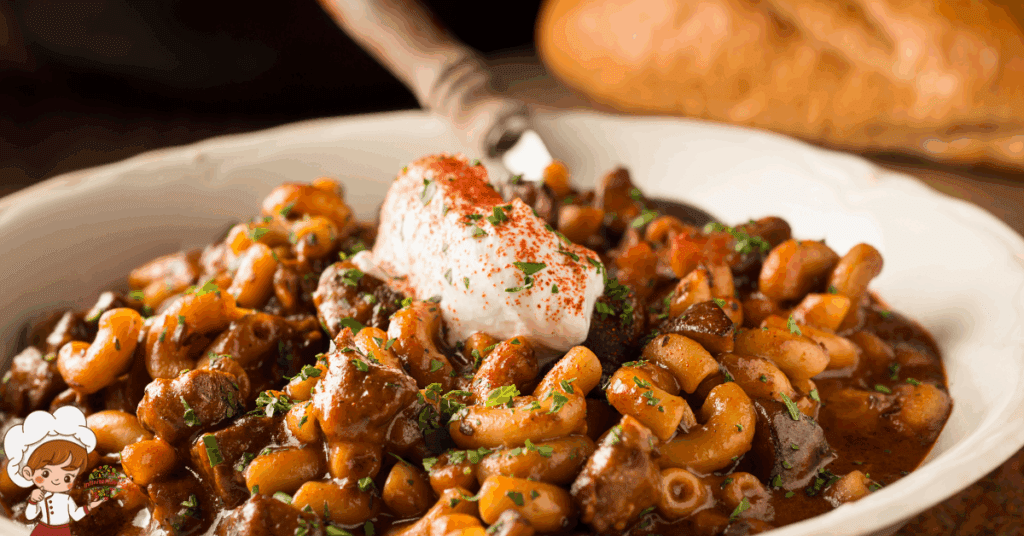
For garnish ideas, sprinkle fresh parsley or a dollop of sour cream on top to add color and richness. Serving sizes can vary; aim for generous portions that invite seconds, especially during festive occasions when sharing is the norm.
Pair your goulash with traditional Hungarian drinks like Tokaji wine or cold beer to complement the flavors. If you’re feeling adventurous, a splash of pálinka can also add a unique twist.
For a true cultural experience, consider family style servings. Bring the goulash to the table in a large pot, allowing guests to serve themselves. This approach not only enhances the meal’s communal feel but also encourages conversation and connection.
Ultimately, focus on how the presentation reflects the warmth and hospitality of Hungarian culture. By thoughtfully considering these elements, you’ll create an inviting atmosphere that enhances your dining experience.
Cooking Time and Temperature
Cooking classic Hungarian dishes requires careful attention to time and temperature to guarantee that flavors meld beautifully and textures are just right. Each dish has its own specific cooking methods, and knowing the right time to cook is vital for achieving that authentic taste. For example, when preparing goulash, you’ll want to let it simmer for at least two hours. This slow cooking allows the beef to become tender and the spices to develop fully.
Temperature control plays a significant role in your cooking. If you cook at too high a temperature, you risk toughening the meat or burning the spices. Conversely, cooking at too low a temperature may result in undercooked ingredients, leaving your dish lacking in flavor. For dishes like chicken paprikash, starting with a high heat to brown the chicken, then reducing it allows the ingredients to cook evenly and absorb those rich flavors.
Don’t forget to check on your dishes periodically. Stirring occasionally not only helps prevent sticking but also allows you to gauge if the cooking time needs adjusting. Remember, every stove behaves differently, so you might need to tweak the time slightly based on your equipment.
Serving Suggestions and Pairings
When it comes to serving classic Hungarian dishes, presentation and pairing can elevate the dining experience. Start by choosing the right serving dishes; vibrant ceramic or wooden platters can highlight the rich colors of your meal. For meal presentation, consider using layers to showcase the dish’s textures, such as placing a hearty goulash atop a bed of fluffy dumplings.
Garnish options play a crucial role in enhancing these dishes. Fresh herbs like parsley or dill can add a pop of color and freshness, while a dollop of sour cream provides a creamy contrast to spicy flavors. When it comes to portion sizes, aim to serve generous helpings that invite seconds, especially during family gatherings or festive occasions.
Drink pairings can greatly enhance your dining experience. Traditional Hungarian wines, like Tokaji or Bull’s Blood (Egri Bikavér), complement the bold flavors of the cuisine beautifully. If you’re serving a lighter dish, consider pairing it with a revitalizing Hungarian fruit brandy, like pálinka, which can cleanse the palate between bites.
Tips for Flavor Enhancement
Enhancing the flavors of classic Hungarian dishes can take your culinary creations to the next level. To achieve this, focus on herbal infusions and flavor layering, which are essential techniques in Hungarian cuisine. Start by incorporating fresh herbs like dill, parsley, and thyme into your dishes. These herbs not only add depth but also brighten the overall flavor profile. Infuse your oils or broths with these herbs before adding them to your recipes for a more robust taste.
Next, consider the order in which you layer flavors. Sauté onions and garlic first to build a savory base, then add spices like paprika and caraway seeds. This method allows the spices to bloom, releasing their essential oils and enhancing their flavors. Don’t forget to taste as you go; adjusting seasoning at various stages can make a significant difference.
Using stock instead of water when cooking grains or soups can also elevate your dishes. Stock carries more flavor and richness, resulting in a more satisfying meal. Additionally, try incorporating a splash of vinegar or a squeeze of lemon juice at the end of cooking. This brightens the dish and balances the flavors perfectly.
Lastly, let your dish rest before serving. Allowing flavors to meld together will result in a more harmonious taste. By mastering herbal infusions and flavor layering, you’ll create authentic Hungarian dishes that are bursting with flavor and sure to impress your guests.
Variations of Classic Dishes
Hungarian cuisine is rich with variations that reflect regional ingredients and personal preferences, allowing you to explore a wide range of flavors and textures. When it comes to goulash variations, you can find everything from the classic beef version to creative adaptations using pork or chicken. If you’re looking for a lighter option, consider a vegetarian goulash that swaps meat for hearty vegetables like mushrooms and bell peppers.
Paprika is a cornerstone of Hungarian dishes, but there are paprika substitutes you might use if you don’t have the real thing. Smoked paprika or even a mix of cayenne and sweet paprika can add a nice kick.
Dumpling styles also vary across the country; you might try nokedli, a soft egg noodle, or the hearty potato dumplings known as gombóc. These can accompany stews, which have numerous adaptations depending on local produce and tastes.
Speaking of stews, don’t hesitate to experiment with different ingredients in your favorite recipes. For example, adding lentils to a traditional meat stew can enhance both flavor and nutrition, while still keeping that comforting essence.
Lastly, explore traditional desserts like chimney cake and strudel. Each region has its own take, showcasing diverse flavors. You’ll find that Hungarian cuisine embraces these regional differences, ensuring that there’s always something new to discover, whether you’re indulging in comforting favorites or seeking out vegetarian options. Enjoy the journey!
Storing and Reheating Leftovers
After enjoying those delicious classic Hungarian dishes, you’ll likely have some leftovers to savor later. Proper leftover storage is vital to maintain food safety and flavor retention. Start by allowing your dishes to cool down before you put them in the fridge or freezer. Use airtight containers or resealable bags to minimize air exposure, which can lead to spoilage.
When it comes to portion control, consider dividing your leftovers into single or family-sized servings. This way, you can easily grab just what you need without having to thaw the entire batch. For longer storage, freezing is a great option. Just remember to label your containers with the date so you can keep track of how long they’ve been stored.
For reheating methods, you have several options. Microwaving is quick and convenient, but it can sometimes lead to uneven heating. If you want to preserve the texture and flavor of your Hungarian dishes, try reheating in the oven or on the stovetop. Just add a splash of water or broth to prevent drying out, especially for dishes like gulyás or pörkölt.
Always check the temperature when reheating to verify it reaches a safe level, ideally 165°F (74°C). By following these tips, you can enjoy your classic Hungarian leftovers while guaranteeing safety and maintaining the delicious flavors that made them so enjoyable in the first place.
Frequently Asked Questions: Easy Steps To Cook Classic Hungarian Dishes
What Are the Most Popular Hungarian Dishes to Try First?
If you’re exploring Hungarian cuisine, start with goulash, stuffed peppers, and chimney cake. These dishes showcase traditional ingredients like paprika and regional variations, offering a delicious introduction to Hungary’s rich culinary heritage. Enjoy the flavors!
Are There Any Vegetarian Versions of Classic Hungarian Recipes?
Yes, you can find vegetarian versions of classic Hungarian recipes! Try vegetarian goulash, which replaces meat with hearty vegetables, or stuffed peppers filled with rice and spices. They’ll satisfy your cravings for authentic flavors without meat.
How Can I Find Authentic Hungarian Recipes Online?
You can find authentic Hungarian recipes online by exploring recipe sources like blogs and cooking forums. Look for posts that share cooking techniques specific to Hungarian cuisine, ensuring you capture the true flavors of the dishes.
Is Hungarian Cuisine Spicy or Mild in Flavor?
Hungarian cuisine balances between spicy and mild flavors. You’ll find various paprika varieties that enhance dishes, each offering unique flavor profiles. Embracing these spices will lead you to a delightful culinary adventure in Hungarian cooking!
What Beverages Pair Well With Hungarian Dishes?
When enjoying Hungarian dishes, you’ll love pairing them with local wines like Furmint or Kadarka. Traditional beverages, such as palinka or strong coffee, also complement the flavors beautifully, enhancing your dining experience.

Conclusion
By following these four steps, you’re well on your way to mastering classic Hungarian dishes. Embrace the unique ingredients, refine your cooking techniques, and enjoy the process of creating flavorful meals. Don’t forget to experiment with variations and enhance your dishes with tips for flavor. With a little practice, you’ll impress your friends and family with your culinary skills. So roll up your sleeves and plunge into the rich world of Hungarian cuisine—your taste buds will thank you!
If you enjoyed exploring this topic and want to dive even deeper, be sure to check out some of our other articles here on Infinite Flavors. From rich culinary histories to creative twists on classic recipes, there’s always something new to discover. Whether you’re curious about the origins of a dish, looking for fresh inspiration in the kitchen, or simply love learning about food culture, our collection of posts is the perfect next step on your flavor journey.
How To Spice Up Your Diet Cooking For Weight Loss
Three Key Spices For Authentic Chinese Cuisine
9 Great Pressure Cooker Recipes For Your Potluck