Amazing Meal Prep for Weight Loss for Women
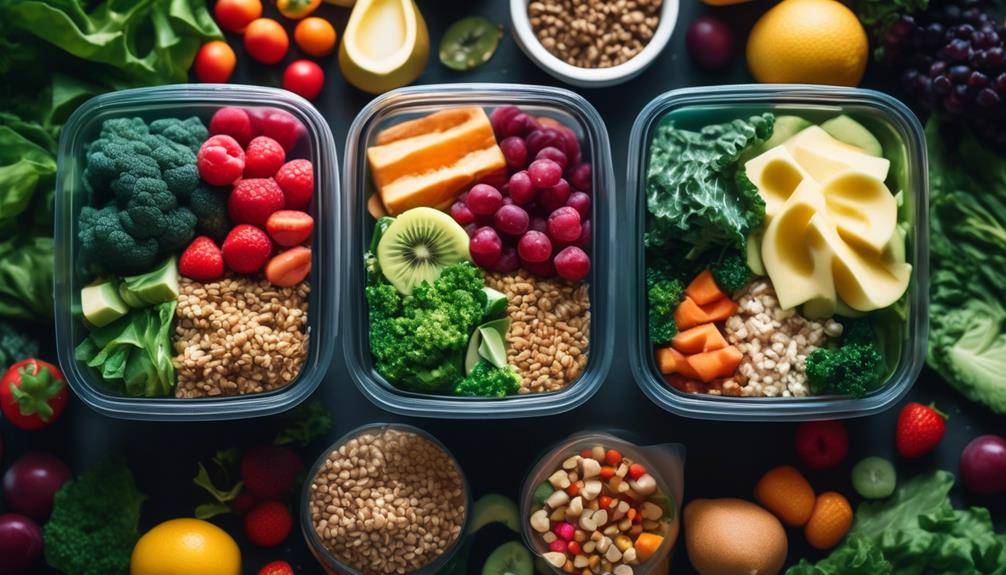
Amazing Meal Prep for Weight Loss for Women; You may be thinking that meal prep for weight loss is just another time-consuming task to add to your already busy schedule. But let me assure you, it’s actually an incredibly effective strategy to help you reach your weight loss goals.
By taking the time to plan and prepare your meals in advance, you can ensure that you have healthy and balanced options readily available, making it easier to resist temptations and make nourishing choices. But that’s just the beginning – there are so many other benefits and strategies to explore. So, if you’re ready to discover the secrets of successful meal prep for weight loss, keep reading to find out how you can simplify your life and achieve lasting results.
Benefits of Meal Prep for Weight Loss
Meal prep for weight loss offers numerous benefits that can greatly support your journey towards achieving your health and fitness goals. The advantages of meal prepping for weight loss are backed by evidence and can provide you with practical solutions to help you stay on track.
One of the key benefits of meal prep is portion control. When you take the time to plan and prepare your meals in advance, you have better control over the ingredients and serving sizes. This can prevent overeating and help you maintain a calorie deficit, which is essential for weight loss.
Another advantage of meal prep is that it saves you time and energy. By dedicating a few hours each week to preparing your meals, you can eliminate the need to cook every day. This not only frees up valuable time but also reduces the temptation to opt for unhealthy, convenient options when you’re pressed for time.
Meal prepping also allows you to make healthier choices. When you plan your meals in advance, you can ensure that they are balanced and nutritious. You can include a variety of fruits, vegetables, whole grains, lean proteins, and healthy fats in your meals, which can support your weight loss goals and overall well-being.
Additionally, meal prep can save you money. By buying ingredients in bulk and cooking in larger quantities, you can reduce your grocery expenses. You can also avoid unnecessary spending on takeout or dining out, as you already have delicious and healthy meals ready to enjoy.
Essential Tools for Successful Meal Prep
After understanding the benefits of meal prep for weight loss, it is important to equip yourself with the essential tools that will ensure your success in this endeavor. One of the key aspects of successful meal prep is organization. By having a well-organized plan in place, you can save time, reduce stress, and increase the likelihood of sticking to your weight loss goals.
To start off, invest in a set of high-quality meal prep containers. These containers should be durable, leak-proof, and microwave-safe. Look for containers that come in various sizes to accommodate different portion sizes and food types. Having a good set of containers will not only help you portion out your meals correctly but also keep them fresh for longer periods of time.
Additionally, having the right tools for meal prep can make the process much more efficient. Consider investing in tools such as a food scale, measuring cups, and spoons. These tools will help you accurately measure ingredients and portion out your meals, ensuring that you are sticking to your calorie goals.
Another essential tool for successful meal prep is a well-designed meal planner or app. This will help you plan your meals in advance, ensuring that you have all the necessary ingredients on hand and can easily track your calorie intake. By having a meal plan in place, you can avoid impulse eating and make healthier choices throughout the week.
Lastly, don’t forget about storage. Having a designated space in your fridge and pantry for your meal prep containers will help keep your meals organized and easily accessible. Consider investing in storage solutions such as stackable containers or airtight bins to maximize space and keep your meals fresh.
Planning Your Meals for the Week
To effectively plan your meals for the week, you need to consider three key points: the menu selection process, portion control strategies, and grocery shopping tips. When selecting your menu, focus on nutrient-dense foods that support weight loss, such as lean proteins, fruits, and vegetables. To ensure portion control, use measuring cups or a food scale to accurately portion out your meals. Lastly, make a detailed grocery list and stick to it, avoiding impulse purchases and unhealthy snacks. By following these points, you can set yourself up for success in your weight loss journey.
Menu Selection Process
When planning your meals for the week, it is important to consider your dietary goals and preferences in order to create a menu that promotes weight loss and fits into your lifestyle. Here are some tips to help you navigate the menu selection process:
- Start by assessing your current eating habits and identifying areas for improvement.
- Research healthy recipe ideas that align with your weight loss goals and taste preferences.
- Make a grocery list based on the ingredients required for your chosen recipes.
- Plan your meals in advance, taking into account your schedule and the time you have available for cooking.
- Consider incorporating a variety of nutrient-dense foods to ensure you’re getting all the necessary vitamins and minerals.
Portion Control Strategies
Effective portion control strategies are essential when planning your meals for the week, as they help you manage your calorie intake and promote weight loss. By incorporating portion control techniques and mindful eating strategies into your meal prep routine, you can ensure that you are consuming the right amount of food to support your weight loss goals.
One effective portion control technique is using smaller plates and bowls. Research has shown that people tend to eat less when they use smaller plates, as it creates an illusion of a fuller plate. Another strategy is to measure your food portions using measuring cups or a food scale. This allows you to have a better understanding of the appropriate serving sizes for different food groups.
Furthermore, practicing mindful eating can also help with portion control. This involves paying attention to your body’s hunger and fullness cues and eating slowly and consciously. By savoring each bite and listening to your body, you can prevent overeating and make more mindful choices.
Grocery Shopping Tips
When planning your meals for the week, it is important to implement effective grocery shopping tips that will help you stay organized and make healthy choices. Here are some smart grocery shopping and time-saving tips to consider:
- Make a list: Before heading to the store, write down the ingredients you need for your planned meals. This will help you stay focused and avoid impulse purchases.
- Shop the perimeter: The outer aisles of the grocery store are typically where the fresh produce, lean meats, and dairy products are located. Stick to these areas to find the healthiest options.
- Buy in bulk: Purchasing items like whole grains, nuts, and frozen fruits and vegetables in bulk can save you money and reduce the number of trips to the store.
- Choose seasonal produce: Seasonal fruits and vegetables are often more affordable and packed with flavor. Plus, they support local farmers and are more sustainable.
- Use grocery delivery services: If time is a constraint, consider using grocery delivery services to have your items conveniently brought to your doorstep.
Preparing Healthy and Balanced Meals
When it comes to preparing healthy and balanced meals for weight loss, there are a few key points to keep in mind. First, focus on portion control by using smaller plates and measuring your ingredients. Second, choose nutrient-dense ingredients such as lean proteins, whole grains, and plenty of fruits and vegetables. Lastly, plan for variety to keep your meals interesting and prevent boredom. By following these points, you can ensure that your meals are both nutritious and satisfying.
Portion Control Tips
To achieve healthy and balanced meals, it is important to practice portion control, ensuring that you are consuming the right amount of food for optimal weight loss. Here are some portion control tips to help you maintain mindful eating habits:
- Use smaller plates and bowls: By using smaller dinnerware, you can trick your brain into thinking you’re eating more than you actually are.
- Measure your portions: Use measuring cups, spoons, or a food scale to accurately portion your meals. This will help you avoid overeating.
- Fill half your plate with vegetables: By filling half of your plate with nutrient-rich vegetables, you can reduce the portion sizes of higher calorie foods.
- Slow down and chew thoroughly: Eating slowly and chewing your food thoroughly can help you feel full and satisfied with smaller portions.
- Plan your snacks: Pre-portion your snacks into individual servings to avoid mindlessly eating large quantities.
Nutrient-Dense Ingredients
To continue building a healthy and balanced meal, it is essential to focus on incorporating nutrient-dense ingredients that provide maximum nutritional value while supporting weight loss goals. Nutrient-dense recipes are an excellent way to achieve this. These recipes are packed with essential vitamins, minerals, and antioxidants, while being lower in calories. When meal prepping, you can use various meal prep hacks to ensure you have a good mix of nutrient-dense ingredients.
Start by including plenty of fruits and vegetables, which are rich in fiber and low in calories. Opt for lean proteins like chicken, turkey, fish, or tofu. Whole grains like quinoa and brown rice are also nutrient-dense options. Lastly, don’t forget healthy fats like avocado, nuts, and seeds. By incorporating these nutrient-dense ingredients into your meal prep, you can enjoy delicious and satisfying meals that support your weight loss goals.
Planning for Variety
In order to create healthy and balanced meals that provide a variety of nutrients, it is important to plan ahead and incorporate a diverse range of ingredients into your meal prep routine. This will not only make your meals more enjoyable and satisfying, but it will also ensure that you are getting all the essential nutrients your body needs for optimal health and weight loss. Here are some meal prep ideas to help you plan for variety:
- Experiment with different grains, such as quinoa, brown rice, and whole wheat pasta.
- Include a variety of protein sources, such as lean meats, poultry, fish, tofu, and legumes.
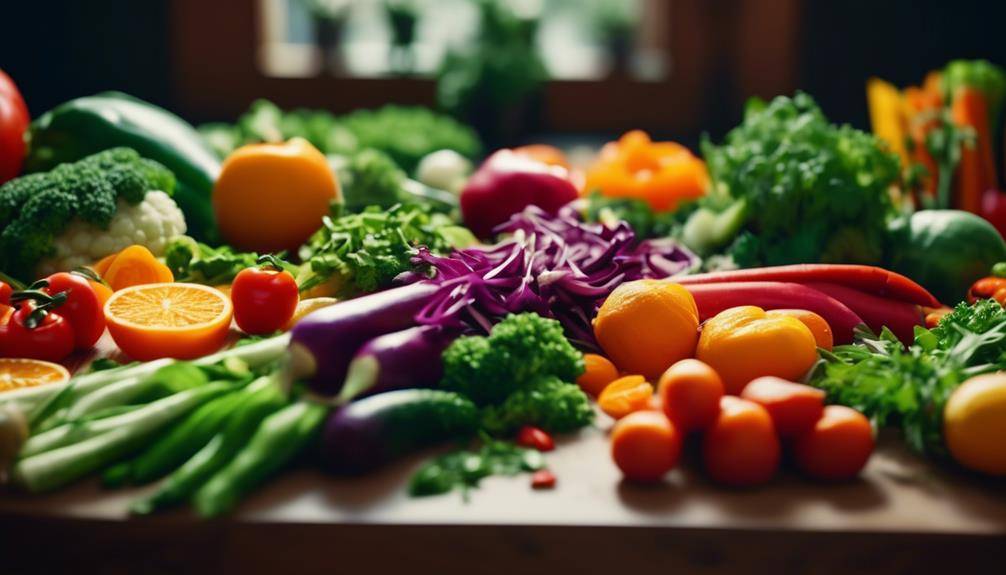
- Incorporate a rainbow of colorful vegetables, like bell peppers, spinach, carrots, and tomatoes.
- Don’t forget about healthy fats! Add avocado, nuts, and olive oil to your meals.
- Use different herbs and spices to add flavor without adding extra calories.
When it comes to meal prep containers, opt for ones that are BPA-free, microwave-safe, and have compartments to keep your food separate. This will help you portion your meals and keep them fresh throughout the week. Planning for variety in your meal prep will not only keep your taste buds happy, but it will also ensure that you are nourishing your body with a wide range of essential nutrients.
Smart Grocery Shopping for Meal Prep
When grocery shopping for meal prep, it’s important to make smart choices that align with your weight loss goals and provide you with nutritious options. Smart shopping not only saves you money but also ensures that you have a well-stocked pantry and fridge to support your healthy eating journey. Here are some practical tips for smart grocery shopping that are budget-friendly and will help you stay on track with your weight loss goals.
First, make a list before heading to the grocery store. This will help you stay focused and avoid impulse purchases. Plan your meals for the week and write down the ingredients you need. Check your pantry and fridge for items you already have to prevent overbuying.
Next, compare prices and look for budget-friendly options. Generic or store brands are often more affordable and offer similar quality compared to their branded counterparts. Buying in bulk is another cost-effective strategy, especially for non-perishable items like grains, legumes, and spices. Consider joining a wholesale club or purchasing from bulk bins at your local grocery store.
Another smart shopping tip is to prioritize whole foods. Fresh fruits and vegetables, lean proteins, whole grains, and healthy fats should be at the top of your shopping list. These nutritious options will provide you with the necessary nutrients while keeping you satisfied and energized.
Lastly, don’t forget to check for sales and discounts. Many grocery stores offer weekly promotions or loyalty programs that can help you save money. Look for in-season produce, as it tends to be more affordable and at its peak freshness.
Time-Saving Tips for Efficient Meal Prep
Once you’ve completed your smart grocery shopping, it’s time to optimize your meal prep process with time-saving tips that will help you efficiently prepare your meals. Meal prep organization is key to saving time and ensuring that you have healthy meals ready to go throughout the week. Here are some time-saving hacks to make your meal prep a breeze:
- Plan your meals in advance: Take a few minutes each week to plan out your meals. This will help you create a shopping list and ensure that you have all the ingredients you need. Planning ahead also allows you to batch cook certain ingredients, such as rice or grilled chicken, which can be used in multiple meals throughout the week.
- Use kitchen tools and gadgets: Invest in time-saving tools like a food processor, slow cooker, or instant pot. These gadgets can significantly cut down your prep time. For example, a food processor can quickly chop vegetables, while a slow cooker or instant pot can cook meals while you focus on other tasks.
- Pre-cut and pre-wash ingredients: Spend some time prepping your ingredients in advance. Wash and chop vegetables, pre-cook grains, and portion out snacks. This way, when it’s time to cook, you can simply grab what you need and start assembling your meals.
- Cook in batches: Instead of cooking one meal at a time, cook in large batches. This allows you to make multiple servings of a dish and store them in individual containers for later use. Not only does this save time, but it also ensures that you always have a healthy meal on hand.
- Use time-saving recipes: Look for recipes that are quick and easy to prepare. There are plenty of meal prep recipes available online that require minimal prep and cooking time. These recipes often use simple ingredients and can be prepared in large quantities.
Storing and Reheating Prepped Meals
To ensure the freshness and quality of your prepped meals, it is important to know the best practices for storing and reheating them. Proper storage and reheating techniques not only help maintain the nutritional value of your meals but also prevent the growth of harmful bacteria. Here are some tips to help you store and reheat your prepped meals effectively.
When it comes to storing your prepped meals, using airtight containers is crucial. These containers help keep your meals fresh and prevent any cross-contamination. Opt for glass or BPA-free plastic containers that seal tightly to ensure the longevity of your meals.
It is recommended to divide your meals into individual portions before storing them. This allows for easy access and helps maintain portion control. Labeling your containers with the date and contents can also be helpful to keep track of the freshness of your meals.
When it comes to reheating your prepped meals, it is important to do so safely. Start by transferring your meal from the storage container to a microwave-safe dish. This helps ensure even heating and prevents any unwanted chemical leaching from the storage container.
When reheating in the microwave, cover your dish to prevent moisture loss and promote even heating. Make sure to stir or rotate your meal halfway through the reheating process to prevent any cold spots. Use a food thermometer to ensure that your meal reaches a safe internal temperature of 165°F (74°C).
If you prefer reheating in the oven, preheat it to the recommended temperature and transfer your meal to an oven-safe dish. Cover the dish with foil to prevent drying out, and reheat until your meal reaches the desired temperature.
Delicious and Nutritious Meal Prep Recipes
To continue your journey towards weight loss, let’s explore some delicious and nutritious meal prep recipes that will keep you satisfied and on track with your goals. Meal prepping is a great way to save time, money, and make healthier choices throughout the week. Here are some meal prep ideas that will help you stay on track:
- Mason Jar Salads: Layer your favorite vegetables, lean protein, and dressing in a mason jar for a quick and easy grab-and-go lunch option. This meal prep hack keeps your salads fresh and prevents them from getting soggy.
- One-Pan Chicken and Vegetables: Preparing a sheet pan meal with chicken and a variety of colorful vegetables is a time-saving meal prep idea. Simply marinate the chicken, chop the vegetables, and roast everything together for a flavorful and nutrient-packed dinner.
- Quinoa Bowls: Cook a big batch of quinoa and portion it into containers. Throughout the week, you can easily create different quinoa bowls by adding various toppings such as roasted vegetables, grilled chicken, avocado, and a drizzle of your favorite sauce.
- Overnight Oats: This meal prep hack is perfect for busy mornings. Combine rolled oats, milk, and your choice of toppings like berries, nuts, or honey in a jar. Refrigerate overnight, and in the morning, you’ll have a delicious and filling breakfast ready to grab and enjoy.
- Egg Muffins: Whisk together eggs, vegetables, and your choice of cheese. Pour the mixture into a muffin tin and bake until set. These individual egg muffins are a protein-packed option for breakfast or a snack.
Expert Tips for Long-Term Weight Loss Success
For long-term weight loss success, incorporating expert tips into your lifestyle can make a significant difference in achieving and maintaining your goals. Two essential tips to consider are portion control and meal prep for busy schedules.
Portion control is crucial for weight loss because it helps you manage your calorie intake. By being mindful of the amount of food you consume, you can prevent overeating and ensure that you are eating the right amount for your body’s needs. Start by using smaller plates and bowls to create the illusion of a full plate while consuming fewer calories. Additionally, measuring your portions using tools such as measuring cups or a food scale can help you accurately track your intake.
Meal prep is an effective strategy for busy individuals looking to lose weight. By preparing your meals in advance, you can avoid relying on unhealthy takeout or convenience foods when you’re short on time. Dedicate a few hours each week to plan and prepare your meals. Choose recipes that are nutritious and balanced, focusing on lean proteins, whole grains, and plenty of fruits and vegetables. Portion your meals into individual containers, making it easier to grab a healthy option when you’re on the go.
Incorporating these expert tips into your lifestyle can provide long-term weight loss success. By practicing portion control and meal prepping for your busy schedule, you can ensure that you are eating the right amount of food while still maintaining a healthy and balanced diet. Remember, consistency is key, so make these habits a part of your daily routine to achieve and maintain your weight loss goals.
Frequently Asked Questions: Amazing Meal Prep for Weight Loss for Women
How Long Should I Store Prepped Meals in the Refrigerator Before They Go Bad?
You should store prepped meals in the refrigerator for no more than 4-7 days to prevent them from going bad. Use the best containers available to ensure freshness and avoid spoilage.
Is It Necessary to Count Calories and Track Macros When Meal Prepping for Weight Loss?
It’s not necessary to count calories and track macros when meal prepping for weight loss, but it can be helpful. Intuitive eating is also an option. Meal prepping benefits include portion control, time-saving, and healthier food choices.
Can I Freeze Prepped Meals for Longer Storage?
Yes, you can freeze prepped meals for longer storage. Freezing meals is a great way to extend their shelf life and ensure you have healthy options readily available whenever you need them.
What Are Some Common Mistakes to Avoid When Meal Prepping for Weight Loss?
When meal prepping for weight loss, common mistakes to avoid include not planning your meals in advance, not portioning your meals correctly, and not incorporating a variety of nutritious foods. Follow these tips for successful meal prepping.
How Do I Prevent Prepped Meals From Becoming Bland or Boring Throughout the Week?
To prevent prepped meals from becoming bland or boring throughout the week, try experimenting with different spice combinations and flavorful add-ons. This can help add variety and excitement to your meals, making them more enjoyable and satisfying.

Conclusion
In conclusion, meal prep is an effective strategy for weight loss in women. By planning and preparing healthy and balanced meals in advance, you can save time, make smart grocery choices, and ensure that you are eating nutritious and delicious meals throughout the week. With the right tools and time-saving tips, meal prep can become a sustainable and successful approach for long-term weight loss. Start incorporating meal prep into your routine and watch the pounds melt away.