A Comfort Food with Deep Roots Amazing Ham and Pea Pasta
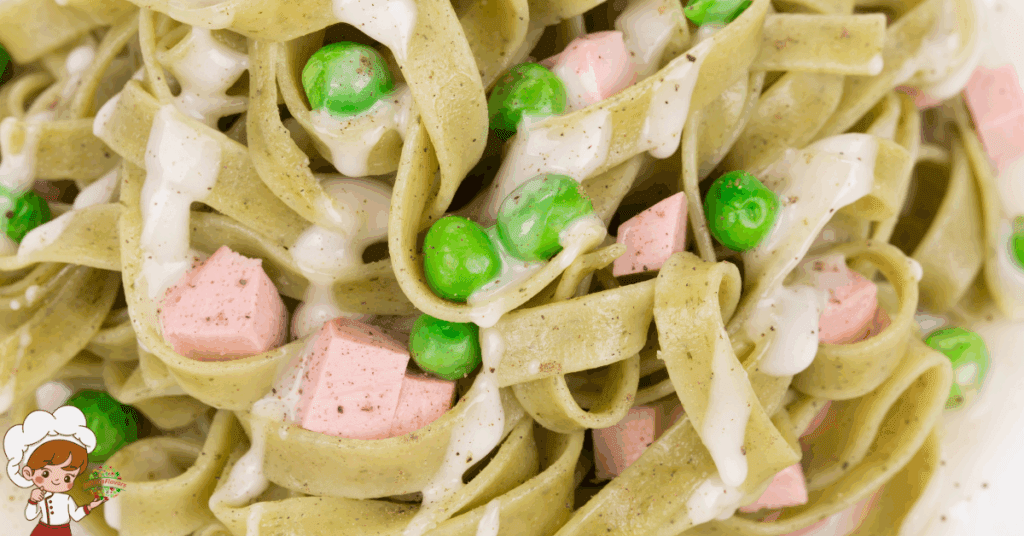
Deep Roots Amazing Ham and Pea Pasta; When you sit down to a steaming plate of creamy ham and pea pasta, you taste more than just flavors — you taste history, regional traditions, and generations of home cooking. This timeless dish—combining tender pasta, sweet green peas, and salty chunks of ham—has become a staple in kitchens around the world. Yet its origins are rooted in practicality, resourcefulness, and regional influence.
In this blog post, we’ll trace the story of Ham and Pea Pasta, exploring how peas, pasta, and ham each found their way into this combination. We’ll uncover how economic constraints and culinary creativity turned pantry staples into a beloved comfort dish. Along the way, we’ll show how this recipe evolved, its role in regional traditions, and why it continues to resonate as a favorite weeknight meal.
The Ingredients at the Core: Pasta, Peas, and Ham
To understand ham and pea pasta’s origins, we must first understand the histories of its three main components:
- Pasta: Originating in Italy, pasta has ancient roots. Though the exact origin is debated, pasta in various forms (dough, dried shapes) became widely known by the Middle Ages. Over centuries, pasta spread throughout Europe and beyond, becoming a staple carbohydrate in many cultures.
- Peas: Peas are among the earliest domesticated legumes. Cultivated across the Mediterranean and Middle East since antiquity, peas became a reliable and nutritious crop. Fresh peas and dried split peas have both played roles in soups and stews.
- Ham: Cured pork meats—hams, salt pork, bacon—have long been a method to preserve pork. In many cultures, leftover or cured ham bits were used to flavor dishes, from soups to beans to pasta.
When these three ingredients come together, they form a hearty, protein-rich, and versatile dish. But how did cooks arrive at that combination?
The Roots: Peas and Ham in Traditional European Cooking
In European peasant and rural cuisine, few combinations are more classic than “peas and ham.” This pairing appears in many traditional dishes: pea soups or “split pea and ham” stews are staples in many households across Northern Europe, England, Scandinavia, and parts of Europe. The salty ham bone flavors the peas, and the peas add body and sweetness.
Likewise, pasta dishes in Italy have long incorporated leftovers, cured meats, small vegetables, and pantry ingredients. Simple pasta with legume or vegetable additions—such as pasta e piselli (pasta with peas) or pasta with ham bits—were efficient, affordable, and satisfying meals.
Thus, the tradition of combining peas and ham naturally merged with pasta in regions where pasta was common. In many Italian households, small cuts of ham or pancetta would be used to flavor pasta dishes, sometimes with peas, sometimes with beans, and sometimes with greens.
Emergence of Ham and Pea Pasta: Post-War & Home Economies
The modern concept of ham and pea pasta likely gained broader popularity in the 20th century, especially post-World War II, when families sought inexpensive ways to stretch limited ingredients into satisfying meals. In many households, leftover ham from holiday dinners was repurposed in soups, casseroles, and pasta. Meanwhile, frozen peas (introduced widely in the mid-20th century) made peas cheaply and conveniently available year-round.
When pasta increased in accessibility, combining these pantry items became common. Mothers and home cooks would toss cooked pasta with leftover ham bits, peas, butter or a light sauce, and often cheese or cream. This allowed using leftovers while creating a new, comforting dish with minimal effort.
In American kitchens especially, versions of ham and pea pasta spread through community cookbooks, church gatherings, and family recipes—becoming a modest comfort food staple.
Regional Variations: Italy, North America, and Beyond
As ham and pea pasta spread, regional adaptations emerged, reflecting local ingredients, flavor preferences, and traditions:
- Italian version (e.g. Pasta e Piselli con Prosciutto): In parts of Italy, pasta with peas (pasta e piselli) is a classic. Some cooks add diced cured ham or pancetta, olive oil or butter, onions, garlic, and fresh herbs. This lean, simple variant emphasizes fresh peas and delicate flavor.
- American version: In the U.S., especially in rural or small-town cooking, the dish often becomes richer—using cream or milk, cheddar or mozzarella cheese, and more substantial ham chunks. Frozen peas, cubed ham, and tubular pasta shapes like penne or shells are common.
- French / Continental adaptations: Some versions incorporate a light béchamel or white sauce, combining French techniques with this classic trio.
- Modern global twists: In recent decades, cooks worldwide have created variations—substituting bacon for ham, adding vegetables like asparagus or peas and mushrooms, or using whole grain pasta or legumes.
These regional variations underscore how flexible and adaptable the base concept is.
Why Ham and Pea Pasta Became a Comfort Food Favorite
Several factors contributed to the enduring popularity of ham and pea pasta:
- Economy & Efficiency: It makes use of leftovers (ham), cheap staples (pasta, peas), and basic pantry ingredients.
- Speed & Simplicity: It’s relatively quick—peas cook fast, ham needs little cooking, pasta is fast—making it ideal for weeknights.
- Balance of Flavors: The salt of ham, the sweetness of peas, and neutral pasta create a harmony that pleases many palates.
- Nutritional Appeal: It combines protein, starch, and vegetables in one dish, making it relatively balanced.
- Nostalgia & Family Tradition: Many people recall a version made by parents or grandparents, giving it emotional resonance.
All these factors mean it thrives in home cooking rather than just restaurant settings.
The Evolution in Modern Kitchens & Food Media
With the rise of food media, recipe blogs, and social sharing, ham and pea pasta has enjoyed a renewed interest. Modern cooks often present it in fancier ways—garnishing with fresh herbs, grated cheese, or lemon zest. Chefs may use upscale ham or prosciutto, fresh peas, and artisan pasta to elevate the dish.
Also, the recipe has been adapted for dietary trends—using gluten-free pasta, slow cooker versions, one-pot versions, or lighter sauces with yogurt or olive oil instead of cream. Some inventive cooks even incorporate peas puréed into the sauce or ham crisped as a garnish.
Yet through all variations, the heart of the dish remains: pasta, peas, and ham working together.
Cultural Significance & Symbolism
Ham and pea pasta, though humble, carries cultural weight. In many families, it represents the idea of “waste not want not” — turning leftover meat into fresh meals. It embodies home cooking, resourcefulness, and family care. In church cookbooks, community potlucks, and ethnic recipe exchanges, versions from different families—and sometimes regions—circulate as treasured keepsakes.
When served on a cold evening or as a quick family dinner, it evokes comfort, warmth, and the simplicity of shared meals—a dish that bridges generations and adapts over time.
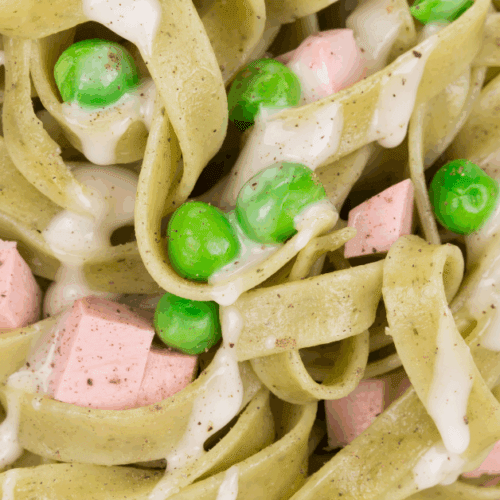
Ham and Pea Pasta
Ingredients
- 8 oz pasta your choice
- – 1 cup diced ham
- – 1 cup frozen peas
- – 1/2 cup heavy cream
Instructions
- Cook the pasta according to package instructions; drain and set aside.
- In a large skillet, add the diced ham and cook over medium heat for 2-3 minutes.
- Stir in the frozen peas and heavy cream, cooking until the peas are heated through.
- Toss the cooked pasta with the ham and pea mixture, and serve warm.
FAQs: Deep Roots Amazing Ham and Pea Pasta
Q1: When and where was ham and pea pasta first made?
There is no single origin date, but the combination likely emerged in European households where ham and peas were common, evolving into pasta form in the mid-20th century, especially in households repurposing leftover ham with pasta and peas.
Q2: Is ham and pea pasta Italian or American?
It has roots in both traditions. The Italian “pasta e piselli” is a precursor, while the more substantial version with ham and cream is more American. So it’s a hybrid comfort food across cultures.
Q3: Why are peas used instead of other vegetables?
Peas have sweetness, quick cooking time, and historical availability (fresh or frozen). Their flavor contrasts nicely with salty ham and neutral pasta.
Q4: Is this dish considered a “pasta e piselli”?
Yes, in many Italian recipes “pasta e piselli” is pasta with peas, sometimes including ham or lardons. Ham and pea pasta is a variation with more protein.
Q5: Can ham and pea pasta be made vegetarian?
Yes—for a vegetarian version, omit ham and use smoked tofu or mushrooms, or substitute a savory ingredient or umami seasoning to replace the ham’s depth.
Q6: What pasta shapes suit this dish best?
Small shapes like penne, shells, rigatoni, farfalle, or elbows work well—they trap peas and ham bits.
Q7: Why is it still popular today?
Because it’s versatile, simple, comforting, and adaptable to modern dietary preferences—yet still evokes tradition and nostalgia.

A Dish Rooted in Home Cooking and Tradition
From humble beginnings to beloved comfort food, ham and pea pasta tells a story of resourcefulness, flavor synergy, and the power of simple ingredients. It draws on centuries of cooking traditions—peas and ham from rural kitchens, pasta from Italian staples, and the evolution of home cooking in the modern era.
Its enduring appeal lies in balance: salty and sweet, hearty yet light, easy yet satisfying. It’s a dish that adapts—whether served with cream, olive oil, fresh herbs, or garnishes—but always retains its core charm.
When you enjoy a bowl of ham and pea pasta, you partake in a tradition that spans kitchens, generations, and regions: transforming leftovers and pantry staples into something warm, nourishing, and deeply comforting.
If you enjoyed exploring this topic and want to dive even deeper, be sure to check out some of our other articles here on Infinite Flavors. From rich culinary histories to creative twists on classic recipes, there’s always something new to discover. Whether you’re curious about the origins of a dish, looking for fresh inspiration in the kitchen, or simply love learning about food culture, our collection of posts is the perfect next step on your flavor journey.
The Great Origin Of Ham And Pineapple Skewers
The Exciting Story Behind Honey Garlic Chicken
The Sweet Story Behind The Best Maple Pecan Cookies