The Great Origin of Ham and Pineapple Skewers
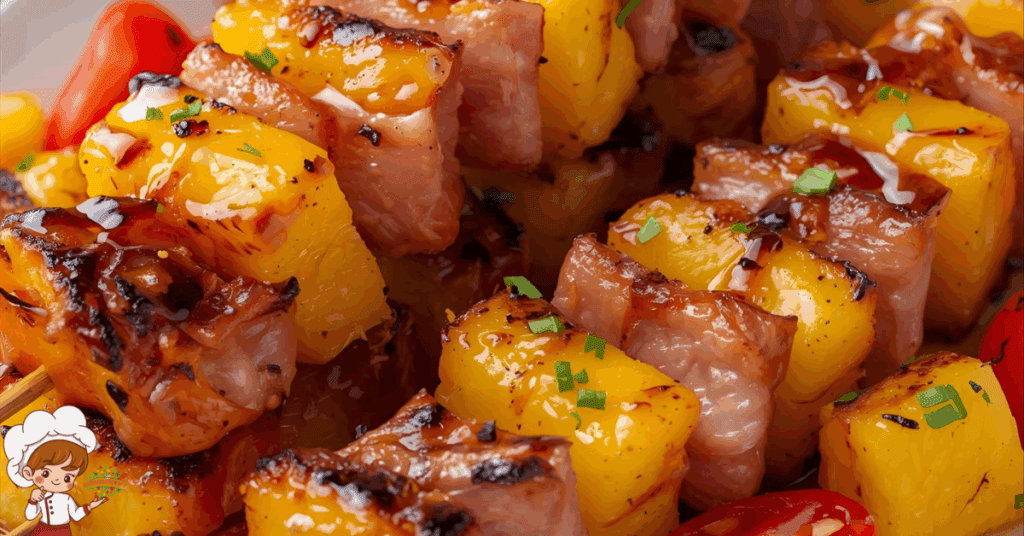
The Great Origin of Ham and Pineapple Skewers; There’s something timelessly satisfying about the combination of ham and pineapple — that irresistible pairing of sweet and savory that captures the taste of the tropics and the heartiness of home cooking. From backyard barbecues to holiday buffets, ham and pineapple skewers have become a beloved dish that bridges cultures, traditions, and flavors.
These skewers are more than just an appetizer — they’re a story of culinary innovation, global influence, and the joy of bringing people together around good food. In this article, we’ll explore the history and origin of ham and pineapple skewers, tracing their evolution from ancient roasting traditions to modern-day grilling favorites.
The Ancient Roots of Skewered Cooking: Where Ham and Pineapple Skewers Began
Before the world ever saw the first ham and pineapple skewer, humans were already cooking food on sticks. Skewering and roasting meat over fire is one of the oldest cooking methods in human history — a technique dating back thousands of years to early civilizations.
Archaeological evidence suggests that ancient peoples across Asia, Africa, and the Mediterranean used skewers made of wood or metal to roast meat and vegetables over open flames. This simple yet effective method spread worldwide, becoming the foundation for dishes like Middle Eastern kebabs, Japanese yakitori, and Mediterranean souvlaki.
While these early versions didn’t feature the signature sweet-and-savory pairing of ham and pineapple, they set the stage for the culinary art of skewering — a method designed for flavor, convenience, and social dining.
The Evolution of Ham: From Ancient Preservation to Modern Delight
The “ham” portion of the iconic pairing has an equally fascinating story. The tradition of curing and preserving pork dates back thousands of years. The ancient Chinese were among the first to master ham curing around 4900 B.C., followed closely by European regions such as Spain and Italy.
In Europe, especially in regions like Parma and Bayonne, ham became an art form — cured with salt, air-dried, and aged to perfection. These traditions eventually spread to the New World, where ham became a symbol of abundance and celebration in early American households.
By the mid-20th century, ham was not just a preserved meat; it was a staple ingredient for festive and family meals. It paired well with a wide range of flavors, and cooks began experimenting with new ways to serve it — leading eventually to its union with pineapple.
Pineapple: The Exotic Fruit That Conquered the World
Pineapple, the second star in the ham and pineapple skewer, has a history rooted in exploration, luxury, and celebration. Native to South America, particularly modern-day Brazil and Paraguay, pineapple was cultivated by indigenous peoples long before European contact.
When Christopher Columbus encountered the fruit during his voyages in the late 15th century, he brought it back to Europe, where it quickly became a symbol of wealth and hospitality. Due to its rarity and difficulty to import, pineapples were so prized that they were used as centerpieces at royal banquets — a mark of luxury.
By the 19th century, advances in shipping and the rise of canning technology allowed pineapples to become more widely available. The sweet, tropical fruit soon made its way into countless dishes, desserts, and — notably — savory combinations that highlighted its unique acidity.
The 20th Century Fusion: How Ham and Pineapple Became a Pair
The pairing of ham and pineapple is one of the most enduring examples of sweet and savory fusion in culinary history. While the exact origin of this pairing is debated, it gained immense popularity in the mid-20th century, particularly in America.
This was the era of experimentation — when home cooks and chefs embraced canned fruits, glazes, and new flavor combinations. The now-famous pineapple-glazed ham became a staple of 1950s and 1960s holiday tables, especially around Easter and Christmas.
The visual appeal of golden pineapple rings caramelizing on a baked ham — studded with cherries and cloves — made it a show-stopping centerpiece. But beyond looks, the pairing worked because the sweet pineapple complemented the salty richness of ham.
It wasn’t long before creative cooks began exploring new ways to serve the combination — and the concept of ham and pineapple skewers was born.
The Birth of Ham and Pineapple Skewers: From Luau to Backyard BBQ
The mid-20th century also saw the rise of Hawaiian-inspired cuisine, especially in the mainland United States. The post-war fascination with tropical culture, driven by the popularity of tiki bars and Hawaii’s statehood in 1959, brought island flavors into American kitchens.
Dishes that combined pineapple, ham, and other tropical ingredients became symbols of relaxation and escape. The ham and pineapple skewer perfectly embodied that spirit — combining the smoky flavor of grilled ham with the caramelized sweetness of pineapple chunks on a stick.
Whether served at Hawaiian luaus, summer picnics, or family barbecues, these skewers quickly became a festive favorite. They were easy to prepare, visually appealing, and packed with bold, balanced flavor — everything people loved about outdoor cooking.
Ham and Pineapple Skewers in American Backyard Culture
By the 1960s and 1970s, grilling had become an essential part of American culture. Backyard cookouts were social events, and the rise of charcoal and gas grills made skewered foods more popular than ever.
Ham and pineapple skewers were the perfect addition to this movement — bite-sized, flavorful, and fun to eat. They fit seamlessly alongside burgers, ribs, and corn on the cob, offering a touch of tropical sweetness to the classic American barbecue spread.
The dish also reflected broader cultural trends: the growing fascination with international flavors, the influence of Hawaiian cuisine, and the enduring love for easy, crowd-pleasing dishes that could be made in minutes.
It wasn’t just about taste; it was about the experience — the aroma of grilled pineapple, the sizzle of ham caramelizing, and the joy of sharing food outdoors.
Ham and Pineapple Around the World: A Universal Flavor Pairing
The success of ham and pineapple skewers wasn’t limited to the United States. As the flavor pairing gained fame, variations began appearing around the world, each with its own local twist.
- Hawaii: Often served at luaus or beach gatherings, ham and pineapple skewers are glazed with teriyaki or brown sugar sauces for extra island flair.
- Australia and New Zealand: The sweet-and-salty duo found its way into barbecue culture, often paired with bacon or smoky ham cuts.
- United Kingdom: British home cooks embraced the pairing as part of buffet and appetizer spreads, especially during holidays.
- Asia: In places like Japan and the Philippines, similar skewers feature local cured meats and tropical fruits, drawing inspiration from the global love of sweet-savory combinations.
What makes this dish so enduring is its universal appeal — the perfect balance of flavors that transcends geography and culture.
The Science Behind the Flavor: Why Ham and Pineapple Work So Well Together
At first glance, ham and pineapple might seem like an unusual pairing — one is salty and savory, the other sweet and tangy. But from a culinary science perspective, this combination is a perfect example of flavor harmony.
Ham’s richness and salt content enhance the umami (savory) experience, while pineapple’s acidity and sweetness cut through the fat, balancing the palate. This contrast creates a dynamic, satisfying bite that keeps people coming back for more.
It’s the same reason why other classic pairings like prosciutto and melon or bacon and maple syrup are so successful — they hit multiple flavor notes simultaneously, engaging all the senses.
Ham and Pineapple Skewers in Modern Cuisine
Today, ham and pineapple skewers continue to evolve with modern cooking trends. From fine dining to street food, chefs are finding new ways to reinvent this nostalgic favorite.
In upscale restaurants, you might find glazed ham and pineapple skewers with balsamic reductions or smoked ham paired with grilled pineapple salsa. Meanwhile, food trucks and home cooks embrace simpler versions that stay true to the classic charm.
The dish’s flexibility makes it suitable for all seasons and occasions — from summer barbecues to festive buffets. It can be served as an appetizer, side dish, or even entrée, and it always delivers that signature sweet-savory punch.
Cultural Significance: A Symbol of Hospitality and Joy
Beyond flavor, ham and pineapple skewers carry a deeper cultural symbolism. They represent hospitality, community, and celebration. In Hawaiian tradition, pineapple is a symbol of warmth and welcome. When paired with ham — a classic choice for holidays and gatherings — it creates a dish that feels festive and inviting.
These skewers also embody the essence of shared meals — easy to serve, easy to eat, and meant for social settings. They remind us that food isn’t just about sustenance; it’s about connection, creativity, and joy.
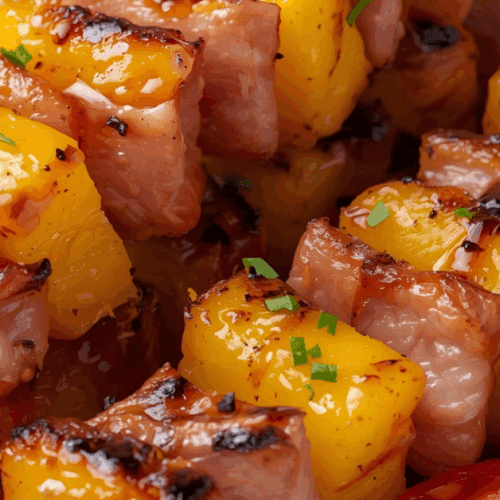
Ham and Pineapple Skewers
Ingredients
- – 1 cup diced ham
- – 1 cup pineapple chunks
- – 1 bell pepper cut into squares
- – 1 tablespoon teriyaki sauce
Instructions
- Preheat your grill or grill pan over medium heat.
- Thread the diced ham, pineapple chunks, and bell pepper onto skewers alternately.
- Brush the skewers with teriyaki sauce.
- Grill for about 5-7 minutes, turning occasionally until heated through and slightly charred.
Frequently Asked Questions: The Great Origin of Ham and Pineapple Skewers
1. Where did ham and pineapple skewers originate?
The combination of ham and pineapple became popular in mid-20th-century America during the rise of Hawaiian-inspired cuisine. While skewering food dates back thousands of years, the specific pairing likely originated from the popularity of pineapple-glazed ham and tiki culture in the 1950s and 1960s.
2. Why do ham and pineapple taste so good together?
Ham is salty and rich, while pineapple is sweet and acidic. Together, they create a balanced contrast that enhances each other’s flavors — a scientifically proven flavor harmony that delights the palate.
3. Are ham and pineapple skewers considered Hawaiian?
While often associated with Hawaiian cuisine, ham and pineapple skewers are actually a fusion dish inspired by the popularity of Hawaiian flavors in post-war America. The pineapple element gives it a tropical flair that many people connect with the islands.
4. Can ham and pineapple skewers be served outside of summer?
Absolutely. Though they’re a barbecue favorite, they also make a great holiday appetizer or party dish, especially during festive seasons when ham is a common ingredient.
5. What other ingredients pair well with ham and pineapple skewers?
Common additions include bell peppers, onions, cherry tomatoes, and various glazes like teriyaki, honey, or brown sugar. These enhance both the flavor and visual appeal of the skewers.
6. Are ham and pineapple skewers healthy?
When made with lean ham and fresh pineapple, they can be a protein-rich and vitamin-packed option. Grilling also reduces fat compared to frying, making them a lighter choice for flavorful dining.

The Lasting Legacy of Ham and Pineapple Skewers
The story of ham and pineapple skewers is one of culinary evolution, creativity, and connection. From ancient skewering traditions to modern backyard barbecues, this simple yet extraordinary dish has stood the test of time.
Its combination of sweet tropical pineapple and savory, smoky ham represents the beauty of flavor balance — proof that the best dishes often come from the simplest pairings. Whether enjoyed at a sunny cookout, a holiday party, or a casual family dinner, ham and pineapple skewers bring warmth, nostalgia, and happiness to the table.
As food trends come and go, one thing remains certain: the irresistible charm of ham and pineapple will always have a place in our hearts — and on our skewers.
If you enjoyed exploring this topic and want to dive even deeper, be sure to check out some of our other articles here on Infinite Flavors. From rich culinary histories to creative twists on classic recipes, there’s always something new to discover. Whether you’re curious about the origins of a dish, looking for fresh inspiration in the kitchen, or simply love learning about food culture, our collection of posts is the perfect next step on your flavor journey.
What Are Some Hidden Caribbean Culinary Treasures
What Are Some Great Refreshing Caribbean Fruit Dishes
Easy Guide To Traditional Caribbean Breakfast Dishes