The Great Ham and Cheese Omelette
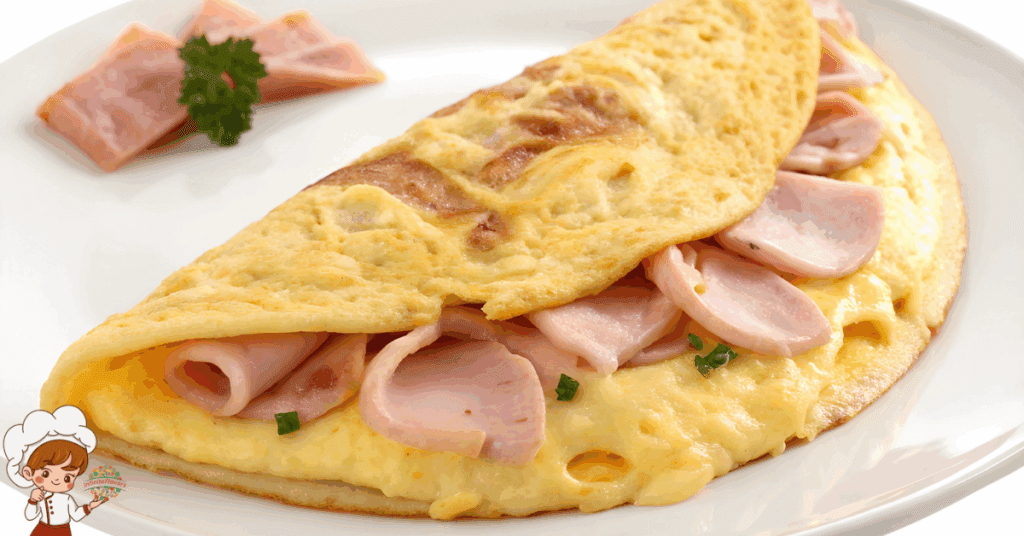
The Great Ham and Cheese Omelette; Few breakfast dishes capture the essence of comfort and simplicity quite like the ham and cheese omelette. With fluffy, golden eggs wrapped around melted cheese and savory diced ham, this classic dish has earned a place on breakfast tables around the world. Whether enjoyed in a cozy diner, a French café, or a home kitchen on a slow Sunday morning, the ham and cheese omelette remains one of the most beloved and enduring breakfast staples.
But this satisfying dish didn’t become iconic by accident. Its story stretches back centuries, shaped by culinary traditions, cultural exchange, and the universal love of simple, nourishing food. To truly appreciate this timeless favorite, it’s worth exploring its origins, evolution, and the global variations that helped the humble omelette rise to international fame.
This blog will help you:
- Understand the history and cultural origins of the ham and cheese omelette.
- Learn how omelettes evolved from ancient cooking traditions to modern brunch menus.
- Explore global variations of the classic omelette.
- Appreciate why this simple dish remains a beloved breakfast staple.
- Feel inspired to make your own warm, comforting ham and cheese omelette at home.
The Ancient Origins of the Omelette: Where It All Began
Long before the modern ham and cheese omelette appeared, the concept of cooked, beaten eggs was already a culinary staple in many ancient civilizations. The earliest records of omelette-like dishes can be traced back to the Persian Empire, where cooks prepared “kookoo sabzi” — an herb-filled egg dish that laid the foundation for future egg-based recipes.
From Persia, the practice of cooking beaten eggs spread westward, influencing Mediterranean cuisines. The ancient Romans had their own version, known as ovemele, a sweet dish made of eggs and honey. The term “omelette” itself didn’t appear until much later, but the art of cooking eggs with added ingredients was well established long before that.
As time passed, these early recipes evolved into more refined versions across Europe. By the Middle Ages, European cooks were adding vegetables, herbs, and meats to eggs, creating dishes that closely resembled the omelettes we know today.
The French Influence: Birthplace of the Modern Omelette
The modern omelette as we recognize it today was born in France. The word “omelette” (from the French amelette or alumette) first appeared in print during the 16th century. The French approach to cooking eggs — delicate, airy, and perfectly folded — transformed the simple dish into a culinary art form.
French chefs refined the cooking process, using gentle heat to create a tender, custard-like texture. Unlike earlier versions, which were often dense or heavily seasoned, the French omelette emphasized technique and texture. It became a dish that balanced elegance and simplicity — ideal for both rustic and refined meals.
By the 18th and 19th centuries, omelettes had become a hallmark of French cuisine. They appeared in cookbooks like Le Cuisinier Royal and La Cuisinière Bourgeoise, which helped spread their popularity beyond France. The omelette was no longer just a breakfast — it was a culinary symbol of skill and sophistication.
When Ham Met Cheese: The Creation of a Breakfast Legend
While the omelette was distinctly French, the addition of ham and cheese transformed it into an international phenomenon. The ham and cheese omelette likely originated in France in the late 19th or early 20th century, when cooks began experimenting with richer, more flavorful fillings.
Ham, a staple in European pantries, offered saltiness and heartiness, while cheese added creamy texture and depth. The combination was irresistible — a perfect harmony of flavors that elevated the simple omelette into something indulgent.
The French version, known as the omelette au jambon et fromage, became a standard menu item in bistros and cafés. Its appeal spread rapidly across Europe, particularly in England and Germany, where ham and cheese were already popular breakfast foods. When French immigrants and chefs brought their recipes to America, the ham and cheese omelette found a new home.
The American Diner Era: Ham and Cheese Omelette Becomes a Breakfast Staple
In the early 20th century, the American breakfast revolution was in full swing. Diners and roadside cafes were popping up across the country, serving hearty, comforting meals to travelers and workers. Among pancakes, bacon, and eggs, the ham and cheese omelette quickly gained popularity as a quick, filling, and protein-rich breakfast.
The dish symbolized practicality and satisfaction — easy to prepare, endlessly customizable, and loved by all ages. By the 1950s, it was a mainstay on diner menus, often served with toast, hash browns, and coffee.
Unlike its French counterpart, the American-style omelette was thicker, more robust, and often packed with fillings. Chefs across the country experimented with different cheeses, from cheddar to Swiss, and added diced ham, onions, or bell peppers for extra flavor.
The ham and cheese omelette became more than a meal — it became a cultural icon of the classic American breakfast.
Global Variations: The Ham and Cheese Omelette Around the World
As the omelette traveled the globe, it took on unique cultural twists. Each region adapted it to local ingredients and tastes while maintaining the essence of the original French dish.
- France: The omelette au jambon et fromage remains light, golden, and slightly runny inside — emphasizing texture and technique.
- United States: The American version is heartier, often served with cheddar, ham cubes, and additional mix-ins.
- Spain: While the Spanish tortilla de patatas is distinct, some modern versions include ham and cheese, merging the two traditions.
- Japan: The omu-rice (omelette rice) combines eggs with rice and ham, showing how Western flavors inspired Japanese comfort food.
- Philippines: The torta is an omelette-style dish often made with ground meat, vegetables, and sometimes cheese, reflecting Spanish influence.
Each version showcases how a simple dish like the omelette can adapt to diverse cultures while retaining its universal appeal.
The Nutritional Appeal of the Ham and Cheese Omelette
Beyond its cultural significance, the ham and cheese omelette is also celebrated for its nutritional benefits. Packed with protein, calcium, and essential nutrients, it’s a satisfying choice for breakfast, lunch, or even dinner.
Eggs provide high-quality protein and vitamins like B12 and D, while cheese adds calcium and flavor. Ham contributes additional protein and savory depth, making the dish both delicious and energizing.
This combination offers the ideal balance of flavor, texture, and nutrition, explaining why the ham and cheese omelette has remained a global favorite for centuries.
Cultural Symbolism: More Than Just Breakfast
The ham and cheese omelette represents more than just a meal — it symbolizes comfort, routine, and connection. In many cultures, breakfast is a time for family, conversation, and reflection before the day begins.
From French cafés to American diners, the omelette is a shared ritual — an emblem of hospitality and warmth. It’s a dish that bridges generations, reminding us that even simple meals can hold great meaning.
Modern Takes on a Classic Dish
Today, chefs and home cooks continue to reinvent the ham and cheese omelette while honoring its roots. From brunch restaurants offering gourmet versions with smoked ham and artisan cheeses to health-conscious variations made with egg whites and reduced-fat cheese, the dish remains endlessly versatile.
In recent years, the farm-to-table movement and renewed interest in classic comfort foods have sparked a revival of traditional dishes like the ham and cheese omelette. Its simplicity, nostalgia, and flavor make it a star in both casual and upscale dining.
Ham and Cheese Omelette in Pop Culture
The ham and cheese omelette has also found a place in popular culture. It’s been featured in films, TV shows, and even novels as a symbol of comfort, care, and home cooking. Characters are often seen preparing or sharing an omelette during intimate or reflective moments — a small but powerful nod to its emotional significance.
It’s a dish that transcends language and borders — instantly recognizable, universally loved, and deeply comforting.
Why the Ham and Cheese Omelette Remains a Breakfast Favorite
The continued popularity of the ham and cheese omelette lies in its perfect balance of flavor and simplicity. It embodies everything a breakfast should be — nourishing, easy to prepare, and endlessly satisfying.
Its adaptability allows it to fit any lifestyle or taste. Whether made with traditional ingredients or modern twists, the essence remains unchanged: warm eggs, savory ham, and gooey melted cheese wrapped in one delicious bite.

Ham and Cheese Omelette
Ingredients
- 2 eggs
- – 1/4 cup diced ham
- – 1/4 cup shredded cheese cheddar or your choice
- – Salt and pepper to taste
Instructions
- In a bowl, whisk the eggs with salt and pepper until well combined.
- Heat a nonstick skillet over medium heat and pour in the egg mixture.
- Cook until the edges start to set, then sprinkle the diced ham and cheese on one half of the omelette.
- Fold the omelette over, cook for an additional minute, and serve hot.
Frequently Asked Questions: The Great Ham and Cheese Omelette
1. Who invented the ham and cheese omelette?
The modern ham and cheese omelette originated in France, where the traditional omelette was first created. The addition of ham and cheese came later, likely in the late 19th or early 20th century, as chefs experimented with richer, more flavorful fillings.
2. Why is the ham and cheese omelette so popular?
Its popularity comes from its simplicity, delicious taste, and versatility. It’s easy to prepare, rich in protein, and adaptable to any time of day — making it a go-to dish worldwide.
3. Is the ham and cheese omelette French or American?
The concept is French, but the hearty, cheese-filled style we often enjoy in diners today is distinctly American. Both versions celebrate comfort and flavor in their own way.
4. What kind of cheese is best for a ham and cheese omelette?
Classic choices include cheddar, Swiss, or Gruyère, depending on the desired flavor. French omelettes often use softer, milder cheeses, while American ones favor sharper, meltier varieties.
5. Can you make a ham and cheese omelette healthy?
Yes! Using lean ham, egg whites, and reduced-fat cheese can create a lighter version that’s still flavorful and satisfying.
6. What are some modern variations of the ham and cheese omelette?
Popular modern variations include adding herbs, vegetables, or international cheeses. Some chefs even turn it into a wrap or sandwich for an on-the-go breakfast.

A Dish That Stands the Test of Time
The ham and cheese omelette is more than a quick breakfast—it’s a reflection of culinary evolution, cultural blending, and the enduring appeal of simple, comforting food. From ancient Persian egg dishes to the refined French omelette and the hearty American diner classic, this dish has traveled across continents and centuries while keeping its warm, familiar essence intact.
It represents everything people love about breakfast: ease, flavor, and connection. Whether served in a Paris café or cooked at home for loved ones, the ham and cheese omelette reminds us that the most memorable dishes are often the simplest—made with care, shared with joy, and cherished across generations.
If you enjoyed exploring this topic and want to dive even deeper, be sure to check out some of our other articles here on Infinite Flavors. From rich culinary histories to creative twists on classic recipes, there’s always something new to discover. Whether you’re curious about the origins of a dish, looking for fresh inspiration in the kitchen, or simply love learning about food culture, our collection of posts is the perfect next step on your flavor journey.
The Great History And Origin Of Apple Cinnamon Oatmeal
The History And Origin Of Easy Banana Nut Muffins
The Best History And Origin Of Campfire Biscuits