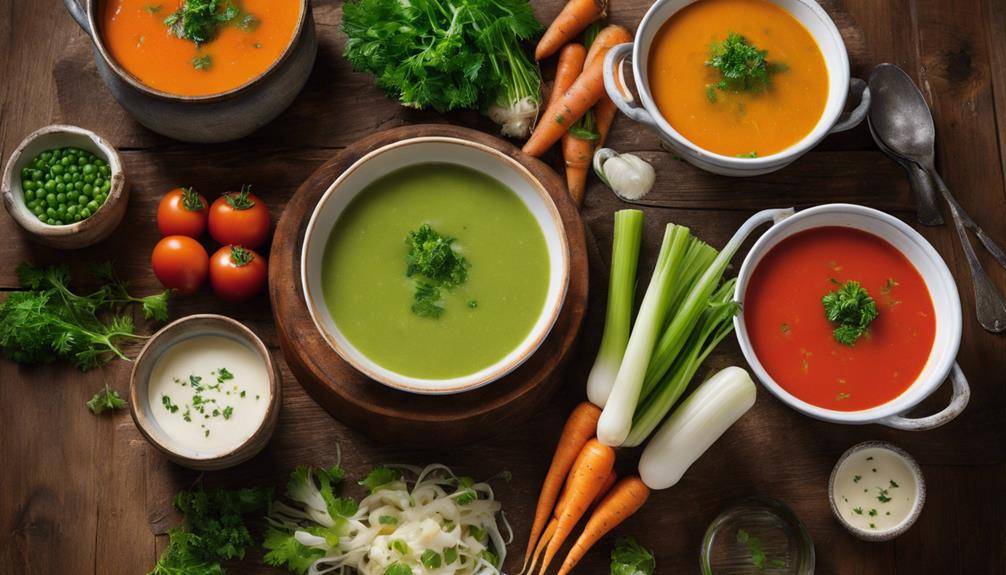
Essential Tips For Lactose-Free Meal Preparation
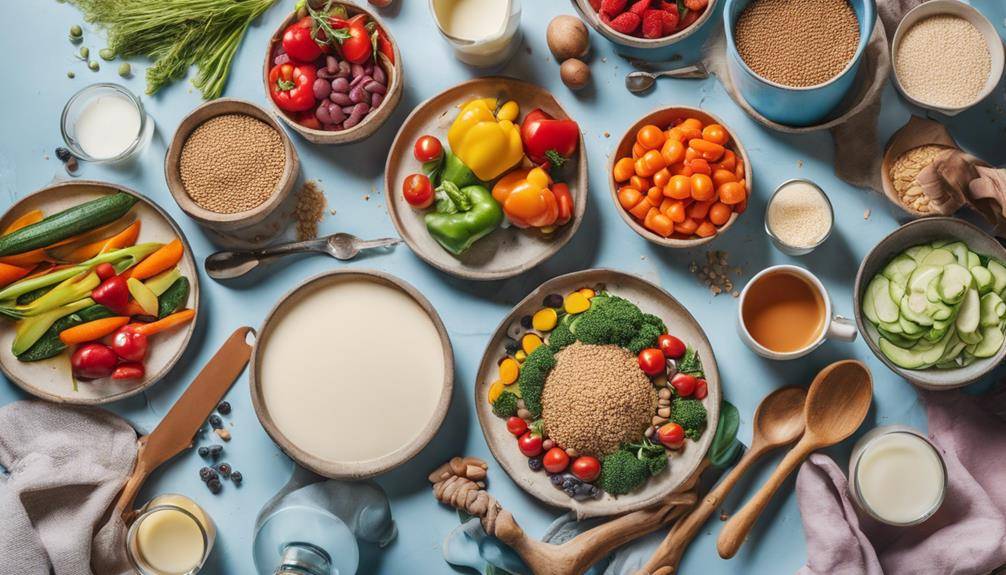
Essential Tips For Lactose-Free Meal Preparation: Lactose-free meal preparation can be simple and enjoyable. Start by understanding lactose intolerance; keeping a food diary helps identify trigger foods. Explore alternatives like almond or oat milk and lactose-free cheeses. Always read labels carefully to spot hidden lactose in processed foods. Stock your pantry with dairy-free staples like lentils and nutritional yeast to enhance flavors. Plan balanced meals rich in fruits, vegetables, and lean proteins. Don't forget to experiment with flavorful sauces and satisfying snacks. To elevate your gastronomic experience, discover more helpful tips and ideas that can transform your cooking journey.
Understand Lactose Intolerance
Click Here and Turn Every Masterpiece into a Showstopper!
Lactose intolerance can be a frustrating condition, especially when it comes to meal preparation. You might find yourself avoiding certain foods, but understanding lactose intolerance is essential to managing your symptoms effectively. This condition occurs when your body lacks the enzyme lactase, which helps digest lactose, the sugar found in milk and dairy products. When you consume lactose-containing foods, you may experience symptoms like bloating, gas, diarrhea, or stomach cramps.
To manage these symptoms, it's important to make dietary adjustments. Start by identifying which foods trigger your discomfort. Many people can tolerate small amounts of lactose, so consider experimenting with portion sizes to see what works for you. You may also want to keep a food diary to track your meals and any symptoms that arise. This can help you pinpoint specific foods that might be causing issues.
You could also explore products labeled "lactose-free," as these have been treated to remove lactose while retaining flavor. Additionally, non-dairy alternatives like almond, soy, or oat milk can provide you with delicious options without the discomfort.
Above all, don't hesitate to consult with a healthcare professional. They can offer valuable advice tailored to your needs and help you navigate dietary adjustments effectively. By taking proactive steps to understand your lactose intolerance, you can enhance your meal preparation and enjoy a wider variety of foods without the worry of unpleasant symptoms.
Explore Lactose-Free Alternatives
When you're looking for lactose-free options, dairy-free milk alternatives and lactose-free cheese can be game-changers. You'll find a variety of choices that cater to your taste and dietary needs. Let's explore some popular options that can easily fit into your meals.
Dairy-Free Milk Options
Exploring dairy-free milk options can open up a world of flavors and textures for your lactose-free meals. You've got plenty of choices to suit your taste and cooking needs. Almond milk is light and nutty, perfect for smoothies or cereal. Oat milk adds a creamy texture, making it great for coffee or baking. Coconut milk brings a tropical twist, ideal for curries and desserts.
If you're looking for something with protein, soy milk is a strong contender. Rice milk is naturally sweet and works well in soups and sauces. For a unique option, try hemp milk; it's packed with omega-3s and has a slightly earthy flavor. Cashew milk offers a rich, creamy base, making it wonderful for sauces or creamy soups. Flax milk is another nutritious choice, rich in fiber and great for smoothies.
Pea milk is gaining popularity for its protein content and smooth texture, ideal for almost any recipe. Finally, macadamia milk provides a luxurious, buttery flavor that elevates your dishes. With these diverse dairy-free options, you can easily enhance your lactose-free meal prep!
Lactose-Free Cheese Choices
Finding the right cheese alternatives can make your lactose-free meals just as satisfying and flavorful. Luckily, there are several lactose-free brands that offer a variety of cheeses, enabling you to enjoy your favorite dishes without the discomfort.
Start by exploring options like lactose-free mozzarella, cheddar, and cream cheese. These products maintain familiar cheese textures, so you won't feel like you're missing out. For a more gourmet touch, try lactose-free brie or feta, both of which can elevate your salads and charcuterie boards.
If you're looking for something a bit different, consider plant-based cheeses made from nuts, soy, or coconut. Many of these alternatives mimic traditional flavors and textures quite well. Just be sure to read the labels, as some might still contain additives or preservatives.
Don't forget about nutritional yeast! This versatile ingredient adds a cheesy flavor to dishes, making it a fantastic dairy-free seasoning. When you choose the right lactose-free cheese, you'll find that your meals can be just as rich and delicious as before, allowing you to enjoy every bite without worry.
Read Food Labels Carefully
When you're shopping for lactose-free foods, it's essential to read food labels carefully. Many products contain hidden sources of lactose, so always check the ingredient list for any dairy derivatives. Understanding what to look for will help you make safer choices for your diet.
Identify Hidden Lactose Sources
In your quest for lactose-free meals, reading food labels is essential to uncover hidden lactose sources. Many people fall victim to lactose misconceptions, believing that only obvious dairy products contain lactose. However, hidden dairy can lurk in unexpected places.
Start by checking processed foods, as many contain lactose as a flavor enhancer or preservative. For instance, baked goods, salad dressings, and sauces often use milk powder or whey, which can be easy to overlook. Don't forget to scrutinize snacks like chips and certain candies—some may use dairy ingredients that aren't immediately recognizable.
You should also be cautious with seemingly harmless items like margarine and non-dairy creamers. While they may claim to be lactose-free, some brands still include trace amounts of lactose.
Beyond these examples, keep an eye out for terms like "casein" and "lactalbumin," which indicate dairy derivatives. By diligently reading labels and understanding potential hidden lactose sources, you'll be better equipped to avoid unwanted discomfort and enjoy your meals worry-free. Always remember that being proactive about food choices can greatly enhance your lactose-free journey.
Understand Ingredient Labels
Deciphering ingredient labels can feel like a puzzle, but it's essential for crafting delicious lactose-free meals. To guarantee you're making safe choices, you'll need to improve your label comprehension. Start by scanning the ingredients list for any dairy-related terms. Common culprits include milk, cream, whey, and casein. Even products labeled as "non-dairy" can contain lactose, so don't rely solely on catchy phrases.
Ingredient awareness is key. Familiarize yourself with lactose-free alternatives, such as almond milk, coconut yogurt, or lactose-free cheese. Look for products specifically marked as lactose-free, which can save you time and worry. Always check for cross-contamination warnings, especially if you're highly sensitive to lactose.
Don't forget about additives and flavorings; some may have hidden lactose. If you're ever unsure about an ingredient, consider reaching out to the manufacturer for clarification. Remember, reading labels isn't just about avoiding lactose; it's also about making healthier choices overall. By honing your label comprehension skills, you'll feel more confident maneuvering the grocery aisles, guaranteeing your meals are both tasty and safe.
Stock a Dairy-Free Pantry
Creating a well-stocked dairy-free pantry is vital for effortless lactose-free meal preparation. Start by including nutritional yeast, which adds a cheesy flavor to dishes without any dairy. Embrace plant-based proteins like lentils, chickpeas, and tofu to guarantee you get adequate nutrition without lactose. Stock up on versatile legumes, as they're not only nutritious but also incredibly adaptable in various recipes.
Don't forget to add gluten-free grains like quinoa, brown rice, and millet, which serve as excellent bases for your meals. Whole grains can also be part of your pantry staples, providing fiber and essential nutrients. Healthy fats are important, so include items like olive oil, avocado oil, and nut butters to enhance the flavor and texture of your dishes.
For added nutrition and flavor, consider fresh herbs like basil, cilantro, and parsley. They can elevate your meals while keeping them dairy-free. Frozen vegetables are a lifesaver for quick meal prep, making sure you always have nutritious options on hand. You can easily toss them into stir-fries, soups, or salads.
Lastly, don't overlook dried fruits, which make for great snacks or sweet additions to your smoothies and oatmeal. By stocking your pantry with these essentials, you'll be well-equipped to create delicious, lactose-free meals that cater to your dietary needs.
Plan Balanced Meals
When planning balanced meals, focus on incorporating a variety of food groups to guarantee you're getting the nutrients your body needs. Aim for a plate filled with colorful fruits and vegetables, whole grains, lean proteins, and healthy fats. This approach not only enhances the flavor of your dishes but also guarantees nutritional balance.
Start your meal prep by choosing a protein source that suits your taste and dietary needs, such as chicken, fish, tofu, or legumes. Pair it with a serving of whole grains, like quinoa or brown rice, to provide energy and fiber. Don't forget to load up on vegetables; they add essential vitamins and minerals while keeping your meals vibrant and interesting.
You can also incorporate healthy fats, such as avocados, nuts, or olive oil, which can enhance the absorption of nutrients from other food groups. When you plan your meals, try to include a variety of textures and flavors to keep things exciting. Think roasted vegetables alongside a hearty grain and grilled protein, drizzled with a tangy dressing.
Lastly, consider portion sizes to maintain balance. Use smaller plates to help control servings, guaranteeing you don't overindulge. By thoughtfully planning your meals and focusing on nutritional balance, you'll not only enjoy delicious dishes but also create a sustainable approach to your lactose-free lifestyle. Remember, meal prep can be a fun and creative process that leads to healthier eating habits!
Experiment With Substitutions
Finding the right ingredients can transform your lactose-free meals into something even more enjoyable. One of the best ways to do this is by experimenting with substitutions. You don't have to stick to traditional dairy products; there are countless plant-based swaps that can elevate your dishes while keeping them lactose-free.
For creamy sauces, consider using cashew cream or coconut milk instead of heavy cream. Both options provide a rich texture and flavor that can enhance your meals. If you're looking for a cheese alternative, try nutritional yeast for a cheesy flavor without the lactose. You can even use blended silken tofu as a base for creamy dips, adding some herbs and spices for extra zest.
When it comes to texture adjustments, think about how different ingredients can mimic the mouthfeel of dairy. For example, use almond or oat milk in your pancakes instead of regular milk; they'll still be fluffy and delicious. You can also use chia seeds in puddings or smoothies to create a thicker consistency without sacrificing taste.
Don't shy away from trying new things! Experiment with different plant-based options to discover what works for you. Each substitution can bring a unique flavor and texture to your meals, making your lactose-free cooking experience both exciting and satisfying. With a little creativity, you'll find that your meals can be just as rich and flavorful as their traditional counterparts.
Use Lactase Supplements
Lactase supplements can be a game changer for those who love dairy but want to avoid lactose. If you're someone who craves creamy cheese or rich ice cream, these supplements can help you enjoy your favorites without discomfort. The lactase enzyme benefits you by breaking down lactose, allowing your body to digest dairy more easily and preventing gastrointestinal issues.
To make the most of your lactase supplements, timing is essential. Take the supplement shortly before you consume dairy products. This way, the lactase enzyme has enough time to start working in your digestive system, ensuring you can enjoy your meal without worrying about lactose intolerance symptoms. You'll find that different products have varying potencies, so you might need to experiment to see which brand and dosage work best for you.
Keep in mind that lactase supplements don't eliminate lactose from food; they simply aid your body in digesting it. So, you'll still want to be mindful of how much dairy you consume and choose lactose-containing foods wisely. Pairing these supplements with lactose-free options can also enhance your meal experience while minimizing any potential discomfort.
Incorporating lactase supplements into your routine opens up a world of culinary possibilities. With a little planning and the right timing, you can savor your favorite dairy dishes without the fear of an upset stomach. Enjoy every bite!
Click Here and Turn Every Masterpiece into a Showstopper!
Master Cooking Techniques
When you're cooking lactose-free, mastering ingredient substitutions can make all the difference. You'll want to explore various cooking methods that enhance flavors without compromising on taste. Let's get into some practical techniques that will elevate your lactose-free meals!
Ingredient Substitutions Made Easy
In the kitchen, mastering ingredient substitutions can transform your lactose-free meal preparation from intimidating to delightful. Start by exploring vegan recipes that naturally exclude lactose, using plant-based ingredients to create satisfying meals. Cooking hacks, like swapping dairy milk for almond or oat milk, can easily enhance your dishes without sacrificing flavor.
When meal prepping, consider ingredient sourcing; look for lactose-free yogurts or cheeses that mimic traditional flavors. Utilize flavor enhancers such as nutritional yeast or lemon juice to elevate your dishes, while experimenting with texture modifications like using silken tofu for creaminess in sauces.
Don't forget about food pairings that complement your chosen substitutes. For instance, combining avocado with lime can add richness and brightness to your meals. Seasoning techniques play a vital role, too; herbs and spices can mask any unfamiliar tastes that come from substitutions.
Cooking Methods to Explore
Many cooks find that exploring different cooking methods can elevate their lactose-free meal preparation. By diversifying your techniques, you can enhance flavors and textures without relying on dairy products. For instance, steaming vegetables retains their nutrients and natural sweetness, making them a perfect side dish. Grilling meats adds a smoky char that complements many lactose-free marinades.
Roasting roots like carrots and sweet potatoes brings out their inherent sweetness, while sautéing greens with garlic creates a vibrant, flavorful accompaniment. If you're a fan of plant-based proteins, stir frying tofu with your favorite veggies results in a quick, satisfying meal.
For seafood lovers, poaching fish in broth infuses it with flavor while keeping it moist. Braising dishes like beef or chicken in a flavorful liquid yields tender results, perfect for hearty meals.
Don't overlook slow cooking and pressure cooking, which can transform tough cuts of meat into tender delights while you go about your day. Finally, baking breads with lactose-free alternatives can yield delicious results that everyone can enjoy. Embrace these methods to create diverse, flavorful, and satisfying lactose-free meals!
Prepare Flavorful Sauces
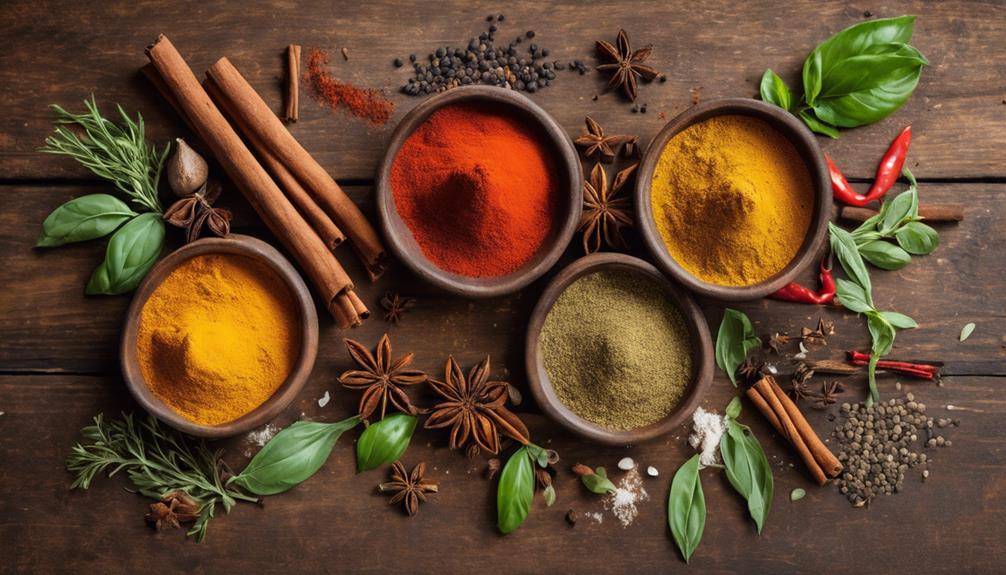
Creating delicious sauces is key to enhancing your lactose-free meals. When you combine the right ingredients and techniques, you can elevate any dish. Start by experimenting with various herb blends. Fresh herbs like basil, parsley, and cilantro can add a burst of flavor. Dried herbs, such as oregano and thyme, are also great for creating depth in your sauces.
Consider using classic sauce techniques, such as reducing or emulsifying. For a simple reduction, simmer broth or stock until it thickens, concentrating the flavors. You can then stir in your favorite herbs and a splash of lemon juice for brightness. Emulsification is another excellent way to create creamy textures without dairy. Try blending olive oil with vinegar or citrus juice, and gradually whisk in your herb blends until smooth.
Don't overlook the power of spices. Incorporating garlic, onion powder, or smoked paprika can add warmth and complexity. For a richer sauce, consider using nut-based creams made from cashews or almonds; just blend soaked nuts with water until smooth.
Lastly, don't forget about acidity. A splash of vinegar or a squeeze of lemon can bring your sauce to life, balancing flavors and enhancing overall taste. By mastering these sauce techniques and using flavorful herb blends, you'll create delectable, lactose-free sauces that complement any meal perfectly. Enjoy the process, and let your creativity shine!
Create Satisfying Snacks
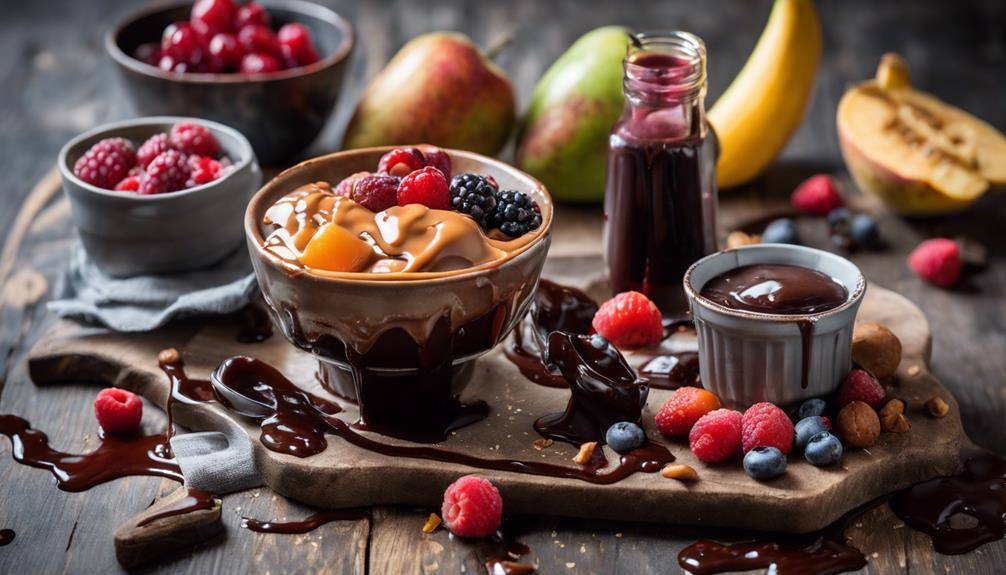
While you might think snack options are limited on a lactose-free diet, there are plenty of satisfying choices that can keep your taste buds happy and energized. Start with fruit energy bites, which are packed with nuts, seeds, and dried fruit for a quick, nutritious boost. You can also whip up some nut butter cups using your favorite nut butter and dark chocolate for a decadent yet dairy-free treat.
For something crunchy, try veggie chips. They're a great alternative to traditional potato chips and can be seasoned to your liking. If you're in the mood for something sweet, chocolate avocado mousse is creamy, rich, and surprisingly healthy. You won't believe it's lactose-free!
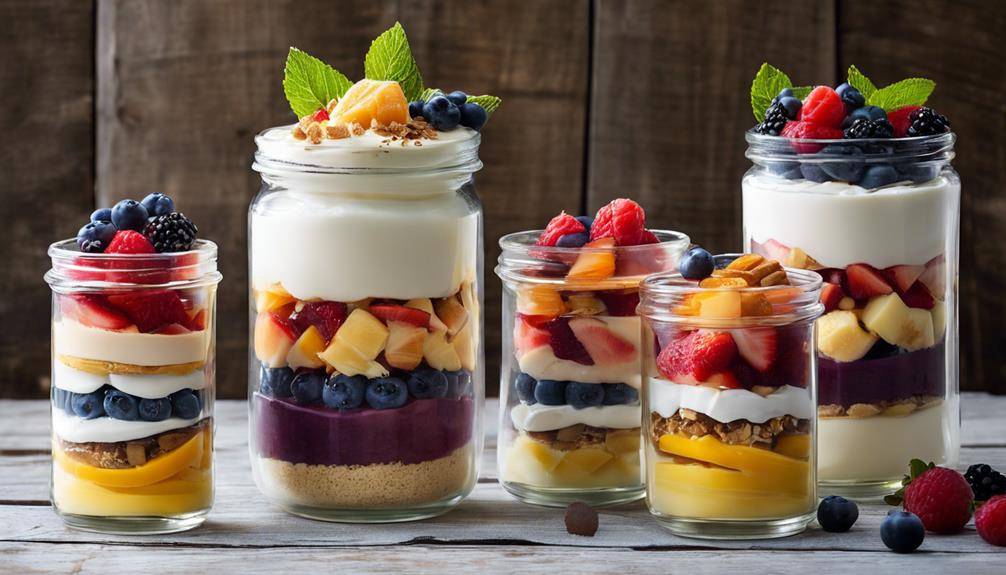
Hummus variations are another fantastic option; experiment with flavors like roasted red pepper or garlic to keep things interesting. Layer yogurt parfaits with lactose-free yogurt, fresh fruits, and granola for a delightful and filling snack.
Don't forget about popcorn! You can create various popcorn flavors by adding nutritional yeast, spices, or even a drizzle of dairy-free butter. Smoothie bowls are also a great way to pack in nutrients; blend your favorite fruits and top with nuts and seeds for a satisfying crunch. Try chia seed pudding made with your choice of dairy-free milk for a filling dessert-like snack. And for a light option, rice cakes topped with avocado or nut butter are perfect for a quick bite. Enjoy exploring these delicious lactose-free snacks!
Host Dairy-Free Gatherings
When hosting a gathering, catering to lactose-free guests doesn't have to be a challenge; in fact, it can open up new culinary opportunities. Start by planning a menu that's not only inclusive but also delicious. Focus on fresh, seasonal ingredients that can shine without dairy. Consider creating a vibrant salad bar with a variety of toppings, dressings, and grains. This way, everyone can customize their meal to their liking.
For your main dish, try a flavorful stir-fry or a hearty grain bowl packed with veggies, proteins, and spices. These dishes are naturally dairy-free and can be prepared in advance, allowing you more time to enjoy your gathering.
Don't forget about drinks! Offer a selection of lactose-free beverages like sparkling water, herbal teas, or fruit-infused drinks. These options are invigorating and visually appealing, ensuring everyone stays hydrated without the need for dairy.
Share Your Recipes
Sharing your favorite lactose-free recipes can be a fun way to connect with others and showcase how delicious dairy-free cooking can be. Whether you're gathering with friends, family, or even colleagues, recipe sharing allows everyone to explore new flavors and ideas. It's also a great conversation starter, as people love to swap tips and tricks for creating satisfying meals without dairy.
When you share your recipes, consider including key details like prep time, cooking methods, and any special ingredients. This not only helps others replicate your dishes but also enhances their meal planning. You might find that a simple ingredient swap can lead to delightful variations, encouraging others to experiment in their own kitchens.
Don't hesitate to share your recipe successes and even your flops; everyone appreciates the honesty! Create a recipe-sharing group, either in-person or online, where you can regularly post your creations and gather feedback. This can lead to a supportive community focused on lactose-free meal planning.
You can also invite friends to contribute their own recipes, helping to build a diverse collection that everyone can enjoy. Remember, the joy of cooking lies in sharing, so encourage others to share their experiences, too. By fostering a collaborative environment, you'll not only expand your culinary repertoire but also deepen your connections with those around you. So go ahead, share those delicious lactose-free recipes, and watch as everyone embraces the wonderful world of dairy-free meals!
Click Here and Turn Every Masterpiece into a Showstopper!
Frequently Asked Questions: Essential Tips For Lactose-Free Meal Preparation
Can I Use Regular Butter in Lactose-Free Recipes?
You can't use regular butter in lactose-free recipes. Instead, try lactose-free butter or butter alternatives like coconut oil or olive oil. These options will help you maintain the flavor and texture without the lactose.
What Are the Best Dairy Substitutes for Baking?
For baking, you can use plant-based milks like almond or oat milk instead of dairy. Non-dairy yogurts also work great for adding moisture and creaminess, helping you create delicious treats without lactose. Enjoy experimenting!
Is Lactose Intolerance the Same as a Dairy Allergy?
No, lactose intolerance isn't the same as a dairy allergy. While lactose intolerance symptoms include bloating and gas, dairy allergy reactions can be severe, causing hives or anaphylaxis. Understanding the difference is essential for managing your health.
How Can I Ensure My Meals Are Calcium-Rich?
To guarantee your meals are calcium-rich, incorporate various calcium sources like leafy greens, almonds, and fortified plant milks into your meal planning. Balance these foods for healthy, delicious dishes that meet your nutritional needs.
Are There Lactose-Free Options for Fermented Dairy Products?
Yes, you can find lactose-free options for fermented dairy products. Look for lactose-free yogurt and fermented cheese varieties. These alternatives provide similar flavors and textures, allowing you to enjoy your favorite dishes without discomfort.

Conclusion
By embracing these essential tips for lactose-free meal preparation, you can create delicious, satisfying dishes without the worry of lactose intolerance. Remember to explore alternatives, read labels, and stock your pantry wisely. With a little planning, you'll whip up balanced meals, flavorful sauces, and tasty snacks that everyone will love. Plus, hosting dairy-free gatherings will be a breeze! So get creative in the kitchen, and enjoy sharing your favorite lactose-free recipes with friends and family.