Creating Amazing Delicious Vegetarian Soups
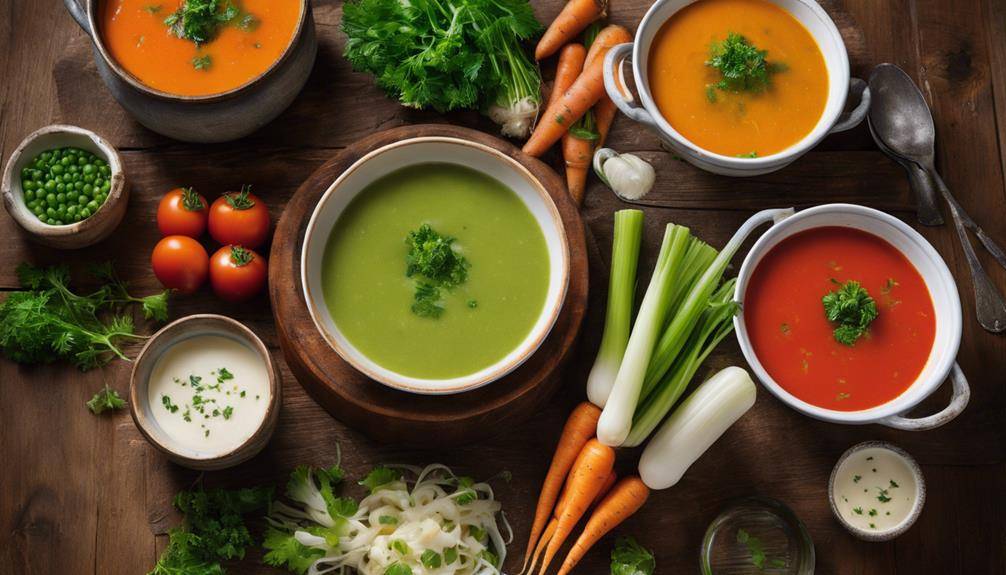
Creating Amazing Delicious Vegetarian Soups; Creating delicious vegetarian soups is easier than you think! Start with a flavorful base using fresh vegetables like onions, carrots, and celery. Choose a broth—vegetable or mushroom—to deepen the taste. Add beans or lentils for protein and fiber, and don’t forget vibrant herbs and spices to elevate the flavors. Prepare your veggies by chopping them into consistent sizes for even cooking. Simmer the ingredients to meld flavors and adjust seasonings as needed. Finally, get creative with garnishes like herb oils or crunchy toppings. Stick around, and you’ll discover exciting recipe ideas and tips to perfect your soups!
Benefits of Vegetarian Soups
Vegetarian soups often provide a wealth of health benefits that can enhance your diet. When you choose to incorporate these soups into your meals, you’re tapping into a variety of nutritional benefits. Packed with vegetables, legumes, and whole grains, vegetarian soups are rich in vitamins, minerals, and antioxidants. These nutrients not only support your immune system but also promote overall health and well-being.
Using seasonal ingredients in your soups can further elevate their nutritional value. When you opt for fresh produce that’s in season, you’re not only ensuring maximum flavor but also benefiting from ingredients at their peak nutritional potency. Seasonal veggies like carrots, squash, and kale can add a vibrant array of flavors and textures, making your soups more enjoyable and satisfying.
Moreover, the high fiber content in vegetarian soups can aid digestion and help you feel fuller for longer. This can be particularly beneficial if you’re looking to manage your weight. By choosing soups loaded with legumes, such as lentils or beans, you’re also adding plant-based protein to your diet, which is essential for muscle health and energy levels.
Incorporating vegetarian soups into your weekly meal plan allows you to explore diverse flavors while reaping significant health benefits. Whether you’re aiming to boost your nutrient intake or simply enjoy a hearty, comforting meal, vegetarian soups can be a delicious and wholesome option. So, why not give them a try?
Essential Ingredients to Consider
When crafting a delicious vegetarian soup, the right mix of ingredients can make all the difference. Start by considering the base of your soup; fresh vegetables like onions, carrots, and celery not only provide flavor but also guarantee the nutritional value. These aromatics lay a solid foundation for any recipe.
Next, think about incorporating seasonal ingredients. Using vegetables that are in season not only enhances the taste but also assures that you’re getting the freshest produce available. For instance, in the fall, squash and kale can be excellent choices, while spring brings delightful options like asparagus and peas.
Don’t forget about legumes! Beans and lentils add protein, fiber, and an extra layer of heartiness to your soup, making it a satisfying meal. Grains, such as quinoa or barley, can also contribute to the texture and nutritional profile, giving your soup a delightful chew.
Herbs and spices are your best friends when it comes to elevating flavors. Fresh herbs like basil, cilantro, or parsley can add brightness, while spices like cumin or smoked paprika can introduce warmth and depth.
Lastly, consider the finishing touches. A squeeze of lemon or a drizzle of olive oil can brighten the entire dish, making each spoonful a delightful experience. By carefully selecting your ingredients, you’ll create a vegetarian soup that’s not just nourishing but also bursting with flavor.
Choosing the Right Broth
Selecting the right broth can elevate your vegetarian soup from good to extraordinary. When it comes to broth varieties, you’ve got plenty of options to choose from. Vegetable broth is the most common choice, but don’t overlook mushroom broth for its rich, umami flavor. You might also consider kombu dashi, a seaweed-based broth that adds a unique depth to your soup. If you’re feeling adventurous, try making a homemade broth using scraps and leftover vegetables; it’s a great way to reduce waste while enhancing the flavor of your dish.
Once you’ve picked a broth variety, think about broth enhancements to make your soup truly shine. You can sauté some onions, garlic, or ginger to create a solid flavor base before adding your broth. If you want to ramp up the taste, consider adding a splash of soy sauce, miso paste, or nutritional yeast. These ingredients can bring extra layers of flavor that complement your chosen broth.
Remember to taste as you go; this will help you achieve a perfect balance. If your broth feels too light, simmer it a bit longer to concentrate the flavors. Adding fresh or dried herbs can also enhance the overall profile, but that’s a topic for later. For now, focus on selecting the right broth and those enhancements to create a vegetarian soup that’s not just good, but truly extraordinary.
Flavorful Herbs and Spices
To elevate your vegetarian soup, incorporating flavorful herbs and spices is essential. They not only enhance the taste but also bring out the freshness of your ingredients. Start by selecting the right herb combinations. For instance, basil and oregano are classic partners that add depth to tomato-based soups, while thyme and rosemary work wonders in bean or lentil soups. Don’t hesitate to experiment with fresh and dried herbs; they each offer unique flavors and aromas.
Next, think about the spice profiles that can transform your soup into a culinary masterpiece. Cumin and coriander provide an earthy warmth that complements hearty vegetables. If you’re looking for a bit of heat, adding a pinch of cayenne or smoked paprika can awaken your taste buds. Remember that spices can be potent, so start small and adjust to your liking.
You can also explore global flavors by incorporating spices like turmeric for its vibrant color and health benefits, or garam masala for a rich, aromatic experience. Consider the balance of flavors; a hint of sweetness can be achieved with a touch of cinnamon or nutmeg.
Preparing Your Vegetables
With the right herbs and spices in mind, the next step is preparing your vegetables to confirm they shine in your soup. First, focus on vegetable selection. Choose a variety of colors and textures to create a visually appealing and flavorful base. Fresh ingredients like carrots, celery, onions, and bell peppers are excellent choices, but don’t hesitate to experiment with seasonal vegetables. The more diverse your selection, the richer your soup will be.
Once you’ve gathered your veggies, it’s time to employ effective chopping techniques. Start by washing all your vegetables thoroughly to remove any dirt or pesticides. For uniform cooking, aim for consistent sizes when chopping; this guarantees even tenderness. Use a sharp knife to make clean cuts, which not only speeds up the process but also minimizes bruising, helping to retain nutrients.
Consider the flavor profile of each vegetable. Softer vegetables like zucchini should be chopped into larger pieces since they cook faster, while denser ones like carrots can be diced smaller for even cooking. Don’t forget to save any scraps! Vegetable peels, stems, and leaves can be used to create a flavorful broth.
Lastly, organize your chopped vegetables by type and cooking time. This preparation will make it easier to add them to your soup at the right moments, confirming every ingredient contributes its best to the final dish. With these steps, you’re well on your way to creating a delicious vegetarian soup!
Cooking Techniques for Soups
Cooking vegetarian soups requires a solid understanding of various techniques that bring out the best flavors and textures. One of the key methods is sautéing your aromatics—onions, garlic, and spices—in a bit of oil before adding the other ingredients. This step helps in layering flavors, allowing them to meld together beautifully and create a rich, aromatic base for your soup.
Next, consider the order in which you add your ingredients. Start with ingredients that need longer cooking times, like root vegetables or grains, followed by quicker-cooking items like leafy greens or beans. This approach guarantees that each component reaches the perfect doneness and contributes to the overall soup consistency you desire.
Don’t forget to season as you go. Adding salt or herbs at various stages of cooking enhances the flavor profile and helps develop a harmonious blend. Taste frequently, adjusting seasonings to suit your palate.
Another important technique is the simmering process. Low and slow is the name of the game. Simmering allows the flavors to deepen and the ingredients to become tender without breaking down completely. If you want a thicker soup, consider mashing or blending a portion of it to create a creamier texture while maintaining some chunky elements.
Blending Vs. Chunky Soups
When it comes to vegetarian soups, the choice between blending and leaving them chunky can greatly impact the overall experience. You might find that chunky textures offer a hearty, satisfying bite, allowing you to enjoy the individual flavors of each ingredient. Vegetables like carrots, potatoes, and beans can shine through in their full form, providing not only taste but also visual appeal. If you love the idea of a rustic soup filled with colorful ingredients, opting for a chunky style could be your best bet.
On the other hand, blending techniques can create a smooth, creamy consistency that’s perfect for a cozy, comforting meal. When you puree your soup, it melds the flavors together, resulting in a rich, velvety texture that can be incredibly satisfying. This method works beautifully with ingredients like tomatoes, squash, or lentils, making them easy to digest and enjoyable for those who prefer a softer soup.
Ultimately, it comes down to personal preference. If you enjoy the complexity of textures and the sensation of whole ingredients in your mouth, go for chunkier soups. But if you’re after a silky, refined experience, blending is the way to go. You could even mix things up by creating a hybrid soup, blending half of it and leaving the rest chunky, allowing you to enjoy the best of both worlds in one bowl.
Adding Protein and Fiber
Nourishment is key in vegetarian soups, and adding protein and fiber elevates both their nutritional value and heartiness. To create a satisfying soup, consider incorporating various vegetarian protein sources that not only enhance flavor but also boost the meal’s wellness factor. Start with nutritious legumes like chickpeas, black beans, or lentils. Each of these lentil varieties offers a unique texture and taste, while providing ample protein.
Next, don’t overlook the benefits of high fiber vegetables. Ingredients such as kale, broccoli, and carrots not only add vibrant color but also pack a fiber punch that keeps you feeling full. These vegetables complement the legumes and create a well-rounded soup.
You can also explore plant-based proteins like tofu or tempeh. When cubed and added to your soup, they soak up flavors beautifully and contribute an additional layer of texture. For a heartier option, protein-packed grains like quinoa or farro are fantastic choices. Quinoa, in particular, stands out for its complete protein profile and quick cooking time, making it a convenient addition.
Lastly, combine all these elements to craft a soup that’s not only delicious but also nourishing. By thoughtfully layering these fiber-rich ingredients and vegetarian protein sources, you’ll have a bowlful of comfort that supports your health and satisfies your cravings. Enjoy the journey of creating a delightful and nutritious vegetarian soup!
Creative Garnishes and Toppings
Enhancing your vegetarian soup with creative garnishes and toppings can elevate its presentation and flavor profile. Start by adding herb oils, like basil or cilantro, which provide a fragrant flavor infusion that complements the soup’s base. A few drops can make a world of difference.
For texture, consider incorporating crunchy toppings such as croutons or roasted seeds. These not only add a satisfying crunch but also enhance the overall experience of your soup. Spice blends can also bring exciting flavors; a sprinkle of za’atar or smoked paprika can transform a simple bowl into a culinary delight.
Yogurt swirls create a creamy contrast, balancing spicy or acidic flavors in your soup. If you’re leaning toward a tangy note, pickled vegetables offer a revitalizing twist, adding both color and zing. For a touch of elegance, don’t shy away from edible flowers. They’re not just beautiful; they can introduce subtle flavors that round out the dish.
Nutty sprinkles, such as toasted sesame seeds or chopped nuts, can add depth and richness, while citrus zest brightens up the flavors, making the soup feel lively and fresh. The combination of these garnishes can take your vegetarian soup from good to extraordinary, inviting your guests to not only enjoy the taste but also admire the presentation. So, get creative and mix and match these garnishes to make your soup truly unforgettable!
Storing and Reheating Soups
Proper storage and reheating of soups is essential for preserving their flavor and freshness. First, let your soup cool down to room temperature before you store it. This helps prevent moisture buildup, which can lead to spoilage. Use airtight storage containers to keep your soup sealed and flavorful. Glass or BPA-free plastic containers work best. If you’re planning to save soup for an extended period, it’s a great idea to use freezing tips. Divide your soup into smaller portions; this way, you can easily thaw just what you need without having to defrost the entire batch.
When you’re ready to reheat your soup, you’ve got a couple of options. The safest method is to thaw it in the refrigerator overnight, but if you’re in a hurry, you can reheat it straight from the freezer. Just place the frozen soup in a saucepan over low heat and stir it occasionally until it’s heated through. Alternatively, you can use the microwave, but make sure to cover the container to avoid splatters.
As you reheat, keep an eye on the texture and flavor. If the soup seems thick, add a splash of vegetable broth or water to bring it back to life. Always taste before serving; sometimes a little seasoning adjustment is all it needs. With these tips, you’ll enjoy your delicious vegetarian soups just as much on the second day as you did on the first!
Inspiring Recipe Ideas
When you’re ready to whip up some vegetarian soups, consider hearty bean soups that are packed with protein and flavor. Flavorful vegetable broths can serve as a delicious base for countless dishes, while creamy pureed varieties offer a comforting texture. Let’s explore these inspiring recipe ideas to elevate your cooking game!
Hearty Bean Soups
Hearty bean soups are a fantastic way to pack your meals with nutrition and flavor. With a variety of bean varieties to choose from, you can easily create a soup that satisfies your taste buds and fills you up. Black beans, kidney beans, and cannellini beans each bring their unique textures and flavors to the pot.
Start by sautéing onions, garlic, and your favorite spices to build a flavorful base. Then, add your chosen beans, whether they’re canned or dried (just remember to soak dried beans overnight). For a creamy soup texture, blend a portion of the mixture until smooth, then stir it back in. If you prefer a chunkier soup, leave the beans whole for a heartier bite.
Don’t forget to incorporate seasonal vegetables like spinach, carrots, or bell peppers for added nutrition and color. A splash of lime or a sprinkle of fresh herbs can elevate your soup even more. Serve it with crusty bread or over a bed of rice for a complete meal. Enjoy experimenting with different bean varieties and soup textures to find your perfect hearty bean soup!
Flavorful Vegetable Broths
A rich, aromatic vegetable broth can be the foundation of countless soups and stews, adding depth and flavor to your dishes. To create a memorable broth, start by sautéing a mix of onions, garlic, and carrots in olive oil. This trio forms a flavorful base. Next, toss in your choice of vegetables like mushrooms, celery, and bell peppers for extra umami enhancement. Don’t forget to include some herbs like thyme, bay leaves, or parsley to elevate the flavors.
Broth variations are endless. Try adding a splash of soy sauce or miso for a deeper umami kick, or experiment with roasted vegetables for a smoky nuance. If you’re feeling adventurous, throw in some dried mushrooms or seaweed, which not only enrich the broth but also provide a unique taste.
Once your vegetables are tender, cover everything with water and let it simmer for at least an hour. Strain the liquid, and you’ve got a delicious broth ready to serve as the base for your favorite soups. With these tips, you can easily whip up a flavorful vegetable broth that’ll enhance any dish you create!
Creamy Pureed Varieties
Pureed vegetable soups offer a velvety texture and rich flavor that can elevate any meal. If you’re looking for creamy variations, start with classic ingredients like roasted butternut squash or creamy cauliflower. Simply roast the vegetables until tender, then blend them with vegetable broth for a smooth consistency.
Texture techniques, like incorporating a splash of coconut milk or cashew cream, can transform your soup into a luxurious dish. Try adding a handful of spinach or kale during the blending process to enhance both flavor and nutrition without compromising that creamy texture.
For something unique, experiment with a roasted red pepper and tomato soup. Blend the roasted peppers with tomatoes, garlic, and a touch of balsamic vinegar for a deliciously tangy flavor.
Don’t forget to season generously; a pinch of nutmeg or smoked paprika can elevate your soup’s profile. Top with a drizzle of olive oil or a sprinkle of fresh herbs for an inviting finish. With these ideas, you’ll create satisfying, creamy pureed soups that are perfect for any occasion. Happy cooking!
Frequently Asked Questions: Creating Amazing Delicious Vegetarian Soups
Can I Freeze Vegetarian Soups for Later Use?
Yes, you can freeze vegetarian soups for later use. Just use proper freezing techniques and airtight containers for soup storage. This way, you’ll enjoy delicious, convenient meals whenever you want without losing flavor or texture.
How Long Do Vegetarian Soups Typically Last in the Fridge?
Vegetarian soups typically last about 3 to 5 days in the fridge. To maximize their shelf life, store them in airtight containers and cool them quickly before refrigeration to maintain freshness and flavor.
What Kitchen Tools Are Essential for Making Soups?
To make great soups, you need essentials like a sturdy pot, a quality blender for soup blending techniques, and a sharp knife. Don’t forget measuring cups for flavor enhancement tips; they help balance your ingredients perfectly.
Can I Use Leftover Vegetables in My Soup?
Using leftover vegetables in your soup not only reduces waste but also enhances flavor. You’ll discover creative soup combinations, maximizing nutrition while enjoying the benefits of your kitchen scraps. It’s a win-win!
How Can I Make My Soup Spicier?
To make your soup spicier, add spice blends like cayenne or chili powder. Adjust the heat levels gradually, tasting as you go, until you find the perfect balance that suits your palate. Enjoy the kick!

Conclusion
Now that you’ve got the scoop on creating delicious vegetarian soups, it’s time to get cooking! Remember to experiment with different ingredients, flavors, and textures to find what you love most. Whether you’re enjoying a cozy bowl at home or sharing with friends, your homemade soup is sure to impress. So grab your favorite veggies, spices, and garnishes, and start crafting your perfect pot of goodness. Happy cooking!
If you enjoyed exploring this topic and want to dive even deeper, be sure to check out some of our other articles here on Infinite Flavors. From rich culinary histories to creative twists on classic recipes, there’s always something new to discover. Whether you’re curious about the origins of a dish, looking for fresh inspiration in the kitchen, or simply love learning about food culture, our collection of posts is the perfect next step on your flavor journey.
Why Opt For Amazing Vegetarian BBQ
8 Great Techniques For Healthy Vegetarian Meal Preparation
Effortless Guide To Amazing Large-Scale Vegetarian Cooking