Why Is Meal Prep Crucial For Heart Patients
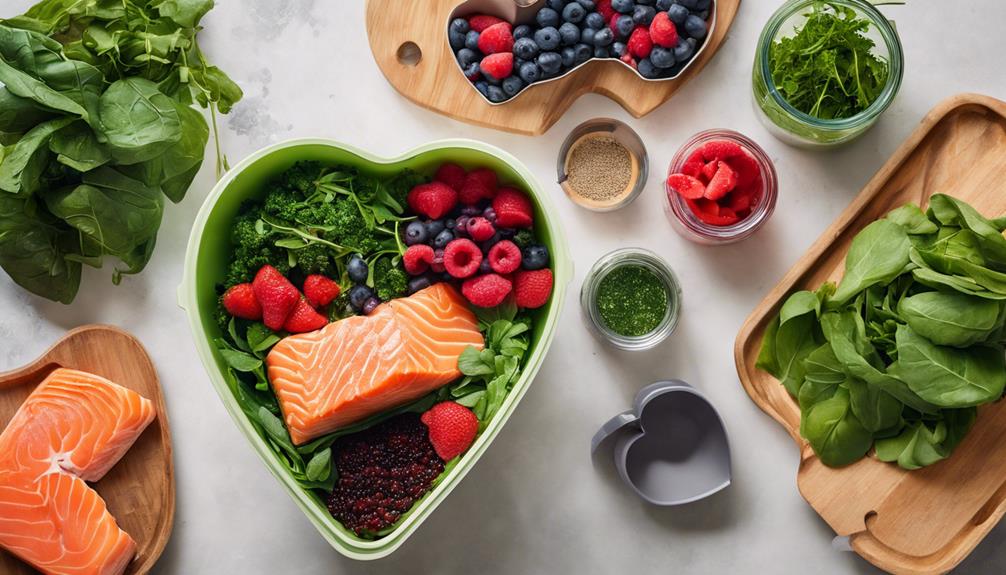
Why Is Meal Prep Crucial For Heart Patients; Meal prep is essential for heart patients because it helps you take control of your diet and make healthier choices. By planning your meals, you can focus on nutritious ingredients like fruits, whole grains, and lean proteins, which support heart health. It also promotes portion control, reducing the risk of overeating. Prepping meals in advance minimizes impulse decisions that could lead to unhealthy options. Plus, it saves time during the week and keeps your grocery shopping efficient. Adopting meal prep strategies could be the key to sustaining a heart-healthy lifestyle, and there’s much more to explore about its benefits.
Understanding Heart Health
Understanding heart health is fundamental for anyone looking to maintain a strong and resilient cardiovascular system. To effectively combat heart disease, you need to adopt a holistic approach that emphasizes cardiovascular wellness. This involves making meaningful lifestyle changes that can notably impact your heart’s health.
Start by examining your dietary habits. Incorporating heart-healthy foods can help you manage cholesterol levels and blood pressure, both of which are essential for preventing heart-related issues. Regular health screenings will help you monitor these critical metrics, ensuring you stay informed about your cardiovascular status.
Physical activity plays a key role in heart health. Aim for at least 150 minutes of moderate exercise each week. This doesn’t have to be overwhelming; simple activities like walking or biking can make a difference. Additionally, managing stress is equally important. High stress can lead to inflammation, which negatively affects your heart. Implementing effective stress management techniques such as meditation or yoga can greatly enhance your cardiovascular wellness.
Don’t forget about inflammation reduction. Incorporating anti-inflammatory foods into your meals can help lower inflammation levels, further protecting your heart. Regular check-ups with your healthcare provider will help you stay on track and make necessary adjustments to your routine.
The Importance of Nutrition
Nutrition plays an essential role in maintaining heart health, and making informed food choices can greatly impact your cardiovascular well-being. By focusing on nutritional balance, you can provide your body with the necessary nutrients to support a healthy heart. This means incorporating a variety of foods rich in vitamins, minerals, fiber, and healthy fats while limiting saturated fats, sodium, and added sugars.
Following dietary guidelines is essential for heart patients. These guidelines often recommend a diet high in fruits, vegetables, whole grains, lean proteins, and healthy fats, such as those found in avocados, nuts, and olive oil. By adhering to these recommendations, you can help lower your cholesterol levels and reduce your risk of heart disease.
It’s also important to pay attention to portion sizes and meal frequency. Eating smaller, balanced meals throughout the day can help regulate your blood sugar levels, preventing spikes that could negatively affect your heart. Staying hydrated is equally important, so make sure you’re drinking enough water each day.
Don’t underestimate the power of planning. Developing a meal prep strategy allows you to choose heart-healthy ingredients ahead of time, ensuring you stick to your nutritional goals. When you take the time to prepare your meals, you’re more likely to avoid unhealthy fast food options that can derail your heart health efforts. Remember, your heart deserves the best, and investing in your nutrition is an essential step toward achieving better cardiovascular health.
Benefits of Meal Prep
Preparing your meals in advance offers numerous advantages, especially for those focused on heart health. One of the key benefits is the ability to guarantee meal variety. When you plan ahead, you can incorporate a range of ingredients and flavors, making your meals more enjoyable and less monotonous. This variety not only satisfies your taste buds, but it also guarantees you’re getting a wide array of nutrients, which is essential for maintaining heart health.
Another significant advantage is the impact on budget considerations. By planning your meals, you can create a shopping list that minimizes impulse purchases and reduces food waste. When you buy only what you need for the week, you save money and make your grocery shopping more efficient. Plus, cooking in batches often allows you to take advantage of bulk discounts, further stretching your budget.
Meal prep also encourages healthier choices. When you have nutritious meals ready to go, you’re less likely to reach for unhealthy options when you’re hungry or pressed for time. This proactive approach sets you up for success, supporting your heart health goals.
Ultimately, meal prepping helps you take control of your diet, making it easier to stick to a heart-healthy eating plan. By focusing on meal variety and being mindful of your budget, you can create a routine that supports both your health and your lifestyle.
Portion Control Awareness
How can you guarantee you’re eating the right amounts to support your heart health? It starts with being aware of your portion sizes. By practicing mindful eating, you can cultivate a deeper understanding of your body’s hunger cues and learn to recognize when you’re satisfied. This awareness helps you make balanced servings that align with serving recommendations tailored for heart health.
Food journaling can be a powerful tool in this journey. By tracking what you eat, you can develop calorie awareness and see patterns in your eating habits. This insight enables you to adjust your portions, ensuring you’re not overeating or undernourishing yourself.
Another effective strategy is the plate method. Visual portions can guide you in creating meals that are both nutritious and satisfying. Fill half your plate with vegetables, a quarter with lean proteins, and the remaining quarter with whole grains. This approach not only promotes healthy choices but also helps you visualize appropriate serving sizes.
As you adjust to these practices, listen to your hunger cues. They’ll guide you in determining how much to eat, helping you avoid mindless snacking or overeating during meals. By focusing on portion control awareness, you’re not only supporting your heart health but also fostering a healthier relationship with food. Ultimately, it’s about making conscious decisions that lead to a heart-healthy lifestyle, ensuring you’re fueling your body with the right amounts of the nutrients it needs.
Reducing Unhealthy Choices
When it comes to heart health, making smarter choices in your diet can greatly impact your well-being. One effective way to reduce unhealthy choices is to plan your meals ahead of time. By prepping your meals, you’ll have greater control over what you eat, allowing you to steer clear of impulsive decisions that often lead to unhealthy eating.
Start by exploring grocery alternatives that align with heart-healthy guidelines. Instead of reaching for processed snacks high in sodium and unhealthy fats, stock your kitchen with fresh fruits, vegetables, whole grains, and lean proteins. When grocery shopping, read labels and compare products. This practice not only helps you make informed choices but also encourages mindful eating habits.
Incorporating mindful eating means paying attention to what you consume and savoring each bite. As you prepare your meals, take the time to appreciate the flavors and textures of wholesome ingredients. This approach can curb cravings for unhealthy options, as you’ll be more satisfied with the meals you’ve created.
Additionally, consider batch cooking heart-healthy recipes and freezing portions for later. When hunger strikes, you’ll have nutritious options readily available, reducing the temptation to grab takeout or junk food. By consciously choosing healthier grocery alternatives and practicing mindful eating, you can considerably reduce unhealthy choices in your diet and support your heart health. Remember, every small decision counts!
Time-Saving Advantages
When you meal prep, you’ll find grocery shopping becomes a breeze, letting you grab what you need quickly. The cooking process also turns efficient, saving you valuable time during the week. These time-saving advantages can make managing your heart health feel less overwhelming.
Efficient Grocery Shopping
Efficient grocery shopping can save you both time and stress, especially when managing a heart-healthy diet. By creating a detailed grocery list before you head out, you’ll guarantee you grab everything you need without wandering the aisles aimlessly. Incorporate budget planning into your shopping strategy to keep your expenses in check while still focusing on nutritious options.
Consider using seasonal ingredients; they’re often fresher and more affordable. You can also benefit from bulk buying pantry staples, like whole grains and legumes, which can save time and money in the long run. Meal planning is vital—take time each week to organize recipes that align with your heart-healthy goals. This way, you can shop with purpose, targeting specific items that fit your planned meals.
Don’t forget to keep your grocery list organized by category, grouping similar items together. This strategy not only speeds up your shopping trip but also helps guarantee you don’t overlook anything essential. With these efficient shopping strategies, you’ll find that maintaining a heart-healthy diet becomes much more manageable, leaving you with more time to enjoy your meals.
Streamlined Cooking Process
A streamlined cooking process can greatly cut down the time you spend in the kitchen, making it easier to stick to your heart-healthy meal plan. By focusing on time efficiency, you can prepare nutritious meals without feeling overwhelmed. Start by organizing your kitchen; keep essential tools and ingredients easily accessible. This not only saves time but also reduces stress while cooking.
When you prep ingredients in advance, like chopping vegetables or marinating proteins, you’ll notice how quickly you can throw meals together. Batch cooking is another effective strategy. By preparing larger portions and storing them, you can enjoy several meals throughout the week without the daily hassle.
Utilizing one-pot or sheet pan recipes can also simplify your cooking. These methods minimize cleanup and allow you to enjoy delicious meals with less effort. Ultimately, a well-structured approach allows you to maintain a heart-healthy diet without sacrificing your valuable time. Embrace a streamlined cooking process, and you’ll find it easier to prioritize your health while enjoying the benefits of nutritious meals.
Planning Heart-Healthy Meals
How can you guarantee your meals support heart health while still being delicious? Start by incorporating heart-healthy grains like quinoa, brown rice, or whole-wheat pasta into your weekly meal plan. These grains provide essential fiber and nutrients that benefit your heart. Next, opt for lean proteins such as chicken breast, turkey, or plant-based options like lentils and chickpeas. They’ll keep your meals satisfying without piling on unhealthy fats.
Don’t forget to load up on colorful vegetables! They’re packed with vitamins, minerals, and antioxidants. Think of bell peppers, spinach, and carrots to brighten your plate and boost flavor. When it comes to fats, choose nutritious fats like avocados, nuts, and olive oil, which can help lower bad cholesterol levels.
To enhance the flavor of your meals, use herbs and spices as flavor enhancements instead of salt. Experiment with cooking techniques like grilling, steaming, or roasting to retain the natural goodness of your ingredients while adding depth to your dishes.
Meal variety is essential, so don’t shy away from ingredient swaps. Substitute white rice for cauliflower rice or use zucchini noodles instead of traditional pasta. Seasonal produce is also a great way to keep your meals fresh and exciting. By making smart substitutions, you can enjoy a diverse menu that supports heart health without sacrificing taste. Plan your meals with these guidelines, and you’ll find that heart-healthy eating can be both enjoyable and fulfilling.
Incorporating Whole Foods
Incorporating whole foods into your meal prep can greatly boost your heart health. These nutrient-rich options offer numerous benefits, from reducing inflammation to supporting overall wellness. Let’s explore some delicious meal ideas and tips to make whole foods a staple in your kitchen.
Benefits of Whole Foods
Whole foods offer a treasure trove of benefits for heart patients, greatly enhancing overall health. By focusing on whole, unprocessed foods, you’re fueling your body with nutrient-dense options that can lower cholesterol levels, reduce blood pressure, and improve heart function. These foods, rich in vitamins, minerals, and antioxidants, help combat inflammation and oxidative stress, which are essential for maintaining a healthy cardiovascular system.
Incorporating whole grains into your meals is another crucial aspect. Whole grains, unlike their refined counterparts, retain their fiber and nutrients, which can help regulate blood sugar and promote heart health. When you choose whole grains, you’re not just making a healthier choice; you’re also ensuring your meals are more filling, which can aid in weight management.
Moreover, whole foods are typically lower in added sugars, unhealthy fats, and sodium, making them perfect for heart health. By prioritizing these choices, you’ll find that meal prep becomes more straightforward and enjoyable. You’ll be setting yourself on a path toward better health, empowering you to take control of your heart health one delicious meal at a time.
Meal Ideas and Tips
When planning meals for heart health, consider vibrant options that incorporate whole foods to maximize nutrition and flavor. Start with colorful salads loaded with greens, tomatoes, and nuts, topped with flavorful dressings made from olive oil and vinegar. Hearty soups, like lentil or vegetable, can be prepared in batches for quick, nutritious lunches or dinners.
Protein bowls are perfect for a satisfying meal, combining quinoa or brown rice with roasted vegetables and your choice of lean protein, like grilled chicken or beans. For snacks, opt for nutrient-dense options like hummus with carrot sticks or a handful of nuts to keep your energy levels up throughout the day.
Don’t forget easy breakfasts, such as overnight oats topped with berries and seeds. Versatile grains, like farro or barley, can be used in various dishes, adding texture and fiber. Ultimately, satisfying wraps, filled with fresh veggies and lean proteins, make for a convenient meal on the go. By incorporating these meal ideas, you’ll not only support your heart health but also enjoy delicious and fulfilling food every day.
Balancing Macronutrients
Balancing macronutrients is essential for heart health, ensuring you get the right mix of carbohydrates, proteins, and fats. The key lies in understanding macronutrient ratios that support your overall well-being. Focus on high-quality protein sources, such as legumes, fish, and lean meats, to promote muscle health and repair. For carbohydrates, prioritize complex carbohydrate types like whole grains, fruits, and vegetables that are rich in fiber. These choices not only enhance energy balance but also aid in controlling cholesterol levels.
When it comes to fat choices, opt for healthy fats, such as avocados, nuts, and olive oil, which can benefit heart function. Remember, portion sizes matter too; even healthy foods can contribute to weight gain if consumed excessively. Adhering to dietary guidelines helps you maintain a balanced approach, ensuring you’re meeting your nutritional needs without overindulging.
Meal timing can also play a role in how your body processes these macronutrients. Spreading your meals throughout the day can stabilize energy levels and limit cravings. Additionally, focus on nutrient density—choosing foods that provide more vitamins and minerals per calorie will help you make healthier choices. By being mindful of your fiber intake, you can support digestion and reduce the risk of heart disease. Balancing these macronutrients in your meal prep not only fosters heart health but also empowers you to make informed dietary choices that enhance your overall quality of life.
Managing Sodium Intake
Managing your sodium intake is essential for heart health, so it’s important to understand how sodium affects your body. Start by reading food labels carefully and selecting lower-sodium options whenever possible. You can also explore simple ways to cook delicious low-sodium meals that fit your dietary needs.
Understanding Sodium’s Impact
Many people don’t realize how essential sodium management is for heart health. Understanding sodium’s impact helps you make better choices. High sodium intake can lead to increased blood pressure, putting extra strain on your heart. That’s why sodium awareness is important. Many common sodium sources, like processed foods and restaurant meals, can sneak their way into your diet without you even knowing.
To maintain heart health, it’s important to follow sodium recommendations, which typically advise a limit of 2,300 mg per day. However, for some, a reduction to 1,500 mg may be more beneficial. Embracing sodium alternatives, such as herbs and spices, can enhance flavor without the added sodium effects that come from salt.
It’s also important to break through sodium misconceptions; not all sodium is bad, but managing it is key. Familiarizing yourself with sodium guidelines empowers you to make informed decisions. Remember, even small changes in sodium reduction can lead to significant health improvements. By prioritizing sodium management in your meal prep, you’re taking an essential step towards a healthier heart.
Reading Food Labels
When you immerse yourself in grocery shopping, reading food labels is essential for controlling your sodium intake. By employing effective reading strategies, you can decode labels to make informed choices. Start by checking the serving sizes, as many products list sodium per serving rather than per package. This helps you understand how much sodium you’re actually consuming.
Next, focus on ingredient awareness. Look for hidden sources of sodium, like preservatives and flavor enhancers. Make use of nutritional comparisons between similar products to find lower-sodium options. Don’t be swayed by health claims on the front of packages—always read the back for the real information.
Keep up-to-date with label regulations and dietary guidelines, as they can help you set a sodium intake limit that aligns with your health goals. Mindful shopping involves not just avoiding high-sodium items but also being aware of portion sizes. Remember that what seems like a healthy choice may not be so if it contains too much sodium. By practicing these label decoding techniques, you can better manage your sodium intake and support your heart health effectively.
Cooking Low-Sodium Meals
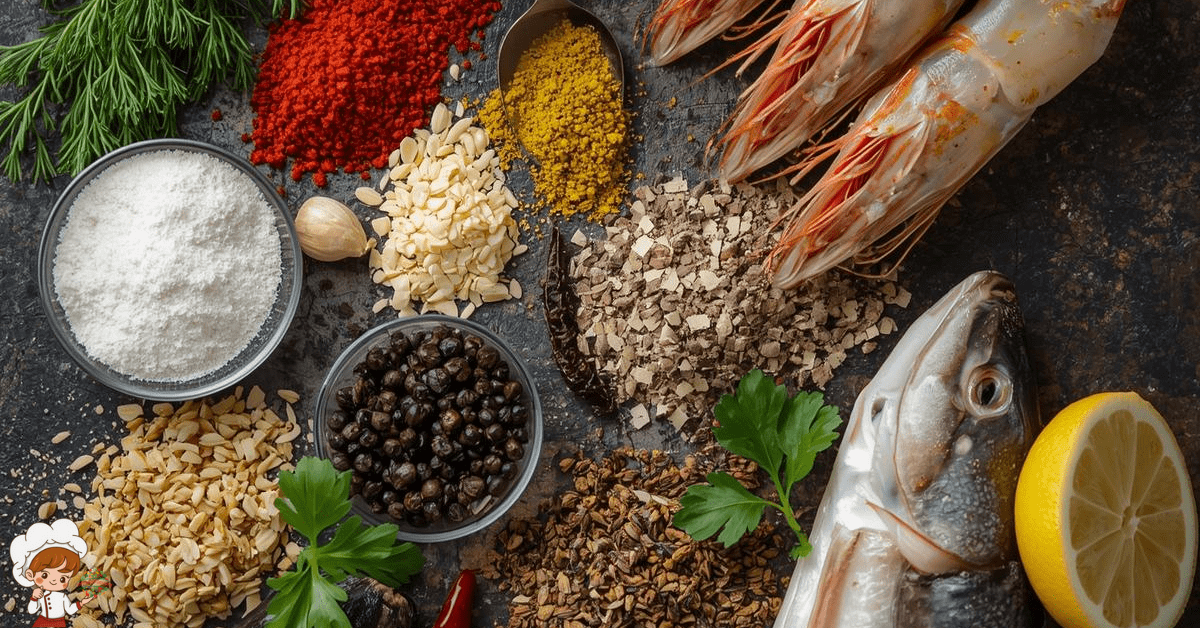
Cooking low-sodium meals can be a game-changer for heart health. By managing your sodium intake, you can help lower blood pressure and reduce the risk of heart-related issues. Start by exploring herbs and spices as flavor alternatives to traditional salt. Garlic, rosemary, and cumin can elevate any dish without the added sodium.
When it comes to meal seasoning, consider using vinegar or citrus juices to enhance flavors. Experiment with cooking techniques like roasting or grilling, which naturally intensify the taste of your ingredients. Don’t hesitate to make ingredient substitutions; for instance, swap out high-sodium sauces for homemade versions using low-sodium broth.
To keep meal variety in your diet, get creative with recipes that feature fresh vegetables, whole grains, and lean proteins. You can even develop your culinary skills by attending a low-sodium cooking class or watching online tutorials. The more you practice, the more confident you’ll become in preparing delicious meals that support your heart health. Remember, cooking low-sodium doesn’t mean sacrificing taste; it’s all about discovering new flavors and techniques that work for you.
Preparing Snacks Wisely
Smart snack choices can make a significant difference for heart patients looking to maintain a healthy diet. Instead of reaching for high-sodium or processed snacks, consider nutrient-dense snack alternatives that provide essential vitamins and minerals. Fresh fruits, vegetables, and nuts are excellent choices that offer both flavor and health benefits.
When preparing snacks, think about portion sizes to avoid overeating. It’s easy to grab a large bag of chips, but transferring a single serving into a small bowl can help you stick to healthier limits. Opt for smart swaps, like swapping potato chips for air-popped popcorn seasoned with herbs for a satisfying crunch without the harmful fats.
Flavor enhancements can also elevate your snacks. A sprinkle of cinnamon on apple slices or a drizzle of balsamic glaze on roasted veggies can make a world of difference. For those days when you need an energy boost, keep whole-grain crackers or hummus on hand for a quick pick-me-up.
Don’t forget about convenience options. Pre-packaging your snacks in grab-and-go bags can save time and help you stay on track. Additionally, hydration tips are vital; sometimes, thirst can be mistaken for hunger. Keep a water bottle nearby and hydrate often.
Staying Motivated With Meal Prep
Meal prepping can be a game-changer for heart patients, providing a structured approach to maintaining a healthy diet. However, staying motivated during this process can sometimes be challenging. To keep your meal prep motivation high, start by setting clear, achievable goals. Whether it’s cooking a week’s worth of lunches or trying a new heart-healthy recipe, having specific targets can give you a sense of purpose.
Another effective strategy is to establish meal prep accountability. Share your goals with a friend or family member who can support you. You might even consider joining a meal prep group online or in person, where members share tips, recipes, and progress. This sense of community can keep you engaged and inspired.
Visual reminders can also boost your motivation. Create a colorful meal prep chart or board that outlines your planned meals for the week. Seeing your goals visually can serve as a constant reminder of your commitment to a heart-healthy lifestyle.
Don’t forget to celebrate your successes, no matter how small. Each meal you prep is a step towards better health. Reward yourself after a successful meal prep session, whether it’s enjoying a favorite snack or taking a relaxing break.
Overcoming Common Challenges
Traversing the world of heart-healthy eating can present several challenges, but recognizing and addressing them can make your meal prep journey smoother. One common hurdle you might face is time constraints. To tackle this, implement effective meal planning strategies. Set aside a specific time each week to plan your meals, focusing on simple recipes that align with your dietary needs. Batch cooking is another great way to save time; prepare larger portions during your meal prep day to have leftovers ready for busy nights.
Another challenge is maintaining kitchen organization. A cluttered space can make meal prep feel overwhelming. Utilize kitchen organization tips to create a functional cooking environment. Keep your pantry stocked with heart-healthy staples like whole grains, beans, and frozen vegetables. Designate specific areas for these items, so you can easily find what you need when cooking. Investing in clear containers for storing prepped ingredients can also help you stay organized and reduce food waste.
Lastly, don’t forget to involve your family in the process. Encourage them to join you in meal prep, making it a fun and collaborative activity. This not only helps you stay on track but also promotes heart-healthy eating habits for everyone. By addressing these common challenges with targeted meal planning strategies and kitchen organization tips, you’ll find it easier to maintain a heart-healthy lifestyle.
Resources for Meal Prep
Finding the right resources for meal prep can make a significant difference in your journey toward heart-healthy eating. You can start by exploring meal prep apps that simplify your planning and tracking. These apps often include features for creating shopping lists based on your dietary restrictions, guaranteeing you stick to heart-smart choices.
Consider enrolling in cooking classes tailored for heart patients. These classes not only teach you healthy cooking techniques but also introduce you to new ingredients and flavors. Pair this with recipe books focused on heart health for diverse meal options you can prepare at home.
Nutrition guides are invaluable for understanding your specific dietary needs. They can help you identify which foods to embrace and which to limit, making your meal prep more effective. Additionally, joining online communities can provide support and inspiration from others on a similar journey.
Don’t overlook the importance of portion containers and kitchen tools designed for efficient meal prep. These items can help you maintain appropriate serving sizes, making it easier to stick to your goals.
If cooking feels overwhelming, meal delivery services specializing in heart-healthy options can be a lifesaver. They save time and guarantee you’re getting nutritious meals without the hassle.
Frequently Asked Questions: Why Is Meal Prep Crucial For Heart Patients
Can Meal Prep Help Lower Cholesterol Levels Effectively?
Yes, meal prep can effectively support cholesterol reduction. By engaging in meal planning, you control ingredients and portion sizes, making healthier choices easier. This proactive approach helps you maintain a balanced diet and lower cholesterol levels.
How Often Should Heart Patients Meal Prep Each Week?
You should meal prep at least once a week to maintain portion control and guarantee balanced nutrition. This weekly frequency helps you stay organized, making it easier to stick to heart-healthy eating habits.
What Kitchen Tools Are Essential for Efficient Meal Prep?
For efficient meal prep, you’ll need essential kitchen tools like sharp knives, cutting boards, storage containers, and measuring cups. These items enhance kitchen organization and improve time management, making your meal prep smoother and quicker.
Are There Specific Diets Recommended for Heart Patients?
Yes, specific diets are recommended for heart patients. You should focus on heart healthy recipes that align with your dietary restrictions, emphasizing fruits, vegetables, whole grains, and lean proteins while limiting saturated fats and sodium.
Can Meal Prep Assist With Medication Management for Heart Patients?
Meal prep can greatly assist you with medication management by ensuring you adhere to your medication schedule. It also simplifies dietary tracking, making it easier to monitor food intake and its impact on your health.

Conclusion
Incorporating meal prep into your routine is essential for supporting heart health. By taking control of your nutrition, you can make healthier choices, manage portion sizes, and avoid unhealthy temptations. With a little planning, you’ll find it easier to stay motivated and overcome challenges. Remember, every small effort counts towards better heart health. So, start prepping today, and empower yourself to live a healthier, happier life! Your heart will thank you.