What Are The Great Legumes Used In Egyptian Cuisine
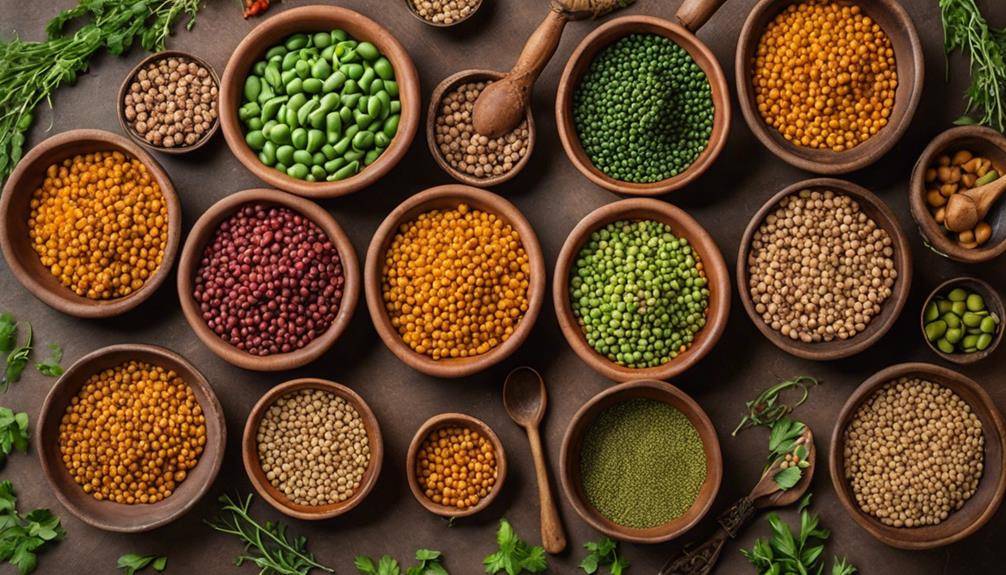
The Great Legumes Used In Egyptian Cuisine; In Egyptian cuisine, legumes are essential, bringing nutrition and flavor to meals. You’ll often find fava beans, known as “ful,” featured in the popular dish ful medames, a satisfying breakfast. Lentils also play a significant role, cooked into hearty soups or spiced dishes. Chickpeas are a staple too; they’re transformed into falafel or creamy hummus, showcasing their versatility. Black-eyed peas add a distinctive flavor, especially in traditional recipes like loubia. Each legume contributes uniquely, enriching the flavors and nutritional value of your dishes. There’s so much more to explore about these treasured ingredients in Egyptian cooking.
Overview of Legumes in Egypt
Legumes play an essential role in Egyptian cuisine, offering both nutrition and flavor. When you explore the culinary landscape of Egypt, you’ll quickly discover that beans, lentils, and chickpeas are staples in many traditional dishes. These ingredients not only provide crucial proteins and nutrients but also reflect the cultural significance of food in Egypt. You’ll notice how legumes contribute to the rich tapestry of flavors, textures, and aromas that define Egyptian meals.
The culinary diversity found in Egypt is remarkable, with legumes at the heart of various recipes. From hearty stews to simple salads, legumes are incredibly versatile. You can enjoy them in dishes like lentil soup, which warms both body and soul, or in crispy falafel, a favorite street food. This versatility allows for creativity in the kitchen, ensuring that there’s always a new way to enjoy these nutritious powerhouses.
Moreover, legumes have a long-standing history in Egyptian society, often being associated with festivals and communal gatherings. They provide a sense of belonging and shared experience, linking generations through food traditions. When you partake in a meal featuring legumes, you’re not just satisfying your hunger; you’re also connecting with a rich cultural heritage that has thrived for centuries.
Ful Medames
Ful Medames is a beloved Egyptian dish that showcases the delightful richness of fava beans. You’ll find this dish served across Egypt, from street vendors to upscale restaurants, making it a staple in the local cuisine. The ful preparation is straightforward yet incredibly satisfying. Typically, dried fava beans are soaked overnight, then slow-cooked until they’re tender. This cooking method allows the beans to absorb flavors, creating a creamy texture that’s hard to resist.
Once your fava beans are cooked, you can customize your dish with various toppings and spices. Common ful variations include adding olive oil, lemon juice, garlic, and cumin, which enhance the natural taste of the beans. Some people enjoy it garnished with fresh parsley or diced tomatoes, while others might opt for a drizzle of tahini for an extra layer of flavor. You can even spice things up with hot pepper or serve it with a side of hard-boiled eggs for a heartier meal.
Traditionally, ful Medames is eaten for breakfast, but it can be enjoyed any time of day. What makes this dish so appealing is its versatility; it can be a simple, comforting meal or a more elaborate feast depending on your preferences. So, whether you’re at home or exploring local eateries, don’t miss the chance to savor this iconic dish that embodies the essence of Egyptian cuisine.
Ta’ameya
Another popular dish that showcases the versatility of fava beans is Ta’ameya. Often mistaken for falafel, Ta’ameya has its own unique identity rooted deeply in Egyptian culture. Made primarily from ground fava beans mixed with herbs like parsley and cilantro, it’s typically seasoned with spices and then shaped into patties before being fried to golden perfection. This dish not only tantalizes your taste buds but also tells a story of Egyptian culinary heritage.
When you plunge into Ta’ameya history, you’ll discover that it’s been enjoyed in Egypt for centuries, tracing back to the time of the pharaohs. Initially, it served as a staple food for the working class, providing a nutritious and affordable source of protein. Over the years, it has evolved, gaining popularity among people of all backgrounds.
You might also encounter various Ta’ameya variations across different regions. For instance, some cooks add ingredients like onion or garlic for an extra layer of flavor, while others might incorporate spices like cumin or coriander. In some areas, you’ll even find Ta’ameya served with a side of tahini sauce or pickles, enhancing the overall experience.
As you explore Egyptian cuisine, don’t miss the chance to savor Ta’ameya. It’s not just a meal; it’s a delicious piece of history, reflecting the essence of the land and its people.
Lentils
Lentils are a staple in Egyptian cuisine, cherished for their hearty texture and nutritional benefits. You’ll find various lentil varieties in Egyptian dishes, each bringing its own unique flavor and characteristics to the table. The most popular types include green, brown, and red lentils, each offering a different culinary experience. Green lentils hold their shape well, making them perfect for salads or side dishes. Brown lentils are versatile and often used in soups or stews, while red lentils cook quickly and become soft, ideal for purees and dals.
When it comes to cooking techniques, you have plenty of options. Boiling is a common method, allowing you to simmer the lentils until they’re tender, which usually takes about 15 to 30 minutes, depending on the variety. You can also sauté them with spices like cumin and coriander to enhance their flavor. For a traditional Egyptian dish, try making lentil soup, which combines lentils with onions, garlic, and vegetables for a comforting meal.
Don’t forget about the balance of spices! Egyptians often add a touch of lemon juice to brighten the dish, creating a perfect harmony of flavors. Whether you’re preparing a simple lentil stew or a more elaborate dish, incorporating lentils into your meals not only adds nutrition but also connects you to the rich culinary heritage of Egypt. So next time you cook, consider embracing lentils and all their delicious possibilities!
Chickpeas
Chickpeas are packed with nutrients, making them a fantastic choice for your diet. You’ll find them in many popular Egyptian dishes, adding flavor and texture. Let’s explore the health benefits and some delicious ways to enjoy chickpeas in your meals.
Nutritional Benefits of Chickpeas
Packed with essential nutrients, chickpeas offer a wealth of health benefits that make them a staple in Egyptian cuisine and beyond. Their impressive nutritional profile includes high levels of protein, fiber, vitamins, and minerals. When you incorporate chickpeas into your diet, you’re not just enjoying a delicious legume; you’re also boosting your overall health.
One of the standout health benefits of chickpeas is their ability to support digestive health. The fiber content helps promote regularity and can prevent constipation. Plus, this fiber helps you feel full longer, making it easier to manage your weight. Chickpeas also contribute to heart health by lowering cholesterol levels and maintaining healthy blood pressure.
Additionally, chickpeas are rich in essential vitamins and minerals, including folate, iron, and magnesium, which support various bodily functions. They can help stabilize blood sugar levels, making them a great option for those managing diabetes. With all these benefits, it’s clear that chickpeas deserve a prominent place on your plate. Incorporate them into your meals, and enjoy the numerous health benefits they provide while savoring their unique flavor and texture.
Popular Chickpea Dishes
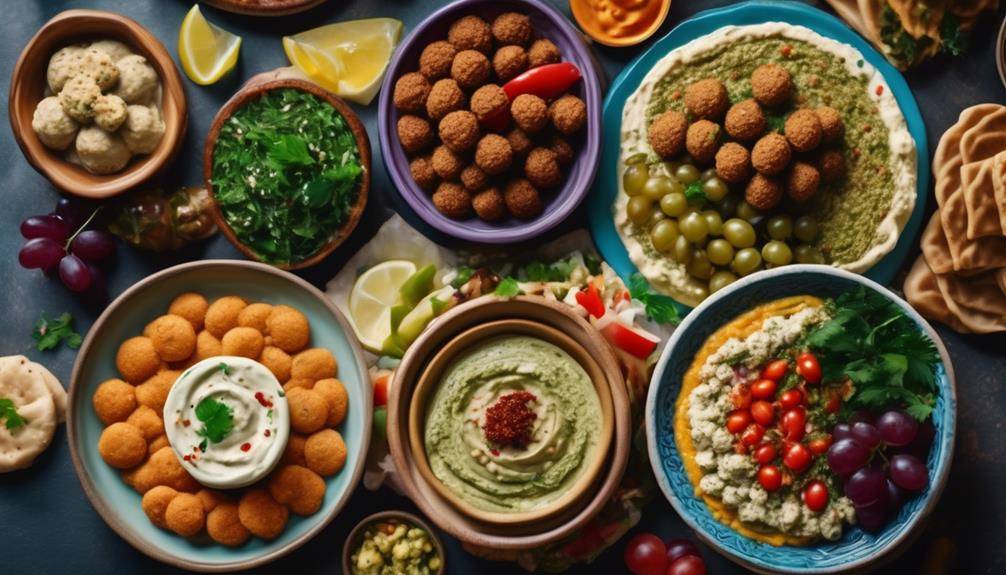
In the domain of Egyptian cuisine, a variety of delicious dishes showcase the versatility of chickpeas. One of the most popular is falafel, a deep-fried ball made from ground chickpeas. This dish has a rich chickpea history, believed to have originated in Egypt before spreading across the Middle East. You’ll often find falafel served in pita with fresh vegetables and tahini sauce, making it a favorite street food.
Another beloved dish is hummus, a creamy dip made from blended chickpeas, tahini, lemon juice, and garlic. You might enjoy it as a starter or a side dish, paired with fresh bread or vegetables.
If you’re feeling adventurous, try msabbaha, a variation of hummus that features whole chickpeas in a luscious, spiced sauce.
Chickpea varieties also play a role in Egyptian dishes, with both dried and canned options available. While you can experiment with different preparations, these chickpea dishes not only highlight the legume’s adaptability but also connect you to a rich culinary tradition that has thrived for centuries. Enjoy exploring these flavors in your kitchen!
Other Notable Legumes
Which legumes, aside from the well-known chickpeas, play an essential role in Egyptian cuisine? Two standout options are fava beans and black-eyed peas. Both legumes have deep roots in Egyptian culinary traditions and offer unique flavors and textures that elevate various dishes.
Fava beans, or “ful,” are perhaps the most iconic. You’ll often find them in dishes like “ful medames,” a hearty breakfast staple that’s slow-cooked and seasoned with spices, olive oil, and lemon. This dish is not just a breakfast option; it’s a beloved comfort food enjoyed throughout the day. You can also experiment with fava beans in salads, dips, or even as a protein-packed addition to stews.
On the other hand, black-eyed peas bring a different charm to the table. They’re commonly used in salads, soups, and festive dishes. Their slightly nutty flavor pairs well with spices and herbs, making them a versatile ingredient. You might enjoy them in a traditional Egyptian dish called “loubia,” where they’re cooked with garlic, tomatoes, and spices, creating a rich, savory experience.
Incorporating these legumes into your meals not only honors Egyptian culinary traditions but also enriches your diet with their high protein and fiber content. So next time you’re planning a meal, consider fava beans and black-eyed peas for a taste of Egypt’s vibrant culinary heritage.
Frequently Asked Questions: The Great Legumes Used In Egyptian Cuisine
Are Legumes in Egyptian Cuisine Considered Healthy Options?
Legumes in Egyptian cuisine are healthy options, offering numerous nutritional benefits like protein and fiber. Their culinary versatility allows you to enjoy them in various dishes, making them a great choice for balanced meals.
How Do Egyptians Traditionally Prepare Legumes at Home?
In traditional cooking, you’ll find Egyptians preparing legumes by soaking and simmering them slowly. These dishes often become staples for family meals, enhancing flavors with spices, garlic, and onions, creating comforting and nutritious experiences.
What Role Do Legumes Play in Egyptian Culture?
Legumes hold immense cultural significance in Egypt, serving as staples in daily meals and during traditional festivals. You’ll find them featured prominently in dishes that celebrate community, heritage, and the rich flavors of Egyptian cuisine.
Are There Any Regional Variations in Legume Dishes?
Yes, you’ll find regional legume varieties across Egypt. Each area adapts legume dishes to local tastes, creating unique flavors and textures. Exploring these adaptations reveals the rich culinary diversity that legumes contribute to Egyptian cuisine.
Can Legumes Be Found in Egyptian Street Food?
Yes, you’ll find legumes in Egyptian street food. Street vendors offer various falafel varieties made from fava beans, creating delicious, crispy snacks. These tasty treats are a must-try when exploring the vibrant street food scene.

Conclusion
In summary, legumes play an essential role in Egyptian cuisine, offering both nutrition and flavor. From the iconic ful medames and ta’ameya to versatile lentils and chickpeas, these ingredients are staples in many traditional dishes. Exploring the variety of legumes used in Egypt not only enriches your culinary experience but also connects you to the country’s rich cultural heritage. So, next time you enjoy a meal, remember the delicious legumes that make it truly special!