Must-Try Brazilian Desserts And Sweets: A Tempting Selection
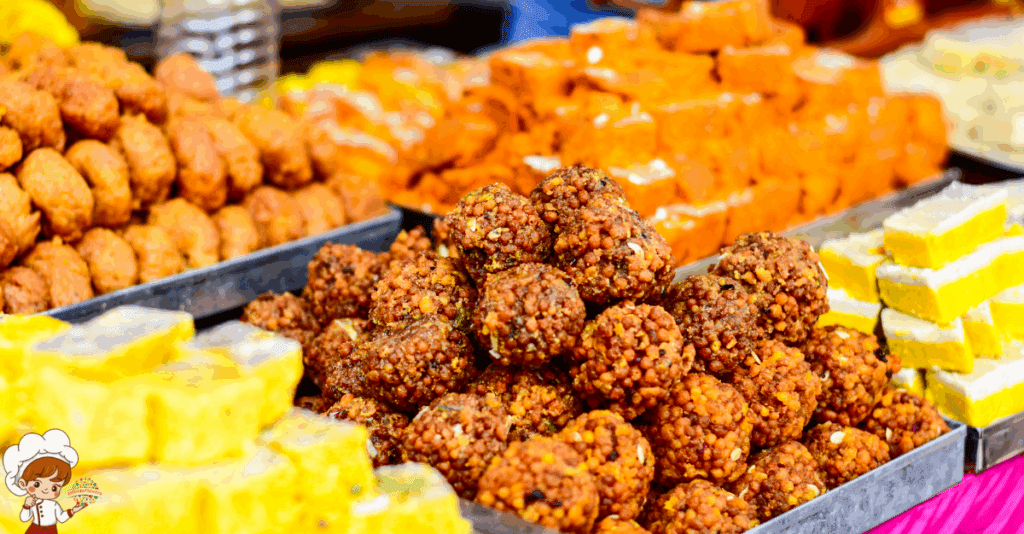
Must-Try Brazilian Desserts And Sweets; When you explore Brazilian desserts, you can’t miss brigadeiro and pudim. Brigadeiros are delightful chocolate truffles made from condensed milk, while pudim is a creamy flan with rich caramel. Try beijinho, a coconut version of brigadeiro, or quindim, a glossy coconut custard. For a unique spin, indulge in bolo de rolo, a guava-filled cake, or pão de mel, sweet honey bread. If you’re in the mood for something warm, curau offers a comforting corn delight. Don’t forget to savor the sweet-savory mix of Romeu e Julieta, combining guava paste and Minas cheese. Each treat tells a tasty Brazilian story!
Brigadeiro
Brigadeiro, the beloved Brazilian chocolate truffle, is a must-try treat for anyone with a sweet tooth. Originating in Brazil during the 1940s, brigadeiro has an interesting history tied to the country’s post-war era. Named after Brigadeiro Eduardo Gomes, a politician who ran for presidency, these delightful confections quickly became a staple at birthday parties and celebrations. You can’t help but fall in love with the rich, creamy texture and the sweet chocolate flavor that makes brigadeiro so irresistible.
As you explore brigadeiro variations, you’ll discover a world of flavors that cater to every palate. The classic recipe combines condensed milk, cocoa powder, and butter, which you then roll into small balls and coat in chocolate sprinkles. But don’t stop there! Creative cooks have taken brigadeiro to new heights by incorporating different ingredients. You might encounter brigadeiro made with white chocolate, coconut, or even sweetened condensed milk flavored with fruits like passion fruit or strawberry.
If you’re feeling adventurous, try making your own brigadeiro at home. It’s a fun and rewarding experience that allows you to experiment with flavors and toppings. Whether you stick to the classic chocolate version or get experimental with new twists, brigadeiro is sure to satisfy your cravings. So, go ahead and indulge in this delightful Brazilian treat; it’s a sweet journey you won’t want to miss!
Quindim
Quindim is a vibrant Brazilian dessert that showcases the rich flavors of coconut and egg yolks. You’ll find that its glossy, golden appearance comes from a simple yet effective combination of ingredients. Let’s explore how these key components come together and the techniques that make quindim a beloved treat.
Key Ingredients Explained
When it comes to Brazilian desserts, few can rival the delightful combination of coconut and egg yolks found in quindim. This treat showcases a few key ingredients that contribute to its unique flavor and texture. The primary ingredient, shredded coconut, brings a sweet, nutty flavor that complements the rich, creamy taste of egg yolks. Together, they create a harmonious balance of sweetness and richness that defines quindim’s key flavor profiles.
Sugar is another essential ingredient, as it enhances the dessert’s sweetness while helping to create a glossy finish. Additionally, a pinch of salt elevates the flavors, drawing out the natural sweetness of the coconut and egg yolks.
The essential texture elements of quindim come from the combination of these ingredients. The smooth, custard-like consistency is achieved through the careful blending of egg yolks, while the shredded coconut adds a delightful chewiness. This contrast makes each bite a textural experience.
As you savor quindim, you’ll appreciate how these key ingredients come together to create a dessert that’s not only delicious but also a true representation of Brazilian culinary tradition.
Preparation Techniques Overview
To create the perfect quindim, mastering the preparation techniques is essential. First, focus on ingredient sourcing. Fresh, high-quality ingredients make a world of difference. Look for vibrant, organic coconuts and farm-fresh eggs to guarantee your dessert has rich flavor and texture.
Next, you’ll want to prepare your ingredients properly. Start by grating the coconut finely and whisking the egg yolks until they’re smooth. Combine these with sugar, melted butter, and a pinch of salt. The cooking methods are vital here. You should blend the mixture until it’s velvety and well-integrated, as this will help achieve that signature silky texture.
Once your mixture is ready, pour it into greased molds. Baking quindim requires a water bath to maintain moisture, so place the molds into a larger pan filled with hot water. Bake at a low temperature until the tops are slightly golden and the insides are set but still soft.
After you’ve cooled them, gently unmold your quindim, allowing the glossy surface to shine. With practice, you’ll find the perfect balance of flavors and techniques to impress anyone with this delightful Brazilian treat.
Beijinho
One of the most beloved Brazilian treats is beijinho, a delightful coconut confection that’s sure to satisfy any sweet tooth. This sweet treat is made primarily from grated coconut, sweetened condensed milk, and butter, creating a rich, creamy texture that melts in your mouth. The first bite reveals a burst of coconut flavor that’s both invigorating and indulgent.
Beijinho holds a special place in Brazilian culture, often appearing during holiday traditions and celebrations. You might find these little coconut balls at birthday parties, Christmas gatherings, or other festive occasions. They’re usually rolled in granulated sugar or desiccated coconut, giving them a charming appearance that’s as inviting as their taste.
Making beijinho is a straightforward process, so you can easily whip up a batch to share with friends and family. Start by cooking the grated coconut, condensed milk, and butter over low heat, stirring until the mixture thickens and pulls away from the pan. Once it cools, you can shape it into small balls, roll them in sugar or coconut, and voila! You’ve got a delicious treat that’s ready to impress.
As you indulge in these coconut delights, you’re not just enjoying a sweet; you’re also partaking in a cherished aspect of Brazilian culture. Whether you’re celebrating a holiday or simply treating yourself, beijinho is a must-try dessert that embodies the spirit of joy and togetherness.
Pudim
When you think of Brazilian desserts, pudim might come to mind as a classic flan variation that’s loved by many. This creamy caramel delight is perfect for any occasion, and knowing how to serve and enjoy it can elevate your dessert experience. Let’s explore what makes pudim a standout treat in Brazilian cuisine.
Classic Flan Variation
Pudim, a beloved Brazilian dessert, captures the essence of indulgence with its silky texture and rich caramel flavor. This classic flan variation has a fascinating flan history, tracing back to ancient cultures that made custard-like dishes. Over time, it evolved through different regions and culinary influences, leading to the delightful pudim you enjoy today.
The process of making pudim is simple yet rewarding. You’ll start by gently caramelizing sugar to create a luscious topping that complements the creamy base. The main ingredients—condensed milk, eggs, and milk—come together to create a smooth batter that’s poured over the caramel in a mold. After baking in a water bath, the result is a stunning dessert that’s both light and satisfying.
While pudim is a classic, there are numerous flan variations to explore. You might find versions infused with coconut, chocolate, or even fruit, each bringing its own unique twist to the traditional recipe. Whether you’re serving it at a family gathering or enjoying it after a meal, pudim is sure to impress and satisfy your sweet tooth.
Creamy Caramel Delight
A creamy caramel delight awaits you with the luscious pudim, a dessert that combines simplicity and elegance in every bite. This Brazilian flan is made from just a few ingredients—sweetened condensed milk, eggs, and milk—but the magic happens when you add a rich layer of caramel. The silky texture melts in your mouth, leaving you craving more.
As you indulge, you might notice the hint of dulce de leche that enhances the pudim’s sweetness, creating a harmonious blend of flavors. The caramel sauce drizzled on top adds a glossy finish, inviting you to dive right in. To elevate your experience, consider topping your pudim with caramelized nuts. These crunchy morsels provide a delightful contrast to the creamy base, adding depth and texture that keeps each bite exciting.
Whether enjoyed as a dessert after dinner or a sweet afternoon treat, pudim never fails to impress. It’s a beloved staple in Brazilian cuisine, and once you take that first spoonful, you’ll understand why. Treat yourself to this creamy caramel delight—you won’t regret it!
Serving and Enjoying Tips
For the best experience, serve your pudim chilled straight from the refrigerator. This dessert shines when it’s cool, allowing the silky texture and rich caramel flavor to truly impress your guests. To elevate your dessert presentation, consider placing the pudim on a decorative serving platter. You can garnish it with fresh fruit, mint leaves, or a drizzle of additional caramel sauce for that extra touch.
When it comes to pairing beverages, opt for something light and invigorating. A chilled glass of sparkling water or lemonade complements the sweetness of the pudim beautifully. If you prefer something warmer, a cup of freshly brewed coffee or a mild tea can balance the richness of the dessert.
As you serve, slice the pudim gently to maintain its shape, and encourage everyone to savor each bite. This way, they can fully appreciate the dessert’s creamy texture and delightful flavors. Finally, don’t forget to share the story behind this beloved Brazilian treat, adding a personal touch to the experience. Enjoy your pudim, knowing it’s not just a dessert, but a journey into Brazilian culinary tradition!
Bolo De Rolo
Bolo de Rolo is a delightful Brazilian dessert that will capture your taste buds with its unique combination of flavors and textures. This rolled cake features thin layers of sponge cake filled with a rich guava paste. The result is a beautiful spiral that’s not just visually appealing but also bursting with bolo de rolo flavors that dance on your palate.
The history of bolo de rolo dates back to the 19th century in the northeastern state of Pernambuco. It’s believed that this dessert was inspired by the French cake known as “roulade.” Over time, it evolved into a beloved Brazilian treat, often enjoyed during celebrations and family gatherings. The art of making bolo de rolo lies in achieving the perfect consistency of the cake, ensuring each layer is delicate enough to roll without cracking.
When you take a bite, you’ll experience the perfect harmony of the moist cake and the sweet, tangy guava filling. Although guava is the traditional filling, you might also find variations that incorporate other fruits or flavors, creating a delightful twist on this classic dessert.
Bolo de rolo is not just a dessert; it’s a piece of Brazilian culture, steeped in history and tradition. Next time you’re looking to impress your friends or indulge in something special, consider making or seeking out this iconic treat. You won’t regret diving into this deliciously layered experience!
Cocada
When you think of cocada, you’re tapping into a rich tradition of Brazilian sweets. This delightful treat showcases simple ingredients like coconut and sugar, but it comes in various forms that vary by region. Exploring these differences will give you a deeper appreciation for cocada’s place in Brazilian culinary culture.
Traditional Ingredients Used
Cocada, a beloved Brazilian treat, showcases the rich flavors of traditional ingredients that define many desserts in the country. At the heart of cocada lies fresh grated coconut, which gives it that distinctive texture and flavor. This ingredient isn’t just a staple; it has deep roots in Brazil’s dessert history, often associated with the tropical landscapes where coconuts thrive.
To sweeten the deal, sugar is added, balancing the coconut’s natural richness. You may also come across variations that include condensed milk, which enhances the creaminess and sweetness, making each bite a delightful experience.
Additionally, vanilla and spices like cinnamon can be infused, elevating the traditional flavors and adding a unique twist to the classic recipe. Some versions even incorporate nuts, giving you a satisfying crunch alongside the chewy coconut.
Varieties and Regional Differences
Exploring the diverse varieties of cocada reveals how regional differences influence this beloved treat across Brazil. Each area boasts its own regional specialties, shaped by local adaptations and ingredient variations. For instance, in the Northeast, you’ll find cocada de forno, baked until golden, while in the Southeast, the focus leans toward a chewy texture with coconut and sugar.
Cocada is steeped in historical significance, dating back to colonial times when Portuguese and Indigenous cultures melded their dessert traditions. These cultural influences are evident in the different flavor profiles, with some regions adding spices like cinnamon or flavors like passion fruit.
During festive occasions, cocada takes center stage, showcasing the importance of these sweets in Brazil’s culinary landscape. You might encounter variations like cocadinha, which are smaller, individual treats perfect for sharing.
As you explore Brazil, you’ll discover how cocada reflects the heart of its people—each bite telling a story of heritage, community, and celebration. So, whether you’re enjoying it at a family gathering or a local festival, cocada is sure to delight your taste buds with its rich diversity.
Torta De Limão
Torta de Limão is a beloved Brazilian dessert that perfectly balances tartness and sweetness in every bite. This delightful treat features a creamy lemon filling nestled in a buttery graham cracker crust, making it an irresistible option for dessert lovers. Its roots trace back to traditional torta history, where sweet and tangy flavors combined to create something truly special.
You’ll find this dessert served at family gatherings, birthday parties, and various celebrations across Brazil. It’s often made with fresh limes, but you’ll also discover lemon variations that offer a slightly different taste profile. Both versions showcase the versatility of citrus, allowing you to choose based on your preference.
When you dig into a slice of Torta de Limão, you’re met with a rejuvenating zing from the citrus that dances on your palate. The smooth filling contrasts beautifully with the crunchy crust, making each bite a delightful experience. You might even find some versions topped with whipped cream or a sprinkle of chocolate shavings, adding an extra layer of indulgence.
If you’re feeling adventurous, try making it at home! With simple ingredients and an easy recipe, you can impress your friends and family with this stunning dessert. Whether you stick to the classic lime or opt for lemon variations, Torta de Limão is sure to be a hit at your next gathering. Enjoy this Brazilian delight and savor the flavors that make it so beloved!
Canjica
Canjica is a warm and comforting Brazilian dish that’s perfect for satisfying your sweet tooth. Made primarily from hominy corn, it’s a creamy, sweet treat that you can enjoy any time, but it’s especially popular during the Festa Junina celebrations in June. The history of canjica dates back to indigenous cultures in Brazil, where it was originally crafted as a nutritious food. Over time, it evolved into the delicious dessert we recognize today, reflecting the diverse influences of Brazilian cuisine.
You’ll find several canjica variations across the country, each bringing its unique twist to the dish. The classic version combines the hominy with milk, sugar, and a pinch of salt, creating a rich, velvety texture. Some recipes enhance the flavor with coconut, cinnamon, or even peanuts. If you’re feeling adventurous, try canjica with a drizzle of sweetened condensed milk or a sprinkle of grated cheese on top, making for a delightful contrast of flavors.
Preparing canjica is fairly simple. You’ll soak the corn overnight, then cook it slowly with milk and sugar until it thickens. Serve it warm, and you’ll instantly be transported to Brazil, enjoying a taste of its vibrant culture. Next time you’re in the mood for something sweet, don’t overlook canjica—it’s a delightful treat that celebrates tradition and flavor in every bite.
Pão De Mel
Indulging in the rich flavors of Pão de Mel is a must when it comes to Brazilian sweets. This delightful treat, which translates to “honey bread,” boasts a fascinating pão de mel history that dates back to the 18th century. Originally, it was influenced by European gingerbread, particularly from Germany, where spices and honey were combined to create a dense, flavorful cake. Over time, it evolved into a beloved Brazilian dessert, often enjoyed during festive occasions.
Pão de Mel is typically made with a mixture of honey, spices, and wheat flour, creating a moist and aromatic cake. But what really sets it apart are the various pão de mel variations you can find. Some bakers add chocolate coating, while others incorporate fillings like dulce de leche or fruit jams, giving you a delightful surprise in every bite. You might even come across versions filled with brigadeiro, Brazil’s famous chocolate truffle, which adds a rich, creamy texture that complements the spiced cake beautifully.
When you bite into a piece of Pão de Mel, you’ll experience a perfect harmony of flavors and textures. Whether you enjoy it plain, with a chocolate glaze, or filled with sweet surprises, each variation is a representation of the creativity and love that goes into making this iconic Brazilian dessert. So, treat yourself to a slice of Pão de Mel, and savor the sweet history that comes with every delicious bite.
Curau
Curau is a popular Brazilian dessert made from corn, and it’s a true comfort food that captures the essence of traditional flavors. This creamy dish is typically prepared with fresh corn, milk, sugar, and cinnamon, resulting in a sweet, velvety texture that warms the soul. You might enjoy it warm or chilled, depending on your preference.
The history of curau dates back to Brazil’s colonial period, where indigenous people combined corn with milk as a staple dish. As time went on, this simple recipe evolved, incorporating various ingredients and flavors that reflect the diverse regions of Brazil. Today, you’ll find numerous curau variations that cater to different tastes, such as adding coconut or condensed milk for extra creaminess.
When you make curau at home, you’ll discover how easy it is to whip up this delightful dessert. Simply blend fresh corn with milk, sugar, and a pinch of salt, then cook it over low heat, stirring constantly until it thickens. You can also try adding a sprinkle of cinnamon on top for that perfect finishing touch.
Curau is often enjoyed during festivities, especially during the June celebrations, where it’s a beloved treat. Whether you savor it at a local festival or whip it up in your kitchen, curau promises to bring a taste of Brazil’s rich culinary heritage right to your table. So, why not give it a try? You’ll find it’s a sweet embrace of tradition.
Biscoito De Polvilho
Biscoito de polvilho, Brazil’s beloved cheese puff snacks, are a delightful treat that’s perfect for any occasion. These light and airy bites are made primarily from manioc starch, which gives them that unique texture. You’ll often find them at parties, family gatherings, or simply enjoyed with a cup of coffee. The best part? There are numerous biscoito variations to explore, allowing you to tailor them to your tastes.
For instance, you can play around with the cheese you use. Some recipes call for a sharp cheese, while others might lean towards something milder. You can even experiment with spices or herbs to give your biscoito a personal twist. As you immerse yourself in the world of baking techniques, you’ll discover that achieving the perfect puff is all about the right balance of ingredients and proper mixing.
Start by combining the manioc starch with your chosen cheese, then gradually add water until you achieve a dough-like consistency. After kneading, shape the dough into small rounds or sticks, and bake them until they’re golden and crispy. Remember, the key to perfect biscoito de polvilho lies in the baking time and temperature; too little time can leave them chewy, while too much can burn them.
Romeu E Julieta
With a perfect blend of sweet and savory, Romeu e Julieta is one of Brazil’s most cherished desserts. This delightful treat features a combination of guava paste, known as goiabada, paired with a creamy cheese, typically Minas cheese. You might wonder how such contrasting flavors work together, but the magic lies in their exceptional flavor balance. The sweetness of the guava complements the salty, rich taste of the cheese, creating a taste sensation that’s hard to resist.
When you take a bite, you’ll immediately notice how the soft texture of the guava melds with the crumbly cheese, resulting in a harmonious mouthfeel. This cheese pairing elevates the dessert from simple to extraordinary, making it a favorite among locals and visitors alike. It’s often served as a snack or dessert, and you can easily find it in bakeries and markets throughout Brazil.
You might even try experimenting with different types of cheese, like ricotta or cream cheese, to discover your ideal pairing. Each variation highlights the flavor balance in unique ways, allowing you to enjoy Romeu e Julieta in fresh and exciting forms.
Frequently Asked Questions: Must-Try Brazilian Desserts And Sweets
What Are the Main Ingredients Used in Brazilian Desserts?
In Brazilian desserts, you’ll find common ingredients like coconut, condensed milk, and chocolate, which contribute to rich, sweet flavors. Regional variations bring unique twists, incorporating fruits, nuts, and spices that reflect local culture and tradition.
Are There Any Gluten-Free Brazilian Dessert Options?
Yes, there are gluten-free Brazilian dessert options! Many traditional recipes use gluten-free flours like almond or coconut. You can enjoy delicious treats like brigadeiros and beijinhos without worrying about gluten. Just check the ingredients!
How Can I Make Brazilian Desserts Vegan-Friendly?
To make Brazilian desserts vegan-friendly, use plant-based milk and egg replacements like flaxseed or applesauce. Experiment with vegan substitutions in traditional recipes for delicious dessert adaptations that everyone can enjoy without compromising flavor or texture.
Where Can I Find Authentic Brazilian Desserts Outside Brazil?
You can find authentic Brazilian desserts at local Brazilian dessert shops or attend Brazilian dessert festivals in your area. These venues often showcase traditional treats, giving you a true taste of Brazil’s rich culinary heritage.
What Drinks Pair Well With Brazilian Sweets?
To enhance your Brazilian sweets, try pairing them with rich chocolate drinks or invigorating tropical juices. The chocolate pairings add depth, while tropical flavors bring a lightness that perfectly complements the sweetness of the desserts.

Conclusion
Now that you’ve explored these must-try Brazilian desserts and sweets, it’s time to indulge your sweet tooth! Whether you’re craving the rich flavors of brigadeiro or the creamy delight of quindim, each treat offers a unique taste of Brazil’s culinary heritage. So grab your ingredients or find a local bakery, and treat yourself to these delicious delights. You won’t regret diving into this tempting selection—each bite is a celebration of flavor just waiting for you to enjoy!
If you enjoyed exploring this topic and want to dive even deeper, be sure to check out some of our other articles here on Infinite Flavors. From rich culinary histories to creative twists on classic recipes, there’s always something new to discover. Whether you’re curious about the origins of a dish, looking for fresh inspiration in the kitchen, or simply love learning about food culture, our collection of posts is the perfect next step on your flavor journey.
Why Choose Amazing Gluten-Free Options In Brazilian Cuisine
The Best Brazilian Fusion Cuisine Trends Unveiled
7 Of The Best Brazilian Culinary Influences Explored