15 Amazing Regional Brazilian Culinary Traditions To Discover
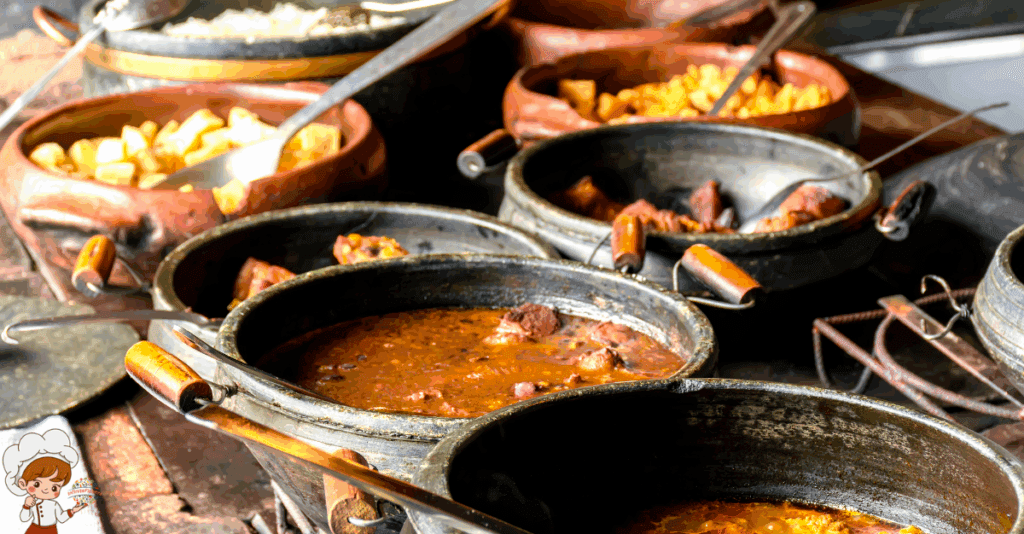
When you explore Brazilian Culinary Traditions To Discover, you’re in for a treat! Each region brings its own flavors, from the Afro-Brazilian moqueca in Bahia to the hearty pão de queijo in Minas Gerais. You’ll find fusion delights in São Paulo and beachside bites like pastéis in Rio de Janeiro. The Nordeste spices things up with bold dishes, while the South focuses on savory barbecues. Whether you’re savoring dishes from the Amazon or indulging in corn-based recipes from Goiás, there’s so much to discover. Keep going to uncover even more hidden gems in Brazil’s diverse food scene!
Bahia: Afro-Brazilian Flavors
Immerse yourself in the vibrant world of Bahia, where Afro-Brazilian flavors come alive in every dish. This region is a culinary treasure trove, bursting with bold Bahian spices that reflect its rich Afro-Brazilian heritage. You can savor dishes like moqueca, a tantalizing fish stew, infused with coconut milk, dendê oil, and a medley of herbs and spices. The unique flavors are a celebration of Bahia’s cultural melting pot, where African, Portuguese, and Indigenous influences blend seamlessly.
As you stroll through bustling markets, the aroma of sizzling street food draws you in, from acarajé to vatapá, each bite tells a story steeped in tradition. Don’t forget to explore Bahia’s vibrant cultural festivals, where food takes center stage. Events like the Festa de Iemanjá showcase the region’s culinary delights alongside traditional music, creating an atmosphere of joy and celebration.
Traditional music fills the air, enhancing your culinary journey. The rhythms of samba and axé echo through the streets, inviting you to dance while you feast. Here, food is more than sustenance; it’s a way to connect with the community and celebrate life.
Embrace the spirit of Bahia, where every meal is an invitation to experience the deep-rooted Afro-Brazilian culture. So, grab a plate of delicious food, sway to the music, and let the flavors transport you to a world rich in history and vibrant cultural expression. You won’t just eat; you’ll experience Bahia.
Minas Gerais: Comfort Food
When you think of comfort food in Brazil, Minas Gerais stands out with its rich, hearty dishes. You’ll find key ingredients like cheese, beans, and corn that reflect the region’s agricultural roots. Understanding these traditional meals reveals the deep cultural significance they hold for the people of Minas Gerais.
Traditional Dishes Overview
Minas Gerais beckons food lovers with its heartwarming comfort food that reflects the region’s rich culinary heritage. The traditional dishes here are a delightful mix of regional variations that showcase the local ingredients and cooking techniques passed down through generations. You’ll find that each dish tells a story, often influenced by the lush landscapes and diverse cultures surrounding them.
Feijão Tropeiro is a must-try, combining beans with sausage, eggs, and manioc flour, resulting in a hearty meal that warms the soul. Another favorite is Pão de Queijo, those irresistible cheese breads that are crispy on the outside and chewy on the inside. These snacks perfectly capture the essence of Minas cuisine.
Don’t miss out on the famous Frango com Quiabo, a savory chicken and okra stew that exemplifies the region’s love for comfort food. As you explore the culinary scene, you’ll notice the emphasis on slow-cooked dishes, reflecting the importance of tradition and family gatherings in Minas Gerais. With every bite, you’ll experience the warmth and hospitality that defines this region’s culinary identity.
Key Ingredients Used
Exploring the key ingredients that define Minas Gerais comfort food reveals a vibrant palette of flavors and textures. This region is known for its use of staple grains like rice and corn, which form the base of many dishes. You’ll often find popular legumes like black beans and lentils, adding heartiness to meals.
Key spices such as cumin and paprika infuse warmth, while regional herbs like cilantro and parsley bring freshness to the table. Don’t forget about local oils, often used for sautéing and enhancing dishes, which lend a distinctive flavor profile.
Unique fruits, like guava and acerola, are frequently incorporated into desserts and sauces, showcasing the region’s natural sweetness. Traditional sauces, such as vinaigrette or a spicy pepper sauce, elevate the dining experience with their bold flavors.
Minas Gerais also embraces seasonal ingredients, ensuring that dishes reflect what’s fresh and available. The cooking methods are usually simple yet effective, focusing on slow-cooking and braising to develop rich flavors. By understanding these key ingredients, you can truly appreciate the comfort food that defines Minas Gerais.
Cultural Significance Explained
The culinary landscape of Minas Gerais goes beyond its key ingredients to embody a rich cultural significance that resonates with its people. Here, food isn’t just sustenance; it’s a reflection of the state’s deep-rooted culinary heritage. Each dish, from hearty feijão tropeiro to the beloved pão de queijo, tells a story of tradition, family, and community.
When you share a meal in Minas, you’re participating in cultural rituals that have been passed down through generations. Gathering around the table to enjoy these comforting foods fosters a sense of belonging and togetherness. It’s common to see families preparing meals side by side, teaching the younger generation the importance of their culinary customs.
The connection between food and identity is strong in Minas Gerais. Celebrations, festivals, and even everyday meals emphasize this bond, highlighting the role of local ingredients and age-old recipes. So, when you indulge in Minas cuisine, you’re not just tasting flavors; you’re experiencing a vibrant culture that values history, community, and the joy of sharing a meal. Embrace this unique culinary journey, and you’ll find yourself immersed in a rich tapestry of flavors and traditions.
São Paulo: Urban Culinary Fusion
Fusion defines São Paulo‘s vibrant culinary scene, where diverse cultures converge to create extraordinary flavors. As you wander through the city’s bustling urban markets, you’ll encounter a rich tapestry of ingredients and dishes that reflect the melting pot of influences. From Italian pasta to Japanese sushi, the city’s culinary landscape is a celebration of global tastes.
You might find a trendy food truck serving up tacos filled with feijoada, blending Mexican and Brazilian traditions in a way that’s both delicious and innovative. These culinary collaborations are what set São Paulo apart, showcasing chefs who aren’t afraid to experiment and push the boundaries of traditional recipes.
In the heart of the city, the Municipal Market of São Paulo is a must-visit. Here, you can taste the famous mortadella sandwich, a delightful creation that showcases the Italian heritage of many Paulistanos. As you sample dishes from various stalls, you’ll experience how local ingredients intertwine with international flavors, creating a unique dining experience.
Don’t forget to explore the many pop-up restaurants and food festivals that highlight this urban culinary fusion. They often feature chef collaborations that spotlight seasonal ingredients and inventive techniques. The spirit of São Paulo’s culinary scene lies in its ability to evolve, drawing inspiration from its diverse population. So, whether you’re a food enthusiast or simply curious, you’re sure to discover something new and exciting in this dynamic city.
Rio De Janeiro: Beachside Bites
When you hit the beaches of Rio de Janeiro, the street food scene is hard to resist. From sizzling grilled skewers to fresh seafood delicacies, each bite tells a story of local flavor. You’ll find that these beachside treats perfectly capture the vibrant spirit of this iconic city.
Street Food Favorites
Rio de Janeiro’s beachside scene is a feast for the senses, where vibrant street food stalls tempt passersby with the mouthwatering aromas of local delicacies. You’ll find food carts and street vendors lining the sandy shores, offering a variety of quick bites perfect for enjoying under the sun. Immerse yourself in the casual dining experience that defines Rio’s snack culture, where you can savor treats like crispy pastéis and savory coxinhas.
Local markets also play an essential role in this culinary landscape, showcasing the urban flavors unique to the region. As you stroll along, keep an eye out for food festivals that celebrate these delicious offerings, connecting locals and tourists alike. Consider joining culinary tours that guide you through the best spots, allowing you to taste and learn about each dish’s history and preparation.
Every bite you take reflects the rich cultural tapestry of Rio, making it more than just a meal—it’s an experience. So, indulge in the tantalizing street food scene, and don’t hesitate to try something new; you’ll find that each flavor tells a story waiting to be discovered.
Fresh Seafood Delicacies
There’s something truly special about enjoying fresh seafood right by the ocean in Rio de Janeiro. The vibrant atmosphere, the sound of waves, and the aroma of grilled fish create an unforgettable experience. You’ll find an array of delectable dishes, from succulent grilled prawns to mouthwatering moqueca, a traditional fish stew brimming with coconut milk and spices.
As you wander through the local seafood markets, you can witness the day’s catch, all sourced through sustainable fishing practices that protect marine life while ensuring the freshest ingredients. These markets aren’t just for shopping; they’re vibrant community hubs where you can chat with fishermen and chefs about the best ways to prepare your seafood.
Don’t miss the chance to try a plate of peixe na brasa (grilled fish), often served with farofa and a squeeze of lime. Pair it with a revitalizing caipirinha, and you’ve got a true taste of Rio. Whether you’re dining at a beachside restaurant or snacking on a fresh ceviche from a market stall, indulging in Rio’s seafood delicacies is a must for any food lover visiting this stunning city.
Nordeste: Spicy Delights
The Nordeste region of Brazil is a vibrant tapestry of flavors, where spicy delights take center stage in its culinary landscape. Here, you’ll discover a rich array of regional peppers that infuse dishes with a fiery kick. The use of spicy condiments is essential, transforming even the simplest meals into unforgettable experiences. You can’t visit the Nordeste without trying açaí with a dash of malagueta pepper, which adds an exciting twist.
Traditional stews, such as carne de sol with macaxeira, showcase the region’s unique ingredients and cooking techniques. These stews often simmer for hours, allowing the spices to meld into a rich, flavorful base that warms the soul. You’ll find that every bite tells a story of the land and its people, rooted in tradition yet bursting with creativity.
Culinary festivals in the Nordeste celebrate this vibrant food culture, attracting locals and tourists alike. Events highlight the region’s spicy delights, featuring booths filled with steaming pots of traditional stews, stalls showcasing artisanal spicy condiments, and opportunities to sample various regional peppers. These festivals not only feast your taste buds but also immerse you in the lively atmosphere and rich heritage of the Nordeste.
As you explore this region, embrace the heat and savor the bold flavors that define its culinary identity. You’ll leave with a deeper appreciation for the spicy delights that make Nordeste a must-visit destination for any food lover.
Sul: Hearty Meat Dishes
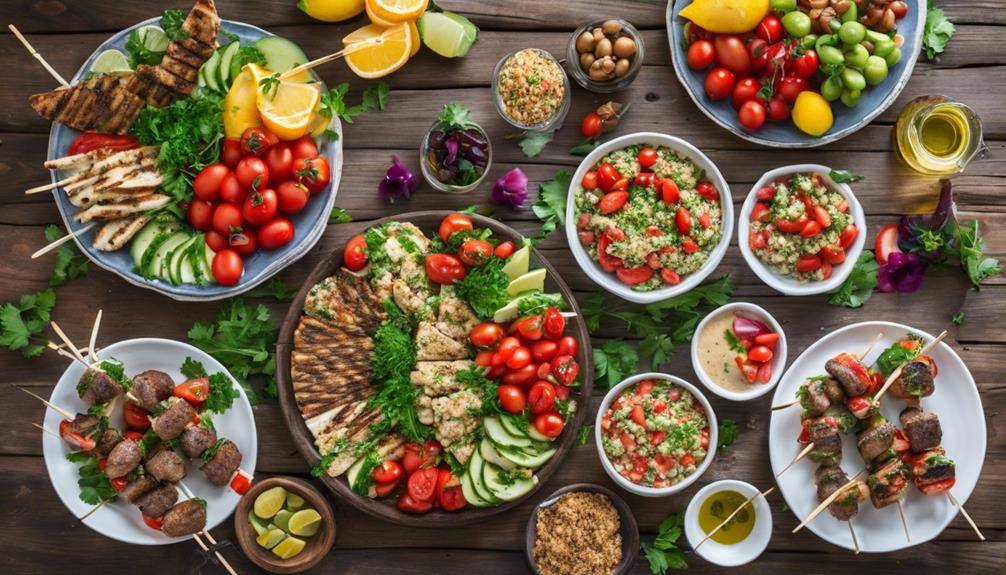
In the Sul region of Brazil, hearty meat dishes take the spotlight, showcasing the robust flavors and culinary traditions that define this area. When you think of Sul, the first thing that likely comes to mind is the famous churrasco. These barbecue traditions bring friends and family together, featuring a variety of meats grilled to perfection over an open flame. You’ll often see cuts like picanha and costela, seasoned simply yet effectively with regional spices that enhance the natural flavors.
As you dig into these dishes, you might notice the influence of the Italian and German immigrants who settled in the region. They’ve added their own flair, incorporating sausages and other cured meats into traditional meals. For instance, the popular prato feito often includes rice, beans, and a generous serving of grilled meat, making it a filling option for any time of day.
Another beloved dish you can’t miss is feijoada, a rich stew made with black beans and various cuts of pork, often served with rice and orange slices. It’s a meal designed to be shared, reflecting the communal spirit of the Sul region.
As you explore these hearty offerings, take your time to savor the diverse flavors and textures. Each bite tells a story of the land and its people, inviting you to appreciate the deep-rooted culinary traditions that make Sul’s meat dishes truly unforgettable.
Amazon: Exotic Ingredients
When you think of the Amazon, you can’t ignore its unique ingredients that add a vibrant twist to Brazilian cuisine. Traditional cooking techniques and indigenous culinary practices bring these exotic flavors to life, showcasing the rich biodiversity of the region. Exploring these elements will open your eyes to a whole new world of culinary possibilities.
Unique Amazonian Ingredients
Discovering unique Amazonian ingredients opens up a world of flavors that can transform any dish. By incorporating Amazonian herbs like jambu and tucupi, you can experience unique flavors that reflect the rich biodiversity of the region. These ingredients are often sourced through traditional harvesting methods, ensuring that local ecosystems thrive while supporting indigenous farming practices.
As you explore these forest ingredients, you’ll find that they not only enhance flavor profiles but also offer significant nutritional benefits. For example, jambu has a slight numbing effect that can elevate your culinary creations, while tucupi adds a tangy depth to sauces and stews.
Embracing these Amazonian ingredients encourages you to experiment with various cooking methods, whether you’re grilling, sautéing, or creating herbal infusions. The use of these unique flavors can turn a simple meal into an extraordinary experience, highlighting the connection between food, culture, and the environment.
Traditional Cooking Techniques
Exploring traditional cooking techniques in the Amazon reveals a wealth of culinary practices that elevate exotic ingredients to new heights. You’ll find that the use of smoking techniques is a common method, adding a unique flavor profile to fish, meats, and even vegetables. This technique not only preserves food but also infuses it with rich, aromatic qualities that are characteristic of Amazonian cuisine.
Additionally, fermentation methods play an essential role in transforming ingredients into something extraordinary. You might come across fermented cassava or fruits, which develop complex flavors and enhance nutritional value. These methods showcase the creativity of Amazonian cooks in using local resources to their fullest potential.
When you immerse yourself in the world of Amazonian cooking, you’ll notice how these techniques are not just about flavor; they also reflect a deep connection to the land and its resources. By embracing both smoking and fermentation, you’re not just savoring a dish; you’re experiencing a tradition that has been passed down through generations. So, the next time you encounter Amazonian cuisine, appreciate the artistry behind these traditional cooking techniques.
Indigenous Culinary Practices
Indigenous culinary practices in the Amazon showcase a remarkable array of exotic ingredients that reflect the rich biodiversity of the region. When you explore these traditions, you’ll discover indigenous flavors that excite the palate, like the unique taste of açaí berries or the earthy notes of manioc. These ingredients not only highlight the local ecosystem but also serve as a connection to the ancestral ways of life.
As you learn about these practices, you’ll notice that food preparation often intertwines with traditional rituals. For instance, some communities conduct ceremonies before harvesting certain plants, honoring the spirits of the forest. This respect for nature is deeply embedded in the cooking methods and ingredients used. You might even come across dishes prepared using ancient techniques, like cooking in a pit lined with hot stones, which infuses the food with distinct flavors.
Incorporating these indigenous culinary practices into your cooking can provide a deeper appreciation for the Amazon’s biodiversity. By experimenting with exotic ingredients and embracing the cultural significance behind them, you’ll not only delight your taste buds but also honor the rich heritage of Amazonian communities.
Centro-Oeste: Savory Barbecue
In the heart of Brazil’s Centro-Oeste region, barbecue isn’t just a meal; it’s a cherished tradition that brings people together. When you think of Centro-Oeste barbecue, the first thing that comes to mind is the tantalizing aroma of regional meats sizzling over an open flame. Here, the art of barbecue isn’t just about cooking; it’s about mastering the techniques that make each bite unforgettable.
You’ll discover that gauchos, the region’s skilled cowboys, take great pride in their barbecue techniques, often preparing cuts like picanha, alcatra, and costela. These regional meats are seasoned simply, allowing their natural flavors to shine through. As you gather around the fire with friends and family, you can’t help but feel the warmth of camaraderie that this tradition fosters.
The cooking methods vary, but one popular technique is the use of a churrasqueira, a grill that can be adjusted to control the heat. This allows for perfectly cooked meats, whether you prefer them rare or well-done. You might also encounter the traditional rodízio style, where skewers of meat are served continuously until you’re satisfied.
Pair your barbecue with sides like farofa and vinagrete, and you’ve got a feast that showcases the best of Centro-Oeste culinary culture. So, when you’re in this vibrant region, don’t miss out on savoring the authentic barbecue experience that reflects the heart and soul of its people.
Espírito Santo: Seafood Specialties
When you explore the seafood specialties of Espírito Santo, you’ll discover unique dishes that reflect the region’s coastal bounty. The local chefs use traditional cooking techniques to bring out the best in fresh ingredients. You’ll find flavors and preparations that truly highlight the essence of this vibrant culinary culture.
Unique Seafood Dishes
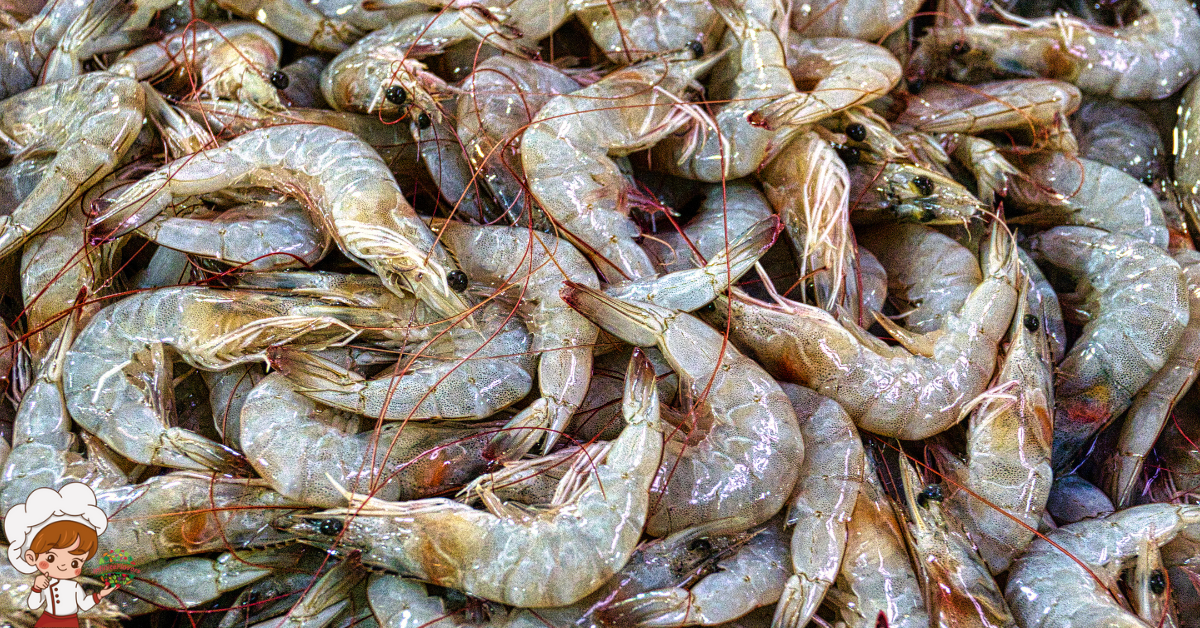
While exploring the vibrant culinary landscape of Espírito Santo, you’ll discover a treasure trove of unique seafood dishes that showcase the region’s rich maritime heritage. One standout is the moqueca capixaba, a fragrant fish stew made with local catch, tomatoes, onions, and fresh herbs, all simmered to perfection in a clay pot. This dish highlights the importance of sustainable fishing practices, ensuring that the seafood you enjoy is responsibly sourced.
Another must-try is the torta capixaba, a savory pie filled with a mix of regional seafood, such as crab, shrimp, and fish, combined with a delightful blend of spices. The crust is flaky, and the filling bursts with flavors that reflect the coastal bounty.
Don’t forget to sample the camarão na moranga, which features shrimp cooked in a pumpkin, creating a harmonious blend of sweetness and savory notes. Each dish you taste connects you to the local traditions and the community’s commitment to preserving their culinary identity. By embracing these regional seafood specialties, you’ll not only savor incredible flavors but also support sustainable practices that protect the ocean’s resources for future generations.
Traditional Cooking Techniques
Exploring the seafood specialties of Espirito Santo reveals not just delicious dishes but also the traditional cooking techniques that make them shine. One of the standout methods you’ll encounter is slow cooking, a technique that enhances flavors and guarantees tender seafood. This approach allows the natural juices to meld, producing a rich and comforting dish that exemplifies the heart of Brazilian cuisine.
Additionally, fermentation techniques play a crucial role in creating unique flavors. In Espirito Santo, you might find seafood dishes that incorporate fermented ingredients, adding depth and complexity. These techniques have been passed down through generations, preserving cultural heritage while offering a taste that’s distinctly local.
When you immerse yourself in these traditional methods, you’ll appreciate the patience and care that goes into each dish. You can almost feel the connection to the sea and the land, as each technique reflects the region’s culinary history. So, when you savor a plate of seafood from Espirito Santo, remember that it’s not just about the ingredients but also the time-honored practices that make it truly special. Enjoy the journey into these cooking techniques and discover the essence of this vibrant region.
Local Ingredients Highlight
In the heart of Espirito Santo, you’ll find a treasure trove of local ingredients that elevate its seafood specialties to new heights. The region’s coastline offers an abundance of fresh fish, shrimp, and crab, all sourced through regional sourcing practices that emphasize quality and sustainability. You’ll taste the difference when you savor dishes like moqueca capixaba, which showcases the rich, seasonal flavors of local ingredients.
The key to Espirito Santo’s seafood lies in its commitment to using what’s available and fresh. Fishermen bring in their daily catch, ensuring that your meal reflects the ocean’s bounty for that day. Seasonal flavors are celebrated here, with dishes changing to align with the freshest available ingredients. When you enjoy a plate of grilled sardines or a hearty seafood stew, you’re not just eating; you’re experiencing the essence of the region.
Don’t forget to pair your seafood with the local rice and a splash of palm oil, which adds depth to your meal. By focusing on regional sourcing and seasonal flavors, Espirito Santo creates seafood dishes that are not only delicious but also a true representation of its culinary heritage.
Piauí: Unique Regional Dishes
When you think of Brazilian cuisine, Piauí might not be the first place that comes to mind, but this northeastern state boasts some truly unique regional dishes. One of the highlights is the famed “carne de sol,” which is sun-dried beef that’s often served with rice, beans, and farofa. You’ll want to savor the rich flavors and tender texture that make this dish a staple in Piauí households.
Don’t miss out on the “paçoca de pilão,” a delicious dish made from ground meat mixed with crushed manioc flour. It’s a comforting meal commonly enjoyed during Piauí festivals, where the local culture shines. Festivals in this region are vibrant, featuring traditional music, dances, and, of course, mouthwatering food that showcases the state’s culinary heritage.
If you’re wandering the streets, keep an eye out for Piauí street food. You’ll find vendors selling “tapioca,” a gluten-free pancake filled with various toppings, from cheese to coconut. Another popular snack is “baião de dois,” a delightful mixture of rice and beans, often accompanied by cheese or meat. These street foods reflect the everyday life and tastes of the locals.
In Piauí, food is more than just sustenance; it’s a celebration of culture and community. By discovering these unique dishes, you’ll get a taste of Piauí’s rich culinary traditions and the warmth of its people. So, immerse yourself and enjoy every bite!
Paraíba: Traditional Festivals
Paraíba’s traditional festivals are a vibrant showcase of its cultural heritage, drawing locals and visitors alike to experience the lively atmosphere. You’ll find a blend of colorful festivities, where the spirit of the people shines through in every event. One of the most famous celebrations is the Festa Junina, held in June, where you can witness amazing displays of festive costumes. People dress up as farmers and brides, creating a joyful, rustic charm that’s hard to resist.
As you wander through the streets, you’ll hear the rhythm of regional music filling the air. The sounds of forró and xote invite you to dance, making it impossible to stay still. Each festival presents an opportunity to engage with the local culture, as musicians perform traditional songs that tell stories of love, struggle, and everyday life in Paraíba.
Food is another highlight of these festivals. You can savor delicious local dishes, from sweet corn treats to savory meat pies, providing a taste of the region’s culinary delights. The combination of festive costumes, lively music, and mouthwatering food creates an unforgettable experience that reflects the heart of Paraíba.
Santa Catarina: European Influences
Santa Catarina showcases a rich tapestry of European influences that have shaped its culinary landscape and cultural identity. Here, you’ll find the delicious impact of German, Italian, and Portuguese traditions, interwoven through generations of immigrant communities.
German sausage, known for its hearty flavors, is a staple in many local dishes, often served during festive celebrations that highlight the region’s cultural heritage. If you visit during Oktoberfest in Blumenau, you’ll be treated to a vibrant display of German food, music, and dance, making it a perfect time to indulge in these savory delights.
Italian pasta also plays a significant role in Santa Catarina‘s cuisine. The influence of Italian immigrants has led to a variety of pasta dishes, often prepared using family recipes passed down through generations. You can’t miss the comforting aroma of homemade sauces simmering in kitchens across the state.
Portuguese stews offer another layer of flavor, blending spices and ingredients that reflect the colonial influence on Brazilian cooking. These stews often feature traditional bread, perfect for sopping up the rich, savory broth.
Throughout the region, cultural fusions are evident in the way these diverse culinary traditions coexist. As you explore Santa Catarina, you’ll appreciate how these influences not only create unique flavors but also foster a sense of community and celebration among its residents. Whether you’re feasting on sausages, pasta, or stews, you’re sure to experience the vibrant heritage that makes Santa Catarina a culinary gem.
Goiás: Corn-Based Recipes
Goiás boasts a vibrant array of corn-based recipes that are central to its culinary identity. When you explore the region, you’ll quickly discover how deeply corn traditions are woven into the local culture. From the moment you taste a slice of cornbread, or “pão de milho,” you’ll notice the unique Goiás flavors that set it apart from other Brazilian dishes.
One popular dish to try is “curau,” a sweet corn pudding that’s often served during festivals. Made with fresh corn, sugar, and milk, this dish perfectly captures the essence of the region, providing a comforting and satisfying experience. You might also want to sample “pamonha,” a delightful treat made from grated corn mixed with sugar and wrapped in corn husks before being boiled. Each bite bursts with freshness, showcasing the quality of the ingredients.
Another must-try is “biscoito de polvilho,” a crunchy, airy snack made from manioc flour and corn starch. Perfect for enjoying with coffee or as a quick snack, it highlights the versatility of corn in Goiás cuisine.
As you immerse yourself in these local dishes, you’ll appreciate how Goiás flavors reflect the agricultural bounty of the region. By embracing the corn traditions of Goiás, you’ll not only enjoy delicious food but also connect with the heart and soul of its people and history. So, don’t miss the chance to savor these corn-based recipes during your culinary journey through Goiás!
Alagoas: Coconut and Seafood
In the northeastern state of Alagoas, you’ll discover a culinary style that celebrates the bounty of both the sea and the land, featuring an abundance of coconut and seafood. The coastal location means fresh fish and shellfish are staples in local diets, and you’ll find an array of delicious seafood stews that perfectly encapsulate the region’s flavors.
One popular dish is “caldeirada,” a hearty seafood stew made with fish, shrimp, and sometimes even crab, all simmered together with spices and vegetables. The combination of coconut milk adds a unique richness that elevates the dish, making it a must-try while you’re here. Pair it with rice to soak up all those wonderful flavors.
Don’t forget to save room for dessert! Alagoas is also famous for its coconut desserts, which showcase the versatility of this tropical fruit. You’ll come across delights like “cocada,” a sweet coconut treat made with grated coconut and sugar, often served in bars or bite-sized pieces. Another popular option is “pudim de coco,” a creamy coconut pudding that’s smooth and decadent.
Whether you’re indulging in a warming seafood stew or enjoying a sweet coconut dessert, the flavors of Alagoas will leave you craving more. Embrace the local cuisine, and you’ll experience a true taste of Brazil that highlights the rich connections between its land and sea.
Maranhão: Rice and Beans Variations
Culinary creativity flourishes in Maranhão, where rice and beans variations take center stage in the local cuisine. You’ll find that Maranhão culinary traditions elevate these staples into something truly special. One popular dish is “arroz de cuxá,” which combines rice with a unique sauce made from the local herb, vinagreira. This tangy addition not only enhances the flavors but also showcases Maranhão’s vibrant agricultural bounty.
When it comes to beans, you can’t miss the “feijão de corda,” a variety that’s often served alongside rice in various forms. Whether it’s in a hearty stew or simply cooked with spices, these beans add depth to any meal. You might even encounter “rice with beans” prepared with a twist, like adding coconut milk or spices that reflect the region’s rich cultural influences.
Beyond the traditional combinations, Maranhão offers creative rice variations that surprise and delight. Consider trying “arroz de marisco,” which brings together rice, seafood, and local spices for a dish that speaks to the coastal areas of the state. Each bite reveals the region’s flavors and history.
As you explore Maranhão’s culinary landscape, you’ll discover that rice and beans are not just everyday staples; they’re a demonstration of the creativity and passion of the local cooks. So, don’t hesitate to indulge in these variations—you’ll be savoring a piece of Maranhão’s heart and soul.
Frequently Asked Questions: Brazilian Culinary Traditions To Discover
What Are Some Common Ingredients Used Across Brazilian Regional Dishes?
You’ll find common spices like cumin and coriander, along with regional vegetables such as cassava and okra, used throughout Brazilian dishes. These ingredients create diverse flavors, showcasing the rich culinary heritage across different regions.
How Have Historical Events Influenced Brazilian Culinary Traditions?
You’ll find that historical events shaped Brazilian cuisine considerably. Colonial influences introduced new ingredients, while indigenous contributions enriched flavors. Together, they created a vibrant culinary tapestry that reflects the nation’s diverse heritage and rich history.
Are There Vegetarian Options in Brazilian Regional Cuisines?
Absolutely, you’ll find delicious vegetarian options in Brazilian regional cuisines. Try vegetarian feijoada for a hearty dish, or enjoy plant-based acarajé, a tasty deep-fried bean cake filled with flavorful ingredients. You’ll love these plant-based delights!
How Can I Learn to Cook Brazilian Regional Dishes at Home?
To learn cooking Brazilian regional dishes at home, start by exploring local recipes. Familiarize yourself with cooking techniques and experiment with regional spices to enhance flavors. Practice regularly, and you’ll master these delicious cuisines in no time.
What Beverages Pair Well With Traditional Brazilian Meals?
When enjoying traditional Brazilian meals, you can’t go wrong with fresh fruit juices like açaí or guava. For a festive touch, try classic cocktails like caipirinha or batida to enhance your dining experience.

Conclusion
Exploring Brazil’s diverse culinary traditions is a delicious adventure waiting for you. From Bahia’s rich Afro-Brazilian flavors to Goiás’ comforting corn-based dishes, each region offers unique tastes that reflect its culture and history. Don’t miss the chance to savor the spicy delights of Nordeste or the beachside bites of Rio de Janeiro. So, pack your bags and your appetite—you’re about to set off on a mouthwatering journey through Brazil’s vibrant food scene!
If you enjoyed exploring this topic and want to dive even deeper, be sure to check out some of our other articles here on Infinite Flavors. From rich culinary histories to creative twists on classic recipes, there’s always something new to discover. Whether you’re curious about the origins of a dish, looking for fresh inspiration in the kitchen, or simply love learning about food culture, our collection of posts is the perfect next step on your flavor journey.
Why Choose Amazing Gluten-Free Options In Brazilian Cuisine
The Best Brazilian Fusion Cuisine Trends Unveiled
7 Of The Best Brazilian Culinary Influences Explored