
The Rich History of Minestrone Soup
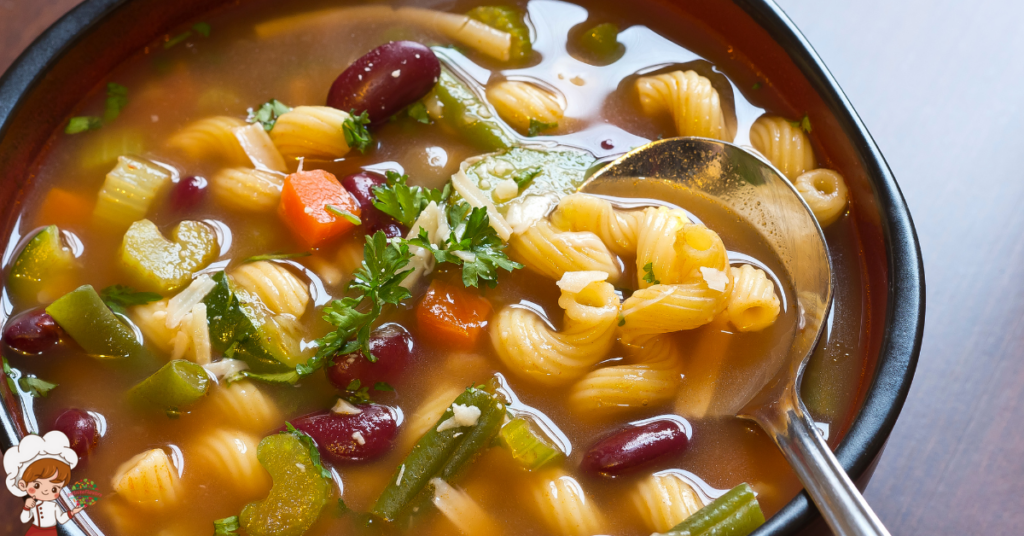
The Rich History of Minestrone Soup; Minestrone soup is one of the most enduring and recognizable dishes in Italian cuisine, celebrated for its heartiness, versatility, and deep cultural roots. Known worldwide as a vegetable-packed soup often associated with comfort and nourishment, minestrone is more than just a meal—it is a reflection of regional identity, seasonal cooking, and centuries-old culinary traditions. The history of minestrone soup stretches back to ancient times, long before Italy became a unified nation, evolving alongside agriculture, social class structures, and local food availability. Understanding the origin of minestrone soup reveals how humble ingredients, prepared with care and intention, came to symbolize the soul of Italian home cooking.
History of Minestrone Soup in Ancient Italy
The origins of minestrone soup can be traced to ancient Rome, where simple soups and stews formed the backbone of everyday diets. Roman cuisine relied heavily on grains, legumes, vegetables, and water-based broths, as meat was expensive and often reserved for the wealthy or special occasions. Early Roman soups were thick and filling, designed to provide sustenance rather than luxury. These dishes closely resemble what would later become minestrone, emphasizing nourishment, practicality, and adaptability.
Ancient Roman farmers and laborers commonly consumed dishes made from whatever vegetables were in season, often enhanced with herbs and olive oil. Beans, lentils, onions, garlic, and greens were frequently used, forming the foundation for rustic soups. While tomatoes and potatoes had not yet arrived in Europe, the philosophy behind minestrone—using simple, seasonal ingredients to create a satisfying meal—was firmly established. These early soups laid the groundwork for the culinary tradition that would evolve into minestrone over centuries.
The Roman concept of cucina povera, or “poor kitchen,” played a significant role in shaping minestrone’s identity. Foods were prepared with resourcefulness, minimizing waste and maximizing flavor. Soups allowed cooks to stretch ingredients and feed families efficiently, making them an essential part of daily life. This practical approach to cooking became deeply embedded in Italian food culture and remains a defining feature of minestrone soup today.
The Evolution of Minestrone Soup Through the Middle Ages
During the Middle Ages, Italy was divided into city-states and regions, each with its own culinary traditions shaped by geography and climate. Minestrone evolved differently across these regions, reflecting local crops and available ingredients. While the basic concept of a vegetable-based soup remained consistent, the specific components varied widely, resulting in countless regional interpretations.
Legumes such as chickpeas, cannellini beans, and lentils became increasingly important during this time, adding protein and substance to soups. Pasta, which was becoming more common in Italian cuisine, was occasionally added to soups to increase heartiness. Herbs like rosemary, sage, and bay leaf enhanced flavor without relying on costly spices. These adaptations reinforced minestrone’s status as a filling, affordable dish suitable for large families.
Minestrone soup during the Middle Ages was rarely written down. Recipes were passed orally, changing slightly with each generation. This lack of standardization contributed to minestrone’s reputation as a flexible dish rather than a fixed recipe. The soup’s identity was tied more to its method and purpose than to a specific list of ingredients.
As monasteries and agricultural communities grew, soups like minestrone became even more important. They were easy to prepare in large quantities and could accommodate donated vegetables or leftover produce. This communal aspect strengthened minestrone’s role as both a practical meal and a cultural staple.
How the Introduction of New World Ingredients Shaped Minestrone
One of the most transformative moments in the history of minestrone soup occurred after the discovery of the Americas. The introduction of tomatoes, potatoes, and certain varieties of beans dramatically altered Italian cooking. Although these ingredients were initially met with skepticism, they eventually became essential to many regional cuisines.
Tomatoes, in particular, reshaped minestrone. While early versions of the soup were broth-based or lightly seasoned, tomatoes added acidity, color, and depth of flavor. Over time, tomato-based minestrone became especially popular in southern Italy, where the climate favored tomato cultivation. Potatoes added starch and body, while New World beans contributed additional protein.
Despite these changes, minestrone retained its foundational philosophy of adaptability. Not all regions embraced tomatoes or potatoes, and many northern Italian versions remained lighter and bean-focused. This diversity highlights how minestrone evolved organically, shaped by geography, climate, and cultural preferences.
The integration of new ingredients reinforced minestrone’s role as a living dish—one that adapts to the times while preserving its roots. This ability to absorb change without losing its identity has allowed minestrone soup to endure for centuries.
Minestrone Soup and the Tradition of Cucina Povera
Minestrone soup is perhaps the most iconic example of cucina povera, a culinary philosophy that values simplicity, frugality, and respect for ingredients. Rather than emphasizing luxury or excess, cucina povera focuses on making the most of what is available. Minestrone embodies this approach perfectly, relying on vegetables, legumes, and pantry staples to create a satisfying meal.
For generations of Italian families, minestrone was not a special-occasion dish but a regular part of weekly meals. It allowed cooks to use surplus produce, avoid waste, and adapt recipes according to the season. In times of hardship, minestrone provided nourishment and comfort without requiring expensive ingredients.
This tradition also fostered creativity. No two pots of minestrone were exactly alike, even within the same household. The soup reflected the cook’s intuition and the family’s needs. This personal connection strengthened minestrone’s cultural significance, turning it into a symbol of home and resilience.
Today, cucina povera is celebrated globally for its sustainability and emphasis on whole foods. Minestrone has become an ambassador for this philosophy, appealing to modern cooks who value seasonal, plant-forward eating.
Regional Variations of Minestrone Soup Across Italy
One of the defining characteristics of minestrone soup is its regional diversity. In northern Italy, minestrone tends to be lighter, often featuring beans, cabbage, and root vegetables. Dairy-rich regions may enrich the soup with cheese or finish it with a drizzle of olive oil for richness.
In central Italy, minestrone often incorporates seasonal greens and legumes, reflecting the agricultural traditions of the region. Tuscany, in particular, is known for robust vegetable soups that border on stews, emphasizing heartiness and depth.
Southern Italian minestrone typically includes tomatoes and may lean toward bolder flavors. The abundance of sun-ripened vegetables in these regions influences the soup’s vibrant taste and color. Pasta is sometimes added, making the soup more filling and suitable as a standalone meal.
These regional variations are not rigid categories but fluid interpretations. The unifying factor is the soup’s reliance on vegetables, adaptability, and home-style preparation. This diversity underscores why minestrone resists strict definition and thrives as a cultural icon.
Minestrone Soup in Modern Cuisine
In modern times, minestrone soup has transcended its origins to become a global favorite. Italian immigrants introduced minestrone to North America and other parts of the world, where it was embraced as a comforting, nutritious dish. Restaurants, cookbooks, and packaged foods helped popularize minestrone beyond Italy, sometimes adapting it to local tastes.
Despite commercialization, traditional minestrone remains deeply valued. Home cooks continue to prepare it using family traditions, often adjusting ingredients based on seasonal availability. Contemporary food movements focused on plant-based eating and sustainability have renewed interest in minestrone as a wholesome, meat-free option.
Minestrone’s adaptability has also allowed it to fit seamlessly into modern lifestyles. Whether prepared fresh or enjoyed from a slow simmer, the soup maintains its identity as nourishing, flexible, and deeply satisfying.
Why Minestrone Soup Remains a Timeless Comfort Food
Minestrone soup endures because it fulfills fundamental human needs: nourishment, warmth, and familiarity. Its aroma evokes home kitchens and shared meals, while its texture and flavor provide comfort without heaviness. Psychologically, soups are associated with care and restoration, making minestrone particularly comforting during colder months or times of stress.
The soup’s versatility also contributes to its longevity. It can be adapted for dietary preferences, seasonal changes, and cultural influences without losing its essence. This balance between consistency and flexibility has allowed minestrone to remain relevant across generations.
Minestrone’s story is ultimately one of continuity. It connects modern cooks to ancient traditions, reminding us that good food does not require extravagance—only care, patience, and respect for ingredients.
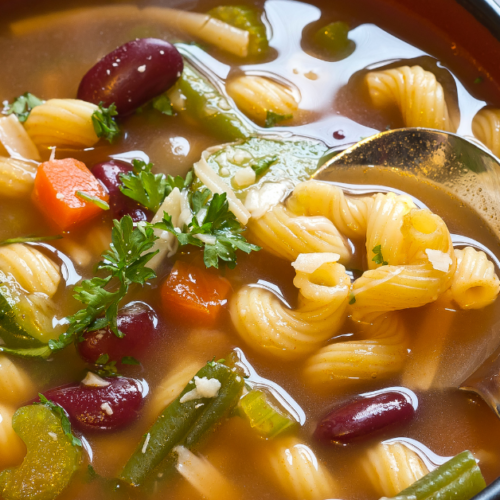
Minestrone Soup
Ingredients
- 2 cups cooked beans
- 1 cup small pasta
- 1 tablespoon Italian herbs
- 6 cups water
Instructions
- Pour the water into a large pot and bring it to a gentle boil.
- Add the cooked beans and Italian herbs, stirring to combine.
- Reduce the heat and simmer for about 15 minutes to allow the flavors to develop.
- Stir in the pasta and continue cooking until the pasta is tender and the soup has thickened slightly, about 8–10 minutes. Remove from heat and let rest briefly before serving warm.
Frequently Asked Questions: The Rich History of Minestrone Soup
What does the name “minestrone” mean?
The word “minestrone” comes from the Italian word minestra, meaning soup, with the suffix “-one” implying something substantial or hearty.
Is minestrone soup always vegetarian?
Traditionally, minestrone is primarily vegetable-based, but some regional versions may include small amounts of meat or animal-based broths.
Why does minestrone have so many variations?
Minestrone evolved as a seasonal and regional dish, adapting to local ingredients and family traditions rather than following a fixed recipe.
Is minestrone an ancient dish?
Yes, its roots can be traced back to ancient Roman vegetable soups, making it one of the oldest continuously evolving dishes in Italian cuisine.
What role did tomatoes play in minestrone’s evolution?
Tomatoes were added after they were introduced to Europe from the Americas, transforming the flavor and appearance of many modern versions.
Why is minestrone associated with Italian comfort food?
Its simplicity, warmth, and connection to family cooking make it a symbol of comfort and tradition in Italian cuisine.
The Enduring Legacy of Minestrone Soup
Minestrone soup stands as a testament to the power of simple ingredients and thoughtful preparation. From ancient Roman kitchens to modern dining tables, it has evolved alongside society while preserving its core values of nourishment, adaptability, and community. Its rich history reflects the resilience of Italian food traditions and the enduring appeal of dishes rooted in practicality and care. As culinary trends come and go, minestrone remains a beloved staple, reminding us that the most meaningful meals are often the simplest ones.
If you enjoyed exploring this topic and want to dive even deeper, be sure to check out some of our other articles here on Infinite Flavors. From rich culinary histories to creative twists on classic recipes, there’s always something new to discover. Whether you’re curious about the origins of a dish, looking for fresh inspiration in the kitchen, or simply love learning about food culture, our collection of posts is the perfect next step on your flavor journey.
The Rich Exciting History Of Creamy Tomato Basil Soup
The Exciting Delicious History Of Turkey Salad
The Best Easy To Make Stuffed Bell Peppers