The Rich Exciting History of Creamy Tomato Basil Soup
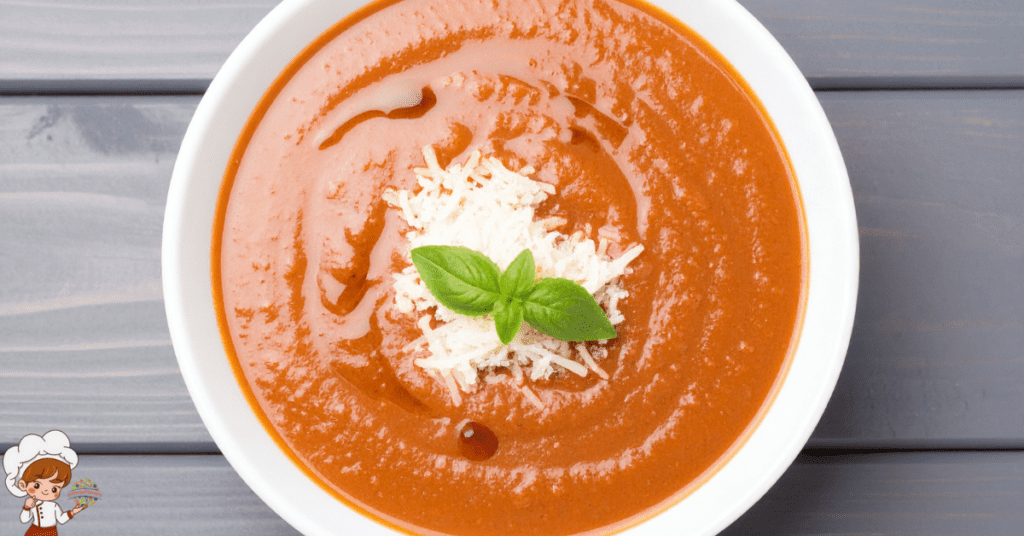
Exciting History of Creamy Tomato Basil Soup; Creamy tomato basil soup is one of the most comforting and universally beloved dishes in modern cuisine, known for its silky texture, vibrant color, and soothing flavor profile. Often associated with cozy meals, nostalgic childhood memories, and classic comfort food pairings, this soup carries a surprisingly deep and fascinating history.
Though it feels timeless, creamy tomato basil soup is the product of centuries of culinary evolution, shaped by global trade, agricultural innovation, and shifting food traditions. From the ancient origins of tomatoes and herbs to the development of dairy-enhanced soups in Europe and America, the story of creamy tomato basil soup reflects how simple ingredients can evolve into iconic dishes. Understanding its history offers insight into why this soup remains a staple in households, restaurants, and seasonal menus around the world.
History of Tomato Soup: From Ancient Origins to European Kitchens
The story of creamy tomato basil soup begins long before the soup itself existed, starting with the tomato. Tomatoes originated in South America, where Indigenous peoples cultivated them thousands of years ago. Early Mesoamerican civilizations, including the Aztecs, incorporated tomatoes into sauces and stews, often combining them with herbs and spices. When Spanish explorers brought tomatoes to Europe in the 16th century, the fruit was initially met with suspicion. Many Europeans believed tomatoes were poisonous due to their resemblance to other nightshade plants.
Over time, however, tomatoes became embraced in Mediterranean cooking, particularly in Italy, Spain, and southern France. By the 18th century, tomatoes were appearing in cooked dishes, sauces, and early soup preparations. Tomato soup in its earliest European form was thin and broth-based, often seasoned with herbs and served warm for nourishment. Basil, a herb native to India and Southeast Asia, had also made its way to Europe through trade routes and quickly became associated with tomato-based dishes due to its aromatic balance and complementary flavor.
These early tomato soups laid the foundation for what would eventually become creamy tomato basil soup. While dairy-based soups were already popular in European cuisine, combining tomatoes with cream took time. The acidity of tomatoes posed challenges, and it wasn’t until improved cooking techniques and ingredient understanding emerged that creamy tomato soups gained popularity.
The Origin of Cream-Based Soups in European Cuisine
Creamy soups have a long tradition in European culinary history, particularly in French cooking. By the 17th and 18th centuries, French chefs were refining techniques for purées, veloutés, and bisques that relied on cream to enhance texture and richness. These techniques gradually influenced other regional cuisines, including Italian and British food traditions.
Tomatoes, once fully accepted in European cooking, began appearing in more refined dishes. French chefs experimented with combining tomato purée and cream to create smoother, more luxurious soups. The addition of basil, which was already popular in Italian cuisine, brought freshness and balance to the richness of dairy. Although this combination wasn’t immediately widespread, it represented a critical step toward the modern version of creamy tomato basil soup.
By the early 19th century, cookbooks in Europe began referencing tomato soups enriched with butter, cream, or milk. These soups were considered elegant, warming dishes suitable for formal meals. The pairing of tomato and basil continued to gain traction, especially in regions where fresh herbs were readily available.
Creamy Tomato Soup in American Culinary History
Creamy tomato basil soup became deeply ingrained in American food culture during the 19th and early 20th centuries. As tomatoes were widely cultivated across the United States and dairy farming expanded, the ingredients needed for creamy tomato soup became accessible to everyday households. American cooks adapted European soup traditions to local tastes, often favoring heartier, creamier versions designed for comfort and nourishment.
One of the most significant moments in the history of tomato soup occurred in the late 1800s, when commercial canned soup was introduced. This innovation revolutionized how Americans consumed soup, making tomato soup an affordable and convenient pantry staple. Although early canned tomato soups were not always creamy, home cooks frequently added milk or cream to enhance flavor and texture.
The mid-20th century cemented creamy tomato soup as a comfort food icon in America. Its association with simple meals, family dinners, and cold-weather dining made it a household favorite. Basil became a more common ingredient during this period as herb cultivation grew and international flavors became more familiar. Over time, tomato soup seasoned with basil and enriched with cream evolved into the recognizable dish now known as creamy tomato basil soup.
Why Basil Became Essential to Tomato-Based Soups
Basil’s role in creamy tomato basil soup is more than decorative; it represents centuries of flavor pairing wisdom. Basil’s slightly sweet, peppery notes balance the acidity of tomatoes while complementing the richness of cream. This synergy is why basil became the herb most closely associated with tomato-based dishes across multiple cuisines.
As global trade expanded, fresh basil became more widely available, particularly in the United States. Home gardens, greenhouse cultivation, and improved transportation methods allowed basil to move from a specialty herb to a kitchen staple. Its rising popularity coincided with a renewed appreciation for fresh, aromatic ingredients, especially in soups and sauces.
Creamy tomato basil soup benefited greatly from this shift. The herb’s freshness lifted the heaviness of cream-based soups, making them feel lighter and more balanced. This harmonious combination played a significant role in the dish’s enduring appeal and widespread adoption.
The Evolution of Creamy Tomato Basil Soup in Modern Cuisine
In modern times, creamy tomato basil soup has evolved to reflect changing dietary preferences, seasonal cooking trends, and global influences. While the classic version remains a favorite, chefs and home cooks alike have experimented with roasting tomatoes, blending soup to ultra-smooth textures, and enhancing flavor through slow simmering techniques.
The soup has also become a staple in restaurant menus, particularly in cafés and bistros that emphasize comfort food and nostalgia. Its association with warmth and simplicity makes it a popular choice during colder months, while its bright flavor profile keeps it appealing year-round.
Vegetarian and plant-forward movements have further elevated creamy tomato basil soup as a satisfying, meat-free option that still feels indulgent. The dish’s adaptability allows it to fit seamlessly into both traditional and contemporary menus without losing its identity.
Creamy Tomato Basil Soup as a Comfort Food Classic
Few dishes evoke comfort as effectively as creamy tomato basil soup. Its smooth texture, gentle acidity, and aromatic herb notes create a sense of warmth and familiarity. Psychologically, soup itself has long been associated with healing, nourishment, and care, making this dish especially appealing during times of stress or illness.
The color and aroma of creamy tomato basil soup also play a role in its emotional impact. The vibrant red hue suggests warmth and vitality, while the scent of basil triggers feelings of freshness and home-cooked meals. These sensory elements contribute to the soup’s reputation as a go-to comfort food across generations.
Because of its simple yet satisfying nature, creamy tomato basil soup often serves as a gateway dish for introducing people to soups made from fresh ingredients rather than packaged mixes. Its familiarity builds trust, encouraging cooks to explore other homemade soups while still returning to this classic favorite.
The Cultural Significance of Creamy Tomato Basil Soup
Creamy tomato basil soup occupies a unique position in food culture, bridging the gap between everyday meals and culinary tradition. It represents how global ingredients, when combined thoughtfully, can create something timeless. The soup’s evolution reflects broader trends in food history, including the globalization of ingredients, the influence of European cooking on American cuisine, and the rise of comfort food as a cultural category.
Its presence in media, literature, and everyday conversation further reinforces its iconic status. References to tomato soup often evoke simplicity, nostalgia, and care, making creamy tomato basil soup a symbol of warmth and familiarity rather than extravagance.
As food culture continues to shift toward authenticity and tradition, dishes like creamy tomato basil soup remain relevant because they tell a story—one of cultural exchange, adaptation, and enduring appeal.
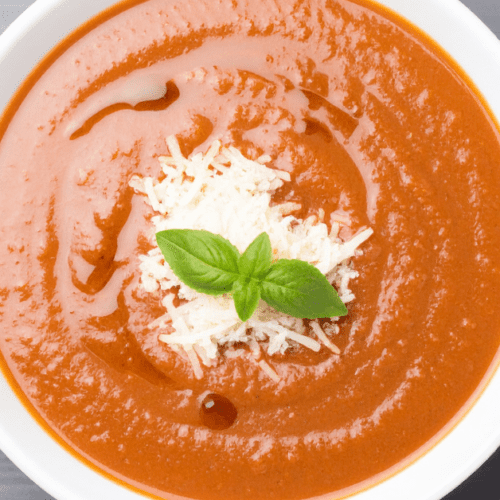
Easy Creamy Tomato Basil Soup
Ingredients
- 2 tablespoons butter or olive oil
- 1 small onion chopped
- 2 cloves garlic minced
- 1 can 28 ounces crushed tomatoes
- 1 cup vegetable broth or chicken broth
- 1 cup heavy cream or half-and-half
- ½ cup fresh basil leaves chopped
- 1 teaspoon salt
- ½ teaspoon black pepper
- Optional: 1 teaspoon sugar to balance acidity
Instructions
- In a large pot, heat the butter or olive oil over medium heat. Add the chopped onion and cook until soft and translucent, about 5 minutes.
- Add the minced garlic and cook for another 30 seconds until fragrant.
- Stir in the crushed tomatoes and broth. Bring the mixture to a gentle simmer and cook for 10–15 minutes to allow the flavors to blend.
- Reduce the heat to low and stir in the heavy cream. Add salt, black pepper, and sugar if using.
- Use an immersion blender to blend the soup until smooth, or carefully transfer to a blender in batches.
- Stir in the chopped fresh basil and cook for an additional 2–3 minutes.
- Taste and adjust seasoning if needed. Serve warm.
Frequently Asked Questions: Exciting History of Creamy Tomato Basil Soup
Where did creamy tomato basil soup originate?
Creamy tomato basil soup evolved from European tomato soup traditions and cream-based soups, later becoming a staple in American comfort food culture.
Why is basil commonly paired with tomatoes?
Basil complements the acidity of tomatoes with its slightly sweet, aromatic flavor, creating balance and depth.
When did tomato soup become popular in the United States?
Tomato soup gained popularity in the late 19th and early 20th centuries, especially with the rise of canned soup and dairy farming.
Why is creamy tomato soup considered comfort food?
Its smooth texture, warm temperature, and familiar flavor make it soothing and emotionally comforting.
Is creamy tomato basil soup traditional or modern?
It is both. The ingredients are ancient, but the modern creamy version developed over time through culinary innovation.
What cuisines influenced creamy tomato basil soup?
The dish is influenced by Indigenous American ingredients, Mediterranean herbs, French cream-based soups, and American home cooking.

Why Creamy Tomato Basil Soup Endures
Creamy tomato basil soup has endured as a beloved dish because it represents the best of culinary simplicity and tradition. Its history spans continents, centuries, and cultures, yet its essence remains unchanged: a nourishing, flavorful soup that brings warmth and comfort. From ancient tomatoes and traded herbs to dairy-enriched European soups and American home kitchens, this dish tells a story of adaptation and timeless appeal. As food trends come and go, creamy tomato basil soup continues to hold its place as a classic—proof that thoughtfully combined ingredients can create something truly enduring.
If you enjoyed exploring this topic and want to dive even deeper, be sure to check out some of our other articles here on Infinite Flavors. From rich culinary histories to creative twists on classic recipes, there’s always something new to discover. Whether you’re curious about the origins of a dish, looking for fresh inspiration in the kitchen, or simply love learning about food culture, our collection of posts is the perfect next step on your flavor journey.
The Amazing History Of Stuffed Turkey Roll-Ups
The Best Easy To Make Stuffed Bell Peppers
The Exciting Delicious History Of Turkey Salad