Your Essential Guide To Low-Cholesterol Cooking
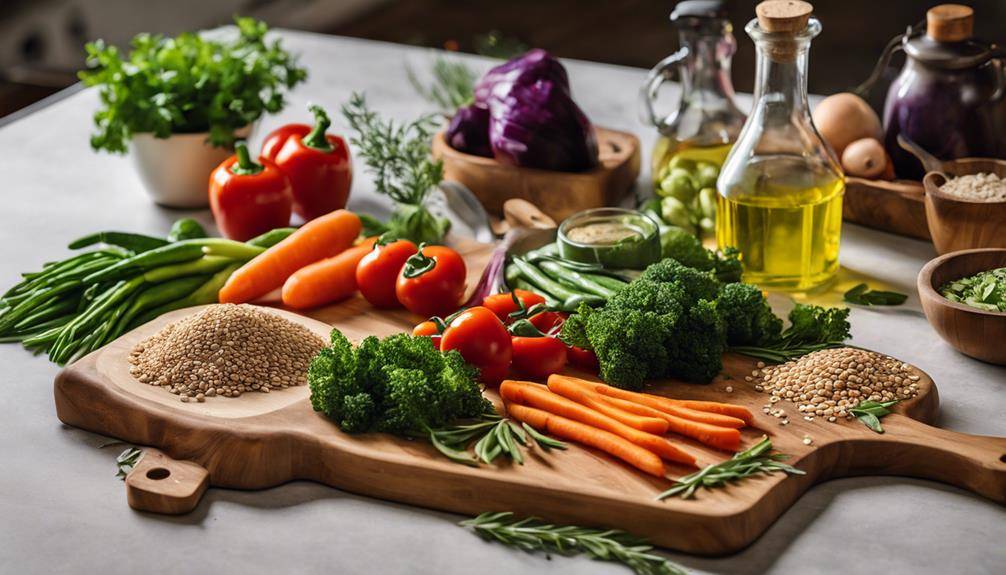
Essential Guide To Low-Cholesterol Cooking: Low-cholesterol cooking can transform your meals into heart-healthy delights without sacrificing flavor. Start by focusing on healthy fats like olive oil and avocados, and include protein sources such as fish and skinless poultry. Incorporate whole grains like quinoa and plenty of colorful vegetables for essential nutrients. Use cooking techniques like steaming and grilling to keep dishes light. Don't forget to spice things up with herbs like basil and turmeric for added flavor and health benefits. If you're curious about creative meal ideas and substitutions, there's much more to explore in this essential guide.
Understanding Cholesterol Basics
Click Here and Turn Every Masterpiece into a Showstopper!
When it comes to managing your health, understanding cholesterol basics is essential. Cholesterol isn't inherently bad; in fact, your body needs it to build cells and produce hormones. However, not all cholesterol is created equal. There are two main cholesterol types: LDL (low-density lipoprotein) and HDL (high-density lipoprotein). You want to keep your LDL levels low, as it's often referred to as "bad" cholesterol. High levels of LDL can lead to plaque buildup in your arteries, increasing your risk of heart disease. On the other hand, HDL is known as "good" cholesterol because it helps transport cholesterol away from your arteries and back to your liver, where it's removed from the body.
To manage your cholesterol levels effectively, you'll want to pay attention to your dietary sources. Saturated and trans fats, often found in processed foods, red meats, and full-fat dairy products, can raise your LDL cholesterol levels. Instead, focus on incorporating healthier fats into your diet, such as those found in avocados, nuts, and olive oil. Foods rich in fiber, like whole grains, fruits, and vegetables, can also help lower LDL levels while boosting HDL cholesterol.
Key Ingredients for Low-Cholesterol Meals
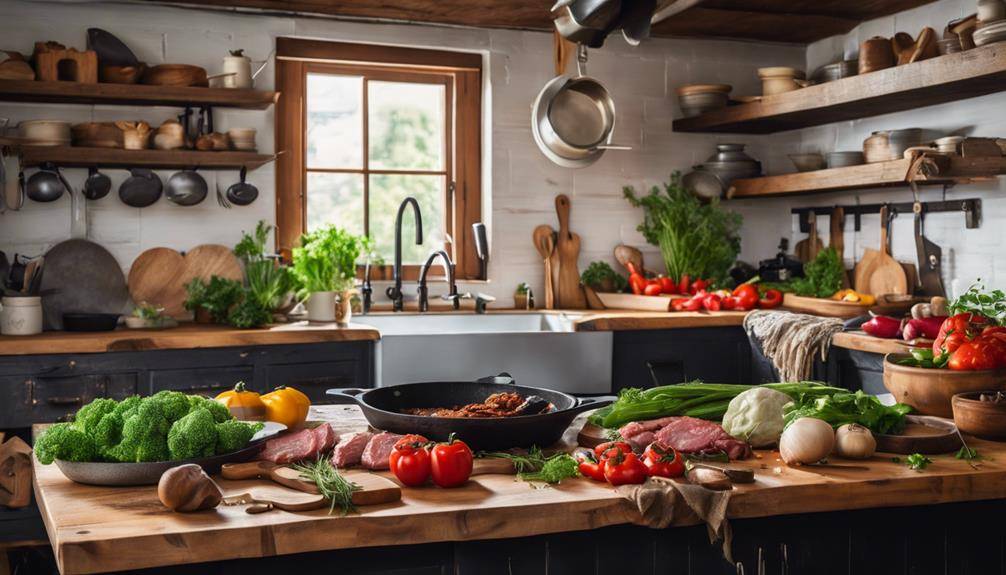
To create low-cholesterol meals, you should focus on incorporating a variety of heart-healthy ingredients into your cooking. Start by choosing healthy fats like olive oil and avocado, which can help improve your cholesterol levels. Include diverse protein sources such as fish, skinless poultry, and plant-based options like tofu and tempeh to keep your meals nutritious.
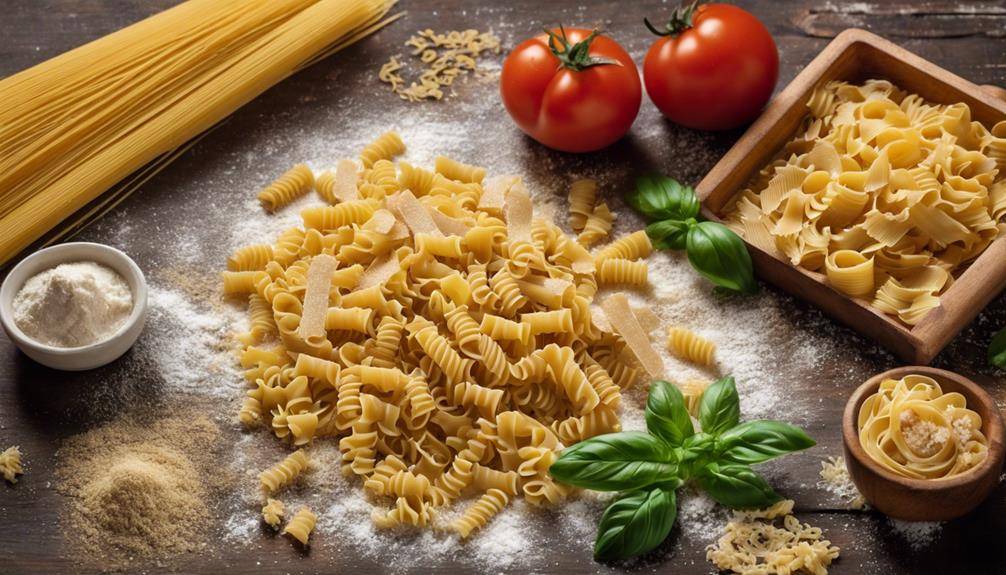
Whole grains are essential, so swap out refined grains for options like quinoa, brown rice, and whole wheat pasta. These grains not only provide fiber but also help maintain healthy cholesterol levels. Don't forget about vegetable varieties—load your plate with colorful veggies like spinach, broccoli, and bell peppers for added nutrients.
When it comes to dairy, consider dairy alternatives such as almond or soy milk to reduce saturated fat intake. For cooking, use oils rich in unsaturated fats, like canola or sunflower oil, to enhance your dishes without raising cholesterol.
Legumes offer numerous benefits, so incorporate beans, lentils, and chickpeas into your meals for a hearty, fiber-rich option. A thoughtful nuts selection, including walnuts and almonds, can provide healthy fats along with protein, while also being a great snack or salad topping.
Lastly, make wise fruit choices. Fresh fruits like berries, apples, and oranges are not only delicious but also packed with fiber-rich foods that can help lower cholesterol. By focusing on these key ingredients, you'll be well on your way to crafting delicious low-cholesterol meals.
Healthy Cooking Techniques
Incorporating healthy cooking techniques can make a significant difference in your low-cholesterol meal preparation. By choosing methods that enhance flavor without adding unnecessary fats, you can enjoy delicious meals while keeping your cholesterol levels in check.
Start with steaming vegetables. This technique preserves nutrients and requires no added fats. Grilling meats is another great option, as it allows the fat to drip away, resulting in leaner cuts. For a crunchy snack, consider roasting nuts, but remember to do so in moderation to keep calories in check.
Poaching fish is a fantastic way to keep it moist and flavorful without the need for oils. Likewise, sautéing greens with a splash of broth or water instead of oil can bring out their natural flavors while keeping them healthy. You can also bake fruits, which caramelizes their natural sugars and makes for a delightful dessert.
Braising legumes is a wonderful technique to infuse them with flavor while keeping them hearty and nutritious. Broiling seafood provides a crispy texture without frying, making it a healthier choice. If you're looking for a plant-based protein, stir-frying tofu with fresh vegetables can be both satisfying and low in cholesterol.
Flavorful Herbs and Spices
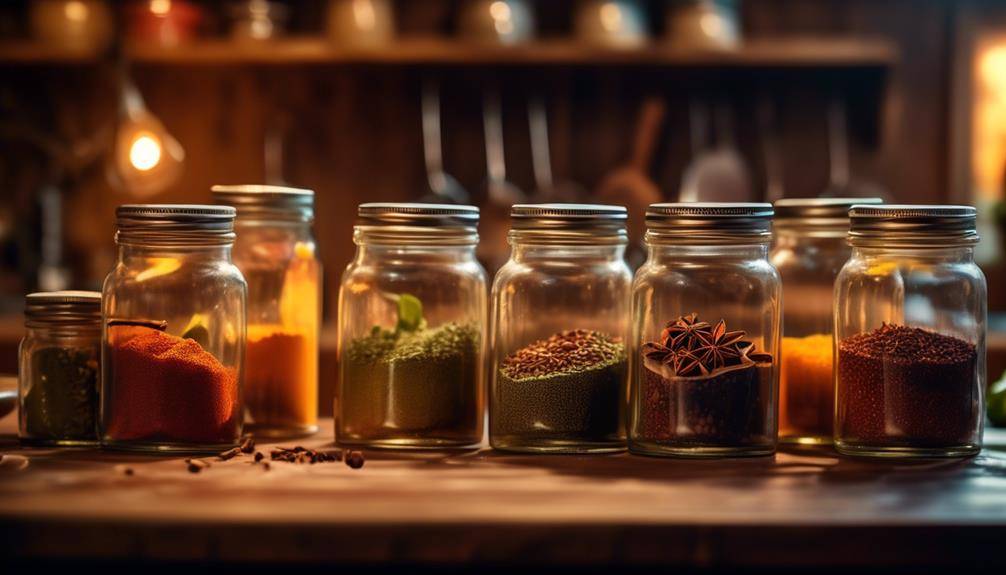
When you're cooking low-cholesterol meals, flavorful herbs and spices can make all the difference. You'll discover top herbs that add zest, spices that boost health, and creative blends to keep your dishes exciting. Let's explore how these ingredients can transform your cooking while keeping it heart-healthy.
Top Herbs for Flavor
Herbs and spices can elevate your low-cholesterol dishes with vibrant flavors that make healthy eating enjoyable. Incorporating fresh herbs into your meals not only enhances taste but also offers numerous herb benefits. For instance, basil's sweet and slightly peppery flavor profile works wonders in salads and sauces, adding depth without extra calories.
Parsley, with its fresh and grassy notes, can brighten up any dish while serving as a great source of vitamins. Cilantro brings a bold, citrusy flavor that pairs well with various cuisines, particularly in salsas and dressings. If you're looking for a warm, earthy taste, rosemary's aromatic qualities can transform roasted vegetables or lean meats.
Don't overlook thyme, either. Its subtle minty flavor profile complements stews and soups beautifully. Finally, dill boasts a unique, tangy taste that works well in dressings or with fish. By experimenting with these herbs, you'll discover how they can make your low-cholesterol meals not just healthy but bursting with flavor. So, get creative and let these herbs bring your dishes to life!
Spices That Enhance Health
Building on the vibrant flavors provided by fresh herbs, spices can further enhance your low-cholesterol cooking while offering a host of health benefits. Incorporating spices into your meals not only boosts flavor but also introduces various spice benefits that promote overall well-being. For instance, turmeric, known for its anti-inflammatory properties, can be a fantastic addition to soups and stews.
Cinnamon adds warmth and sweetness to your dishes, making it perfect for oatmeal or desserts without added sugar. You'll find that ginger can aid digestion and provide a zesty kick to stir-fries and marinades.
Exploring spices from different culinary traditions can also expand your palate. Think of how cumin and coriander can transform a simple vegetable dish into a fragrant adventure. By using these spices creatively, you can maintain the healthiness of your meals while also enjoying diverse flavors.
Creative Blends for Cooking
Creating your own spice blends can elevate your low-cholesterol dishes while adding unique flavor profiles. By experimenting with creative pairings, you'll discover how herbs and spices can transform even the simplest ingredients into something extraordinary. Think about incorporating seasonal ingredients to inspire your blends, allowing you to enjoy fresh flavors year-round.
Consider crafting innovative sauces that combine unexpected combinations, such as smoked paprika and lemon zest, to create bold flavors without adding unhealthy fats. You can also use artisanal oils to enhance your blends, adding depth and character to your meals.
Don't shy away from playful textures—try mixing ground spices with seeds or nuts for a delightful crunch. Unique garnishes, like a sprinkle of za'atar or dukkah, can provide a vibrant presentation that's visually appealing and delicious.
As you explore fusion dishes, let your imagination run wild. Combine flavors from different cuisines, like using an Italian herb mix on Thai stir-fry, to discover new favorites. With these creative blends, you'll not only enjoy healthier meals but also delight in culinary adventures that keep your taste buds excited.
Sample Low-Cholesterol Recipes
Ready to whip up some heart-healthy meals? You can start your day with delicious breakfast ideas that are low in cholesterol and packed with flavor. For dinner, explore options that keep your taste buds happy while supporting your health.
Heart-Healthy Breakfast Ideas
Kickstart your day with heart-healthy breakfast options that are not only low in cholesterol but also packed with flavor. Start with oatmeal variations topped with fresh fruit toppings, like berries or sliced bananas, for a nutritious boost. If you prefer something cold, try smoothie combinations with spinach, almond milk, and a scoop of nut butter options for added creaminess and protein.
For those craving something savory, consider egg alternatives, like scrambled tofu or chickpea flour omelets, to satisfy your taste buds without the cholesterol. Whole grain choices, such as whole wheat wraps, can be transformed into delicious breakfast burritos filled with veggies and avocado.
Yogurt parfaits are another great option—layer low-fat yogurt with chia puddings, granola, and fruit for a satisfying and visually appealing dish. Don't forget to experiment with different nut butter options, like almond or sunflower seed butter, to find your favorite flavor profile.
With these heart-healthy breakfast ideas, you can enjoy delicious meals while supporting your cardiovascular health every morning. So get creative and make breakfast your favorite meal of the day!
Flavorful Dinner Options
When it comes to flavorful dinner options, you don't have to sacrifice taste for health. With a few smart cooking methods and ingredient substitutions, you can whip up meals that are both delicious and low in cholesterol.
Consider grilling or baking your proteins instead of frying. For instance, a grilled lemon-herb chicken breast can be juicy and flavorful without the extra fat. If you're in the mood for seafood, try baking salmon with a drizzle of balsamic vinegar and fresh herbs; it's packed with omega-3s and rich flavors.
For your side dishes, swap out traditional starchy options for vibrant veggies. Roasting Brussels sprouts or sautéing spinach with garlic can elevate any meal. You can also experiment with whole grains like quinoa or brown rice, which add texture and nutrients.
Don't forget to use low-sodium broths or fresh herbs in place of heavy sauces. If you're craving a creamy element, try using silken tofu blended with herbs as a sauce alternative. With these tips, you can create satisfying dinners that keep your heart happy and your taste buds dancing!
Click Here and Turn Every Masterpiece into a Showstopper!
Meal Planning Tips
Planning meals can be a game changer for maintaining a low-cholesterol diet. By carefully organizing your meals each week, you can guarantee you're consistently choosing heart-healthy options. Start by dedicating some time to plan your breakfasts, lunches, and dinners, focusing on whole grains, lean proteins, and plenty of fruits and vegetables.
Once you've mapped out your meals, it's time for grocery shopping. Create a detailed shopping list based on your meal plan. Stick to the perimeter of the store where fresh produce, lean meats, and whole grains are usually found. Avoid the processed food aisles, as they often contain unhealthy fats and added sugars that can jeopardize your cholesterol goals.
Next, incorporate meal prep into your routine. Set aside a few hours on the weekend to prepare your meals. This can involve chopping vegetables, cooking grains, and portioning out servings. Store your prepped foods in clear containers for easy access during the week. Having meals ready to go reduces the temptation to grab unhealthy options when you're busy or tired.
Lastly, don't forget to stay flexible. If you find a great deal on seasonal produce or lean meats during grocery shopping, feel free to adjust your meal plan accordingly. By taking the time to plan and prep, you'll not only save time and money but also set yourself up for success in sticking to your low-cholesterol lifestyle.
Snacks That Support Heart Health
Choosing heart-healthy snacks can make a significant difference in managing your cholesterol levels while keeping your energy up throughout the day. By opting for nutritious snack options, you can satisfy your cravings without compromising your health. Start by reaching for fresh fruits and vegetables, which are packed with vitamins, minerals, and fiber. Carrot sticks, cucumber slices, and bell pepper strips are perfect for dipping.
Speaking of dips, consider incorporating heart healthy dips into your snacking routine. Hummus, made from chickpeas, is a fantastic option that's rich in protein and fiber. You can enjoy it with your veggie sticks or whole-grain crackers. Another great choice is guacamole, which is full of healthy fats that support heart health. By using avocados, you not only get delicious flavor but also beneficial nutrients.
Nuts and seeds are also excellent nutritious snack options. A small handful of unsalted almonds or walnuts can provide you with heart-healthy fats and keep you satiated. Just be mindful of portion sizes, as they're calorie-dense. If you're looking for a crunchy snack, air-popped popcorn seasoned with herbs or nutritional yeast can satisfy your cravings without the added cholesterol.
Lastly, consider whole grain options. Whole grain toast or rice cakes topped with avocado or a light spread of nut butter can be both filling and nutritious. Remember, healthy snacking is about making smart choices that nourish your body and support your heart.
Making Substitutions in Cooking
Making smart substitutions in your cooking can greatly enhance your meals while keeping your cholesterol levels in check. By making a few simple ingredient swaps, you can create delicious dishes that are heart-healthy and satisfying.
Start with cooking oils. Instead of using butter or lard, opt for heart-healthy oils like olive oil or avocado oil. These oils not only provide essential fats but also add a rich flavor to your meals. When baking, consider using unsweetened applesauce or mashed bananas in place of butter. This swap reduces saturated fat while adding moisture and sweetness to your recipes.
Next, look at your proteins. Replace fatty cuts of meat with lean alternatives such as chicken breast, turkey, or fish. Plant-based proteins like beans, lentils, and tofu are also excellent choices that can lower cholesterol levels and boost your fiber intake.
Dairy is another area where you can make beneficial swaps. Choose low-fat or non-fat yogurt and cheeses instead of their full-fat counterparts. You can even use almond milk or oat milk as a substitute for whole milk in many recipes.
Lastly, don't forget about your snacks. Instead of reaching for chips, try air-popped popcorn or raw veggies with hummus. These ingredient swaps can make a significant difference in your overall cholesterol levels while keeping your meals both enjoyable and nutritious. Embrace these substitutions, and you'll find that low-cholesterol cooking can be both simple and delicious.
Click Here and Turn Every Masterpiece into a Showstopper!
Frequently Asked Questions: Essential Guide To Low-Cholesterol Cooking
Can Low-Cholesterol Cooking Help With Weight Loss?
Yes, low-cholesterol cooking can aid weight loss. By focusing on meal planning and practicing portion control, you'll enjoy healthier meals that keep your calorie intake in check while promoting overall wellness and heart health.
Are There Specific Foods to Avoid Entirely?
Yes, you should avoid high-cholesterol sources like fatty meats, full-fat dairy, and processed foods. Instead, focus on healthy alternatives such as lean proteins, fruits, vegetables, and whole grains to maintain a balanced diet.
How Can I Make Low-Cholesterol Meals More Satisfying?
To make low-cholesterol meals more satisfying, focus on flavor enhancements like herbs and spices. Experiment with ingredient substitutions, using avocado instead of butter or whole grains instead of refined ones for added texture and taste.
What Are Common Misconceptions About Cholesterol?
You might think all dietary fats raise cholesterol, but that's a myth. Healthy fats can actually help improve cholesterol levels. Understanding cholesterol myths is essential for making informed choices about your diet and health.
How Often Should I Check My Cholesterol Levels?
You should check your cholesterol levels at least once every four to six years with a lipid panel. If you have risk factors, discuss more frequent cholesterol testing with your healthcare provider to stay proactive.

Conclusion
Now that you've got the essentials of low-cholesterol cooking, you're ready to whip up delicious, heart-healthy meals. By understanding cholesterol basics and incorporating key ingredients, you'll not only support your health but also enjoy flavorful dishes. Remember to experiment with various cooking techniques and spices to keep things exciting. With a bit of planning and smart substitutions, you can create satisfying meals and snacks that make your heart happy. Happy cooking!