Crafting Pasta Shapes: A Comprehensive How-To Guide
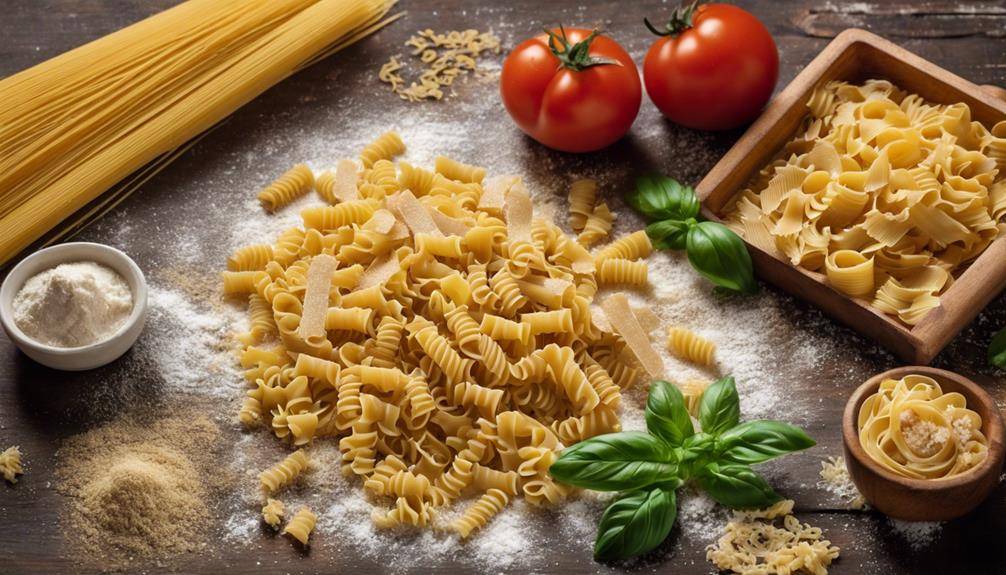
Pasta Shapes: A Comprehensive How-To Guide: Crafting pasta shapes at home lets you impress your friends with authentic Italian flair. Start by selecting quality ingredients like semolina or all-purpose flour and fresh eggs. Knead your dough until it's smooth and elastic, then let it rest. Roll it out evenly to achieve the desired thickness, which affects cooking time and texture. Experiment with popular shapes like spaghetti, ravioli, or orecchiette to match your favorite sauces. Remember to cook in salted water for the best flavor. There's so much more to explore when it comes to perfecting your pasta-making skills and techniques, so keep going!
Essential Ingredients for Pasta
Click Here and Turn Every Masterpiece into a Showstopper!
To create delicious pasta, you'll need just a few essential ingredients. The most significant component is the flour you choose. Different flour types, like semolina or all-purpose flour, have varying gluten content, which affects your pasta's texture. If you're looking for egg alternatives, consider using water or vegetable purees to bind your dough, especially in vegan recipes.
Next, pay attention to hydration levels. The right balance of liquid to flour is vital for achieving the perfect dough consistency. Too much water can lead to soggy pasta, while too little can result in a dry, crumbly texture. Once you've got your ingredients, kneading techniques come into play. Knead your dough until it's smooth and elastic, which can take about 8-10 minutes.
After kneading, you might want to explore different drying methods. Fresh pasta can be used immediately, but drying it can enhance its shelf life and make it more versatile for sauces later on. Speaking of sauces, consider how your pasta shape will pair with various sauce compatibility. Thicker sauces often need broader noodles, while lighter sauces work well with thinner options.
Don't forget to add flavor additions like herbs or spices to elevate your pasta. With a rich pasta history, regional variations abound, providing a wealth of inspiration. Experiment with these ingredients and techniques to craft pasta that reflects your taste and culinary style.
Tools You'll Need
To craft perfect pasta shapes, you'll need some essential kitchen utensils and possibly a few specialty tools. A good rolling pin, sharp knife, and measuring cups are crucial for any pasta-making adventure. If you want to take your creations to the next level, consider investing in equipment specifically designed for pasta shaping.
Essential Kitchen Utensils
Crafting pasta shapes requires just a handful of essential kitchen utensils that can make the process smoother and more enjoyable. Start with a sturdy work surface; a large wooden or marble board is ideal for rolling out dough. You'll need a rolling pin, one of the most important cooking tools, to achieve that perfect thinness.
Next, consider investing in pasta utensils like a bench scraper to cut and shape your dough efficiently. A dough cutter is also handy for precision. For shaping, necessary gadgets such as pasta molds or cutters can help create those delightful forms you envision.
Don't forget mixing bowls, measuring cups, and a whisk for preparing your dough. After you've crafted your pasta, a good-quality colander is essential for draining.
Utensil care is important, so make sure you clean your pasta accessories properly after use to maintain their longevity. Finally, keep your kitchen organized by designating a specific area for your pasta-making tools. This makes the process more efficient and enjoyable, allowing you to focus on creating delicious homemade pasta.
Specialty Pasta Equipment
When it comes to making pasta, having the right specialty equipment can elevate your culinary experience. A pasta extruder is a game changer, offering several pasta extruder benefits. It allows you to create a variety of shapes with consistent texture and thickness, making your pasta dishes professional-quality. If you want to explore different shapes and styles, investing in a pasta extruder can save you time and effort.
For those who love ravioli, handmade ravioli tools are essential. A ravioli maker or cutter simplifies the process, guaranteeing even filling and uniform shapes. You can also use a rolling pin and a dough cutter if you prefer a more traditional approach.
Additionally, consider a pasta drying rack. This tool helps prevent sticking and guarantees your freshly made pasta retains its shape while drying.
Lastly, a bench scraper can be invaluable for handling dough, cutting, and transferring pasta shapes. With these specialty tools in your kitchen, you'll find that crafting pasta becomes a more enjoyable and efficient process, paving the way for delicious homemade dishes that impress family and friends alike.
Making Fresh Pasta Dough
Making fresh pasta dough might seem intimidating at first, but once you get the hang of it, you'll find it's a rewarding process. The key is to start with quality ingredients—think all-purpose flour or semolina and fresh eggs. Measure out about two cups of flour and create a well in the center. Crack two large eggs into this well, adding a pinch of salt for flavor.
Using a fork, gently whisk the eggs, gradually incorporating the flour from the edges. As the dough begins to form, you can switch to using your hands. Knead the dough for about 8-10 minutes until it's smooth and elastic. This step is vital for achieving the perfect pasta texture. If the dough feels too sticky, sprinkle a bit more flour; if it's too dry, add a few drops of water.
Once you've kneaded the dough, let it rest. Wrap it in plastic wrap or cover it with a damp cloth and let it sit at room temperature for at least 30 minutes. This dough resting period allows the gluten to relax, making it easier to roll out later. Don't skip this step; it's essential for achieving the right consistency.
After resting, your dough is ready to be shaped into various pasta forms. Remember, the more you practice, the better your pasta will become! So roll up your sleeves, and enjoy the process of crafting your very own fresh pasta.
Rolling Out the Dough
Rolling out your pasta dough is essential for achieving the right thickness, which affects the texture and cooking time of your final dish. You'll want to use the right tools, whether it's a rolling pin or a pasta machine, to get that perfect consistency. Let's explore how to effectively roll out your dough to create delicious pasta shapes.
Dough Thickness Importance
Getting the dough thickness just right is vital for crafting perfect pasta shapes. The thickness of your dough directly influences its elasticity, which affects how well it holds up during cooking. By mastering different rolling techniques, you can achieve the precise thickness variations needed for various pasta styles. Thinner dough tends to cook faster, while thicker sheets take longer, impacting your overall cooking times.
Moreover, the thickness you choose will create texture differences that contribute to the flavor profiles of your dish. For instance, a thicker pasta can provide a heartier bite, while a thinner sheet may be more delicate and absorb sauces better. The ingredient ratios in your dough also play a notable role; a higher flour-to-water ratio can yield firmer pasta, requiring careful attention to its thickness.
When it comes to drying methods, the thickness of your pasta influences how quickly it dries and maintains its quality over time. So, whether you're aiming for rustic pappardelle or delicate ravioli, understanding the importance of dough thickness is vital for achieving the pasta of your dreams. Pay attention to these details, and you'll elevate your pasta-making skills considerably.
Tools for Rolling Dough
When it comes to rolling out your pasta dough, having the right tools can make all the difference in achieving the desired thickness and texture. A good-quality rolling pin is essential; it allows you to apply even pressure and control the pasta thickness effectively. You'll also want a spacious kitchen countertop, preferably made of a smooth surface, to facilitate the rolling process.
Before you start, sprinkle some surface flour to prevent sticking. This is vital for maintaining dough elasticity and ensuring a smooth roll. As you roll, use various rolling techniques—like alternating between pushing and pulling—to evenly flatten your dough. If the dough becomes too tough or sticky, let it rest for a few minutes. This resting period helps improve the dough texture, making it easier to work with.
Keep an eye on the thickness of your pasta; it should be consistent throughout. If you're aiming for specific shapes, adjust your technique to achieve that perfect cut. With the right tools and techniques, you'll master rolling out your pasta dough like a pro!
Popular Pasta Shapes
There are countless pasta shapes, each bringing its own unique texture and flavor to a dish. As you explore the world of pasta, you'll quickly discover that different shapes have rich pasta history and often reflect regional varieties. For instance, the classic spaghetti, long and thin, hails from southern Italy and pairs beautifully with tomato-based sauces.
In contrast, shapes like penne and rigatoni are native to central and northern regions, designed with ridges to hold onto hearty meat sauces. If you want something fun and whimsical, try farfalle, known for its butterfly shape, which adds a playful touch to salads or light cream sauces.
Don't forget about orecchiette, a unique ear-shaped pasta from Puglia, which is fantastic with broccoli rabe or sausage. Each shape serves a purpose, enhancing the overall experience of your dish.
Cavatappi, resembling a corkscrew, is another popular choice, perfect for creamy sauces or baked pasta dishes, while pappardelle, broad and flat, works wonderfully with rich, slow-cooked meats.
When you're experimenting with pasta shapes, consider how each one interacts with sauces and ingredients. Embrace the diversity of pasta, and let its history and regional varieties inspire your culinary creations. You'll find that choosing the right shape can elevate your dishes, making every meal a delightful experience.
Shaping Techniques Explained
Shaping pasta is an art that can transform simple dough into a variety of enticing forms. To get started, you'll want to familiarize yourself with various twisting techniques, which can create everything from elegant fusilli to playful cavatappi. These methods rely on manipulating the dough with your hands, allowing you to achieve that perfect spiral or curl.
Next, explore folding methods, essential for crafting shapes like tortellini or ravioli. You'll need to roll out your dough into thin sheets, then cut and fold them over your chosen filling. This is where the magic happens, as you can add decorative touches like crimping the edges or using a fork for an artisan look.
Don't forget about regional variations; each area in Italy boasts its own shaping styles. For instance, orecchiette from Puglia features a unique thumb-press technique, while the northern regions favor smoother, rolled shapes. Embracing these traditional practices can elevate your pasta game.
Moreover, let your creativity shine through with innovative designs. Experimenting with different shapes and sizes can lead to delightful surprises, such as creating your own signature pasta. Remember, artisan approaches emphasize both technique and individuality, allowing you to express your culinary personality.
Click Here and Turn Every Masterpiece into a Showstopper!
Filling Pasta for Variety
Filling pasta opens up a world of flavor and texture that can elevate your dishes. You'll find popular ingredients like ricotta, spinach, and meats that transform each bite into a delightful experience. Plus, mastering cooking techniques for filled pasta guarantees you enjoy every morsel to its fullest.
Popular Filling Ingredients
When it comes to crafting delicious pasta, choosing the right filling can elevate your dish to new heights. You've got a world of flavors to explore, and each one brings its unique twist. For a creamy and rich option, consider using ricotta cheese blended with herbs for a classic touch. If you're looking for something lighter, a spinach filling mixed with feta can offer a rejuvenating taste.
For those who love earthy flavors, mushroom duxelles made from finely chopped mushrooms and herbs creates a delightful filling. Butternut squash, when pureed and seasoned, delivers a sweet and savory option that pairs beautifully with sage. If meat's your go-to, a hearty meat mixture will satisfy any carnivore.
Seafood lovers can't go wrong with a seafood blend, perhaps featuring shrimp and scallops, while veggie enthusiasts might enjoy roasted peppers mixed with a cheese blend for a vibrant, flavorful filling. Finally, you might want to try pumpkin puree combined with spices for a seasonal twist or herb pesto for a burst of freshness. Choose your filling wisely, and watch your pasta shine!
Cooking Techniques Explained
Once you've chosen your filling, the next step is mastering the cooking techniques that bring your pasta to life. Pasta history reveals a rich tradition of filling techniques, each designed to enhance flavor and texture. Start by ensuring your filling is well-seasoned; this makes a significant difference when paired with your sauce.
When cooking filled pasta, choose between boiling, baking, or sautéing. Boiling is the most common method, but you should avoid overcooking to keep the delicate balance of filling intact. If you prefer a crispy texture, consider baking your pasta with a layer of sauce and cheese on top. Sautéing is also an option; just cook your filled pasta in a bit of olive oil or butter, allowing it to brown slightly.
Cooking Your Handmade Pasta
As you prepare to cook your handmade pasta, the first step is to bring a large pot of salted water to a rolling boil. The salt not only adds flavor but also helps the pasta maintain its texture. Once the water's boiling, gently drop in your pasta. Depending on the thickness and shape, cooking times can vary, so keep an eye on it.
One effective pasta cooking method is the 'al dente' technique, where you aim for a firm bite. This is especially important if you plan to integrate your pasta with a sauce later. Stir occasionally to prevent sticking and guarantee even cooking. Taste a piece a minute or two before the suggested cooking time to check for doneness.
When your pasta is ready, reserve a cup of the cooking water. This starchy water can come in handy for sauce integration, helping to create a silky finish that clings to each shape. Drain the pasta using a colander, but don't rinse it, as that washes away the starch necessary for holding onto your sauce.
Now, combine the drained pasta with your preferred sauce, adding a splash of the reserved water if needed. Toss everything together over low heat for a minute, allowing the flavors to meld. Your handmade pasta is now perfectly cooked, ready to be enjoyed with your chosen sauce!
Pairing Sauces With Shapes
Choosing the right sauce to complement your pasta shape can elevate your dish to new heights. Understanding sauce pairings is essential for achieving perfect harmony on your plate. Start by considering shape compatibility; for instance, ridged shapes like rigatoni work well with thicker sauces, as their grooves catch more sauce, ensuring every bite is flavorful.
When it comes to flavor balance, think about how the sauce interacts with the pasta. Lighter sauces, like a simple olive oil and garlic blend, pair beautifully with delicate shapes such as angel hair. In contrast, heartier shapes like pappardelle shine with rich, meaty sauces, providing a satisfying texture contrast.
Regional preferences also play a role in your sauce choices. For example, a classic Bolognese sauce pairs perfectly with tagliatelle, a staple of Italian cuisine. Don't forget to incorporate seasonal ingredients; a fresh tomato sauce bursts with flavor when paired with summer-fresh pasta shapes, while a creamy winter sauce can warm you up during colder months.
Consider cooking methods as well; if you're sautéing your pasta, a light sauce will complement it without overpowering the dish. Finally, pay attention to sauce thickness. A thicker sauce can balance a hearty pasta shape, but a thinner sauce might be perfect for lighter varieties. With these tips in mind, you'll master the art of pairing sauces with your handmade pasta shapes.
Storing and Freezing Pasta
After perfecting your pasta and pairing it with the right sauce, it's important to know how to store any leftovers or prepare for future meals. Proper storage can keep your pasta fresh and delicious, so let's explore some essential pasta storage tips.
If you've got leftover cooked pasta, let it cool down to room temperature before storing it. Place it in an airtight container, and it'll last in the fridge for up to three days. If you want to keep it for longer, consider freezing it. When using freezing techniques, portion your pasta into meal-sized servings and pack it in freezer-safe bags or containers. Be sure to remove as much air as possible to prevent freezer burn.
For fresh, uncooked pasta, you can also freeze it. Just dust the pasta lightly with flour to prevent sticking, and spread it out on a baking sheet. Freeze it for about 30 minutes before transferring it to a freezer-safe bag. This way, you can take out only what you need later on.
When it's time to use your frozen pasta, there's no need to thaw it. Just drop it directly into boiling water, adding a minute or two to the cooking time. Remember, whether you're storing cooked or fresh pasta, a little care goes a long way in preserving its flavor and texture. So, follow these pasta storage tips, and you'll always have a delicious meal ready to go!
Tips for Perfect Pasta Every Time
Perfect pasta starts with a pot of boiling, salted water—a crucial step that enhances flavor and texture. Make sure to use enough salt; it should taste like the sea. This not only improves pasta flavor but also aids in texture balancing, ensuring your noodles cook evenly.
When choosing pasta shapes, consider sauce compatibility. For chunky sauces, opt for ridged or tubular shapes; for lighter sauces, try delicate strands like angel hair. Pay attention to cooking times, as different shapes require varying durations to achieve that perfect al dente bite.
Freshness indicators are essential; look for pasta that feels firm and has a slight sheen. If you're using dried pasta, check the expiration date. For ingredient substitutions, feel free to experiment with whole-grain or gluten-free options to enjoy the health benefits without sacrificing taste.
Don't forget about regional variations when crafting your pasta. Each culture has its unique styles and flavors, which can inspire your dishes. For serving suggestions, toss your pasta with fresh herbs, seasonal vegetables, or a sprinkle of cheese to enhance its appeal.
Lastly, embrace cultural traditions by trying classic recipes that showcase pasta's versatility. Whether it's a hearty Bolognese or a light pesto, these dishes can elevate your culinary experience. By following these tips, you're well on your way to creating perfect pasta every time. Enjoy the process and savor the results!
Click Here and Turn Every Masterpiece into a Showstopper!
Frequently Asked Questions: Pasta Shapes: A Comprehensive How-To Guide
Can I Use Gluten-Free Flour for Making Pasta?
Yes, you can use gluten-free flour for making pasta. Just remember, gluten-free options might alter the pasta texture, making it less chewy. Experiment with different blends to find what suits your taste best.
How Do I Fix Dough That's Too Sticky?
If your dough's too sticky, try adding a bit more flour gradually. Adjusting hydration levels can help too. Remember, sticky dough solutions often involve finding the right balance for a manageable consistency. Don't rush it!
What Is the Best Way to Dry Pasta?
To dry pasta effectively, use pasta drying techniques like hanging or laying it flat. Guarantee ideal drying conditions by keeping a well-ventilated space, avoiding humidity, and allowing adequate time for the pasta to dry completely.
How Long Does Homemade Pasta Last in the Fridge?
Homemade pasta lasts about 2 to 3 days in the fridge. For ideal pasta preservation, store it in an airtight container. These storage tips help maintain freshness and flavor, ensuring your pasta stays delicious longer.
Can I Make Pasta Without a Pasta Machine?
Yes, you can definitely make pasta without a machine! Use hand rolling techniques to flatten the dough, and incorporate pasta shaping tools like a rolling pin and knife to create your desired shapes. Enjoy the process!

Conclusion
Now that you've mastered the art of crafting pasta shapes, it's time to put your skills to the test! Enjoy the process of making fresh pasta and experimenting with different shapes and sauces. Remember, practice makes perfect, so don't hesitate to try new techniques and flavors. Whether it's a cozy dinner or a special occasion, your handmade pasta will impress everyone. So roll up your sleeves, get creative, and savor the delicious results of your hard work!