Top 10 Tips For Cooking Vegetarian Meals
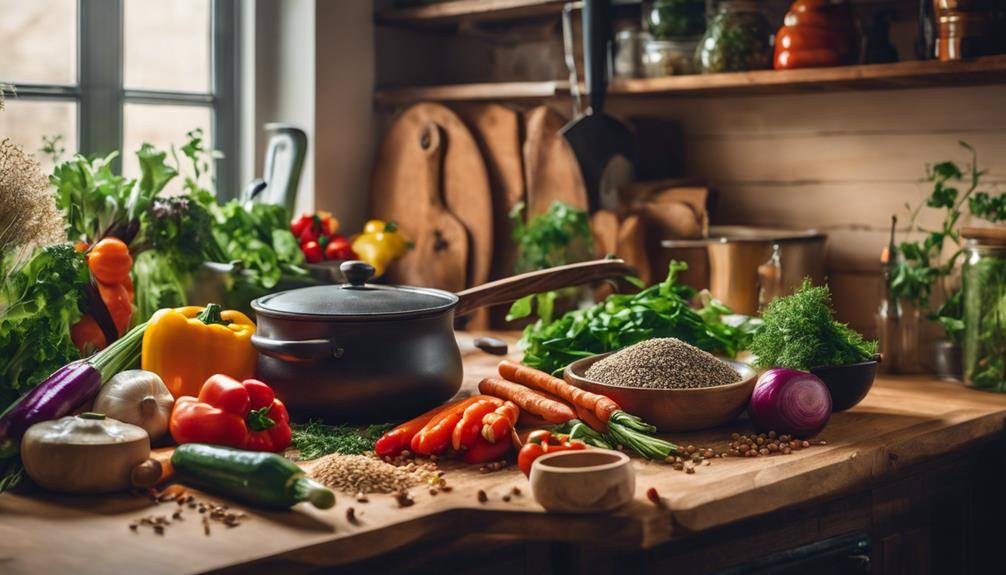
Top 10 Tips For Cooking Vegetarian Meals: To cook tasty vegetarian meals, embrace seasonal ingredients for peak flavor and nutrition. Experiment with herbs and spices to elevate your dishes. Incorporate plant-based proteins like beans and quinoa for satisfaction. Master essential cooking techniques to boost efficiency and presentation. Explore global cuisines for unique flavors and dishes. Use colorful vegetables to maximize nutritional benefits and visual appeal. Create flavorful sauces to enhance even simple ingredients. Don't shy away from trying different cooking methods to keep meals exciting. Finally, get creative with leftovers to minimize waste. If you're curious for more culinary ideas, there's plenty to discover ahead.
Embrace Seasonal Ingredients
Click Here and Turn Every Masterpiece into a Showstopper!
When you embrace seasonal ingredients, you not only enhance the flavor of your vegetarian meals but also support local farmers and reduce your carbon footprint. Seasonal produce is harvested at its peak, meaning it's fresher, tastier, and packed with nutrients. Visiting farmers' markets is a fantastic way to discover what's in season, allowing you to connect with local growers and learn more about how your food is produced.
Local sourcing helps you make more informed choices about your ingredients, as you can ask farmers about their growing practices and the best ways to prepare their produce. This not only fosters a sense of community but also encourages sustainable practices that benefit the environment. When you buy locally, you reduce the energy required for transportation, which directly lowers greenhouse gas emissions.
Incorporating seasonal ingredients into your cooking can lead to an exciting variety of flavors and textures. For example, in the summer, you might enjoy ripe tomatoes, sweet corn, and vibrant zucchini, while fall brings hearty squash, crisp apples, and earthy root vegetables. By planning your meals around what's in season, you can create dishes that are not only delicious but also reflect the changing seasons.
Experiment With Herbs and Spices
Incorporating a variety of herbs and spices can transform your vegetarian meals into vibrant culinary experiences. You don't have to be a gourmet chef to elevate your dishes; just a bit of creativity with herb combinations and spice blends can make all the difference. Start by exploring fresh herbs like basil, cilantro, and parsley. They add brightness and freshness, making your meals more appealing.
When cooking, think about how different herbs can complement one another. For instance, pairing thyme with rosemary can bring depth to roasted vegetables, while a mix of dill and chives can enhance a creamy potato salad. Don't shy away from trying unconventional herb combinations. You might discover that mint works beautifully in savory dishes, adding an unexpected twist.
Spice blends are another fantastic way to experiment. Consider using garam masala for a warm, aromatic kick in curries or a blend of smoked paprika, cumin, and chili powder to give a vibrant flavor to grilled veggie skewers. You can also create your own spice blends to suit your taste. Mix equal parts of your favorite spices and store them in a jar for easy access.
As you experiment, remember to taste as you go. Adjust the amounts of herbs and spices to suit your palate. With a little practice, you'll find yourself crafting delicious vegetarian meals that are bursting with flavor, making every dinner a delightful culinary adventure. So, get ready to spice things up!
Incorporate Plant-Based Proteins
Adding plant-based proteins to your vegetarian meals not only boosts their nutritional value but also enhances their heartiness and satisfaction. By incorporating diverse plant protein sources, you'll create meals that are not just filling but also packed with essential nutrients.
Start by exploring your legumes selection. Beans, lentils, and peas can be the backbone of many dishes, from hearty stews to invigorating salads. Consider trying different varieties to add flavor and texture. For a more unique twist, immerse yourself in tempeh recipes. This fermented soy product is both nutritious and versatile, making it a great meat substitute in stir-fries or sandwiches.
Don't overlook the benefits of quinoa. Often hailed as a superfood, quinoa is a complete protein, meaning it contains all nine essential amino acids. Use it as a base for grain bowls, or mix it into salads for added crunch.
For those looking for nut options, almonds, walnuts, and peanuts provide a satisfying crunch and a protein boost. You can sprinkle them on salads, blend them into sauces, or enjoy them as a snack.
Lastly, consider incorporating tofu alternatives like seitan or edamame for a different texture and flavor. These dairy replacements can enhance your meals while keeping them plant-based. By thoughtfully selecting your ingredients, you'll create vegetarian meals that are not only delicious but also rich in plant-based proteins, ensuring you stay satisfied and nourished.
Master Cooking Techniques
Mastering cooking techniques is essential for elevating your vegetarian meals from simple to spectacular. One of the foundational skills you should develop is knife skills. Being able to chop, dice, and slice ingredients quickly and efficiently not only saves time but also enhances the presentation of your dishes. Invest in a good-quality chef's knife, and practice your technique regularly. Start with basic cuts, then challenge yourself with more complex ones as you gain confidence. The right knife skills can transform a mix of vegetables into a visually appealing stir-fry or salad.
Next, familiarize yourself with sauté techniques. Sautéing is a quick and effective way to cook vegetables, allowing their flavors to intensify while preserving their nutrients. Use a heavy-bottomed pan and start with a small amount of oil over medium-high heat. Add your chopped vegetables in batches to avoid overcrowding, which can lead to steaming instead of sautéing. Stir them frequently to guarantee even cooking, and don't be afraid to add herbs or spices to infuse additional flavors.
As you master these techniques, you'll find that your ability to create delicious vegetarian meals will soar. Perfecting your knife skills and sauté techniques will not only boost your confidence in the kitchen but also inspire you to experiment with new ingredients and dishes. Embrace these skills, and you'll be well on your way to cooking impressive vegetarian meals that everyone will love.
Explore Global Cuisines
Once you've honed your knife skills and perfected your sauté techniques, it's time to take your vegetarian cooking to new heights by exploring global cuisines. Each culture offers unique flavors and combinations that can elevate your dishes and introduce you to exciting ingredients. By diving into these culinary traditions, you'll not only enhance your skills but also appreciate the rich cultural influences that shape vegetarian cooking worldwide.
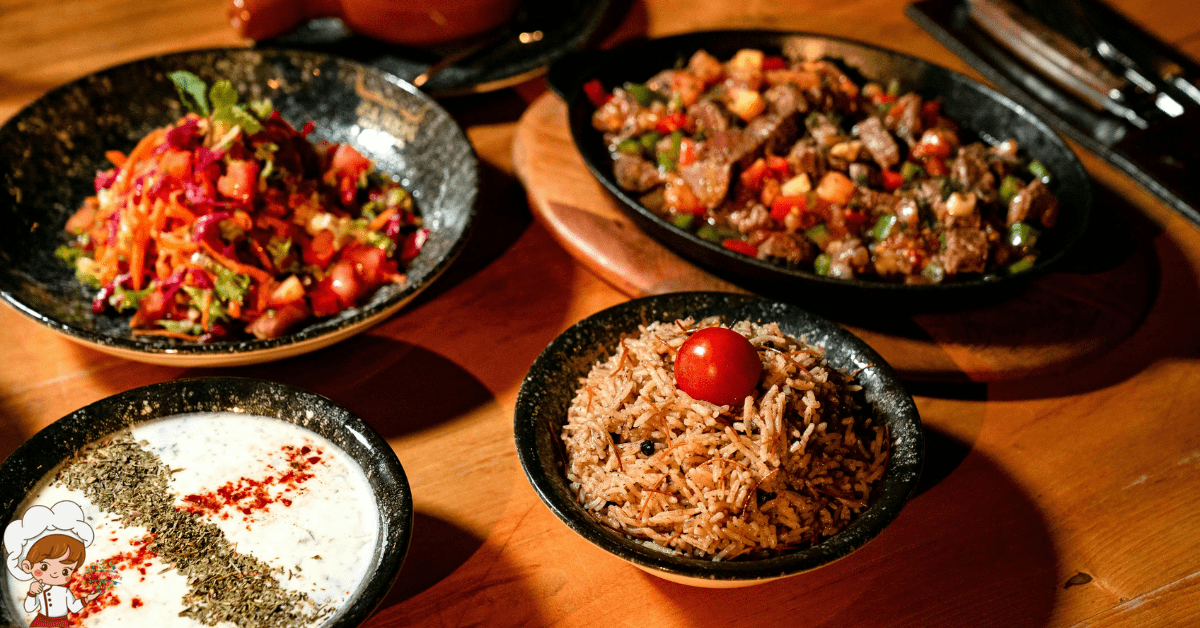
Start by researching traditional recipes from various regions. For instance, Indian cuisine boasts an impressive array of lentil dishes and vibrant spices, while Mediterranean fare highlights fresh vegetables, legumes, and herbs. Try your hand at making a classic Moroccan tagine using seasonal veggies and aromatic spices for a fragrant, hearty meal.
Don't shy away from Asian cuisines either; dishes like Thai green curry or Vietnamese pho can easily be adapted to highlight plant-based ingredients. Explore how different cultures utilize grains, beans, and greens, and incorporate these elements into your cooking.
Experiment with ingredients like tofu, tempeh, and seitan, which are staples in many global diets. Each ingredient brings its own texture and flavor profile, making your meals more diverse and exciting.
As you cook, remember to honor the traditional recipes while adding your personal touch. This approach not only respects the heritage of these dishes but also allows you to create something uniquely yours. So, roll up your sleeves and commence on this flavorful journey—your taste buds will thank you!
Plan Balanced Meals
To create nutritious vegetarian meals, it is vital to plan balanced plates that include a variety of food groups. Meal planning is your best friend in this process, as it helps you visualize what you'll eat throughout the week. Start by including proteins, grains, fruits, and healthy fats in each meal. For instance, consider pairing quinoa with black beans and avocado, which not only provides protein but also guarantees nutrient balance.
Next, think about portion sizes. A well-rounded plate might include half your plate filled with vegetables, one-quarter with protein, and one-quarter with whole grains. This approach assures that you're getting the necessary nutrients without overloading on any one food group. Don't forget to incorporate healthy fats like olive oil or nuts; they're essential for overall health.
When planning your meals, pay attention to variety. Different foods provide different nutrients, and rotating your choices keeps meals exciting and nutritious. Check your pantry and fridge regularly to avoid waste and guarantee you have the ingredients you need for your meal plans.
Click Here and Turn Every Masterpiece into a Showstopper!
Use Colorful Vegetables
Using colorful vegetables not only boosts the nutritional value of your meals but also makes your plate visually appealing. By incorporating a variety of seasonal options, you can enhance flavor and freshness while enjoying the benefits of different nutrients. So, let's explore how adding vibrant produce can transform your vegetarian cooking!
Nutritional Benefits of Variety
Incorporating a rainbow of colorful vegetables into your meals not only makes your plate visually appealing but also maximizes nutritional benefits. By including a variety of hues, you guarantee nutrient diversity, which is essential for maintaining ideal health. Each color represents different vitamins, minerals, and antioxidants that your body needs to function effectively. For instance, orange and yellow vegetables are rich in vitamin C and carotenoids, while leafy greens provide essential nutrients like iron and calcium.
When you embrace a colorful palette, you tap into the numerous health benefits these vegetables offer. Red vegetables, such as tomatoes and bell peppers, contain lycopene, which may help reduce the risk of certain cancers. Purple veggies, like eggplants and beets, are packed with anthocyanins, known for their anti-inflammatory properties.
Moreover, the fiber found in these diverse vegetables aids digestion and helps you feel full longer, making it easier to manage your weight. So, don't hesitate to experiment with various colors in your meals; this simple change can lead to a healthier, more balanced diet that supports your overall well-being.
Aesthetic Appeal on Plate
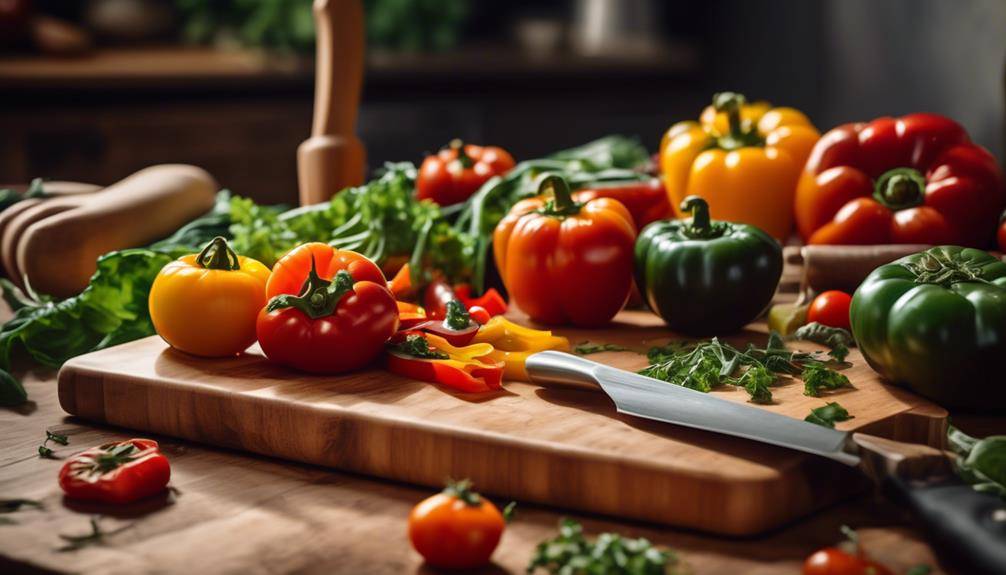
Brighten your meals by adding colorful vegetables, which not only enhance the visual appeal of your plate but also make dining more enjoyable. Vibrant greens, reds, yellows, and purples not only look good but also provide a range of nutrients. When you're plating your dish, think about using different shapes and textures. For instance, slice bell peppers into strips, and toss in some cherry tomatoes for a burst of color.
Experiment with plating techniques like stacking or layering to create height, making your meal more dynamic. Use a wide, shallow bowl or a clean white plate to let the colors pop.
Garnishing ideas can also elevate your dish. Fresh herbs like basil or cilantro add a splash of green, while a sprinkle of feta or a drizzle of balsamic vinegar can enhance flavor and aesthetics. Don't shy away from using edible flowers or microgreens to add an unexpected twist to your presentation.
Seasonal Vegetable Choices
Choosing seasonal vegetables not only enhances the flavor of your dishes but also adds vibrant colors that can invigorate your meals. When you opt for veggies that are in season, you're more likely to enjoy their peak freshness and taste. Plus, seasonal choices are often more affordable and available through local farmers, giving your meals a community touch.
To make the most of these colorful vegetables, try to incorporate them into your seasonal recipes. For spring, think asparagus, peas, and radishes, while summer offers the likes of zucchini, bell peppers, and tomatoes. In fall, you can savor the flavors of squash, carrots, and sweet potatoes, and winter brings hearty greens like kale and Brussels sprouts.
When you focus on using a variety of colors, you not only create visually appealing dishes but also guarantee a broader range of nutrients. So, next time you plan your meals, visit your local farmers' market or grocery store and stock up on those seasonal treasures. Your palate—and your plate—will thank you! Embrace the colors of the season and elevate your vegetarian cooking experience.
Make Flavorful Sauces
Creating flavorful sauces is a game-changer for any vegetarian meal, as they can elevate simple ingredients into a culinary delight. A well-crafted sauce can bring together various flavors and textures, making your dishes exciting and memorable. Start by considering the sauce textures you want to achieve. Whether you prefer a velvety smooth puree or a chunky salsa, each texture can complement different dishes.
Next, focus on the flavor profiles you want to build. Think about balancing acidity, sweetness, and umami to create depth. For example, a rich tomato sauce can benefit from a splash of balsamic vinegar or a pinch of sugar to enhance the sweetness of the tomatoes. Don't shy away from experimenting with herbs and spices; fresh basil, cilantro, or a dash of smoked paprika can transform a basic sauce into something extraordinary.
Blending nuts or seeds into your sauces can add creaminess without the need for dairy, and they also introduce unique flavors. For example, tahini can enrich a sauce with a nutty flavor, while cashews blended with garlic and lemon juice can create a delightful creamy dressing.
Lastly, don't forget to taste and adjust as you go. A little salt or lemon juice can make all the difference in bringing out the flavors. By mastering flavorful sauces, you'll never run out of ways to elevate your vegetarian meals and impress your guests.
Try Different Cooking Methods
Exploring various cooking methods can transform your vegetarian meals and release new flavors and textures. Don't settle for the same old techniques; try different approaches to elevate your dishes. For instance, grilling vegetables can add a delightful smokiness and char that enhances their natural sweetness. Whether you're working with bell peppers, zucchini, or eggplant, a quick grill can turn simple veggies into stars on your plate. Just brush them with a bit of oil, sprinkle some seasoning, and let the grill work its magic.
On the other hand, steaming grains like quinoa or brown rice can yield a fluffy and nutritious base for your meals. Steaming preserves the grains' nutrients and keeps them moist, ensuring they soak up the flavors of your accompanying sauces and vegetables. It's a straightforward method that guarantees perfectly cooked grains every time.
Additionally, don't shy away from roasting. This method concentrates flavors and caramelizes sugars, resulting in incredibly tasty dishes. Toss root vegetables like carrots and sweet potatoes in olive oil and herbs, then roast them until they're tender and golden.
Experimenting with these cooking techniques not only diversifies your meals but also keeps things exciting in the kitchen. So, grab your grill, steaming basket, or roasting pan, and start exploring the myriad of flavors that different cooking methods can offer. Your taste buds will thank you!
Get Creative With Leftovers
While many people see leftovers as a chore, they can actually be a springboard for new culinary creations. Instead of tossing those extra veggies or grains, think of them as building blocks for exciting new meals. One of the simplest ways to reinvent leftovers is by whipping up flavorful leftover salads. Combine your leftover roasted vegetables with fresh greens, nuts, and a tangy dressing for a rejuvenating meal. You'll be surprised at how delicious yesterday's leftovers can taste when paired with new ingredients!
If you've got a bit more time, consider making creative stir fries. Toss your leftover grains, such as rice or quinoa, into a hot pan with some oil, and add in any leftover protein or veggies you have on hand. A splash of soy sauce or a sprinkle of sesame oil can elevate the dish, turning it into a vibrant, tasty stir fry. You can even throw in some fresh herbs or spices to give it that extra kick.
Don't forget about soups, too! You can blend up leftover veggies and grains into a hearty soup. Just add vegetable broth and seasonings, and let it simmer for a comforting dish that's perfect for any day.
Click Here and Turn Every Masterpiece into a Showstopper!
Frequently Asked Questions: Top 10 Tips For Cooking Vegetarian Meals
What Are Some Easy Vegetarian Meal Prep Ideas?
For easy vegetarian meal prep, focus on protein sources like beans, lentils, and tofu. Mix and match ingredients to create meal variations, such as salads, wraps, or stir-fries, ensuring you enjoy diverse and nutritious options.
How Can I Make Vegetarian Meals Kid-Friendly?
To make vegetarian meals kid-friendly, try fun vegetarian recipes like veggie tacos or colorful stir-fries. Involve your kids in engaging cooking activities, letting them help with preparation to spark their interest and creativity.
What Kitchen Tools Do I Need for Cooking Vegetarian?
You'll need essential utensils like a good knife set, chopping board, and vegetable peeler. A food processor, blender, measuring cups, mixing bowls, spice rack, and storage containers will make your cooking experience smoother and more enjoyable.
Are There Quick Vegetarian Meals for Busy Weeknights?
For busy weeknights, you can whip up quick veggie stir fries or simple pasta dishes. Just toss in your favorite veggies and a flavorful sauce, and dinner's ready in no time! Enjoy your meal!
How Do I Store Leftover Vegetarian Meals Properly?
To store leftover vegetarian meals properly, use airtight containers for meal preservation. Label and date them to keep track. Refrigerate promptly and consume within three to five days for ideal leftover storage and freshness.

Conclusion
By embracing these tips, you'll open up a world of delicious vegetarian meals that are both satisfying and nutritious. Don't hesitate to experiment with flavors and techniques—cooking is all about creativity! Use seasonal ingredients, play with vibrant vegetables, and explore global cuisines to keep your meals exciting. Remember, there's no right or wrong in the kitchen; it's all about what you enjoy. So, get cooking and let your taste buds lead the way!