Understanding Pasta Making Tools And Their Functions
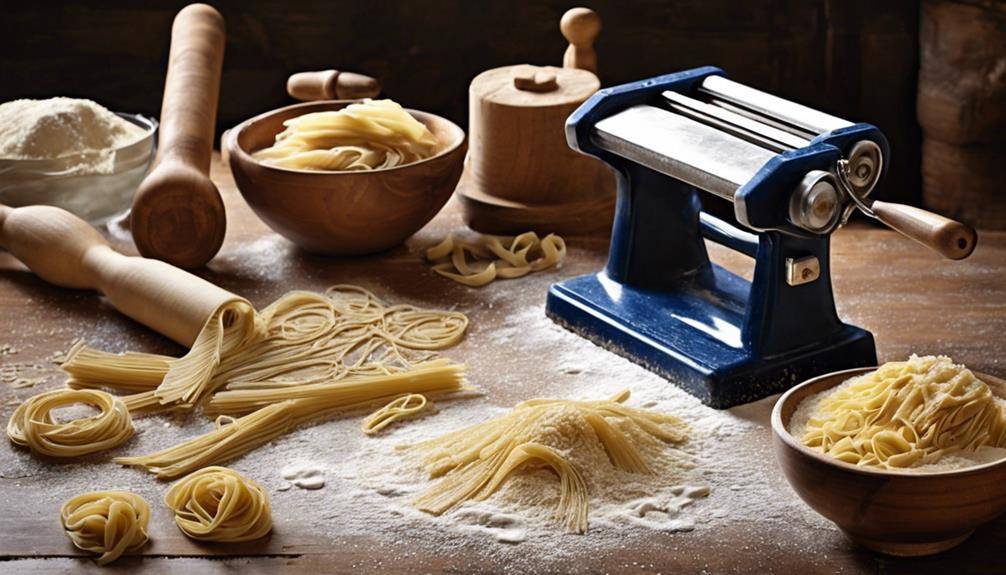
Pasta Making Tools And Their Functions: Understanding pasta making tools helps you create delightful homemade dishes. You'll need a sturdy mixing bowl for combining ingredients and a bench scraper to tidy up your workspace. A pasta machine is essential for rolling your dough to the right thickness, while a sharp knife or pasta cutter shapes your creations. Don't forget the measuring tools; they guarantee you get precise amounts for perfect texture. For drying, use a rack to maintain shape. Finally, effective storage solutions keep your pasta fresh. Keep going, and you'll uncover even more tips and tricks to elevate your pasta-making game.
Essential Tools for Pasta Making
Click Here and Turn Every Masterpiece into a Showstopper!
When you decide to make pasta from scratch, having the right tools can make all the difference. The first essential tool you'll need is a sturdy mixing bowl. A large bowl allows you to combine your flour and eggs without making a mess, ensuring you achieve the right pasta textures. A bench scraper is also invaluable; it helps you gather the dough and keep your workspace tidy as you knead.
Next, you'll want a pasta machine. A good quality machine can help you roll your dough to the desired thickness, making it easier to create various pasta shapes. With this tool, you can experiment with ingredient variations, like using semolina flour for a different flavor and texture.
Don't overlook the importance of a sharp knife or a pasta cutter. This tool is essential for cutting your rolled dough into the desired shapes, whether you're making fettuccine, lasagna, or ravioli. If you're interested in filled pasta, a ravioli stamp can help you create perfectly sealed pockets of goodness.
Rolling Pins and Their Uses
When it comes to rolling pins, you've got options that can elevate your pasta-making game. Understanding the different types and mastering proper rolling techniques will make a noticeable difference in your results. Plus, knowing how to care for your rolling pin guarantees it lasts for many delicious pasta nights to come.
Types of Rolling Pins
A variety of rolling pins can elevate your pasta-making experience, each designed for specific tasks. Wooden rolling pins are classic and versatile, perfect for general dough rolling. Their sturdy construction offers great control while you work. Marble rolling pins, on the other hand, are excellent for keeping your dough cool, which is essential for delicate pastries and certain pasta types. Their weight helps you apply even pressure.
Silicone rolling pins are a modern twist, featuring a non-stick surface that makes it easy to roll out dough without adding extra flour. If you're seeking precision, adjustable pins allow you to set specific thickness levels, ensuring uniformity in your pasta sheets.
For those who want to get creative, specialty pins, like the textured or patterned ones, can add unique designs to your dough. Finally, vintage pins not only serve as functional tools but also as charming kitchen decor, often carrying stories of past culinary adventures.
Choosing the right rolling pin can enhance your pasta-making process and help you achieve the perfect texture and thickness with ease. So, explore these options and find the one that suits your style!
Proper Rolling Techniques
Although mastering proper rolling techniques may seem challenging, it's essential for creating perfect pasta. Start by ensuring your dough is well-kneaded and rested; this makes it easier to roll out. When you're ready to begin, lightly flour your work surface and the rolling pin to prevent sticking.
As you roll, maintain even rolling pressure. Apply consistent pressure with your hands to achieve uniform pasta thickness. If you notice any areas becoming thicker, focus on those spots with a bit more pressure. Remember, it's important to roll from the center outwards, rotating the dough frequently. This technique helps keep your pasta even and round.
If you find your dough is too elastic, let it rest a few minutes before rolling again. You should aim for a thickness that suits the type of pasta you're making. For instance, lasagna sheets should be thicker than ravioli wrappers.
Once you achieve your desired thickness, you're ready to cut your pasta into shapes. With practice, your rolling skills will improve, allowing you to create beautiful pasta dishes that are sure to impress!
Maintenance and Care
Caring for your rolling pin is vital for guaranteeing its longevity and best performance in pasta making. After each use, it's essential to clean your rolling pin properly. Avoid soaking it in water, as excess moisture can warp the wood. Instead, use a damp cloth to wipe it down, removing any flour or dough residue. For stubborn bits, gently scrub with a soft brush.
If your rolling pin has developed an odor, sprinkle some baking soda on it and let it sit for a few hours before wiping it off. This simple cleaning technique keeps your tool fresh without damaging it.
To maintain the wood's integrity, apply a food-safe mineral oil every few months. This step not only nourishes the wood but also helps prevent cracking, contributing to tool longevity.
Store your rolling pin in a dry place, away from direct sunlight, which can cause the wood to dry out and split. By following these maintenance tips, you'll guarantee your rolling pin stays in top shape, ready for your next pasta-making adventure. Proper care will help you enjoy countless delicious meals for years to come!
Pasta Machines: Types and Functions
When it comes to pasta machines, you have two main options: manual and electric. Each type brings its own set of functions and benefits that can enhance your pasta-making experience. Let's explore how these machines can help you create perfect pasta with ease.
Manual Pasta Machines
Manual pasta machines bring the art of pasta-making right into your kitchen, allowing you to roll out fresh dough with ease. With these handy tools, you can explore various manual pasta techniques that have been passed down through generations. You'll find that using a manual pasta machine encourages a hands-on approach, connecting you to traditional pasta methods that many chefs swear by.
These machines typically consist of two rollers and adjustable settings to achieve your desired thickness. Start by flattening your dough into a manageable size, then feed it through the rollers. You can repeat this process, gradually decreasing the thickness until you reach your preferred consistency. The hands-on effort not only lets you perfect your pasta but also helps you appreciate the process.
Manual pasta machines are versatile, allowing you to create different shapes, from fettuccine to lasagna. They don't require electricity, making them perfect for those who enjoy a more straightforward, rustic cooking experience. So, roll up your sleeves, embrace the tradition, and let your creativity flourish with these essential tools in your pasta-making journey!
Electric Pasta Makers
Electric pasta makers revolutionize the way you create homemade pasta, combining convenience with efficiency. With just the push of a button, you can effortlessly mix, knead, and roll out your dough to perfection. These machines eliminate the strenuous manual effort required by traditional methods, giving you more time to focus on your favorite sauces and toppings.
One of the standout benefits of electric pasta makers is their ability to produce consistent thickness and shape. You can easily adjust settings to achieve everything from thin lasagna sheets to fettuccine strands. Many models also come with various attachments, allowing you to experiment with different pasta types without the need for separate tools.
Another key feature is the quick cleanup process. Most electric pasta makers have removable parts that are dishwasher-safe, making post-pasta prep a breeze. You'll appreciate how straightforward it is to store these compact machines, too.
Cutting Tools for Pasta Shapes
Cutting tools play an essential role in shaping pasta, allowing you to create everything from delicate fettuccine to robust lasagna sheets. When you're ready to cut your pasta, having the right tools makes all the difference. Pasta shape cutters come in various sizes and designs, enabling you to craft specific shapes effortlessly. Whether you want wide tagliatelle or thin angel hair, these cutters help you achieve uniformity, giving your dishes a professional touch.
For those who like to add a bit of flair, decorative pasta stamps can elevate your homemade pasta to a new level. These stamps imprint unique designs onto the pasta, making it visually appealing and perfect for special occasions. You can use them on dough sheets for ravioli or on individual pieces of pasta to create beautiful patterns that will impress your guests.
If you're feeling adventurous, consider experimenting with different cutting techniques and shapes. You can easily make your own custom pasta by combining various tools. For instance, using a knife alongside your pasta shape cutters allows you to create unique variations that suit your palate.
Click Here and Turn Every Masterpiece into a Showstopper!
Measuring Tools for Precision
When creating pasta, accurate measurements can make or break your dish. Using the right measuring tools is essential to guarantee your ingredients come together perfectly. One of the most important tools you'll need are measuring cups. They help you measure out your flour, water, and other ingredients with precision. Whether you're making a simple pasta dough or a more elaborate recipe, the right amount of each ingredient is crucial for the desired texture and flavor.
Investing in a set of measuring cups can simplify your cooking process. Make certain to use dry measuring cups for flour and other dry ingredients, while liquid measuring cups are best for water and eggs.
In addition to measuring cups, kitchen scales are indispensable for achieving precision in your pasta-making endeavors. Weighing your ingredients can often yield better results than volume measurements, especially with flour, as it can vary in density based on how you scoop it. A digital kitchen scale allows you to measure ingredients down to the gram, guaranteeing accuracy that can enhance the quality of your pasta.
When you weigh your flour or other ingredients, you'll likely find that your pasta dough comes together more smoothly, leading to a better end product. Remember, precision is key in pasta making, and using measuring cups and kitchen scales will help you master this art and achieve pasta perfection.
Drying Racks for Fresh Pasta
If you've ever made fresh pasta, you know the significance of properly drying it before cooking. Proper pasta drying guarantees that your noodles maintain their shape and texture while preventing them from sticking together. That's where drying racks come in. These handy tools make the drying process more efficient, allowing you to use effective drying techniques that preserve your hard work.
Drying racks come in various shapes and sizes, but they all serve the same fundamental purpose: to provide a space for your pasta to dry evenly. You can choose a simple, collapsible rack or an elaborate multi-tier system, depending on your needs. When you're using a drying rack, you can hang your pasta strands or noodles over the rods, assuring ample airflow around each piece. This is essential for even drying and helps prevent moisture buildup, which can lead to spoilage.
You might also consider using a pasta drying rack if you're working with large batches of fresh pasta. Instead of cluttering your countertop, a rack offers a designated area for your pasta to dry properly. Whether you're making fettuccine, spaghetti, or ravioli, investing in a quality drying rack can enhance your pasta-making experience.
Incorporating these drying techniques not only improves the texture of your pasta but also guarantees that it's ready for cooking whenever you are. So, next time you make fresh pasta, don't skip the drying rack—your noodles will thank you!
Storage Solutions for Pasta
Once you've successfully dried your fresh pasta, the next step is figuring out how to store it properly. Proper pasta storage is essential for maintaining its quality and extending its shelf life. Start by ensuring that your pasta is completely dried before you store it. Any moisture left can lead to spoilage or mold.
Once it's dry, you have a few options for storage. First, consider using airtight containers. These are ideal for keeping your pasta fresh and protected from air and humidity. Glass jars or plastic containers with tight-fitting lids work well. Label the containers with the type of pasta and the date you made it, so you can keep track of freshness.
If you prefer, you can also store your pasta in vacuum-sealed bags. This method removes air and helps prevent freezer burn if you choose to freeze your pasta. Just make sure to leave some space in the bag to allow for expansion if you plan to freeze it.
For shorter-term storage, you might opt for a simple cardboard box or a paper bag, but be aware that these won't protect your pasta as well as airtight containers. Keep your stored pasta in a cool, dark place, away from direct sunlight and heat sources.
Click Here and Turn Every Masterpiece into a Showstopper!
Frequently Asked Questions: Pasta Making Tools And Their Functions
What Type of Flour Is Best for Pasta Making?
When you're making pasta, choose flour with high protein content, like semolina or00 flour. These pasta flour types give your noodles the perfect texture and chew, ensuring a delicious homemade pasta experience that you'll love.
How Can I Troubleshoot Sticky Pasta Dough?
If your pasta dough's sticky, check the hydration level. Adjust flour to achieve the right dough consistency. Knead it well, and let it rest to improve texture. You'll create smoother, easier-to-handle pasta!
Can I Make Gluten-Free Pasta With These Tools?
Absolutely, you can make gluten-free pasta with these tools! Explore gluten-free alternatives like rice flour or chickpea flour. Just remember, the pasta texture might differ, so experiment until you find the perfect consistency for your taste.
How Long Does Fresh Pasta Last in the Fridge?
Fresh pasta lasts about 2 to 3 days in the fridge if stored properly. To maximize pasta shelf life, keep it in an airtight container. Don't forget to check for any signs of spoilage before cooking!
What Is the Best Way to Cook Fresh Pasta?
To cook fresh pasta perfectly, boil it in salted water for 2-4 minutes. For the best flavor, use cooking techniques like sautéing and pair it with a light sauce to enhance its delicate taste.

Conclusion
With the right tools in hand, you can elevate your pasta-making game to new heights. Whether you're rolling out dough with a pin, using a machine for perfect thickness, or cutting shapes with precision, each tool plays an essential role. Don't forget about drying racks and proper storage solutions to keep your fresh pasta in top shape. Embrace these essentials, and you'll enjoy the delightful process of making pasta from scratch every time!