8 Best Techniques For Rolling And Cutting Homemade Pasta
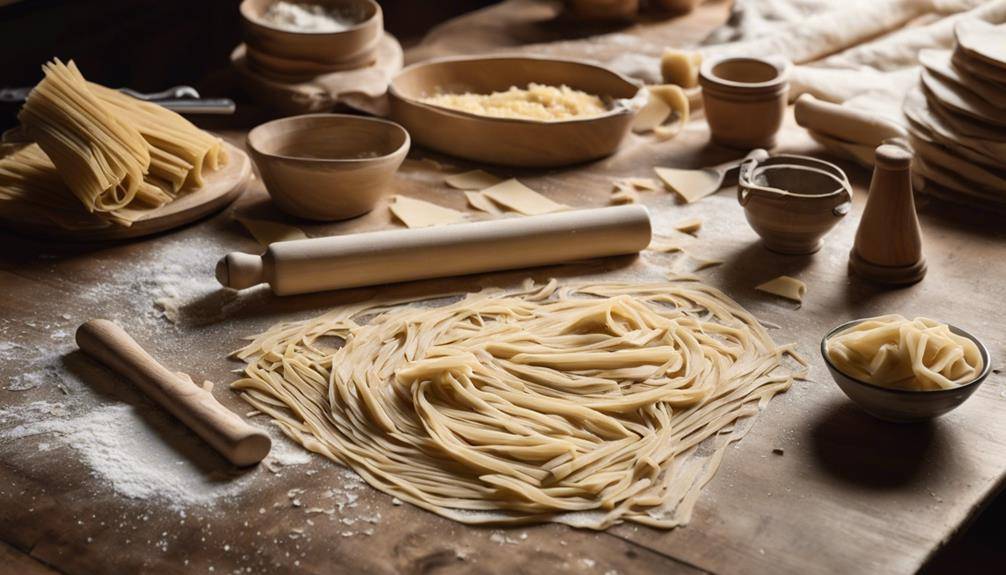
8 Best Techniques For Rolling And Cutting Homemade Pasta: To roll and cut homemade pasta like a pro, start by choosing the right flour, such as "00" or semolina, to enhance texture. Properly prepare your dough using fresh ingredients, and make sure to let it rest. Use a pasta machine for consistent thickness, and roll the dough evenly by dividing it into manageable pieces. For cutting, employ sharp tools for precision, and feel free to experiment with different shapes. Finally, remember to dry your pasta properly to maintain quality. There's so much more to explore about perfecting your pasta-making skills.
Choose the Right Flour
Click Here and Turn Every Masterpiece into a Showstopper!
When it comes to making pasta, choosing the right flour is essential for achieving that perfect texture. The gluten content in flour plays a pivotal role in determining how your pasta will turn out. Higher gluten flours tend to create a firmer texture, which is ideal for pasta that needs to hold its shape, like fettuccine or tagliatelle. On the other hand, lower gluten options might yield a more delicate pasta, perfect for dishes such as ravioli or lasagna.
There are several flour types you can consider. All-purpose flour is a versatile choice, but it may not provide the best results for every pasta type. If you want something more specific, look for semolina flour, which comes from durum wheat and has a high gluten content. This flour type is great for creating that al dente bite and is often used for traditional pasta.
Another excellent option is "00" flour, commonly used in Italy. It's finely milled and has a moderate gluten content, making it perfect for smooth, silky pasta. If you're experimenting with gluten-free options, consider using a blend of gluten-free flours, but be mindful of how the texture will change.
Ultimately, the right flour type can make a significant difference in your pasta-making journey. So, take the time to select the flour that aligns with the pasta style you're aiming for, and you'll be on your way to crafting delicious homemade pasta.
Prepare the Dough Properly
To prepare your pasta dough properly, start with quality ingredients that make a noticeable difference in taste. Make sure to measure your flour accurately, as it's essential for achieving the right texture. Finally, don't skip resting the dough; it helps develop the gluten for a better roll and cut.
Choose Quality Ingredients
Choosing quality ingredients is the foundation of perfect pasta, and it all starts with the flour. Opt for high-protein, finely milled flour, like "00" flour, which gives your pasta that silky texture and allows it to hold up well during cooking. The right flour makes a world of difference in your final dish.
Don't overlook the importance of fresh ingredients. Fresh eggs, for instance, add richness and moisture to your dough, enhancing its flavor and texture. If you can, choose organic eggs for an even better taste. Additionally, incorporating fresh herbs or spinach can elevate your pasta's flavor profile while providing a vibrant color.
When it comes to seasoning, a pinch of salt in your dough can notably improve the flavor. It's a simple step, but it's essential for that flavor enhancement you're aiming for. Always remember, the quality of your ingredients shines through in every bite. So, take the time to select the best—your homemade pasta deserves it. With these quality ingredients, you're not just making pasta; you're crafting a dish that's sure to impress.
Measure Flour Accurately
Accurate measurement of flour is vital for achieving the perfect pasta dough. When you measure flour correctly, you guarantee the right balance of moisture and structure, which directly impacts the texture of your pasta. Start by choosing the appropriate measuring techniques; using a kitchen scale is the most precise method. Weigh your flour in grams to guarantee consistency, especially when experimenting with different flour types like all-purpose, semolina, or 00 flour.
If you don't have a scale, use the spoon-and-level method. Spoon the flour into your measuring cup without packing it down, and then level it off with a straight edge. Avoid scooping directly from the bag, as this can lead to overly compacted flour and inaccuracies.
Keep in mind that different flour types absorb moisture differently. For instance, 00 flour may require slightly less liquid than all-purpose flour due to its finer texture. Adjust your liquid ingredients accordingly after measuring your flour. Remember, precision isn't just key to flavor; it's essential for the dough's ability to roll and cut smoothly.
Rest the Dough
Once you've mixed your ingredients and formed a dough, letting it rest is essential for achieving the best texture. Resting the dough allows the gluten to relax, making it easier to roll out later. This process also enhances dough hydration, which is vital for creating a tender and elastic pasta. During this resting period, the moisture evenly distributes throughout the dough, improving its overall consistency.
Ideally, you should cover the dough with plastic wrap or a damp cloth to prevent it from drying out. Let it rest at room temperature for at least 30 minutes, though longer is often better. This time allows the flour to fully absorb the moisture, leading to more cohesive dough that won't tear easily when you roll it.
The resting benefits are clear: you'll end up with pasta that's smoother and easier to work with. So, don't rush this step. Take a moment to let your dough relax, and you'll be rewarded with perfectly rolled and cut pasta that holds its shape and texture during cooking. Trust me, this small investment of time will elevate your homemade pasta game considerably!
Use a Pasta Machine
When it comes to rolling pasta, using a pasta machine can make all the difference. You'll want to choose the right machine that fits your needs, adjust the thickness settings for your desired texture, and learn proper cleaning techniques to keep it in great shape. Let's explore how each of these steps contributes to perfecting your pasta-making process.
Choosing the Right Machine
Choosing the right machine can make all the difference in your pasta-making experience, and using a pasta machine is often the best option for achieving that perfect texture. When deciding on the ideal pasta machine, you'll encounter various pasta machine types, each with its unique advantages.
You can choose between manual and electric machines. Manual pasta machines are typically more affordable and provide a hands-on experience, allowing you to control the process closely. They require a bit more elbow grease, but many find the tactile experience rewarding. On the other hand, electric pasta machines save time and effort, making the process quicker and less labor-intensive. If you plan on making pasta frequently or in larger batches, an electric machine might be the way to go.
Consider your pasta-making frequency, budget, and personal preference when choosing between manual vs electric options. Whichever type you choose, investing in a good-quality pasta machine will elevate your homemade pasta game, ensuring you get consistent thickness and texture every time. With the right machine, you'll be well on your way to creating delicious, restaurant-quality pasta in your own kitchen.
Adjusting Thickness Settings
Mastering the art of pasta-making hinges on perfecting the thickness of your dough. To achieve that, you'll need to use a pasta machine effectively. Start by adjusting the thickness settings on the machine. Most machines have numbered settings, typically ranging from 1 to 9, with 1 being the thickest and 9 the thinnest. As you roll your dough, begin with a thicker setting and gradually work your way to thinner options, adjusting pressure as necessary.
Experimenting with textures is key here. Different pasta types require different thicknesses; for example, lasagna sheets need to be thicker, while tagliatelle can be thinner. After each pass through the machine, check the dough's consistency. If it feels too thick or isn't rolling out easily, don't hesitate to adjust the pressure or thickness settings.
Proper Cleaning Techniques
After you've enjoyed your homemade pasta, it's important to clean your pasta machine properly to guarantee its longevity and performance. Start by unplugging the machine and disassembling any removable parts. Use a soft brush or cloth as your primary cleaning tool to remove any flour or dough residues from the rollers and pasta cutters. Avoid using water on the machine's main body, as it can damage the components.
For areas that need more attention, like the nooks and crannies, a toothpick can help dislodge stubborn bits of dough. Once you've removed the debris, wipe down the surfaces with a damp cloth, ensuring you don't soak any parts. After cleaning, sanitize surfaces with a food-safe sanitizer to minimize the risk of bacteria build-up.
Roll Dough Evenly
Rolling dough evenly is essential for achieving the perfect pasta texture. When you roll the dough, you want to apply even pressure to guarantee that it maintains a uniform thickness throughout. Uneven rolling can lead to pasta that cooks inconsistently, resulting in some parts being overcooked while others remain underdone.
Start by dividing your dough into manageable portions. This way, you can focus on one piece at a time, making it easier to maintain control. Lightly flour your work surface and the dough to prevent sticking. When you begin rolling, use your palms to exert even pressure on the rolling pin. Move from the center of the dough outward, rotating it as you go, to keep the shape circular.
As you roll, check the thickness frequently. If you notice any thicker areas, apply a bit more pressure on those spots. Remember, your goal is to achieve a consistent thickness across the entire sheet. If you feel the dough resisting, give it a brief rest before continuing. This rest period allows the gluten to relax, resulting in easier rolling and a more even surface.
Using a pasta machine can also help achieve uniform thickness. Start with the widest setting and gradually work your way down, guaranteeing that you maintain even pressure with each pass. By following these techniques, you'll create beautifully rolled pasta that's ready for your favorite recipes.
Achieve Desired Thickness
How do you know when your pasta has reached the perfect thickness? Achieving the right thickness is vital for the texture and flavor of your dish. Start by using effective rolling techniques. As you roll out your dough, keep an eye on its thickness. Ideally, you want it to be around 1/16 of an inch for delicate pasta like tagliatelle or even thinner for sheets meant for ravioli.
To gauge thickness, you can use a ruler or simply hold the dough up to the light. If you can see shadows through it, you're on the right track! Keep in mind that thickness variations can greatly affect cooking time and mouthfeel. Thicker pasta may require a longer boil, while thinner pasta cooks up quickly.
Don't rush the process—take your time to roll the dough evenly, applying consistent pressure throughout. If you notice uneven spots, fold the dough and roll it out again. This helps guarantee uniform thickness, which is essential for even cooking.
If you're using a pasta machine, adjust the settings gradually, moving from the widest to the desired thickness. Each pass should give you more control over the final product. Remember, practice makes perfect. Each batch you roll out will improve your skills and help you recognize that sweet spot of thickness. So, keep experimenting until you find the ideal consistency for your pasta creations!
Click Here and Turn Every Masterpiece into a Showstopper!
Cut With Precision
Once you've achieved the perfect thickness for your pasta, it's time to cut with precision. The way you cut your pasta not only affects the final look but also how it cooks and pairs with sauces. You'll want to choose the right cutting tools to guarantee clean edges and uniform shapes. A sharp knife or a pasta cutter works wonders; they'll give you the control you need for various pasta shapes.
If you're aiming for fettuccine, take your rolled dough and, using your chosen cutting tool, slice it into even strips—about half an inch wide. For tagliatelle, you'll want them slightly wider. If you prefer something more delicate like pappardelle, go for larger strips, around an inch wide. The key is consistency; even pasta shapes cook evenly.
Don't forget to dust your cut pasta with a bit of flour to prevent sticking. This simple step makes a huge difference, allowing your pasta to separate easily when you cook it. If you're feeling adventurous, you can also create filled pasta shapes like ravioli. Just remember to cut and seal carefully to avoid any filling spilling out during cooking.
No matter what pasta shapes you choose, the precision in your cutting will elevate your homemade dish. So gather your tools, focus on your technique, and you'll be well on your way to mastering the art of pasta cutting.
Shape Your Pasta
What shapes do you envision for your pasta? The beauty of homemade pasta lies in your ability to create various pasta shapes that can elevate any dish. From delicate ravioli to robust fettuccine, each shape serves a purpose and offers a unique texture. To get started, consider the dough you've prepared. Different shaping techniques work better with certain types of pasta. For instance, rolling out sheets for lasagna or cutting strips for tagliatelle requires a different approach than forming stuffed pasta shapes.
To shape your pasta, you can use simple tools like a knife or a pasta cutter. If you're aiming for filled pasta, rolling the dough into thin sheets and cutting them into squares is a great method for making ravioli. Just place a dollop of filling in the center, fold, and press to seal. For shapes like orecchiette, you can roll small pieces of dough into cylinders and then use your thumb to create the signature indentation.
Don't overlook the fun of using molds or stamps to create unique pasta shapes. These can add a creative flair to your presentation, making your dishes not just tasty but visually appealing too. Remember, practice makes perfect. Experiment with different recipes and shaping techniques until you find your favorites. The joy of homemade pasta is in the journey, so get rolling and shaping!
Dry and Store Pasta
After shaping your pasta, it's important to know how to properly dry and store it to maintain its quality. Proper drying techniques are essential to prevent your pasta from sticking together and losing its texture. You can air-dry your pasta by hanging it over a clean rack or a pasta drying stand. If you're short on space, lay the pasta flat on a floured baking sheet, ensuring the pieces don't touch. Let it dry for about 30 minutes to an hour, or until it's firm to the touch.
If you're planning to store the pasta for an extended period, consider using airtight storage containers. Once your pasta is fully dried, you can transfer it to these containers. Glass or plastic containers work well, but make sure they're dry to avoid moisture buildup. If you're short on containers, resealable plastic bags are a great alternative. Just squeeze out as much air as possible before sealing.
For fresh pasta, it's best to store it in the refrigerator for up to two days. If you want to keep it longer, you can freeze it. Simply lay the shaped pasta on a baking sheet to freeze individually, then transfer it to your chosen storage container. This way, you can enjoy your homemade pasta whenever you want! Remember, proper drying and storage are key to keeping your pasta delicious and ready for your next meal.
Click Here and Turn Every Masterpiece into a Showstopper!
Frequently Asked Questions: 8 Best Techniques For Rolling And Cutting Homemade Pasta
Can I Use Gluten-Free Flour for Homemade Pasta?
Yes, you can use gluten-free flour for homemade pasta. However, be aware that gluten-free options often change the pasta texture, making it different from traditional pasta. Experimenting with different blends can help achieve your desired consistency.
How Long Can I Store Homemade Pasta?
You can store homemade pasta for up to two days in the fridge or freeze it for several months. Make certain it's in airtight containers under ideal conditions to maintain freshness during pasta storage.
What Tools Can I Use if I Don't Have a Pasta Machine?
If you don't have a pasta machine, you can hand roll your dough using a rolling pin. For cutting, a dough cutter works well on a pasta board, ensuring you maintain even pin thickness throughout.
How Do I Fix Dough That Is Too Sticky?
If your dough's too sticky, adjust its consistency by gradually adding all-purpose or semolina flour. Knead until it feels smooth and pliable. Remember, a little flour goes a long way in achieving the right texture!
Can I Freeze Homemade Pasta for Later Use?
Yes, you can freeze homemade pasta for later use. Use proper pasta preservation methods by placing it in a single layer on a baking sheet, then transfer it to airtight containers using effective freezing techniques for best results.

Conclusion
Now that you've learned the best techniques for rolling and cutting homemade pasta, it's time to put them into practice. Remember to choose the right flour, prepare your dough properly, and roll it evenly for perfect results. Whether you're using a pasta machine or cutting by hand, precision is key. Don't forget to shape and dry your pasta before storing it. Get creative in the kitchen, and enjoy the delicious pasta you've made from scratch!