Quick Guide: Instant Pot’s Quick Release Method
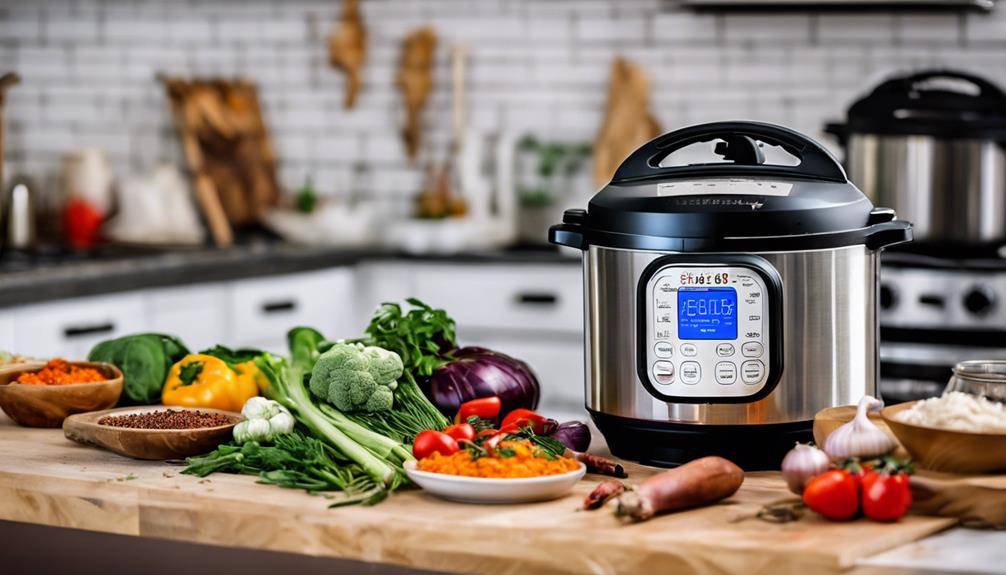
Quick Guide: Instant Pot’s Quick Release Method: Using the Quick Release method on your Instant Pot can quickly release steam and pressure, making meal prep faster and more efficient. To use it, turn the steam release handle to the "Venting" position while keeping your face and hands clear of the steam vent. This method works best for delicate foods like vegetables and seafood, helping to maintain their texture. Always verify the steam release valve is clean and stand back to avoid burns. Need more tips on perfecting your cooking techniques and avoiding common mistakes? There's a lot more to explore!
What Is Quick Release?
Click Here and Turn Every Masterpiece into a Showstopper!
Quick release is a method you'll often use when cooking with an Instant Pot. This technique allows you to quickly release the built-up steam and pressure inside the pot after your cooking cycle is complete. Unlike natural release, which can take longer, quick release mechanisms help you get to your food faster, especially when you're in a hurry.
When you apply quick release, you're actively engaging with the pressure cooking techniques that the Instant Pot offers. As soon as your cooking time ends, you'll carefully turn the steam release handle or press the steam release button, depending on your model. This action opens the valve, allowing steam to escape rapidly. It's essential to keep your face and hands away from the steam vent, as the hot steam can be quite intense.
Using quick release is particularly useful for dishes like vegetables or seafood, where you want to maintain tenderness and prevent overcooking. However, it's significant to recognize that quick release isn't suitable for all recipes. Foods that expand or froth, like grains or beans, may benefit from a natural release to avoid clogging the valve.
How to Use Quick Release
After your cooking time is up, using the quick release method is straightforward and efficient. First, make sure you're aware of the type of dish you've cooked in your Instant Pot. Foods that expand or foam, like beans or grains, might require some extra caution. But for most dishes, you can proceed without worry.
To start, grab a kitchen towel or an oven mitt. This helps protect your hands from any steam that might escape when you release the pressure. Locate the steam release handle on the lid of your Instant Pot. It's usually labeled "Venting." Turn it to the "Venting" position. You'll hear a hissing sound as steam escapes. This is normal and indicates that the pressure is being released.
Keep your face and body away from the steam vent. The steam can be extremely hot, and you want to avoid any burns. Allow the steam to release completely; the float valve will drop down once all pressure is gone. This means it's safe to open the lid.
Once the float valve has dropped, you can carefully remove the lid. If you're cooking a recipe that requires immediate attention after pressure cooking, like sautéing or adding ingredients, quick release helps you shift seamlessly. Enjoy the benefits of pressure cooking without the wait, and plunge into your delicious meal!
Safety Tips for Quick Release
Guaranteeing safety during the quick release process is essential for a successful cooking experience. When you're ready to release the pressure, keep a few important safety tips in mind to avoid steam burns and manage pressure fluctuations effectively.
First, always stand back from the steam release valve. When you initiate the quick release, hot steam will escape rapidly, and it can cause severe burns if it comes into contact with your skin or face. Aim to keep your body at a safe distance, and consider using a long utensil or a kitchen towel to help with the release.
Next, make sure to monitor the pressure gauge. If you notice any unusual pressure fluctuations, it's wise to stop the release momentarily. This will help prevent sudden bursts of steam that could lead to accidents. If the pressure seems too high or erratic, give your Instant Pot a moment to stabilize before continuing.
Additionally, verify the steam release valve is clean and unobstructed. A clogged valve can cause pressure to build up, increasing the risk of steam burns and other hazards. Regularly check and clean the valve to maintain safe operation.
Lastly, always wear protective gear, like oven mitts, when handling the Instant Pot after a quick release. This added layer of safety can protect you from unexpected steam bursts. By following these safety tips, you can enjoy using your Instant Pot without fear of injury.
When to Use Quick Release
When using Quick Release, you'll want to contemplate cooking time adjustments and how they affect your dish. Some recipes specifically call for this method to achieve the best texture or flavor, so pay attention to those details. Plus, always keep safety in mind to avoid any accidents while releasing steam.
Cooking Time Adjustments
Knowing when to use the quick release method can greatly impact your cooking results. Quick release is fundamental for certain dishes to maintain the desired texture and flavor. For example, if you're cooking vegetables or seafood, applying quick release as soon as the cooking time is up prevents overcooking. You'll notice that these ingredients can turn mushy if left under pressure for too long.
When pressure cooking grains or legumes, the timing can also be significant. A quick steam release helps you avoid a sticky mess, allowing the grains to remain fluffy and well-cooked. On the other hand, if you're making tougher cuts of meat, a natural release might be better, as it lets the meat become tender without losing moisture.
In general, whenever you want to stop the cooking process immediately, quick release is your go-to method. The steam release helps you regain control, especially with recipes that require precision. Always keep an eye on the clock and the texture of your food to determine the best time for quick release. It's all about achieving the perfect balance for delicious results!
Recipe-Specific Recommendations
Certain recipes call for specific release methods to achieve the best results, and quick release can be a game changer. When you're making dishes that include vegetables, seafood, or delicate proteins, using quick release helps prevent overcooking. For example, when cooking asparagus or shrimp, you want to maintain their texture and vibrant color. By using quick release, you lock in those qualities.
On the flip side, if you're making heartier dishes like stews or beans, you might opt for natural release instead. However, quick release can be useful for modifying recipes, especially if you need to adjust the cooking time due to ingredient variations. If you're experimenting with different grains or legumes, quick release can help you fine-tune the results.
Remember to always check your specific recipe for guidance, as these pressure cooking tips can help you optimize your results. You might find that certain recipes benefit from a quick release to enhance flavors or textures, while others may require a slower approach. By becoming familiar with when to use quick release, you'll guarantee your meals turn out just right, every time.
Safety Considerations
Using the quick release method can enhance safety in your cooking process, especially when handling foods that might foam or expand during pressure cooking. When you're working with items like beans, grains, or starchy vegetables, pressure build up can occur, causing ingredients to clog the steam valve. This can lead to excessive pressure and potential hazards.
Quick release allows you to manage steam control effectively, preventing dangerous situations. By releasing steam immediately, you reduce the risk of overcooked or splattered food, which can create a mess and pose a safety threat. It's particularly important to use this method when cooking dishes that could bubble up and block the steam release valve.
However, you should avoid quick release for recipes that benefit from natural pressure release, such as large cuts of meat or stews, as they require time to tenderize. Always consult your recipe to determine the best method. Remember, ensuring safety in the kitchen is paramount, so make the quick release method a go-to for those tricky, foam-prone dishes. Your Instant Pot will be a safer and more enjoyable cooking companion!
Click Here and Turn Every Masterpiece into a Showstopper!
Benefits of Quick Release
Using the quick release method can save you valuable time in the kitchen, letting you enjoy your meals sooner. It also opens up a world of recipe versatility, allowing you to experiment with different dishes. Plus, you'll often achieve enhanced texture in your food, making every bite more enjoyable.
Time Efficiency
When you need to save time in the kitchen, the quick release method on your Instant Pot can be a game changer. Unlike traditional pressure cooking methods that require a natural release, quick release allows you to instantly release steam, speeding up the cooking process considerably. This means you can get your meals on the table faster, perfect for those busy weeknights.
By using quick release, you can streamline your meal prep. Whether you're trying to whip up a week's worth of lunches or a family dinner, you won't have to wait around for the pressure to drop naturally. Instead, you can quickly move onto the next step of your recipe or serve your food right away.
Additionally, quick release helps maintain the texture and flavor of certain ingredients, like vegetables, that might overcook with a natural release. When you're juggling multiple tasks in the kitchen, this method guarantees that your meals come out just right without the extra wait. Embracing the quick release method can transform your cooking routine, allowing you to enjoy delicious, home-cooked meals with less hassle.
Recipe Versatility
Quick release not only saves time but also opens up a world of recipe versatility. When you opt for quick release, you can easily adapt recipes to suit your taste or dietary needs. For instance, if you're cooking a dish that calls for a longer cooking time, you can use quick release to cut down on pressure cooking, allowing you to adjust the seasoning or ingredients based on your preferences.
This method enhances flavor by preventing overcooking, which can dull the vibrant tastes of your ingredients. You can experiment with different spices or herbs without worrying about losing their essence. Plus, quick release allows you to incorporate delicate ingredients, like fresh vegetables or seafood, right at the end of the cooking process. This way, you guarantee they remain tender and flavorful instead of becoming mushy.
With quick release, you can also easily switch up your cooking methods; for example, you can transform a soup into a stew simply by reducing the cooking time and adding ingredients at the last moment. Embrace the flexibility that quick release offers, and let your culinary creativity shine!
Enhanced Texture
While many people focus on the time-saving aspect of quick release, its ability to enhance texture is equally impressive. When you use the quick release method with your Instant Pot, you're not just speeding up the cooking process; you're also preserving the food's quality. This method prevents overcooking, which can often lead to mushy vegetables or rubbery meats.
By releasing the pressure immediately, you're stopping the cooking process just in time, ensuring that ingredients maintain their intended texture. For instance, if you're pressure cooking delicate items like fish or leafy greens, quick release helps retain their firmness and prevents them from breaking apart.
Moreover, this technique is beneficial for grains and legumes. Instead of becoming overly soft and losing their bite, they turn out perfectly tender while still holding their shape. You'll notice a remarkable difference in the overall food quality when you adopt quick release. So, the next time you're using your Instant Pot, remember that quick release isn't just about convenience; it's a game-changer for achieving the textures you love in your meals. Enjoy the enhanced results!
Common Mistakes to Avoid
Although using the Instant Pot's quick release method can save time, there are several common mistakes you should avoid to guarantee your cooking process goes smoothly. First, make sure you're aware of the type of recipe you're using. Some foods, like grains and beans, can lead to overcooking issues when released too quickly. Instead, consider a natural release for these items to confirm they cook evenly and don't turn mushy.
Another mistake is not allowing the pot to fully depressurize before opening the lid. If you rush this process, you could face pressure fluctuations that may affect your food's texture and flavor. Always wait until the float valve drops to confirm all steam has escaped safely.
You should also be cautious about what you're cooking. Avoid filling the pot too full, as this can hinder the quick release and create a mess. If you're making a recipe that generates a lot of foam or liquid, it might be wise to use a natural release instead.
Lastly, never place your hand directly over the steam vent when using quick release. This can lead to burns or injury. Instead, use a long utensil or a kitchen towel to direct the steam away from your body. By steering clear of these common mistakes, you'll enhance your Instant Pot experience and confirm your meals turn out perfectly every time.
Click Here and Turn Every Masterpiece into a Showstopper!
Frequently Asked Questions: Quick Guide: Instant Pot’s Quick Release Method
Can I Use Quick Release for All Instant Pot Recipes?
You can't use quick release for all recipes. Some require natural release for safety. Always check your recipe's instructions and make necessary adjustments to avoid overcooking or uneven textures. Prioritize those safety tips!
What Happens if I Forget to Use Quick Release?
If you forget to use quick release, you'll face safety concerns due to pressure buildup. The steam can cause the lid to become difficult to open, potentially leading to spills or even accidents. Always stay cautious!
How Do I Know When Quick Release Is Complete?
You'll know quick release is complete when the pressure indicator drops and steam stops escaping. Always make sure the steam's fully dissipated before opening; it's essential for safety to avoid burns. Stay cautious!
Is Quick Release the Same as Natural Release?
Quick release isn't the same as natural release. While quick release offers benefits like saving time, it requires precautions to avoid splattering. Understanding both methods helps you choose the best one for your cooking.
Can Quick Release Cause Food Splatters or Mess?
Yes, quick release can cause food splatters or mess. To minimize this, you should follow safety precautions. Also, keep in mind that it may affect food texture, so choose your method wisely.

Conclusion
In conclusion, mastering the quick release method can enhance your Instant Pot experience. By understanding when and how to use it, along with safety tips, you'll make meal prep faster and easier. Remember to avoid common mistakes to guarantee ideal results. Embracing quick release not only saves you time but also helps you enjoy perfectly cooked meals. So, go ahead, give it a try, and enjoy the delicious dishes you can whip up in no time!