Why Do Croissants Turn Out Crispy And Buttery
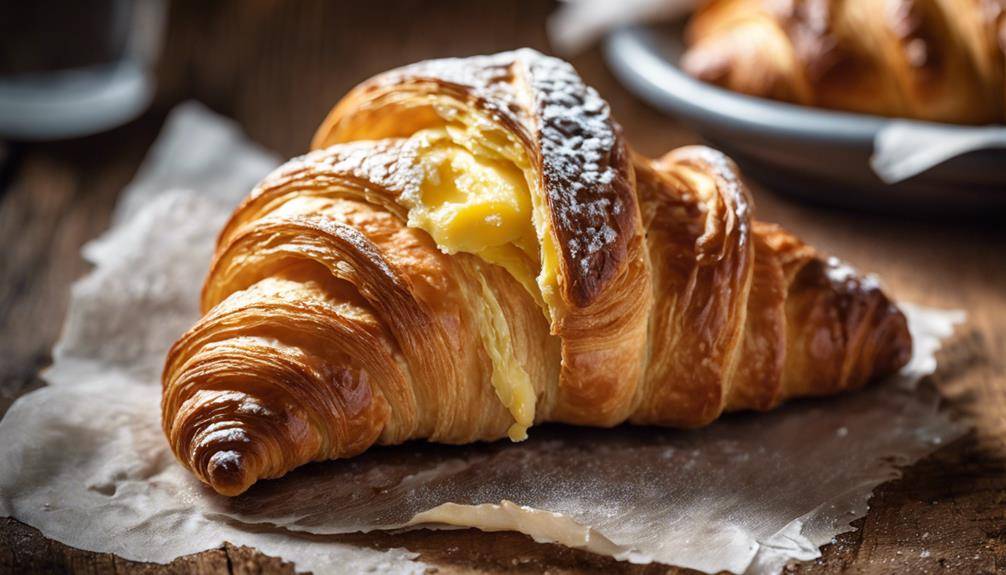
Why Do Croissants Turn Out Crispy And Buttery: Croissants turn out crispy and buttery mainly due to the lamination process, where layers of butter and dough are created through folding and rolling. This technique traps steam, leading to a flaky texture. Using high-quality ingredients is also essential; rich, high-fat butter enhances flavor while the right flour keeps the dough tender. Proper temperature control in the oven guarantees even baking, and maintaining ideal hydration levels in the dough helps achieve that perfect balance. Understanding these elements makes a huge difference, and there’s more to uncover about crafting the ultimate croissant experience.
The Art of Laminating Dough
Click Here and Turn Every Masterpiece into a Showstopper!
Laminating dough is the secret behind that flaky, crispy texture you love in croissants. This technique involves layering butter and dough through a process of folding and rolling, creating those irresistible, airy pockets. To master the art of lamination, you’ll need to understand a few essential lamination techniques that elevate your baking game.
Start by preparing your dough. After it rests, you’ll place a cold block of butter in the center. This is the heart of croissant-making, so make certain it’s pliable yet firm. Next comes the vital step of dough folding. You want to encase the butter completely, forming a neat rectangle. Roll it out gently, keeping the edges straight, then fold it into thirds, like a letter. This is your first turn, and it’s essential for creating layers.
Repeat this rolling and folding process several times, typically three to four turns, allowing the dough to chill between each. This resting time is important; it helps maintain the butter’s temperature and guarantees the dough stays elastic. The more turns you complete, the more layers you’ll create, leading to a lighter, flakier croissant.
Importance of High-Quality Ingredients
When you’re making croissants, the quality of your ingredients can make or break the final product. Using high-quality butter, selecting the right type of flour, and ensuring everything is fresh are essential steps in achieving that perfect flaky texture and rich flavor. Let’s explore how each of these elements contributes to the croissant’s signature crispiness and buttery goodness.
Butter Quality Matters
Although you might be tempted to grab any butter off the shelf, the quality of butter you choose plays an essential role in achieving that perfect flaky croissant. High-quality butter, sourced from reputable butter brands, guarantees an incredible butter flavor and texture that elevates your baking. Look for butter with a higher fat content; this helps with butter melting and creates a richer taste.
Consider the butter origins, as European butters often have a creamier texture and more intense flavor. Proper butter storage is vital, too; keep it cold until you’re ready to use it, maintaining the right butter temperature to guarantee effective butter layering. This technique makes all the difference in creating those signature flaky layers.
While butter alternatives exist, they often lack the richness and complexity of true butter. If you’re serious about croissants, stick to high-quality butter. As you layer that butter into your dough, each fold counts. The right butter will not only enhance the taste but will also contribute to the delightful texture of your final product. So, invest in quality butter for the best results!
Flour Type Selection
Choosing the right flour is just as important as selecting high-quality butter when it comes to crafting the perfect croissant. The flour you choose directly impacts the croissant’s texture and flavor. For this buttery pastry, you’ll want to take into account using pastry flour over bread flour. While bread flour has higher gluten strength and protein content, which can lead to a tougher texture, pastry flour offers a softer, more delicate crumb that’s ideal for flaky layers.
Flour protein plays a vital role in determining how your croissants rise and hold their shape. A lower protein content in pastry flour results in less gluten formation, which means your croissants will be tender and melt-in-your-mouth delicious. Additionally, think about the flour’s absorbency; a flour that absorbs moisture well will help create that perfect balance of crispiness and softness.
Lastly, don’t underestimate flour freshness. Fresh flour retains better flavor and baking properties, enhancing your croissants’ overall quality. When you prioritize high-quality flour, you set the foundation for those crispy, buttery layers you crave, making every bite a true delight.
Freshness of Ingredients
Fresh ingredients make all the difference in achieving the perfect croissant. When you focus on ingredient sourcing, you’ll notice how the freshness impact elevates your baked goods. Opting for seasonal produce not only enhances flavor but also guarantees that your ingredients are at their peak. Organic options can further boost quality, as they often lack preservatives and chemicals that can alter taste.
Consider how you store your ingredients; proper storage methods can make or break your croissant’s texture and taste. For instance, keeping butter cold and flour in a cool, dry place preserves their freshness, which is vital for that flaky, buttery result you crave.
While you might think about ingredient substitutions during a bake, sticking to high-quality options will yield better results. Substituting with lower-quality ingredients can lead to a less satisfying croissant, affecting both the taste and the texture.
In the end, using fresh, high-quality ingredients is essential. It’s not just about what you put in; it’s about how fresh those ingredients are, guaranteeing every bite of your croissant is crispy, buttery, and utterly delicious.
Role of Butter Fat Content
The butter fat content in croissant dough plays an essential role in achieving that signature flaky and tender texture. When you use the right amount of butter, it melts during baking, creating pockets of steam that contribute to the croissant’s delightful layers. This process hinges on effective fat distribution throughout the dough, which is significant for even texture enhancement. As the butter melts, it helps release flavors and aromas that elevate the overall experience of your croissant.
Proper ingredient ratios are important, too. The balance between flour and butter influences moisture retention, ensuring your croissants don’t dry out. A higher fat content can lead to a richer flavor profile, while also aiding in crust formation during baking. The layering technique you employ is equally important; by folding and rolling out the dough repeatedly, you create the distinct layers that trap air and moisture, resulting in that coveted lightness.
The baking temperature also impacts how the butter interacts with the dough. At the right temperature, the butter melts efficiently, allowing the steam to escape and contribute to the light, airy structure. This careful interplay between butter fat content and baking techniques is what gives croissants their crispy exterior and buttery goodness. So, when you’re making croissants, remember that the fat content isn’t just an ingredient; it’s the heart of that delicious pastry.
Temperature Control During Baking
How essential is temperature control during baking when it comes to crafting the perfect croissant? It’s vital. The right temperature not only affects the texture and flakiness of your croissants but also guarantees they rise beautifully. Start by implementing proper oven preheating techniques. Preheating your oven to the recommended temperature before placing your croissants inside allows the dough to react correctly, promoting that signature puff you’re aiming for.
Once your oven is preheated, you’ll want to maintain a consistent baking temperature throughout the process. If your oven runs hot, your croissants may brown too quickly on the outside while remaining undercooked on the inside. That’s where baking temperature adjustments come into play. Keeping an eye on your croissants as they bake is key; if they start to darken too fast, reduce the temperature slightly to guarantee even cooking.
Another critical aspect is the placement of your croissants in the oven. Positioning them too close to the heating element can lead to uneven baking. It’s best to place them in the center of the oven for uniform heat distribution.
Hydration Levels in Dough
Achieving the perfect croissant involves more than just temperature control; hydration levels in the dough play a significant role too. When you’re making croissant dough, you’ll want to focus on the right dough hydration to create that desirable flaky texture. The key is finding the right balance of moisture in your ingredients. Too little moisture can result in a dry, dense croissant, while too much can lead to a soggy, limp pastry.
To maintain an ideal moisture balance, start with the right proportions of flour and water. Most croissant recipes suggest a hydration level of about 60-65%. This means for every 100 grams of flour, you’ll use 60-65 grams of water. However, you might need to adjust this depending on the humidity in your kitchen and the type of flour you’re using.
As you mix the dough, pay attention to its consistency. It should be slightly tacky but not overly sticky. This level of dough hydration is essential because it helps develop gluten, which provides structure while allowing the layers of butter to remain distinct. When you roll and fold the dough, the moisture helps create those beautiful, flaky layers you admire in a croissant.
The Impact of Yeast
Yeast plays an essential role in creating that perfect croissant texture and flavor you love. As it ferments, it produces gases that help the dough rise, making it light and airy. This fermentation process also enhances the croissant’s flavor, adding depth that you can’t resist.
Yeast Fermentation Process
The magic behind a croissant’s flaky texture and rich flavor largely hinges on the yeast fermentation process. When you activate the yeast, you’re kickstarting a series of chemical reactions that transform simple ingredients into something extraordinary. The yeast feeds on sugars in the dough, producing carbon dioxide and alcohol, which creates air pockets and contributes to that characteristic rise.
Fermentation duration plays a significant role here. If you allow your dough to ferment for the ideal time, usually around 1 to 2 hours for the first rise, you’ll develop a light and airy structure. If you’re in a hurry, cutting this time short can lead to denser croissants that lack that signature flakiness. On the flip side, over-fermenting can lead to a sour taste and weakened dough structure.
As you knead and stretch the dough, the yeast continues to work its magic. You’ll notice that the longer the fermentation, the more complex the texture becomes. By understanding the importance of yeast activation and fermentation duration, you can consistently create croissants that are crispy on the outside and buttery on the inside, delighting your taste buds.
Flavor Development Mechanism
While you might think of yeast primarily as a leavening agent, its role goes far beyond that; it greatly influences the flavor development of croissants. During fermentation, yeast consumes sugars and produces carbon dioxide and alcohol, but it also generates a variety of flavor compounds that enhance the croissant’s taste. These compounds, including esters and phenols, contribute to the complex flavor profile you notice when biting into a freshly baked croissant.
As the dough ferments, it develops rich, nutty, and subtly fruity notes, which play a significant role in your sensory perception of the pastry. The longer the fermentation, the more pronounced these flavors become, allowing for a deeper, more nuanced taste experience. Additionally, the interaction between these flavor compounds and the buttery layers creates a delightful contrast that heightens the overall enjoyment.
In short, yeast isn’t just about making your croissant rise; it’s an essential player in crafting the delicious flavors that make croissants irresistible. By understanding this impact, you can appreciate the intricate balance of flavors in each flaky bite.
Resting Time for Dough
Resting time for dough is essential in achieving that perfect croissant texture. When you allow your dough to rest, you’re not just giving it a break; you’re enhancing its hydration and overall structure. During this time, the gluten relaxes, making the dough more pliable and easier to work with later on. This hydration process is vital because it contributes to the layers you’ll create in your croissant.
The resting benefits extend beyond just making the dough manageable. A well-rested dough develops a better flavor and texture. As the dough hydrates, the starches absorb moisture, which leads to a more even bake. It also allows the yeast to work its magic, creating those delightful air pockets that give croissants their lightness. If you skip this resting step, you risk ending up with dense, chewy layers instead of the flaky, buttery perfection you desire.
Make sure to cover your dough while it rests to prevent it from drying out. Whether you choose to rest it in the fridge for a longer period or at room temperature for a short while, both methods have their merits. The key is to be patient and give your dough the time it needs to reach its full potential. So, when you’re in the kitchen, remember that a little downtime for your dough can make all the difference in those gorgeous, crispy croissants you’re aiming for.
Shaping Techniques for Croissants
When it comes to shaping croissants, the right techniques can make all the difference in texture and flavor. You’ll want to master dough folding methods and rolling techniques to achieve that flaky, buttery outcome. Let’s break down how each step contributes to the perfect croissant shape.
Dough Folding Methods
Mastering dough folding methods is vital for achieving the perfect croissant. The way you fold your dough directly impacts its texture and flavor. Start with a well-prepared dough that has good dough elasticity. This elasticity allows the layers to stretch without tearing, which is fundamental for creating those flaky layers.
One effective folding technique is the envelope fold, where you fold the dough into thirds, like a letter. This method helps to create layers while incorporating air, which contributes to that light, crispy texture you love. Another popular method is the book fold, where you fold the dough in half and then in thirds. This technique also enhances dough elasticity and guarantees even distribution of butter, creating a rich, buttery flavor.
Remember to rest your dough between folds. This resting period allows the gluten to relax, making it easier to shape and preventing shrinkage. By mastering these dough folding methods, you set the foundation for a beautifully layered croissant that’s both crispy and buttery. So, take your time, and practice these folding techniques to elevate your croissant-making skills!
Rolling Techniques Explained
After perfecting your dough folding techniques, rolling the dough properly is the next step in shaping your croissants. This process is essential for achieving that flaky, buttery texture you love. Start by placing your chilled dough on a lightly floured surface, ensuring that you don’t incorporate too much flour, as it can affect the dough’s elasticity.
When you begin to roll, use a gentle, even pressure to maintain consistent dough thickness. Ideally, you want your dough to be about 1/4 inch thick. If you notice the dough springing back, let it rest for a few minutes before continuing. This helps relax the gluten, making it easier to shape.
As you roll, focus on keeping the edges straight and even, which will help create uniform triangles for cutting later. Use a ruler if necessary to measure the dough thickness accurately. Remember, the key rolling techniques involve not just the pressure you apply but also the direction you roll in—always roll from the center outwards. Mastering these techniques will set you up for success in creating croissants that are perfectly crisp and buttery!
Click Here and Turn Every Masterpiece into a Showstopper!
Oven Types and Their Effects
The type of oven you use can considerably influence the texture and flavor of your croissants. Convection ovens, for instance, circulate hot air, promoting even heat distribution. This can lead to a perfectly golden-brown crust, but you might need to adjust your baking times. If you’re using an electric oven, make sure you’ve calibrated the temperature accurately; electric ovens often take longer to preheat compared to gas ovens, which provide instant heat.
Gas ovens can create a more humid environment due to the combustion process, enhancing the croissant’s flaky layers. This is particularly beneficial if you’re not using a steam oven, which excels in humidity control, giving your croissants that bakery-fresh quality. If you want a crispy exterior, consider placing a baking stone in your oven; it retains heat effectively, helping to create a better crust.
Oven placement also plays an important role. If your oven has hot spots, rotating your croissants halfway through baking can make sure they cook evenly. Keep an eye on baking times; they can vary widely depending on your oven type. For example, steam ovens may require less time due to their moisture content, while a convection oven might need a shorter baking period than a traditional electric oven.
Ultimately, experimenting with different oven types and settings can help you find the perfect method for achieving those crispy, buttery croissants you crave.
The Science of Steam in Baking
Understanding the role of steam can elevate your croissant baking experience. When you bake, steam pressure plays an essential role in creating that perfect flaky texture. As the croissant dough heats up, moisture inside it transforms into steam, which builds up in steam pockets. This process is vital for achieving the layers that make croissants so delightful.
Managing steam release is key. If the steam escapes too quickly, you might end up with a dense product rather than the airy, flaky result you desire. To optimize steam effects, consider using oven steam. This additional moisture in the oven helps to maintain a higher steam temperature, allowing your croissants to rise beautifully and develop a crispy exterior.
Moisture retention is another important factor. The steam generated during baking keeps the dough hydrated, preventing it from drying out. This balance between moisture and heat creates the ideal baking dynamics, resulting in a well-cooked inside and a golden, crispy outside.
If you can master these steam-related elements, you’ll notice significant improvements in your croissant baking. Experiment with different steam methods, like placing a pan of water in the oven or using a steam-injected oven. Each approach can enhance the steam temperature and contribute to a better final product. Keep an eye on your croissants as they bake; the interplay of steam and heat is what transforms simple dough into the luxurious treat you crave.
Using Egg Wash for Finish
A golden egg wash can make all the difference in your croissant’s appearance and texture. This finishing touch enhances the croissant’s visual appeal and contributes to that delightful crispy crust you love. When you apply an egg wash, you’re sealing in moisture while creating a glossy, golden-brown exterior that’s simply irresistible.
To achieve the perfect finish, start with the right egg wash techniques. You can use a whole egg for a rich color and shine, or opt for just the yolk mixed with a bit of water or milk for an even deeper hue. Whisk it together until it’s smooth, then gently brush it over the croissant before baking. Make certain you cover all the exposed dough, as this will guarantee an even finish.
Timing is vital, too. Apply the egg wash right before your croissants go into the oven to lock in freshness and moisture. If you wait too long, the wash may dry out, which can affect the final look. Additionally, consider giving your croissants a second coat of egg wash halfway through baking for an extra glossy finish.
Incorporating these egg wash techniques into your baking routine can elevate your croissants to the next level. Not only will they look stunning, but they’ll also have that signature buttery flavor and texture that makes everyone reach for seconds. So next time you bake, don’t skip this vital step!
Understanding Dough Fermentation
Dough fermentation is an essential step that transforms basic ingredients into the flaky, airy layers of a perfect croissant. To achieve this, you need to focus on dough balance, ensuring the right proportions of flour, water, yeast, and salt. When you mix these ingredients, yeast activation begins, kicking off the fermentation process. The fermentation temperature plays a significant role here; too hot, and you risk over-fermentation, while too cold can slow down yeast activity.
During fermentation, gluten development is important. As the dough rests, gluten proteins unwind and form a network, giving your croissant its signature elasticity. This elasticity allows the dough to stretch and hold the layers of butter that create that delightful flakiness. The fermentation duration also impacts the final product; longer fermentation can lead to a more complex flavor profile, enhancing the taste of your croissants.
Consider the sourdough influence in your dough. Incorporating a bit of sourdough starter can introduce natural yeasts and bacteria, contributing to flavor complexity and depth. This can elevate your croissants beyond the ordinary, adding a unique tang that complements the buttery layers.
As you monitor these elements, remember that each factor works in harmony to create a beautifully risen, flavorful croissant. Mastering dough fermentation will ultimately lead you to your best batch yet, where crispy meets buttery, all thanks to the science of fermentation.
Differences Between Croissant Types
When you think of croissants, you might picture the classic buttery version, but there’s so much more to explore. Chocolate and almond variations each bring their own unique twist to this beloved pastry. Let’s break down the key differences between these types to help you appreciate their distinct flavors and textures.
Classic Butter Croissants
How do classic butter croissants differ from their flaky counterparts? The heart of the classic butter croissant lies in its rich, buttery flavor and tender texture, which comes from a simple yet refined recipe. Unlike some variations that may incorporate additional ingredients or flavors, the classic version sticks to the fundamentals: flour, water, yeast, and, of course, plenty of high-quality butter.
In croissant history, the classic butter croissant emerged from traditional French baking customs, where the focus has always been on quality over quantity. This baking tradition emphasizes the importance of lamination—folding butter into the dough multiple times to create layers. As you bite into a classic butter croissant, you’ll notice the delicate balance between a crispy exterior and a soft, airy interior, a reflection of this meticulous process.
Flaky croissants, on the other hand, often trade some of that buttery intensity for a lighter texture. While they’re delightful in their own right, they lack the richness that defines classic butter croissants. So, if you’re seeking that authentic experience, stick with the classic—you won’t regret it!
Chocolate Croissants Variations
While classic butter croissants offer a rich, buttery experience, chocolate croissants introduce a delightful twist that appeals to chocolate lovers. You’ll find these treats filled with smooth chocolate filling, which can range from creamy milk chocolate to intense dark chocolate, satisfying your sweet tooth.
But the fun doesn’t stop there. Chocolate croissants come in various pastry variations that elevate your breakfast or snack. You might encounter nutty additions like almonds or hazelnuts for extra crunch and flavor. Some bakers even sprinkle sweet toppings, such as powdered sugar or drizzles of chocolate, to enhance the visual appeal and taste.
If you’re feeling adventurous, consider trying chocolate croissants with fruit fillings, like raspberry or orange zest, for a revitalizing contrast. Spice infusions, such as cinnamon or cardamom, can also add an unexpected warmth to the familiar chocolate taste. For those looking for gourmet twists, you might find croissants filled with rich chocolate ganache or paired with caramel and sea salt.
With so many variations, chocolate croissants provide a wonderful way to indulge your cravings and explore new flavors.
Almond Croissants Differences
Exploring the differences between croissant types reveals the unique charm of almond croissants, which stand out for their nutty flavor and delightful texture. You’ll notice that almond croissants typically feature a rich almond filling, setting them apart from their traditional counterparts. This filling often consists of a smooth almond paste, lending a moistness that contrasts beautifully with the flaky layers of the croissant.
The almond texture adds a delightful crunch, especially when coupled with almond toppings like sliced almonds or a light dusting of powdered sugar. These toppings not only enhance the visual appeal but also elevate the overall almond flavor, making each bite a true indulgence.
Almond croissants also have an interesting almond history, originating in France, where bakers experimented with various fillings to create unique pastries. The almond variety you choose can affect the taste, with some versions incorporating marzipan or even sweet cream alongside the almond filling.
Ultimately, whether you prefer a classic buttery croissant or one stuffed with almond goodness, the distinct characteristics of almond croissants make them a delicious choice for any pastry lover.
Importance of Flour Type
Choosing the right type of flour is essential for achieving that perfect croissant texture. The flour protein content plays a significant role in gluten development, which directly influences the croissant’s final structure. You’ll want a flour with a moderate protein level, typically around 11-12%, to guarantee a good balance of elasticity and tenderness. This balance helps create those lovely layers you’re after.
Flour aging also impacts texture and flavor. Aged flour has a lower moisture content, which can lead to a better rise and a crispier crust. Remember, proper flour storage is imperative; keep your flour in a cool, dry place to maintain its quality.
When it comes to flour blends, experimenting can yield delightful results. You might think about mixing all-purpose flour with a bit of bread flour to enhance gluten strength without compromising tenderness. This blend can elevate your croissant game remarkably.
Flour color is another factor to think about. A slightly off-white or creamy flour often indicates a higher protein content, which can be beneficial. Pay attention to flour sourcing too; using high-quality, organic flour can enhance both flavor and performance.
Ultimately, the type of flour you choose affects everything from the layers to the overall texture of your croissants. So, take the time to select the right flour and enjoy the delicious results of your efforts.
Tips for Perfecting Croissants
To achieve perfect croissants, start by verifying your ingredients are at the right temperature. The butter should be cold but pliable, while your water and milk should be slightly warm. This balance is vital for creating that flaky texture you’re after. Next, pay attention to the dough’s resting periods. Don’t rush this step; allowing the dough to rest properly helps develop the gluten, guaranteeing a lighter croissant.
Incorporate the right folding technique as well. When you roll out your dough, aim for even thickness. Each fold traps layers of butter and dough, which is essential for that crispy, buttery finish. Remember, the croissant history is rooted in meticulous layering, so treat each fold with care.
You should also use quality ingredients. High-fat butter will give you better results than a standard one. Invest in good flour, too; it’s worth it for the texture and flavor.
Lastly, keep an eye on your oven temperature. Baking at a higher temperature initially helps the layers puff up beautifully. Then, reduce the heat to guarantee the croissants cook through without burning.
As you embrace these tips, you’ll not only improve your technique but also deepen your appreciation for the pastry culture that celebrates croissants. With practice, you’ll master the art of making croissants that are not just crispy and buttery but also a delightful homage to their rich history.
Click Here and Turn Every Masterpiece into a Showstopper!
Frequently Asked Questions: Why Do Croissants Turn Out Crispy And Buttery
Can Croissants Be Made Without Butter?
Yes, you can make croissants without butter! Try using croissant alternatives like margarine or coconut oil for vegan options. They can still create a flaky texture, though the flavor may differ slightly from traditional butter croissants.
How Long Do Homemade Croissants Last?
Homemade croissants typically last about two days at room temperature. To maintain freshness, store them in an airtight container or freeze for up to three months. Always check for signs of spoilage before enjoying!
What Is the Best Way to Store Croissants?
To guarantee peak freshness, store croissants in an airtight container at room temperature for up to two days. If you need longer storage, freeze them wrapped tightly to maintain their delicious texture and flavor.
Can I Freeze Croissants After Baking?
Yes, you can freeze croissants after baking. Just wrap them tightly to prevent freezer burn. Proper croissant freezing helps maintain their texture, ensuring your baking techniques yield delicious results when you’re ready to enjoy them again.
Are There Gluten-Free Options for Croissants?
Yes, there are gluten-free options for croissants using gluten-free flour. However, expect some texture differences; they may not have the same flakiness or buttery quality as traditional croissants, but they can still be delicious!

Conclusion
In summary, achieving that perfect crispy and buttery croissant comes down to mastering the art of laminating dough, using high-quality ingredients, and paying attention to details like butter fat content and hydration levels. Control the temperature during baking and understand fermentation to elevate your results. Remember, the type of flour you choose also plays an essential role. With these tips in mind, you’re well on your way to perfecting your croissant-making skills. Happy baking!