What Are Great Vegetarian Cooking Tips And Techniques
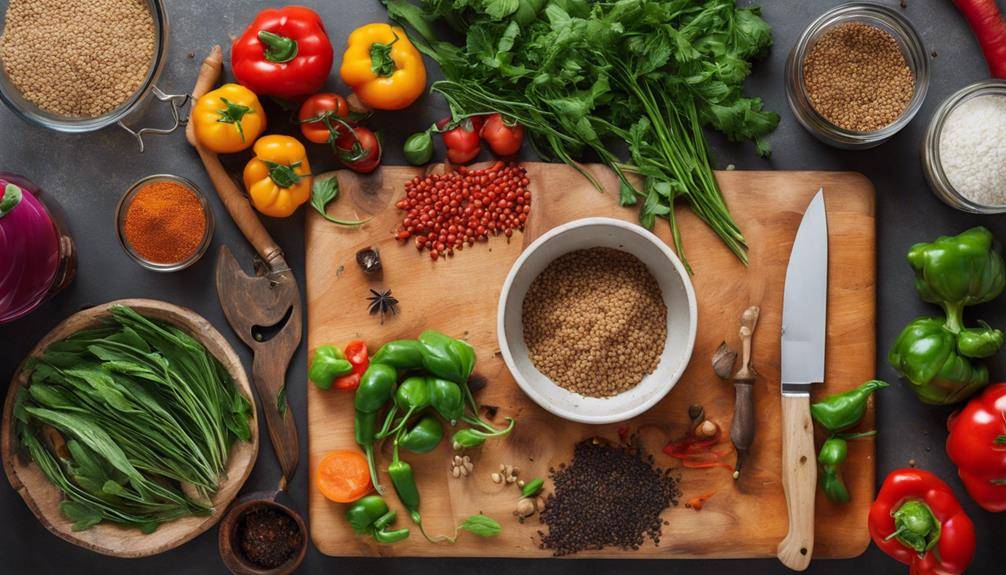
Great Vegetarian Cooking Tips And Techniques; To elevate your vegetarian cooking, embrace seasonal ingredients for maximum flavor and freshness. Master flavor pairings, balancing umami-rich foods with fresh herbs and spices to create depth. Don’t forget to experiment with textures—mix crunchy and creamy elements for an exciting dining experience. Utilize diverse plant-based proteins like lentils, quinoa, and tofu. Enhance dishes with a variety of herbs, infusing oils for added vibrancy. Develop essential cooking techniques and practice knife skills for efficiency. Finally, plan and prep your meals ahead to save time and stress. There’s much more to discover that can transform your cooking journey!
Embrace Seasonal Ingredients
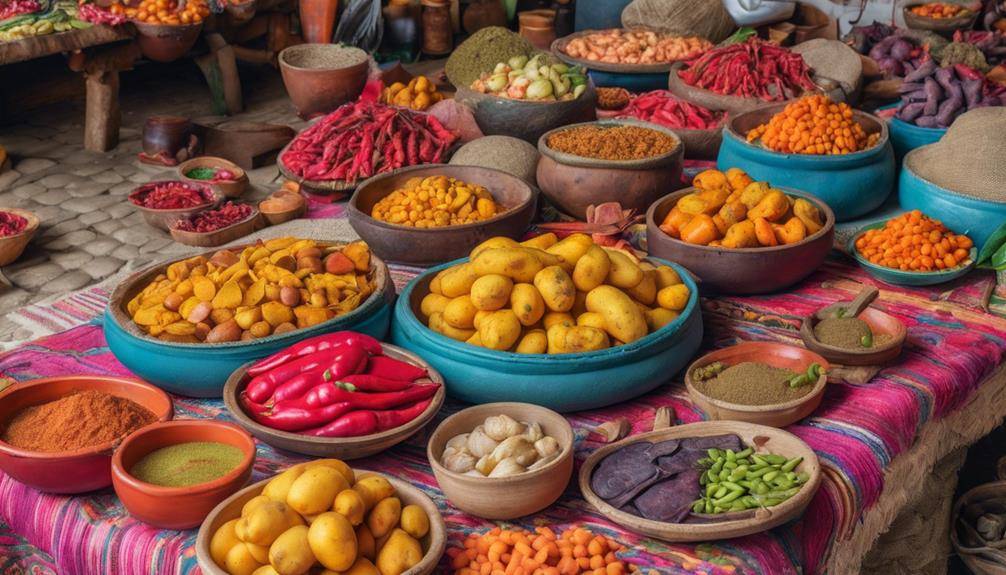
When should you start thinking about seasonal ingredients in your vegetarian cooking? The answer is simple: now! Seasonal ingredients not only taste better, but they’re often more affordable and environmentally friendly. By focusing on ingredients that are in season, you support local markets and farmers, ensuring the freshest produce makes its way to your kitchen.
To embrace seasonal cooking, begin by familiarizing yourself with what’s in season in your area. Check out local markets, where you can find vibrant fruits and vegetables at their peak flavor. When you shop at these markets, you might discover unique varieties that aren’t available in supermarkets, inspiring you to try new seasonal recipes.
Incorporating seasonal ingredients into your meals can elevate your dishes. For instance, in spring, think of asparagus and peas; in summer, enjoy juicy tomatoes and zucchini; fall might inspire you to cook with pumpkins and squash; and winter’s bounty could include root vegetables and hearty greens. By tailoring your recipes to these ingredients, you create meals that reflect the time of year and maximize flavor.
To get started, plan your week’s menus around what’s fresh at the market. This could mean making a rejuvenating salad with spring greens or a warming stew featuring winter root vegetables. By embracing seasonal ingredients, you’ll not only enhance your vegetarian cooking but also cultivate a deeper appreciation for the natural rhythms of food. So, immerse yourself in the local market scene and let the seasons guide your culinary adventures!
Master Flavor Pairings
Great flavor pairings can transform your vegetarian dishes from ordinary to extraordinary. When you master the art of combining ingredients, you open up a world of taste that excites your palate. Start by exploring the umami secrets that can elevate your meals. Foods like mushrooms, sun-dried tomatoes, and nutritional yeast are packed with umami, delivering a savory depth that can enhance almost any dish.
To achieve flavor balance, think about contrasting tastes. Pair sweet with savory, like roasted butternut squash drizzled with balsamic glaze, or introduce acidity with a squeeze of lemon over creamy avocado. This contrast not only makes your dish more interesting but also rounds out the flavors, making each bite delightful.
Don’t forget about herbs and spices. Fresh basil with tomatoes creates a classic pairing, while cumin and coriander can add warmth to chickpeas. Experimenting with these elements helps you discover unique combinations that will surprise your guests.
Also, consider the role of texture in flavor. Crunchy nuts can complement creamy dressings, while crispy vegetables can add a revitalizing bite to hearty grains. The right combination of textures can enhance the overall eating experience, making it more satisfying.
Experiment With Textures
Textures play an essential role in making vegetarian dishes truly enjoyable. When you experiment with different texture combinations, you elevate your meals from ordinary to extraordinary. Think about how the crunch of roasted nuts contrasts with the creaminess of a smooth avocado dressing. By playing with textures, you create a sensory experience that excites the palate.
Start by incorporating a variety of ingredients that offer diverse textures. For instance, combine crisp raw vegetables like radishes or cucumbers with tender grains such as quinoa or farro. This not only adds visual appeal but also creates a delightful interplay of textures. You can also mix sautéed mushrooms, which provide a meaty chewiness, with light and fluffy polenta for a comforting dish.
Don’t shy away from innovative presentations either. Layering different textures in a bowl or on a plate can turn a simple dish into a culinary work of art. Consider stacking grilled vegetables with creamy hummus and a sprinkle of crunchy seeds on top.
You can also explore techniques like pickling or fermenting to introduce unexpected textures. These methods enhance the complexity of flavors while adding a satisfying crunch or tang. The key is to keep your guests guessing and engaged with every bite.
Utilize Plant-Based Proteins
When you’re cooking vegetarian meals, it’s essential to utilize a variety of plant-based proteins. Not only do these diverse sources, like lentils, chickpeas, and quinoa, offer essential nutrients, but they also add depth to your dishes. You’ll also want to explore different cooking methods to bring out the best flavors and textures in these proteins.
Diverse Protein Sources
Exploring diverse plant-based protein sources can greatly enhance your vegetarian meals. Start by incorporating various legume varieties, like lentils, black beans, and kidney beans, into your dishes. You’ll find that chickpea dishes, such as hummus or salads, not only pack protein but also add flavor and texture.
Don’t overlook the benefits of quinoa; try new quinoa recipes for a complete protein option that’s versatile and easy to prepare. Nuts are another excellent addition—understanding nut benefits can help you boost both protein and healthy fats in your diet.
Tofu and tempeh are fantastic for protein-rich meals. Follow some tofu tips to achieve the right texture and flavor. When preparing tempeh, marinating it can really enhance its taste. For those looking for meat alternatives, consider seitan; it’s a great protein source that mimics the texture of meat.
Lastly, protein smoothies can be a quick and delicious way to get your protein fix. Blend in nuts, seeds, and plant-based protein powders for an energizing start to your day. By utilizing these diverse sources, you’ll create satisfying and nutritious vegetarian meals.
Cooking Methods Explained
Understanding different cooking methods is essential for bringing out the best in plant-based proteins. Each technique not only enhances flavor but also preserves nutrients. For instance, grilling vegetables adds a smoky taste that elevates their natural sweetness. When you sauté greens, you create a quick and vibrant dish that retains their bright color and crunch.
Steaming legumes is a fantastic way to keep them tender while locking in nutrients. Roasting roots, like sweet potatoes and carrots, caramelizes their sugars and brings out their earthy flavors. If you want a protein-packed dish, try baking tofu until it’s golden and crispy—perfect for adding to salads or stir-fries.
Consider blanching beans to maintain their bright color and crisp texture before tossing them into your favorite recipes. Stir frying mushrooms not only intensifies their umami flavor but also gives them a satisfying texture. Finally, braising squash allows it to absorb rich flavors while becoming wonderfully tender.
Enhance With Herbs and Spices
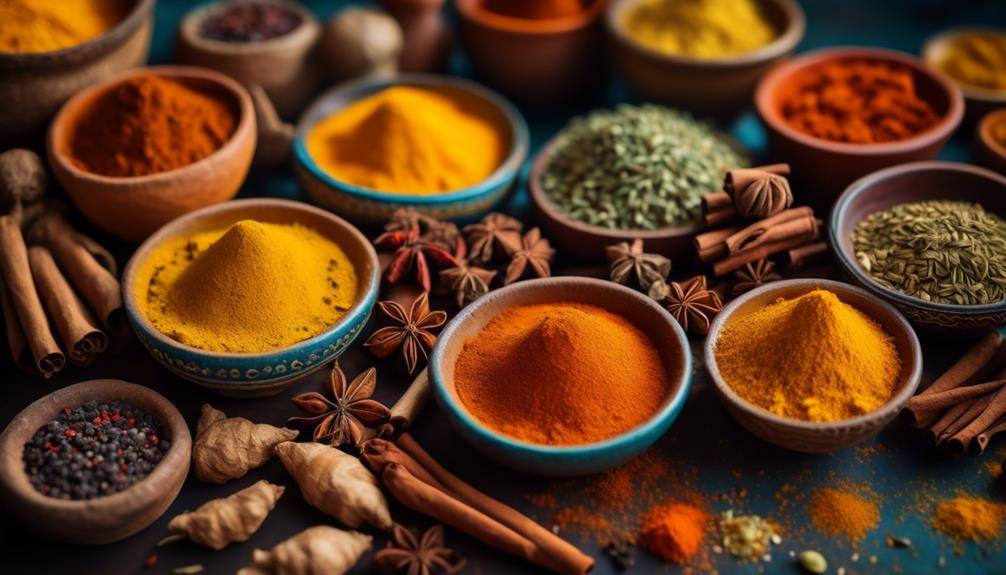
To elevate your vegetarian dishes, incorporating a variety of herbs and spices is essential. These flavorful elements not only enhance the taste but also boost the nutritional value of your meals. Start by experimenting with herb infusions. You can create vibrant oils or vinegars by steeping fresh herbs like basil, rosemary, or thyme in olive oil or vinegar. This technique adds a rich, aromatic base to dressings, marinades, or sautés.
When it comes to spice blending, think beyond the basics. Mix spices like cumin, coriander, and smoked paprika for a warm, earthy flavor that complements roasted vegetables. Consider using spice blends like garam masala or za’atar to introduce different cuisines to your table. You can also toast whole spices in a dry pan to release their essential oils before grinding them for a fresher, more intense flavor.
Don’t forget about fresh herbs! Incorporate them at the end of cooking to keep their bright flavors intact. Chopped parsley, cilantro, or dill can transform a simple dish into something special. Remember to taste as you go; herbs and spices can vary in potency, so adjust accordingly.
Lastly, keep your herbs and spices organized and easily accessible. This way, you’ll be more likely to experiment and discover new flavor combinations. By mastering the use of herbs and spices, you’ll turn ordinary vegetarian meals into extraordinary culinary experiences.
Learn Cooking Techniques
Mastering essential cooking techniques can greatly enhance your vegetarian meals. Start with honing your knife skills. Good knife skills not only improve your efficiency in the kitchen, but they also guarantee safety while you chop, dice, and slice your ingredients. Practice basic cuts like julienne, dice, and chiffonade using fresh vegetables. You’ll notice how evenly cut pieces cook more uniformly, resulting in better texture and flavor in your dishes.
Next, focus on kitchen organization. A well-organized kitchen can transform your cooking experience. Keep your tools and ingredients within reach, and label containers to easily find what you need. Invest in a good set of cutting boards to prevent cross-contamination, especially if you’re preparing both vegetarian and non-vegetarian meals.
Another important technique is mastering cooking methods. Familiarize yourself with sautéing, steaming, roasting, and braising. Each technique brings out different flavors and textures in your vegetables. For example, roasting brings out natural sweetness, while steaming preserves nutrients and vibrant colors.
Don’t forget about incorporating cooking fundamentals like seasoning and balancing flavors. Taste as you go and adjust seasonings to enhance the natural flavors of your ingredients.
Plan and Prep Ahead
Planning and prepping your meals ahead of time can save you both stress and time during the week. By incorporating meal planning into your routine, you can streamline your cooking process and guarantee you have healthy vegetarian options ready to go. Start by choosing a day—like Sunday—to map out your meals for the week. This way, you’ll know exactly what you need to buy and what to prepare.
When it comes to meal planning, think about your schedule. If you know you’ll be busy on certain days, plan for simpler meals or leftovers. This makes it easier to stick to your vegetarian diet without resorting to unhealthy fast food.
Batch cooking is another essential strategy. Cook larger portions of grains, legumes, and vegetables, and store them in the fridge or freezer. This allows you to mix and match ingredients throughout the week. For example, you could prepare a big batch of quinoa, roasted vegetables, and a flavorful sauce. Use these components to create different meals, like grain bowls, wraps, or salads.
Don’t forget to invest in some good containers for storage. Clear, stackable containers make it easy to see what you’ve prepped, helping you avoid waste. Take a couple of hours each week to plan your meals and batch cook, and you’ll find it’s a game changer for your vegetarian cooking routine. You’ll enjoy the benefits of healthy meals without the last-minute scramble.
Frequently Asked Questions: Great Vegetarian Cooking Tips And Techniques
What Kitchen Tools Are Essential for Vegetarian Cooking?
For effective vegetarian cooking, you’ll need essential tools like sharp knives for vegetable preparation, cutting boards, and a quality blender. These help in flavor enhancement, allowing you to create delicious, vibrant meals with ease.
How Can I Make Vegetarian Meals More Appealing for Kids?
To make vegetarian meals more appealing for kids, focus on fun vegetarian meals with vibrant colors and creative plating. Use playful shapes, add dips, and involve them in cooking to spark their interest and excitement.
What Are Some Common Mistakes When Cooking Vegetarian Dishes?
When cooking vegetarian dishes, you often overlook spice balance and ingredient variety. Don’t stick to the same basics; experiment with different flavors and textures to create vibrant, satisfying meals that excite your palate and keep you engaged.
How Do I Store Leftover Vegetarian Meals Properly?
To store leftover vegetarian meals properly, cool them quickly, place them in airtight containers, and label with dates. This guarantees safe leftover storage and helps you stay organized during meal prep for the week ahead.
Can I Substitute Dairy in Vegetarian Recipes Effectively?
Yes, you can substitute dairy in vegetarian recipes effectively. Using dairy alternatives like almond milk or coconut yogurt enhances flavor and texture, making your dishes just as delicious and satisfying as their dairy counterparts.

Conclusion
By embracing seasonal ingredients and mastering flavor pairings, you can elevate your vegetarian cooking game. Experimenting with textures and utilizing plant-based proteins will keep your meals exciting and satisfying. Don’t forget to enhance your dishes with fresh herbs and spices for that extra punch. Learning new cooking techniques can expand your culinary repertoire, while planning and prepping ahead guarantees you always have delicious meals ready to go. Immerse yourself, and enjoy the journey of vegetarian cooking!
If you enjoyed exploring this topic and want to dive even deeper, be sure to check out some of our other articles here on Infinite Flavors. From rich culinary histories to creative twists on classic recipes, there’s always something new to discover. Whether you’re curious about the origins of a dish, looking for fresh inspiration in the kitchen, or simply love learning about food culture, our collection of posts is the perfect next step on your flavor journey.
7 Important Key Tips To Vegetarian And Vegan Cooking
Creating Amazing Delicious Vegetarian Soups
8 Great Techniques For Healthy Vegetarian Meal Preparation