6 Best Steps For Skillet-Baked Pizza Perfection
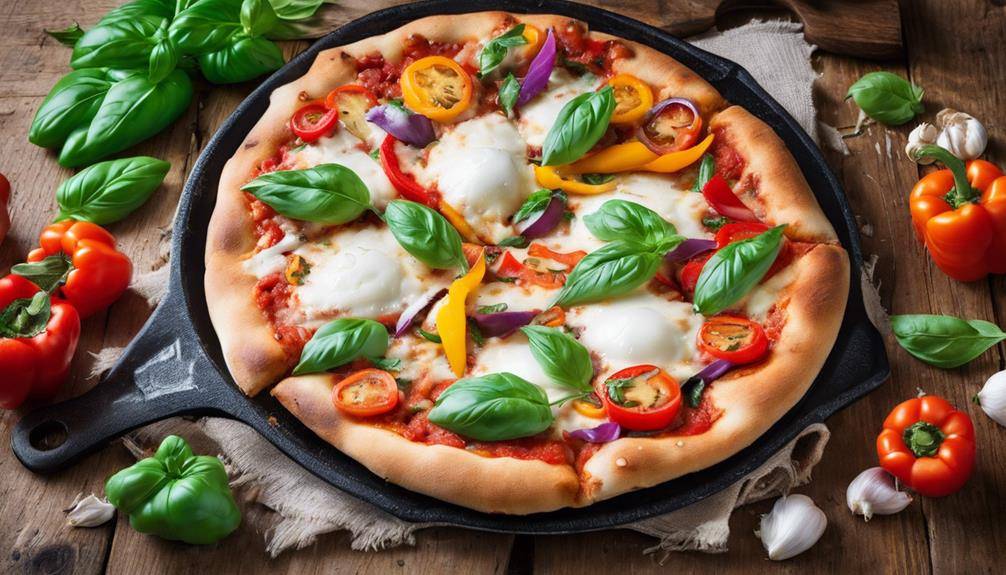
Best Steps For Skillet-Baked Pizza Perfection: To achieve skillet-baked pizza perfection, follow these six steps. First, choose the right skillet, preferably cast iron for even heat. Next, prepare your dough with high-protein flour and let it rise until it's doubled in size. Preheat your skillet to around 450°F for a crispy crust. When adding toppings, layer wisely to prevent sogginess, starting with sauce and cheese. Cook the pizza for 10-15 minutes, keeping an eye on it for bubbling cheese. Finally, allow it to cool slightly before slicing. You'll discover even more tips to elevate your pizza game if you keep going.
Choose the Right Skillet
Click Here and Turn Every Masterpiece into a Showstopper!
When it comes to skillet-baked pizza, choosing the right skillet can make all the difference. You'll want to evaluate materials like cast iron or nonstick options, as each has its own advantages. Cast iron skillets are renowned for their excellent heat distribution, ensuring your pizza cooks evenly and develops that perfect crust. If you choose a cast iron skillet, remember that it requires some maintenance tips, like seasoning, to keep it in top shape.
On the other hand, nonstick options can simplify your cooking experience. They're easy to clean and require less oil, but you may not achieve the same crust quality as with cast iron. Evaluate skillet sizes as well; a 10-inch skillet is great for personal pizzas, while a 12-inch can accommodate more toppings and serve multiple people.
When selecting a skillet, think about the cooking techniques you plan to use. If you're going for a traditional method, cast iron is a solid choice. For faster weeknight dinners, nonstick can save you time.
Brand recommendations can guide your purchase, too. Popular brands like Lodge for cast iron or T-fal for nonstick have high ratings and reliable products. Ultimately, your choice should align with your cooking style and desired pizza outcome. With the right skillet in hand, you'll be well on your way to skillet-baked pizza perfection.
Prepare the Dough
To create a delicious skillet-baked pizza, preparing the dough correctly is vital. Start by measuring out your flour. You'll want a high-protein flour to give your crust that perfect chew. Next, mix in salt and sugar, which not only enhances flavor but also aids in yeast activation later on.
Now, combine warm water with your yeast. The water temperature should be around 110°F; this helps in the yeast activation process. Let it sit for about five minutes until it becomes frothy. This bubbling action indicates that your yeast is alive and ready to work its magic.
Once your yeast is activated, combine it with the dry ingredients. Add the water gradually while mixing to guarantee proper dough hydration. You want the dough to be slightly tacky but not overly sticky. If it's too wet, add a bit more flour.
Knead the dough for about 8-10 minutes until it's smooth and elastic. This step is essential as it develops gluten, which gives your pizza crust structure. Once kneaded, shape it into a ball and place it in a lightly greased bowl, covering it with a damp cloth. Allow it to rise in a warm place until it doubles in size, usually about 1-2 hours.
After the dough has risen, it's ready to be stretched and topped for your skillet-baked pizza. Remember, a well-prepared dough sets the foundation for an unforgettable pizza experience!
Preheat Your Skillet
To achieve that perfect skillet-baked pizza, you need to preheat your skillet properly. Choosing the right skillet and knowing the ideal temperature settings can make all the difference. Don't underestimate the importance of preheating duration; it sets the stage for a delicious, crispy crust.
Optimal Temperature Settings
The key to achieving skillet-baked pizza perfection lies in the temperature settings of your skillet. You'll want to preheat your skillet to an ideal oven temperature, typically around 450°F. This guarantees even heat distribution, essential for getting that perfect crust texture. If your skillet material is cast iron or stainless steel, it retains heat exceptionally well, enhancing your baking techniques.
Once your skillet's preheated, it's time to focus on your pizza assembly. The cooking time will vary, but generally, 10 to 15 minutes should suffice. Keep an eye on cheese melting; you want it bubbly and slightly golden, so adjust your heat if necessary.
When placing toppings, think about their flavor profiles. Heavier ingredients might need to go on first to avoid a soggy crust. Experiment with recipe variations—perhaps adding fresh herbs or different cheeses—to elevate your dish. Remember, the right temperature settings will not only impact the crust but also guarantee each bite offers that delightful balance of flavors. Mastering these elements will lead you to skillet-baked pizza perfection every time!
Choosing the Right Skillet
When it comes to choosing the right skillet for your pizza, consider both material and size for ideal results. A cast iron skillet is often the gold standard for skillet-baked pizza. Its excellent heat retention and distribution create a perfectly crispy crust that's hard to beat. If you're new to cooking with cast iron, don't worry; it just requires a bit of seasoning and care to develop a natural non-stick surface.
However, if you prefer a more straightforward approach, a high-quality non-stick skillet can also work wonders. It allows for easy release of your pizza, making cleanup a breeze. Just make sure it's oven-safe and can withstand high temperatures, as you'll want that crust to get nice and golden.
Size matters too; choose a skillet that can accommodate your desired pizza size. A 10 to 12-inch skillet is typically ideal for personal or small pizzas, while larger skillets are perfect for family-sized creations. Ultimately, whether you go for cast iron or non-stick, the right skillet will make all the difference in achieving pizza perfection.
Preheating Duration Importance
After selecting the perfect skillet, preheating it properly is key to achieving that crispy crust you crave. When you heat your skillet, you're not just warming it up; you're allowing the magic of heat distribution to work in your favor. A well-preheated skillet guarantees that every inch of your pizza base gets that uniform, radiant heat it needs to rise and brown beautifully.
The skillet benefits you'll enjoy become evident as you watch your dough transform. If you skip this step or don't allow enough time for preheating, you risk a soggy bottom, which no one wants. Aim for at least 10-15 minutes of preheating over medium to medium-high heat, depending on your skillet material. Cast iron or carbon steel skillets often require a bit more time to reach ideal temperatures.
Use this time to prepare your toppings or sauce, but keep an eye on the skillet. A properly preheated surface not only locks in moisture but also creates that delightful crunch you desire. So don't rush it—give your skillet the time it deserves, and you'll be rewarded with pizza perfection.
Add Toppings Wisely
Crafting the perfect skillet-baked pizza is as much about the toppings as it is about the crust. When you're choosing topping combinations, think about how each ingredient contributes to the overall flavor profile. You want to create a harmonious blend that excites the palate without overwhelming it.
Start with the basics—your sauce and cheese. A robust tomato sauce can serve as a great base, but don't shy away from experimenting with pesto or a white sauce. Next, select your cheese. Mozzarella is a classic, but mixing in provolone or gouda can elevate your pizza.
Once you have your foundation, it's time to layer on those toppings. Balance is key here. If you're adding rich ingredients like pepperoni or sausage, consider pairing them with lighter options like fresh vegetables or herbs. Think about flavors that complement each other; for instance, the sweetness of roasted red peppers can beautifully offset the saltiness of olives.
Avoid overcrowding your pizza; too many toppings can lead to a soggy crust. Aim for a few well-chosen ingredients that work together. If you want to include a variety of meats, pick one or two and add a medley of vegetables to balance them out. Always remember, the goal is to enhance the dish without overpowering the basic elements. With some thought and creativity, you'll create a topping masterpiece that'll leave everyone craving more!
Click Here and Turn Every Masterpiece into a Showstopper!
Cook to Perfection
Once you've selected your toppings wisely, it's time to focus on cooking your skillet-baked pizza to perfection. Start by preheating your skillet over medium heat for about 5 minutes. This step guarantees that your crust gets that crispy texture you crave. While your skillet heats up, make sure your dough is at the right hydration level. A well-hydrated dough will yield a light and airy crust, so don't skimp on the water during your mixing process.
Next, you need to activate your yeast properly. If you've prepared your dough in advance, let it rise until it doubles in size. This fermentation helps develop flavor and creates those delightful air pockets in your crust. Once your skillet is hot, gently stretch your dough to fit the pan. Carefully lay it in the skillet, making sure it's evenly distributed.
Now, add your chosen toppings, starting with sauce and cheese, followed by your other ingredients. Cover the skillet with a lid to create an oven-like environment, trapping heat and moisture. This method allows the cheese to melt beautifully while guaranteeing the crust cooks thoroughly. Keep an eye on it, and after about 10-15 minutes, you should have a perfectly baked pizza.
If you want a crunchier bottom, you can finish it under the broiler for a minute or two. Just keep a close watch to avoid burning. Mastering these steps will take your skillet-baked pizza to the next level!
Serve and Enjoy
Once your skillet-baked pizza is ready, it's time to slice it up using the perfect cutting techniques for a clean cut and even portions. Think about pairing your delicious pizza with the ideal sides or drinks to elevate the meal. Your friends and family will appreciate the thoughtful details you put into serving!
Perfect Cutting Techniques
How do you guarantee each slice of your skillet-baked pizza is a perfect piece of culinary art? Mastering perfect cutting techniques is key. Start by allowing your pizza to cool for a few minutes, which helps the cheese set slightly and prevents it from sliding off when you cut.
Use a sharp pizza cutter or a chef's knife for clean slices. If you're aiming for classic triangular pizza shapes, make your first cut down the center, then slice each half into equal pieces. For square shapes, go for a grid pattern, ensuring each piece is uniform.
Ideal Pairing Suggestions
After perfecting your cutting techniques, it's time to think about what to serve alongside your skillet-baked pizza to enhance the experience. Start with sauce selections that complement your pizza's flavors—try marinara, pesto, or even a spicy arrabbiata. For cheese choices, consider a blend of mozzarella and provolone, or go bold with gorgonzola for a unique twist.
Herb enhancements can elevate your dish; sprinkle fresh basil or oregano over the top before serving to bring out those savory notes. When it comes to topping combinations, think beyond the classic pepperoni—experiment with roasted vegetables, spicy sausage, or even artichokes for a gourmet touch.
Crust styles matter too; a crispy thin crust pairs beautifully with lighter toppings, while a thicker, doughy crust can handle heartier ingredients. Don't forget about side dishes! A fresh arugula salad or garlic knots can round out your meal nicely.
For beverage pairings, opt for a crisp lager or a fruity red wine, which can complement the rich flavors of your pizza. Finally, consider your serving styles—whether you plate it family-style or serve individual slices, presentation adds to the overall dining experience. Enjoy!
Click Here and Turn Every Masterpiece into a Showstopper!
Frequently Asked Questions: Best Steps For Skillet-Baked Pizza Perfection
Can I Use Pre-Made Dough for Skillet Pizza?
Absolutely, you can use pre-made dough for your skillet pizza! Just guarantee you follow proper dough preparation. Adjust your baking techniques for the skillet, and you'll achieve a delicious, crispy crust in no time!
What Type of Skillet Is Best for Beginners?
For beginners, a cast iron skillet is ideal due to its heat retention and versatility. However, nonstick options are also great for easy cleanup and less sticking. Choose based on your comfort level and cooking style.
How Do I Prevent the Crust From Sticking?
To prevent the crust from sticking, use effective crust preparation techniques. Try oiling methods like brushing the skillet with olive oil or using parchment paper for a non-stick surface. Your pizza will slide right out!
Can I Make a Gluten-Free Skillet Pizza?
Yes, you can make a gluten-free skillet pizza! Just use gluten-free flours like almond or rice flour for the crust. Try pizza sauce alternatives like pesto or hummus for a delicious twist. Enjoy your creation!
What Are Some Creative Topping Combinations?
You can experiment with unconventional toppings like pear and gorgonzola or roasted beet and goat cheese. Incorporating seasonal ingredients such as fresh basil or heirloom tomatoes will elevate your pizza to a whole new level.

Conclusion
Now that you know the best steps for skillet-baked pizza perfection, it's time to get cooking! Remember to choose the right skillet and prep your dough just right. Don't skip the preheating, and layer your toppings with care. Keep an eye on your pizza as it cooks to guarantee it's golden and bubbly. Once it's done, slice it up and enjoy every delicious bite. You're in for a treat that'll impress everyone at the table!