Comparing Pizza Stone And Pizza Steel Cooking Methods
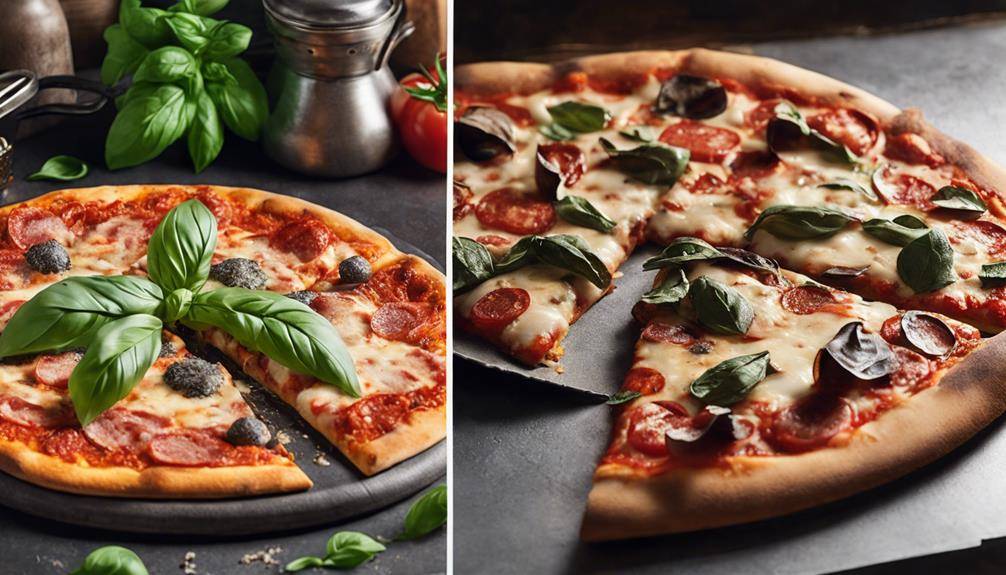
Pizza Stone And Pizza Steel Cooking Methods: When you're comparing pizza stones and pizza steels, you'll find they each offer unique benefits. Pizza stones retain heat well and provide a crispy crust as they absorb moisture. However, they can create hot spots and take longer to preheat. On the other hand, pizza steels heat up quickly, distribute heat more evenly, and cook pizza faster, giving you a nice, blistered finish. While stones are great for a traditional approach, steels might be better for those seeking restaurant-quality results. Keep exploring to discover which method suits your pizza-making needs best.
Overview of Pizza Stones
Click Here and Turn Every Masterpiece into a Showstopper!
When you think about making a perfect pizza at home, a pizza stone often comes to mind. This versatile tool can elevate your pizza-making game, giving you that authentic, crispy crust you crave. You'll find various pizza stone types, each with its unique benefits. Clay, ceramic, and cordierite stones are popular options, and knowing their differences can help you choose the right one for your kitchen.
Clay stones heat evenly and retain warmth well, making them great for traditional pizzas. Ceramic options are typically lightweight and easy to handle, but they may not hold heat as effectively. Cordierite stones, on the other hand, are durable and can withstand high temperatures, making them perfect for a wood-fired oven experience.
One of the significant pizza stone benefits is their ability to absorb moisture from the dough. This results in a crispy crust that's hard to achieve with a regular baking sheet. When you preheat your stone in the oven, it creates a hot surface that mimics the conditions of a pizza oven, allowing your pizza to cook evenly and quickly.
In addition to pizza, you can use a pizza stone for baking bread, pastries, or even reheating leftover slices. So, when you're ready to impress your family and friends with homemade pizza, investing in a good quality pizza stone can make all the difference. Don't underestimate the impact a stone can have on your cooking experience!
Overview of Pizza Steels
Pizza steels offer a modern alternative to traditional pizza stones, bringing their own set of advantages to the table. If you're serious about making great pizza at home, you'll appreciate the benefits of using a steel. These cooking surfaces are typically made from heavy-duty steel, which guarantees excellent heat conduction. This means they can reach higher temperatures much quicker than stones, allowing you to whip up a perfect Neapolitan-style pie in no time.
When it comes to the best materials, high-carbon steel and stainless steel are popular choices for pizza steels. High-carbon steel is durable and can withstand extreme temperatures, while stainless steel offers rust resistance and ease of cleaning. Both types work well for different types of pizza, whether you're baking a thin crust or a deep-dish delight.
Another advantage of pizza steels is their versatility. Not only can you use them for pizza, but they're also great for baking bread, cookies, or even roasting vegetables. The uniform heat distribution helps achieve that crispy crust you're after, regardless of what you're cooking.
In short, if you're on the hunt for an efficient way to create restaurant-quality pizza at home, a pizza steel might just be your best bet. With various materials and versatile applications, it's a worthwhile investment for any pizza enthusiast looking to elevate their cooking game.
Heat Retention Comparison
Heat retention plays an essential role in achieving that perfect crust, and both pizza stones and steels have their strengths in this area. When it comes to heat retention, pizza stones are typically made from ceramic or cordierite. These materials excel at absorbing and holding onto heat. This means that once you preheat your stone, it'll maintain a consistent temperature throughout your cooking session. This consistent heat distribution helps create that crispy crust you crave.
On the other hand, pizza steels are made from thick, conductive metal, which allows them to heat up quickly and retain high temperatures. While they may not hold heat as long as a stone, their superior heat conductivity enhances cooking efficiency. This means your pizza can develop a crispy base without needing excessive time in the oven. The steel's ability to transfer heat quickly can also help with those dreaded soggy crusts that sometimes occur when using a stone.
In practical terms, if you're aiming for a quick turnaround and want to cook multiple pizzas in succession, steel may be your best bet. However, if you prefer a slower, more gradual cooking process that emphasizes heat retention, a stone could be the way to go. Ultimately, your choice will depend on your cooking style and the specific qualities you want from your pizza crust. Balancing heat retention and distribution will lead you to delicious results, whether you choose stone or steel.
Cooking Time Analysis
In the battle of cooking time, the differences between pizza stones and steels become quite apparent. When you use a pizza stone, you'll typically find that it takes longer to preheat and cook your pizza. Stones need to absorb heat before they can transfer it effectively to the dough, which can lead to longer cooking times. In contrast, pizza steels boast superior cooking efficiency due to their metal composition. They heat up faster and retain that heat more effectively, resulting in a quicker cooking process.
The temperature distribution is also essential in this analysis. With a steel, you'll often notice a more even heat spread across the surface. This uniformity helps your pizza cook faster, as every part of the dough receives consistent heat. On the other hand, stones can sometimes create hot and cold spots, which may lead to uneven cooking and extended baking times.
If you're in a hurry or want to whip up a pizza on a weeknight, you'll appreciate how much faster a steel can get the job done. You can expect cooking times to decrease considerably—often by several minutes—when you opt for steel over stone. So, when it comes to cooking time, choosing a pizza steel is a smart move if efficiency is your priority. You'll enjoy delicious homemade pizza in less time, allowing you to get back to what really matters—enjoying your meal!
Click Here and Turn Every Masterpiece into a Showstopper!
Texture and Crust Quality
When it comes to achieving that perfect crust, the choice between a pizza stone and a steel can greatly impact texture and quality. Each method offers unique crust characteristics that can elevate your pizza-making experience. A pizza stone, typically made from clay or ceramic, retains heat well and helps absorb moisture from the dough. This process results in a crust that's crispy on the outside while remaining chewy on the inside. You'll appreciate the traditional pizzeria feel it brings to your homemade pizza.
On the other hand, pizza steel is a game changer for many home chefs. Made from solid steel, it conducts heat more efficiently than a stone. This means your pizza will cook faster and develop a more pronounced crunch. You'll notice texture differences in the crust right away, as a pizza steel can give you a more uniform, blistered finish. The steel's ability to hold high temperatures can also lead to a delightful char that many pizza lovers crave.
Ultimately, the choice between stone and steel comes down to your desired crust characteristics. If you prefer a softer, chewier crust, a pizza stone may be your best bet. But if you're after that crispy, restaurant-quality finish, pizza steel is the way to go. Experimenting with both methods can help you discover which texture and crust quality suits your taste best, making every pizza night a delicious adventure.
Cost and Maintenance Considerations
Choosing between a pizza stone and a pizza steel involves not just texture and cooking performance but also cost and maintenance. The initial investment for a pizza stone is generally lower, with prices ranging from $20 to $50. However, keep in mind that pizza stones can crack over time, especially if not handled properly. This means you might need to replace it sooner than expected, adding to the overall cost.
On the other hand, pizza steels tend to come with a higher initial price tag, often between $50 and $100. But their durability is a significant advantage. A good-quality steel can last a lifetime with minimal care, making it a wise long-term investment. You won't find yourself needing to replace it often, if ever.
When it comes to maintenance, pizza stones require more attention. You'll need to let them cool slowly to avoid cracks and clean them without soap, as it can absorb flavors. In contrast, pizza steels are straightforward to maintain. A quick wipe with a damp cloth after each use is often enough. They don't absorb moisture or flavors, so you won't have to worry about lingering tastes.
Click Here and Turn Every Masterpiece into a Showstopper!
Frequently Asked Questions: Pizza Stone And Pizza Steel Cooking Methods
Can I Use Pizza Stones and Steels on the Grill?
Yes, you can use pizza stones and steels on the grill. Their heat retention helps create a crispy crust. Just guarantee proper grill compatibility and temperature management for the best results during your outdoor cooking.
How Do Pizza Stones and Steels Affect Cheese Melting?
Pizza stones and steels improve cheese melting by providing excellent heat retention. You'll notice better cheese browning with these tools, as they maintain high temperatures, ensuring your cheese melts evenly and deliciously every time.
Are There Specific Pizza Recipes for Stones or Steels?
Absolutely, there are specific recipes that suit either stone or steel. For stone vs steel, you'll need to make recipe adaptations; adjust baking times and temperatures to achieve the perfect crust and toppings on each surface.
Can I Use a Pizza Stone or Steel in a Microwave?
You can't use a pizza stone or steel in a microwave due to microwave safety concerns. Relying on traditional ovens enhances cooking efficiency, giving you that perfect crispy crust you crave for your homemade pizza.
What Are the Best Brands for Pizza Stones and Steels?
When choosing pizza stones or steels, consider brands like Lodge, Emile Henry, and BakerStone for their durability. Compare prices to find the best deal that fits your budget while ensuring you get quality performance.

Conclusion
When it comes to choosing between a pizza stone and a pizza steel, it really depends on your cooking style and preferences. If you want that perfect crispy crust and quicker cooking times, a steel might be your best bet. However, if you prefer a more traditional method with great heat retention, a stone could be the way to go. Ultimately, both options have their merits, so pick the one that suits your pizza-making needs best!