Exciting Essential Tips For Lactose-Free Meal Preparation
Tips For Lactose-Free Meal Preparation; Imagine you’re embarking on a road trip, but there’s one catch – your car can only run on a specific type of fuel. Without it, you won’t be able to go anywhere. Well, the same can be said for lactose-intolerant individuals who rely on lactose-free meal preparation for their dietary needs.
Whether you’ve recently discovered your lactose intolerance or have been living with it for years, navigating the world of lactose-free cooking can be a daunting task. But fear not, because in this discussion, we will provide you with essential tips to help you navigate this culinary road, ensuring that your meals are both delicious and lactose-free. So, buckle up and get ready to discover a whole new world of lactose-free meal preparation that will leave you satisfied and ready for the journey ahead.
Click Here and Turn Every Masterpiece into a Showstopper!
Understand Lactose Intolerance
To better understand lactose intolerance, it is important to know that it is a common digestive disorder affecting a significant portion of the population. Lactose intolerance occurs when the body is unable to fully digest lactose, a sugar found in milk and dairy products. This happens due to a deficiency or absence of lactase, the enzyme responsible for breaking down lactose. Without enough lactase, lactose remains undigested in the digestive system, leading to symptoms such as bloating, gas, diarrhea, and abdominal pain.
There are several causes of lactose intolerance. Primary lactose intolerance is the most common form and is usually inherited. It is more prevalent in certain ethnic groups, including Asian, African, and Hispanic populations. Secondary lactose intolerance can occur as a result of other conditions such as gastrointestinal infections, celiac disease, or inflammatory bowel disease. Additionally, some individuals may experience temporary lactose intolerance after a gastrointestinal illness or injury.
Managing lactose intolerance involves making dietary changes to avoid or limit lactose-containing foods. It is important to read food labels carefully, as lactose can be present in unexpected products such as processed meats, bread, and salad dressings. Fortunately, there are many lactose-free alternatives available, including lactose-free milk, cheese, and yogurt. Some people may also benefit from taking lactase supplements before consuming lactose-containing foods. These supplements provide the lactase enzyme necessary to break down lactose and can help alleviate symptoms.
Stock up on Lactose-Free Ingredients
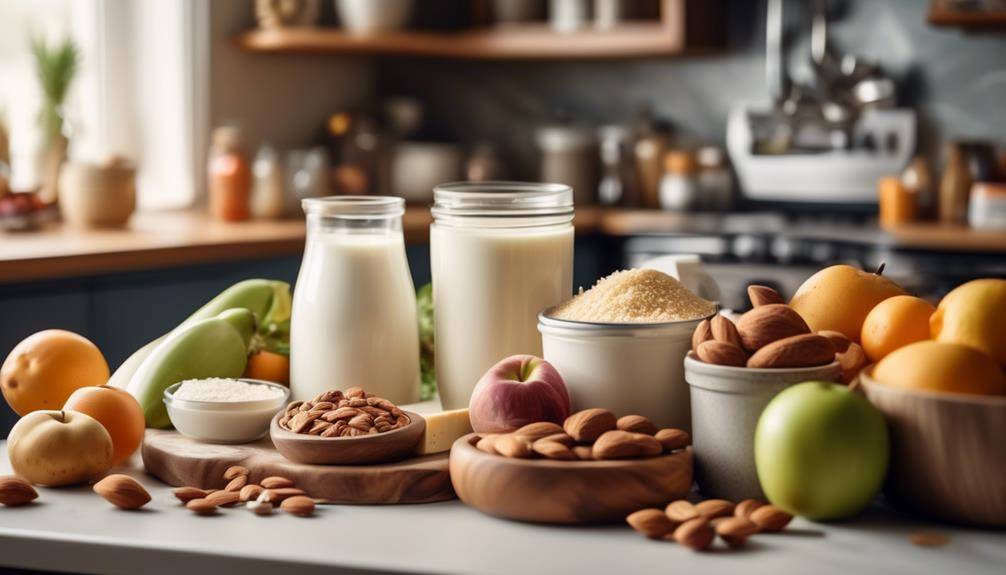
To successfully prepare lactose-free meals, it’s important to stock up on dairy-free alternatives. Look for lactose-free milk, cheese, yogurt, and other dairy substitutes that are readily available in most grocery stores. Reading food labels is also crucial in identifying hidden sources of lactose, so be sure to check for ingredients like milk solids, whey, and lactose. Finally, consider cooking from scratch using fresh, whole ingredients to have better control over what goes into your meals and ensure they are completely lactose-free.
Dairy-Free Alternatives
When it comes to stocking up on lactose-free ingredients, it’s essential to have a well-prepared and diverse selection to ensure delicious and satisfying dairy-free meals. Here are four dairy-free alternatives that will make your lactose-free meal preparation a breeze:
- Dairy-Free Milk: Replace regular cow’s milk with lactose-free milk options like almond milk, oat milk, or soy milk. These alternatives are not only lactose-free but also provide a creamy texture and a delicious taste to your recipes.
- Non-Dairy Yogurt: Enjoy the creamy goodness of yogurt without the lactose by opting for non-dairy yogurt made from coconut milk, almond milk, or soy milk. These yogurts can be used as a base for smoothies, dressings, or as a topping for your favorite dishes.
- Vegan Cheese: Elevate your dairy-free meals with vegan cheese options made from plant-based ingredients like cashews or almonds. These cheeses offer a similar texture and taste to traditional cheese, making them perfect for melting, grating, or enjoying on their own.
- Dairy-Free Ice Cream: Indulge in frozen treats without worrying about lactose by choosing dairy-free ice cream made from coconut milk or almond milk. These creamy and flavorful alternatives come in a variety of flavors, allowing you to satisfy your sweet tooth while sticking to your lactose-free diet.
Reading Food Labels
Start your journey to stocking up on lactose-free ingredients by becoming a savvy reader of food labels. When it comes to finding hidden lactose in food products, reading labels becomes essential. Look for ingredients such as milk, lactose, whey, and casein, as these indicate the presence of lactose. Keep an eye out for terms like “may contain milk” or “processed in a facility that also processes milk,” as these can be red flags for hidden lactose.
It’s important to note that lactose can be found in unexpected places, such as salad dressings, processed meats, and even medications. Additionally, when dining out, managing lactose-free options can be challenging. Ask your server about lactose-free alternatives and make sure to communicate your dietary needs clearly. By reading food labels and being proactive, you can ensure a successful and enjoyable lactose-free dining experience.
Cooking From Scratch
One key to successful lactose-free cooking is stocking up on ingredients that are free from lactose. By cooking from scratch, you have complete control over the ingredients you use, ensuring that your meals are lactose-free. Here are four tips to help you with your lactose-free cooking journey:
- Plan ahead: Take some time to plan your meals for the week. This will help you avoid last-minute trips to the grocery store and save you time in the kitchen.
- Explore new cooking techniques: Experiment with cooking techniques like grilling, roasting, or steaming. These techniques can enhance the flavors of your lactose-free dishes without relying on dairy.
- Substitute lactose-free alternatives: Stock your pantry with lactose-free milk, yogurt, and cheese. These alternatives can be used in a variety of lactose-free recipes without compromising taste or texture.
- Embrace batch cooking: Prepare larger quantities of lactose-free meals and freeze them in individual portions. This will save you time and ensure that you always have a lactose-free meal ready to go.
Read Labels Carefully
To ensure that your lactose-free meals are truly suitable for your dietary needs, make sure to carefully read the labels of all food products you plan to use. Reading labels is essential because it allows you to identify any ingredients that may contain lactose or other dairy derivatives. Understanding lactose intolerance and its symptoms is crucial for those following a lactose-free diet. Lactose intolerance is the inability to digest lactose, a sugar found in milk and dairy products. Common symptoms include bloating, gas, diarrhea, and stomach cramps. By reading labels carefully, you can avoid consuming lactose and prevent these discomforts.
When reading labels, look for specific terms that indicate the presence of lactose or milk products. Some ingredients to watch out for include milk, lactose, whey, curds, cream, and butter. It’s also important to be aware of hidden sources of lactose, such as casein and lactoglobulin. These can often be found in processed or packaged foods, so it’s crucial to be diligent in your label reading.
To stock up on lactose-free ingredients, make a habit of checking labels before purchasing any food items. Many grocery stores now offer a wide range of lactose-free alternatives, such as lactose-free milk, cheese, and yogurt. These products are specifically formulated to be free from lactose, making them safe for individuals with lactose intolerance. Additionally, there are many dairy-free substitutes available, such as almond milk, coconut milk, and soy-based products. These can be used as alternatives in cooking and baking recipes.
Click Here and Turn Every Masterpiece into a Showstopper!
Experiment With Alternative Dairy Products
Now that you understand the importance of reading labels, it’s time to explore the world of alternative dairy products. Non-dairy milk options like almond, soy, and oat milk can be great substitutes for regular milk in your recipes. Cheese alternatives made from nuts or soy can provide the same creamy texture and flavor. And if you’re a fan of yogurt, there are plenty of dairy-free options available that are just as delicious. By experimenting with these alternative dairy products, you can still enjoy your favorite dishes while avoiding lactose.
Non-Dairy Milk Options
Experiment with alternative dairy products to find non-dairy milk options that suit your taste and dietary needs. There are several non-dairy milk alternatives available that offer various benefits for those following a lactose-free diet. Here are four options to consider:
- Almond milk: Made from ground almonds, almond milk is rich in vitamin E and has a creamy texture. It adds a subtle nutty flavor to your favorite recipes.
- Soy milk: Derived from soybeans, soy milk is a popular choice due to its high protein content. It is also a good source of calcium and vitamin D.
- Coconut milk: With its tropical flavor, coconut milk is a versatile option for both sweet and savory dishes. It contains healthy fats and adds a delightful richness.
- Oat milk: Made from oats, oat milk has a creamy texture and a mild, slightly sweet taste. It is often fortified with nutrients like calcium and vitamin D.
Try these non-dairy milk alternatives to enjoy a lactose-free diet while still satisfying your taste buds.
Cheese Alternatives
When exploring cheese alternatives, consider experimenting with alternative dairy products to find options that suit your taste and dietary needs. Fortunately, there are several dairy-free alternatives available that can be used in a variety of recipes. One popular option is vegan cheese, which is made from plant-based ingredients like nuts, soy, or tapioca starch. These cheeses come in various flavors and textures and can be melted, shredded, or sliced, making them suitable for pizzas, sandwiches, and casseroles.
Another option is nutritional yeast, which has a cheesy flavor and can be sprinkled on dishes like pasta or popcorn. Additionally, tofu can be blended with spices and nutritional yeast to create a creamy cheese-like texture. With these cheese alternatives, you can enjoy delicious dairy-free recipes without compromising on taste or texture.
Yogurt Substitutes
To find suitable options that meet your taste and dietary needs, consider exploring alternative dairy products when looking for yogurt substitutes. Here are four yogurt alternatives that are lactose-free and perfect for lactose-free baking:
- Coconut milk yogurt: Made from coconut milk, this creamy yogurt alternative adds a tropical twist to your dishes. It’s rich in healthy fats and has a naturally sweet flavor.
- Almond milk yogurt: With its subtle nutty taste, almond milk yogurt is a great option for those who prefer a lighter flavor. It’s also low in calories and packed with vitamin E.
- Soy milk yogurt: Soy milk yogurt is a popular choice among lactose-free individuals. It has a creamy texture and a mild taste that pairs well with both sweet and savory recipes.
- Oat milk yogurt: Oat milk yogurt is a versatile option that works well in various recipes. It has a smooth texture and a slightly sweet taste, making it a delicious addition to your favorite dishes.
Experimenting with these yogurt alternatives will open up a world of possibilities in lactose-free baking, allowing you to enjoy your favorite recipes without compromising on taste or dietary needs.
Incorporate Plant-Based Proteins
Incorporating plant-based proteins into your lactose-free meals is a simple and nutritious way to enhance your diet. Plant-based cooking techniques offer a variety of options for adding protein to your meals without the need for lactose. By utilizing these techniques, you can enjoy a diverse range of lactose-free protein sources that will keep you satisfied and nourished.
One popular plant-based cooking technique is incorporating legumes into your meals. Legumes, such as lentils, chickpeas, and black beans, are excellent sources of protein and can be used in a variety of dishes. From salads and soups to stews and stir-fries, legumes can be a versatile addition to your lactose-free meals.
Another lactose-free protein source that you can incorporate into your meals is tofu. Made from soybeans, tofu is a great plant-based protein option. It can be grilled, baked, stir-fried, or even blended into smoothies to boost the protein content of your meals.
Quinoa is another fantastic plant-based protein source that is also gluten-free. This grain is packed with essential amino acids and is easy to cook. You can use quinoa as a base for salads, stir-fries, or as a side dish to accompany your main course.
Nuts and seeds are also excellent lactose-free protein sources that can be sprinkled on top of salads, added to smoothies, or used in baking. Almonds, walnuts, chia seeds, and flaxseeds are all rich in protein and provide healthy fats and fiber as well.
Incorporating plant-based proteins into your lactose-free meals not only ensures that you meet your daily protein requirements but also adds variety and flavor to your diet. By using plant-based cooking techniques and exploring different lactose-free protein sources, you can create delicious and nutritious meals that support your overall well-being.
Click Here and Turn Every Masterpiece into a Showstopper!
Get Creative With Non-Dairy Flavors
Get creative with non-dairy flavors by exploring different non-dairy milk options, such as almond, soy, or oat milk, to add richness and depth to your lactose-free meals. Experiment with a variety of spices and seasonings to enhance the flavor profile of your dishes. From fragrant herbs like basil and thyme to bold spices like cumin and paprika, there are endless possibilities to create delicious and satisfying meals without lactose.
Non-Dairy Milk Options
Consider exploring a variety of non-dairy milk options to add exciting flavors to your lactose-free meals. Non-dairy milk alternatives are a great way to enjoy the taste and texture of milk without the lactose. When it comes to lactose-free baking, these alternatives can be a game-changer. Here are four non-dairy milk options that can elevate your cooking and baking:
- Coconut milk: With its creamy texture and subtle sweetness, coconut milk adds a tropical twist to your dishes.
- Almond milk: Known for its nutty flavor, almond milk is versatile and pairs well with both sweet and savory recipes.
- Oat milk: Creamy and slightly sweet, oat milk is perfect for baking and can enhance the flavor of your lactose-free treats.
- Cashew milk: Made from soaked and blended cashews, this milk alternative is rich and creamy, adding a luxurious touch to your dishes.
Experimenting with these non-dairy milk options will open up a world of delicious possibilities for your lactose-free meals.
Spices and Seasonings
Spice up your lactose-free meals with a variety of creative non-dairy flavors. When it comes to selecting spices, there are plenty of options that add depth and complexity to your dishes without relying on dairy. Opt for spices like cumin, paprika, turmeric, and coriander to infuse your meals with rich and bold flavors.
Experiment with different combinations to find the perfect flavor pairing for your dishes. For example, try using cinnamon and nutmeg in a dessert, or chili powder and garlic powder in a savory dish. Don’t be afraid to get creative and think outside the box. Non-dairy flavors can be just as delicious and satisfying as their lactose-filled counterparts, so embrace the opportunity to explore new spices and seasonings in your lactose-free cooking.
Plan Meals in Advance
To effectively manage a lactose-free diet, it is essential to plan your meals in advance. Meal planning not only helps you stay on track with your dietary needs, but it also saves you time and reduces stress. Here are four reasons why planning your meals in advance is important for lactose-free meal preparation:
- Saves time: Planning your meals in advance allows you to make a grocery list and shop for all the ingredients you need in one go. This saves you from making frequent trips to the store and wasting time trying to figure out what to cook each day.
- Reduces stress: When you plan your meals in advance, you eliminate the last-minute rush of figuring out what to cook. This reduces stress and allows you to enjoy the cooking process without feeling overwhelmed.
- Promotes variety: Planning your meals in advance gives you the opportunity to incorporate a variety of lactose-free foods into your diet. By including different proteins, vegetables, and grains, you ensure that you are getting a well-balanced and diverse range of nutrients.
- Helps with portion control: When you plan your meals in advance, you can portion out your meals and snacks accordingly. This helps prevent overeating and ensures that you are consuming the right amount of lactose-free foods to meet your nutritional needs.
Use Lactose-Free Cooking Methods
To continue your lactose-free meal preparation journey, let’s explore different cooking methods that are suitable for those following a lactose-free diet. By using lactose-free cooking methods, you can ensure that your meals are free from lactose while still being delicious and nutritious.
One of the easiest lactose-free cooking methods is grilling. Grilling allows you to cook meat, fish, and vegetables without the need for any dairy products. Simply marinate your protein or vegetables in a lactose-free marinade, and then grill them to perfection. This method not only adds a smoky flavor to your food but also keeps it lactose-free.
Another lactose-free cooking method is roasting. Roasting involves cooking food in the oven at high temperatures, which helps to enhance the flavors and textures. You can roast a variety of vegetables, such as potatoes, carrots, and Brussels sprouts, with a drizzle of olive oil and your favorite herbs and spices. The result is a delicious and lactose-free side dish that complements any main course.
Stir-frying is also a great lactose-free cooking method. By using a lactose-free oil, such as olive oil or coconut oil, you can cook a variety of vegetables, meats, and tofu in a flavorful and lactose-free way. Stir-frying allows you to retain the nutrients and flavors of the ingredients while keeping them lactose-free.
Incorporating lactose-free cooking methods into your meal plans can make a big difference in your lactose-free meal preparation. By grilling, roasting, and stir-frying your food, you can enjoy delicious and lactose-free meals without compromising on taste or nutrition. So, go ahead and experiment with these lactose-free cooking methods and create a variety of lactose-free dishes that will delight your taste buds.
Click Here and Turn Every Masterpiece into a Showstopper!
Opt for Lactose-Free Condiments and Sauces
When preparing lactose-free meals, it is important to opt for condiments and sauces that are free from lactose. Using lactose-free condiments not only ensures that your meal remains dairy-free, but also adds flavor and variety to your dishes. Here are four reasons why you should incorporate lactose-free condiments and sauces into your dairy-free meal plans:
- Improved Digestion: Lactose intolerance can cause digestive discomfort such as bloating, gas, and diarrhea. By choosing lactose-free condiments, you can avoid these symptoms and enjoy your meals without worry.
- Versatility: Lactose-free condiments and sauces come in a wide range of flavors, from tangy barbecue sauces to zesty salad dressings. By incorporating these options into your meal planning, you can add variety and excitement to your lactose-free dishes.
- Nutritional Benefits: Lactose-free condiments can provide essential nutrients without the discomfort of lactose. For example, salsa is a lactose-free option that is rich in antioxidants from tomatoes, onions, and peppers. These nutrients can support overall health and wellbeing.
- Allergy-Friendly: Lactose-free condiments are not only safe for those with lactose intolerance but also for individuals with dairy allergies. By using lactose-free condiments, you can ensure that your meals are suitable for everyone, accommodating different dietary needs and preferences.
Incorporating lactose-free condiments and sauces into your dairy-free meal plans is an easy and effective way to enhance the flavor and enjoyment of your dishes. By choosing these options, you can create delicious, lactose-free meals that are suitable for everyone at the table.
Find Lactose-Free Recipes and Meal Ideas
Finding lactose-free recipes and meal ideas can be a simple and enjoyable way to explore new dishes that are free from dairy. Whether you are lactose intolerant or simply looking to cut back on dairy, there are plenty of options available to suit your dietary needs and preferences. Here are some lactose-free meal prep tips and recipe inspiration to get you started on your lactose-free journey.
When searching for lactose-free recipes, it is important to look for ingredients that are naturally lactose-free or can be easily substituted. Opt for plant-based milk alternatives such as almond milk, soy milk, or oat milk in place of regular milk. You can also use dairy-free yogurt or coconut cream as substitutes for sour cream or heavy cream in recipes. These simple swaps can help you create delicious and creamy dishes without the lactose.
There are many online resources and cookbooks available that focus specifically on lactose-free recipes. Websites like Pinterest and food blogs often have dedicated sections or filters for lactose-free recipes. You can also find inspiration from cookbooks that specialize in dairy-free or vegan cooking. These resources can provide you with a wide range of ideas for breakfast, lunch, dinner, and even desserts that are delicious, nutritious, and lactose-free.
Additionally, don’t be afraid to experiment in the kitchen and adapt your favorite recipes to make them lactose-free. You can easily modify recipes by substituting dairy ingredients with lactose-free alternatives. For example, you can use coconut milk instead of regular milk in your favorite curry recipe, or swap butter for dairy-free margarine in baking recipes. With a little creativity and some trial and error, you can turn almost any recipe into a lactose-free delight.
Remember to always read labels carefully and be aware of hidden sources of lactose in processed foods. By keeping these lactose-free meal prep tips in mind and seeking inspiration from various sources, you can create a diverse and enjoyable menu that is free from dairy while still being delicious and satisfying.
Click Here and Turn Every Masterpiece into a Showstopper!
Seek Professional Guidance and Support
Are you unsure about how to navigate a lactose-free diet? Seek professional guidance and support to ensure you are meeting your nutritional needs and making informed choices. Here are four reasons why seeking professional advice and joining lactose-free support groups can be beneficial:
- Expertise and personalized guidance: Registered dietitians and nutritionists have the knowledge and expertise to provide tailored advice for your lactose-free diet. They can help you understand your nutritional requirements, suggest suitable alternatives, and create a meal plan that meets your specific needs.
- Clarification and debunking myths: With so much information available online, it can be overwhelming to decipher what’s accurate and what’s not. By consulting a professional, you can get accurate and evidence-based information about lactose intolerance, lactose-free products, and potential dietary limitations.
- Emotional support and motivation: Living with a lactose intolerance can sometimes feel isolating. Joining lactose-free support groups can provide a sense of community and understanding. Sharing experiences, recipes, and tips with others facing similar challenges can be empowering and motivating.
- Accountability and long-term success: A professional and support group can keep you accountable on your lactose-free journey. They can provide ongoing support, monitor your progress, and help you stay committed to your dietary goals. With their guidance, you can make sustainable lifestyle changes and achieve long-term success.
Frequently Asked Questions: Tips For Lactose-Free Meal Preparation
Can I Still Consume Dairy Products if I Am Lactose Intolerant?
You should avoid consuming dairy products if you are lactose intolerant. Instead, opt for dairy alternatives like almond milk or lactose-free cheese. Managing lactose intolerance involves making dietary changes to avoid discomfort.
What Are Some Common Symptoms of Lactose Intolerance?
You may experience symptoms like bloating, gas, diarrhea, and stomach cramps if you are lactose intolerant. Managing lactose intolerance requires dietary modifications and finding lactose-free recipe ideas can help you enjoy meals without discomfort.
Are There Any Non-Dairy Alternatives to Milk and Cheese That Taste Similar?
There are non-dairy milk alternatives like almond, soy, and oat milk that taste similar to cow’s milk. For vegan cheese substitutes, options include cashew cheese, nutritional yeast, and plant-based cheese made from coconut or soy.
Can I Still Enjoy Desserts and Baked Goods if I Am Lactose Intolerant?
Yes, you can still enjoy desserts and baked goods if you are lactose intolerant. There are plenty of lactose-free dessert recipes available and dairy-free baking substitutes that taste just as delicious.
How Can I Ensure That I Am Getting Enough Calcium in My Diet Without Consuming Dairy Products?
You can ensure you get enough calcium without consuming dairy products by incorporating non-dairy calcium sources into your lactose-free meal planning. Some options include leafy greens, tofu, almonds, and fortified non-dairy milks.

Conclusion
In conclusion, following these essential tips for lactose-free meal preparation can make a significant difference for individuals with lactose intolerance. By understanding lactose intolerance, stocking up on lactose-free ingredients, reading labels carefully, experimenting with alternative dairy products, incorporating plant-based proteins, using lactose-free cooking methods, opting for lactose-free condiments and sauces, finding lactose-free recipes and meal ideas, and seeking professional guidance and support, individuals can enjoy delicious and satisfying meals while managing their lactose intolerance effectively.