Essential Guide To Preparing Great Asian Cuisine Meals
Guide To Preparing Great Asian Cuisine Meals; As the saying goes, “Variety is the spice of life.” And what better way to add some spice to your culinary repertoire than by exploring the vibrant and flavorful world of Asian cuisine? From the aromatic curries of Thailand to the delicate dumplings of China, Asian cuisine offers a treasure trove of flavors and techniques just waiting to be discovered. In this essential guide, we will unveil the secrets to preparing mouthwatering Asian meals that will transport your taste buds to faraway lands. So get ready to embark on a culinary adventure like no other, where every dish is a tantalizing blend of tradition, innovation, and pure deliciousness.
Click Here and Turn Every Masterpiece into a Showstopper!
Asian Pantry Essentials
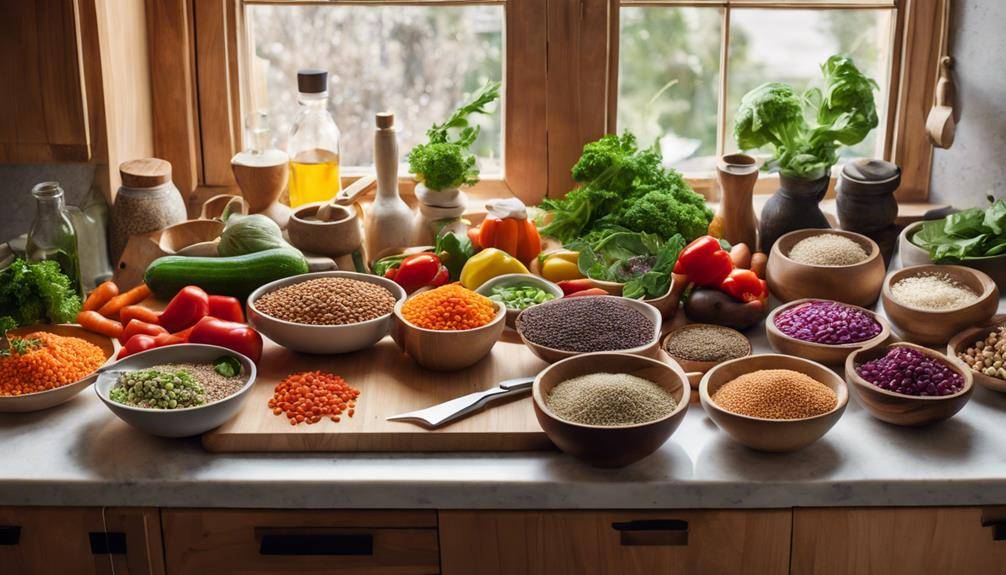
To prepare delicious Asian cuisine meals, it is essential to have a well-stocked pantry with key ingredients. Proper Asian pantry organization is crucial for efficiency and ease of cooking. By having a well-organized pantry, you can easily access essential ingredients and ensure that you have everything you need to create authentic Asian dishes.
When it comes to Asian pantry staple ingredients, there are a few essentials that should always be stocked in your pantry. Soy sauce is a must-have, as it adds a savory umami flavor to many Asian dishes. Rice vinegar, a staple in Asian cuisine, is essential for creating tangy dressings and marinades. Another important ingredient is sesame oil, which adds a rich nutty flavor to stir-fries and marinades.
Rice is a staple in many Asian countries, so it is important to have a variety of rice available in your pantry. Jasmine rice is commonly used in Southeast Asian dishes, while short-grain rice is ideal for sushi and Korean dishes. Noodles are also a pantry essential, with options like rice noodles, soba noodles, and udon noodles being versatile and easy to cook.
Spices and condiments such as ginger, garlic, and chili paste are vital for adding flavor to Asian dishes. These ingredients can be stored in your pantry and used whenever you need them. Lastly, don’t forget about Asian pantry organization. Keep your ingredients in clear, labeled containers, and arrange them in a way that makes it easy to find what you need.
Essential Cooking Techniques
Now let’s talk about the essential cooking techniques for preparing Asian cuisine. Two important techniques to master are stir-frying and steaming. Stir-frying involves quickly cooking ingredients in a hot pan with oil, while steaming involves cooking food using steam from boiling water. These techniques are fundamental to creating authentic and delicious Asian dishes.
Stir-Frying Basics
For those seeking to master the art of Asian cuisine, understanding the essential cooking technique of stir-frying is paramount. Stir-frying is a versatile method that allows you to quickly cook vegetables and proteins while retaining their natural flavors and textures. When stir-frying vegetables, it is important to cut them into uniform pieces to ensure even cooking. For delicate vegetables like broccoli or snow peas, blanching them briefly before stir-frying can help maintain their vibrant colors and crispness.
When it comes to proteins, marinating them before stir-frying can enhance their flavors and tenderize them. To achieve the perfect balance of flavors in stir-fried dishes, it is crucial to use a combination of soy sauce, garlic, ginger, and other seasonings. Remember to taste as you go and adjust the seasonings accordingly. With practice, you’ll be able to create delicious stir-fried dishes that showcase the natural flavors of the ingredients.
Steaming Techniques
Steaming is an essential cooking technique that utilizes the power of steam to gently cook food while preserving its natural flavors and nutrients. Here are three key points to consider when it comes to steaming:
- Health benefits of steaming: Steaming is a healthy cooking method as it requires little to no oil, making it a great option for those watching their calorie intake. It also helps retain the food’s vitamins, minerals, and antioxidants, ensuring that you get the maximum nutritional value from your meals.
- Different types of steaming equipment: There are various types of steaming equipment available, including bamboo steamers, electric steamers, and stove-top steamers. Bamboo steamers are traditional and affordable, while electric steamers offer convenience and precise temperature control. Stove-top steamers are versatile and can be used on any stovetop.
- Tips for successful steaming: To achieve the best results, make sure to arrange the food in a single layer to ensure even cooking. Avoid overcrowding the steamer, as it can lead to uneven steaming. Also, be mindful of the cooking time to prevent overcooking.
Mastering Rice and Noodles
Now it’s time to focus on perfecting the texture of rice and exploring the various types of noodles in Asian cuisine. Achieving the ideal rice texture requires proper rinsing, measuring the water accurately, and cooking it to the right consistency. As for noodles, there are a wide range of options to choose from, each with their own unique characteristics and cooking methods. Let’s dive into the world of rice and noodles, and master these essential components of Asian cooking.
Perfecting Rice Texture
To achieve the perfect texture for your rice, it is essential to follow precise cooking techniques and use the appropriate rice-to-water ratio. Here are three key tips to help you achieve fluffy rice while avoiding stickiness:
- Rinse the rice: Before cooking, rinse the rice under cold water to remove excess starch. This will prevent the grains from clumping together and becoming sticky.
- Use the right amount of water: The rice-to-water ratio is crucial for achieving the desired texture. As a general rule, use 1 ½ cups of water for every cup of rice. Adjust the ratio slightly based on the type of rice you are using.
- Cook with a tight-fitting lid: Once you bring the rice and water to a boil, cover the pot with a tight-fitting lid. This will trap the steam and ensure even cooking, resulting in fluffy rice.
Exploring Noodle Varieties
After perfecting the texture of your rice, it’s time to explore the wide variety of noodles available for creating delicious Asian cuisine meals. Asian cuisine is known for its diverse noodle dishes, each using different noodle shapes to create unique flavors and textures. From thick and chewy udon noodles to thin and delicate rice noodles, there is a noodle for every taste and preference. Popular noodle dishes include Pad Thai, a stir-fried dish with flat rice noodles, and Ramen, a Japanese soup with wheat noodles. Other favorites include Chow Mein, made with egg noodles, and Pho, a Vietnamese soup with rice noodles. Experiment with different noodle varieties to add depth and excitement to your Asian-inspired meals.
Click Here and Turn Every Masterpiece into a Showstopper!
Flavorful Sauces and Marinades
Enhance the flavors of your Asian cuisine meals with a variety of flavorful sauces and marinades. These essential ingredients are the key to adding depth and complexity to your dishes. Whether you are looking to pair a sauce with your favorite stir-fry or substitute a marinade for a traditional recipe, there are countless options to choose from. Here are three suggestions to get you started:
- Soy Sauce: A staple in Asian cooking, soy sauce is a versatile condiment that adds a savory umami flavor to any dish. It pairs well with almost anything, from noodles and rice to meats and vegetables. For a simple stir-fry, combine soy sauce with garlic, ginger, and a bit of sugar for a deliciously tangy sauce.
- Hoisin Sauce: Known for its sweet and savory taste, hoisin sauce is commonly used in Chinese cuisine. It is a great choice for glazing meats or adding a rich flavor to stir-fries. Mix hoisin sauce with honey, rice vinegar, and a touch of sesame oil for a lip-smacking marinade for pork or chicken.
- Sriracha: If you like a bit of heat in your dishes, sriracha is the perfect condiment for you. Made from chili peppers, garlic, and vinegar, this spicy sauce can be used as a dipping sauce or added to marinades and stir-fries for an extra kick. Combine sriracha with lime juice, honey, and soy sauce for a fiery marinade for grilled shrimp.
With these sauce pairings and marinade substitutions, you can elevate your Asian cuisine meals to a whole new level. Experiment with different combinations and flavors to create your own signature dishes. So go ahead, get creative in the kitchen and enjoy the delicious flavors of Asian cuisine!
Exploring Asian Spices and Herbs
Now let’s explore the aromatic world of Asian spices and herbs, adding another layer of flavor to your Asian cuisine meals. Asian cuisine is known for its bold and complex flavors, and the use of spices and herbs plays a crucial role in achieving this. Asian spice blends are a combination of various spices that are carefully balanced to create a unique flavor profile. These blends can include spices like ginger, garlic, turmeric, cumin, coriander, and more. They add depth and complexity to dishes like curry, stir-fries, and soups.
In addition to enhancing the taste of Asian dishes, many Asian herbs also have medicinal uses. For centuries, these herbs have been used in traditional Asian medicine to promote health and well-being. For example, ginger is known for its ability to aid digestion and reduce inflammation. Turmeric is prized for its anti-inflammatory properties and is often used to treat various ailments. Garlic has been used for its antibacterial and antiviral properties, while coriander is believed to aid in digestion and improve cardiovascular health.
When using Asian spices and herbs, it’s important to remember that a little goes a long way. Start with small amounts and gradually increase to achieve your desired flavor. Store them in a cool, dark place to preserve their freshness and potency.
Must-Try Asian Appetizers
To kick off your Asian dining experience, indulge in a tantalizing array of must-try Asian appetizers. These delicious starters will set the stage for the culinary journey ahead, showcasing the diverse flavors and textures of Asian cuisine. From popular dim sum dishes to innovative fusion Asian appetizers, there is something to satisfy every palate. Here are three appetizers that you must try:
- Siu Mai: These bite-sized dumplings are a staple in dim sum restaurants. Filled with a mixture of ground pork, shrimp, and fragrant spices, siu mai are steamed to perfection. The combination of tender meat and the delicate wrapper creates a burst of flavors with every bite. They are often served with soy sauce or chili oil for dipping.
- Baozi: These soft and fluffy steamed buns are a popular street food in many Asian countries. Filled with a variety of savory ingredients such as barbecue pork, chicken, or vegetables, baozi offer a satisfying and flavorful bite. The pillowy texture of the bun complements the rich and savory filling, making it a must-try appetizer.
- Kimchi Spring Rolls: Fusion Asian appetizers bring a modern twist to traditional dishes. Kimchi spring rolls combine the tangy and spicy flavors of kimchi with the crispy texture of spring rolls. The result is a delightful fusion of Korean and Vietnamese cuisines. These rolls are often served with a sweet and sour dipping sauce, adding another layer of flavor to this unique appetizer.
Indulge in these must-try Asian appetizers to tantalize your taste buds and kick-start your Asian dining experience. Whether you choose traditional dim sum dishes or innovative fusion creations, these appetizers are sure to leave you craving for more. Enjoy the diverse flavors and textures that Asian cuisine has to offer, and let your culinary adventure begin.
Delicious Asian Main Courses
Experience the exquisite flavors and aromas of Asian cuisine with these delectable main courses. Asian cuisine offers a wide variety of main course options to satisfy every palate, from traditional dishes to innovative Asian fusion creations. Whether you are a meat lover or a vegetarian, there is something for everyone to enjoy.
For those seeking a unique twist on traditional Asian flavors, try exploring the world of Asian fusion dishes. These dishes combine elements of different Asian cuisines, creating a harmonious blend of flavors and textures. From Korean tacos to Thai curry pizza, the possibilities are endless. The combination of traditional Asian ingredients with Western cooking techniques results in a truly unforgettable dining experience.
If you prefer vegetarian options, Asian cuisine has plenty to offer. Vegetarian Asian main courses are not only delicious but also packed with nutrients. Tofu and tempeh are commonly used as meat substitutes, providing a good source of protein. Stir-fried vegetables, such as bok choy, mushrooms, and snow peas, are often featured in vegetarian Asian dishes, adding a burst of freshness and crunch.
One popular vegetarian Asian main course is tofu pad Thai. This flavorful dish combines stir-fried tofu, rice noodles, and a tangy sauce made from tamarind paste, lime juice, and soy sauce. Topped with crushed peanuts and fresh herbs, tofu pad Thai is a satisfying and healthy option for those looking to incorporate more plant-based meals into their diet.
Click Here and Turn Every Masterpiece into a Showstopper!
Irresistible Asian Desserts
Indulge your sweet tooth with a tantalizing array of Asian desserts that will leave your taste buds craving for more. Asian desserts are renowned for their unique flavor combinations and use of traditional ingredients. Here are three irresistible Asian desserts that you must try:
- Mango Sticky Rice: This popular Thai dessert combines the sweetness of ripe mangoes with the creamy richness of sticky rice. The rice is cooked in coconut milk and sweetened with palm sugar, giving it a luscious texture and a hint of caramel flavor. Topped with a sprinkle of toasted sesame seeds, this dessert is a delightful blend of sweet and savory.
- Matcha Green Tea Ice Cream: Originating from Japan, matcha green tea ice cream is a favorite among dessert lovers. Made with finely ground green tea leaves, this vibrant dessert has a distinct earthy flavor and a vibrant green color. Its creamy texture and subtle bitterness make it a refreshing and indulgent treat.
- Red Bean Soup: A traditional Chinese dessert, red bean soup is a comforting and satisfying sweet dish. The soup is made by boiling red beans with water and sugar until they become soft and creamy. It is often served warm and can be enjoyed as is or with a side of sticky rice balls or glutinous rice dumplings.
These desserts showcase the diverse range of flavors and ingredients used in Asian cuisine. From the tropical sweetness of mangoes to the earthy bitterness of matcha green tea, Asian desserts offer a unique and delightful experience for your taste buds. So, go ahead and explore the world of Asian desserts to satisfy your cravings for something sweet and exotic.
Click Here and Turn Every Masterpiece into a Showstopper!
Frequently Asked Questions: Guide To Preparing Great Asian Cuisine Meals
How Do I Properly Store Asian Spices and Herbs to Maintain Their Freshness?
To properly store Asian spices and herbs and maintain their freshness, follow these tips: Keep them in airtight containers, away from light and heat. Store in a cool, dry place like a pantry. Avoid moisture and use within their expiration date.
Can I Substitute Regular Rice With Brown Rice or Quinoa in Asian Dishes?
You can substitute regular rice with brown rice or quinoa in Asian dishes. It’s a healthier alternative. Brown rice adds a nutty flavor, while quinoa adds a light and fluffy texture. Experiment and find what works best for you.
What Are Some Common Mistakes to Avoid When Making Asian Sauces and Marinades?
When making Asian sauces and marinades, common mistakes to avoid include using too much soy sauce, not balancing the flavors, and not properly thickening the sauce. To store Asian spices and herbs, keep them in a cool, dry place away from sunlight.
Are There Any Vegetarian or Vegan Options for Traditional Asian Appetizers?
Looking for vegetarian versions of traditional Asian appetizers? You’re in luck! There are plenty of easy vegan alternatives for classic Asian starters, like tofu spring rolls and vegetable dumplings.
How Can I Incorporate Asian Flavors Into Everyday Meals Without Making Them Too Spicy or Overpowering?
To incorporate Asian flavors into everyday meals without overpowering them, balance the flavors by using aromatic ingredients like ginger, garlic, and lemongrass. Explore umami-rich ingredients and delicate seasoning techniques for non-spicy Asian flavors.

Conclusion
In conclusion, mastering the art of Asian cuisine requires a well-stocked pantry, knowledge of essential cooking techniques, and the ability to create flavorful sauces and marinades. Rice and noodles are staple ingredients that must be cooked to perfection, while exploring Asian spices and herbs adds depth and complexity to dishes. From appetizers to desserts, Asian cuisine offers a wide variety of delicious options that are sure to satisfy any palate. So, go ahead and embark on your culinary adventure with these essential tips and recipes.