Eight Essential Tips For Homemade Pizza Perfection
Essential Tips For Homemade Pizza Perfection: To achieve homemade pizza perfection, start by choosing the right flour, like bread flour for chewiness or 00 flour for an authentic crust. Master your dough by kneading it properly and allowing it to rest for easier shaping. Perfect your sauce using crushed tomatoes and fresh herbs for flavor balance. Select seasonal toppings to enhance taste and contrast textures. Preheat your oven to a high temperature, and utilize a pizza stone for a crispy crust. Keep an eye on baking times and let the dough rest for best results. Keep exploring to elevate your pizza-making skills even further!
Choose the Right Flour
Click Here and Turn Every Masterpiece into a Showstopper!
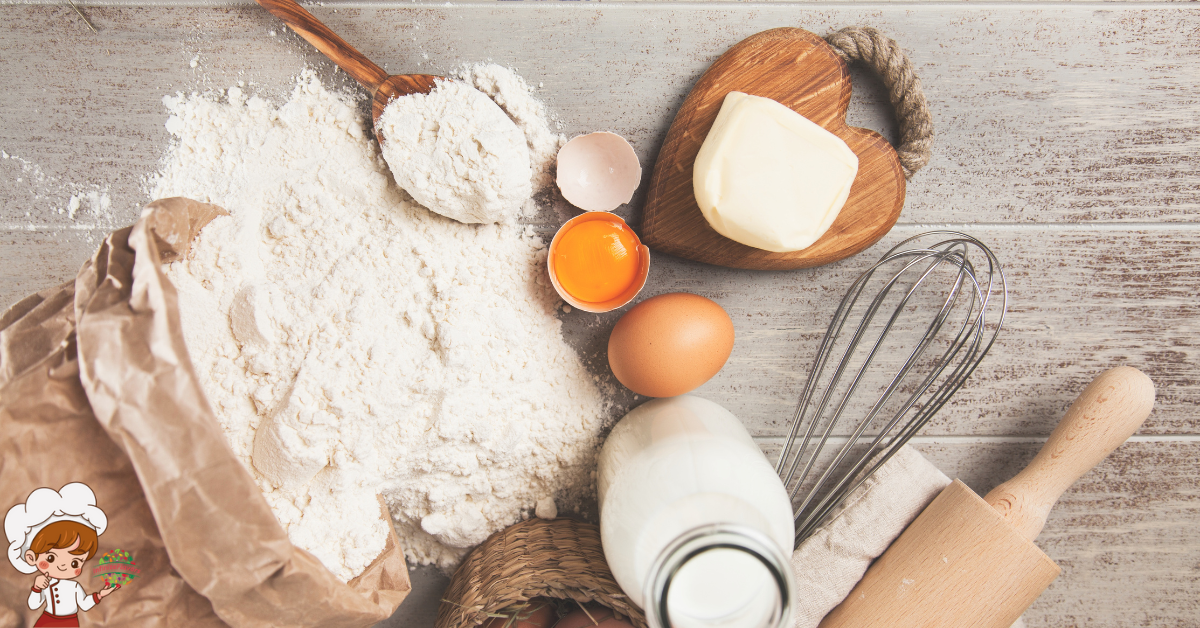
When you're making homemade pizza, choosing the right flour can make all the difference in achieving the perfect crust. The flour types you select will directly impact the texture, taste, and overall quality of your pizza. For a chewy, elastic crust, you'll want to focus on flour with a higher gluten content. Bread flour, for example, typically has around 12-14% protein, which promotes gluten development and gives your crust that desirable chewiness.
If you prefer a lighter, crispier crust, you might opt for all-purpose flour, which has a gluten content of about 10-12%. While it can still produce a great pizza, the texture won't be as chewy as with bread flour. There's also 00 flour, often used in traditional Neapolitan pizza. It's finely milled and has a higher protein content, making it perfect for achieving that authentic pizzeria-style crust.
Experimenting with different flour types can yield exciting results, so don't hesitate to mix them! You could combine all-purpose and bread flour to find a balance that suits your taste. Just remember, the higher the gluten content, the more stretch and elasticity you'll get in your dough.
Ultimately, your choice of flour is essential in the pursuit of pizza perfection. Keep these tips in mind, and you'll be well on your way to creating a delicious crust that'll impress your family and friends. Enjoy the process, and happy pizza making!
Mastering the Dough
To master your pizza dough, you need to start with the right flour that suits your style. Once you've got that down, focus on proper kneading techniques to develop the perfect texture. Finally, pay attention to ideal rising conditions to guarantee your dough reaches its full potential.
Choosing the Right Flour
Selecting the right flour is essential for achieving that perfect pizza dough, as it directly affects the texture and flavor of your crust. Start by considering flour types; all-purpose flour is versatile, but for a chewier crust, you might opt for bread flour, which has higher gluten content. If you're after a more artisanal flavor, specialty blends can elevate your pizza experience.
Pay attention to hydration levels too; different flours absorb water differently, so you may need to adjust your recipe accordingly. For unique flavor profiles, explore organic options or local sources that offer freshly milled flour.
When choosing flour, think about how it'll impact your dough. Higher protein flours create a stretchy, chewy texture, while lower protein ones will yield a softer crust. Don't forget about storage tips; keep your flour in a cool, dark place to maintain freshness and prevent spoilage.
Proper Kneading Techniques
After you've chosen the right flour, the next step is mastering the kneading process, which plays an essential role in developing your dough's texture. Proper kneading helps create gluten, giving your pizza crust that desirable chewiness. Start by combining your ingredients and evaluating your dough hydration. If it feels too sticky, sprinkle in a little extra flour; if it's too dry, add a bit of water gradually.
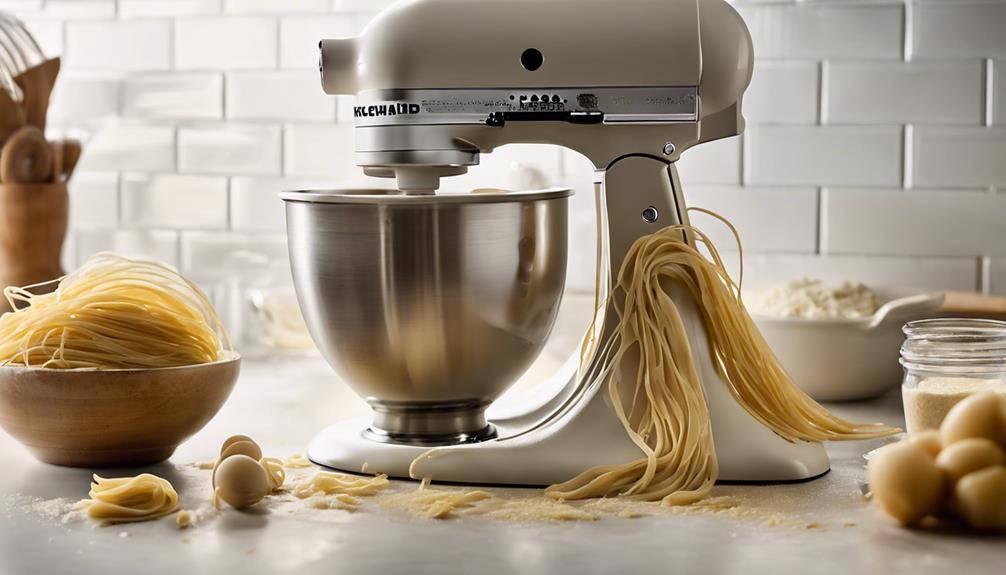
When it comes to kneading methods, you can choose between the traditional hand-kneading technique or using a stand mixer. For hand-kneading, push the dough away from you with the heels of your hands, fold it over, and repeat for about 8-10 minutes. If you opt for a stand mixer, use the dough hook attachment on medium speed for about 5-7 minutes.
Regardless of the method, you want the dough to become smooth and elastic. Once you achieve that perfect consistency, let it rest briefly before shaping. This will allow the gluten to relax, making it easier to stretch your dough into a perfect pizza base. Mastering these kneading techniques sets you up for pizza success!
Ideal Rising Conditions
Creating the perfect environment for your dough to rise is vital for achieving that light, airy crust you crave. Start by finding a warm, draft-free area in your kitchen. Ideally, your dough should rise at temperatures between 75°F and 80°F (24°C to 27°C) for ideal fermentation time. If it's too cold, the yeast will take longer to work; too hot, and you risk killing it.
Humidity control is also important. A moist environment helps the dough maintain its elasticity. If your kitchen is dry, try placing a bowl of water near the dough or covering it with a damp cloth. This will keep the surface from drying out and create a perfect atmosphere for rising.
Allow your dough to rise until it has doubled in size, which usually takes about 1 to 2 hours, depending on the temperature and humidity. For even better results, consider a slow rise in the refrigerator overnight. This enhances flavor and texture, making your pizza crust even more delicious. Keep a close eye on it, and once it's ready, you'll be well on your way to homemade pizza perfection!
Perfecting the Sauce
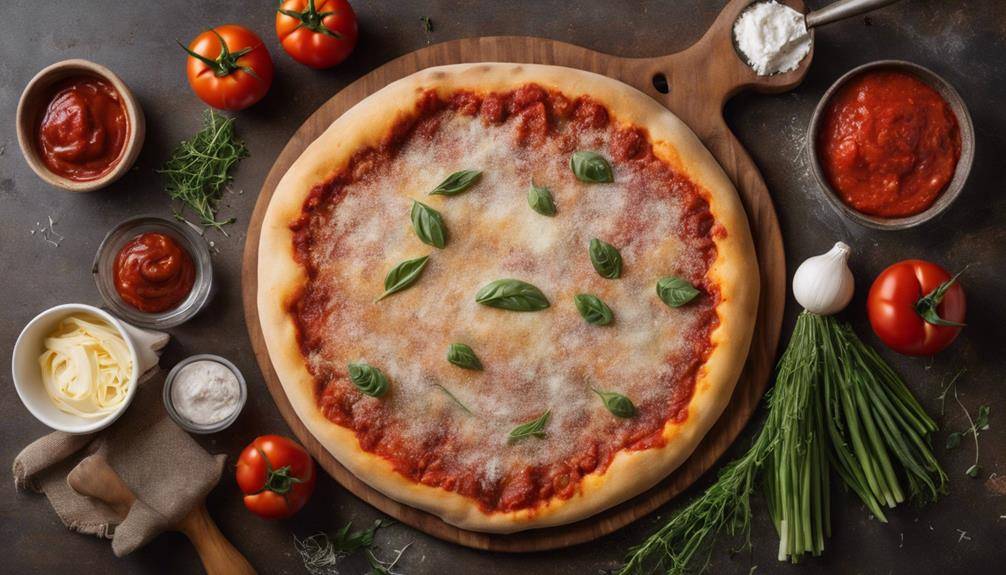
While a great pizza crust is essential, the sauce you choose can elevate your homemade pizza to new heights. The right sauce not only complements your toppings but also enhances the overall flavor profile. Start by selecting your sauce ingredients wisely. A classic marinara made from crushed tomatoes, garlic, olive oil, and fresh herbs works wonderfully, but you can experiment with variations like spicy arrabbiata or creamy Alfredo.
When it comes to sauce consistency, you want to strike a balance. If your sauce is too watery, it can make your crust soggy, while a sauce that's too thick may overwhelm the pizza. To achieve the perfect consistency, consider cooking your sauce on low heat for a short time to reduce excess liquid. You can also add a pinch of sugar to cut the acidity of the tomatoes, giving you a smoother flavor and texture.
Don't forget to season your sauce! A touch of salt, pepper, and your favorite spices like oregano or basil can make a world of difference. Once you've perfected your sauce, spread it evenly over your crust, leaving a little room at the edges for that nice crusty finish. Remember, the right sauce can bring your pizza to life, so take the time to craft it just right. Your taste buds will thank you!
Selecting Toppings Wisely
Toppings can make or break your homemade pizza, so choosing them wisely is crucial. Start by considering seasonal ingredients; they not only taste fresher but also enhance your pizza's overall flavor. Think about how different toppings can create appealing flavor combinations. For example, pairing sweet figs with salty prosciutto offers a delightful contrast that excites the palate.
Don't shy away from unconventional toppings, like roasted garlic or pickled vegetables, which can elevate your pizza to new heights. These unique ingredients can surprise and delight your guests, making the meal memorable. Additionally, consider texture contrasts—mixing crunchy vegetables with creamy cheeses can create a satisfying bite.
It's also important to think about dietary preferences. Offering a variety of toppings, including vegetarian, vegan, or gluten-free options, guarantees everyone can enjoy your homemade creation. If you're feeling adventurous, explore regional styles—like a classic Margherita or a spicy Sicilian. Each style can inspire your topping choices and give your pizza a distinct character.
Lastly, don't forget about the presentation. Arrange your toppings thoughtfully; a well-decorated pizza not only looks appetizing but also makes the experience more enjoyable. Drizzling homemade sauces over the top just before serving can add a beautiful finishing touch, enhancing both flavor and aesthetics. By thoughtfully selecting your toppings, you'll create a pizza that's not just delicious but also visually stunning.
Click Here and Turn Every Masterpiece into a Showstopper!
Preheating Your Oven
When it comes to making a great pizza, preheating your oven is essential. You'll want to set it to the ideal temperature to achieve that perfect crust. If you have a pizza stone, using it can elevate your pizza game even further.
Optimal Temperature Settings
To achieve that perfect crust, you've got to preheat your oven to the right temperature. Most home ovens should be set between 475°F and 500°F for ideal results. However, it is important to check your oven calibration, as some models can be off by significant degrees. If you've noticed uneven baking or inconsistent results, consider investing in an oven thermometer to guarantee accuracy.
Once you've set the temperature, give your oven ample time to preheat. This step is vital for even heat distribution, which allows your pizza to cook uniformly. A hot oven will help achieve that crispy crust while keeping the toppings perfectly cooked.
Keep in mind that every oven behaves differently, so you might need to adjust your settings based on your specific appliance. If you're using a convection setting, you can lower the temperature slightly, but be mindful of how this affects cooking time.
Use a Pizza Stone
A pizza stone can elevate your homemade pizza game, especially when paired with the right oven temperature. The pizza stone benefits include even heat distribution and a crispy crust that's hard to achieve otherwise. To maximize these benefits, preheat your oven with the stone inside, allowing it to reach the ideal pizza stone temperature—around 475°F to 500°F.
When it comes to pizza stone thickness, thicker stones retain heat better, while thinner alternatives may heat up faster but could lead to uneven cooking. Position your stone on the middle rack to get the best airflow and heat circulation.
For effective pizza stone usage, remember to let your stone cool down gradually after baking. Sudden temperature changes can crack it. Regular pizza stone maintenance involves cleaning it after each use. Use a scraper to remove any stuck bits and wipe it down with a damp cloth. Avoid soaps, as they can absorb into the stone. If you're in a pinch, consider pizza stone alternatives like cast iron or baking sheets, but nothing quite matches the authentic results from a pizza stone.
Baking Techniques
While mastering baking techniques can seem intimidating, you'll find that a few simple tips can elevate your homemade pizza to pizzeria quality. First, pay attention to your dough hydration. A higher hydration percentage can lead to a lighter, airier crust, while lower hydration gives you a denser texture. Experiment with your ingredient ratios to find the perfect balance for your taste.
Next, don't underestimate the importance of fermentation time. Allowing your dough to rise longer enhances its flavor and texture. Aim for at least 24 hours in the fridge if you want a complex taste. When it comes to shaping techniques, stretch your dough gently to avoid deflating the air bubbles that form during fermentation.
Baking times can vary depending on your oven and crust thickness. A thinner crust typically bakes faster, around 10-12 minutes, while thicker crusts can take 15-20 minutes. Keep an eye on your pizza, and look for that golden-brown color.
Oven placement also plays a significant role. Position your pizza stone in the middle or lower part of the oven to guarantee even heat distribution. Finally, consider flavor pairing when selecting toppings. Fresh ingredients can enhance your pizza's overall taste and make each bite memorable. By mastering these baking techniques, you'll be well on your way to achieving pizza perfection right in your kitchen!
Letting It Rest
Letting your pizza dough rest is essential for achieving that perfect texture and flavor. When you mix your ingredients, the gluten in the flour begins to develop. However, it needs time to relax after kneading. This is where resting time comes in. By allowing your dough to rest, you enhance its elasticity, making it easier to stretch without tearing.
During this resting period, the dough's hydration also plays a critical role. The moisture from the water in the dough gets evenly distributed, resulting in a more uniform texture. If you skip this step, you might end up with a chewy crust instead of the light, airy one you desire. Aim for a resting time of at least 30 minutes to an hour, but longer is even better. Some pizza enthusiasts let their dough rest overnight in the fridge, which develops even deeper flavors.
To make the most of your resting time, cover your dough with a damp cloth or plastic wrap to prevent it from drying out. You can also lightly oil the surface to keep it moist. Once the resting time is over, you'll notice that your dough is softer and much easier to work with. This slight patience pays off, as you'll end up with a beautifully textured crust that holds up to all your favorite toppings. So, before you start shaping your pizza, remember to give your dough the rest it deserves!
Click Here and Turn Every Masterpiece into a Showstopper!
Frequently Asked Questions: Essential Tips For Homemade Pizza Perfection
Can I Make Pizza Dough in Advance and Freeze It?
Yes, you can make pizza dough in advance and freeze it! Just follow proper pizza dough preparation methods and use effective freezing techniques. Thaw it in the fridge overnight before you're ready to bake.
What Type of Cheese Melts Best on Homemade Pizza?
For the best melt on homemade pizza, try cheese varieties like mozzarella or provolone. Their high melting point guarantees a gooey texture that complements your toppings, making every bite deliciously satisfying and perfectly cheesy.
How Do I Prevent Soggy Pizza Crust?
To prevent a soggy pizza crust, adjust your crust thickness and use effective baking techniques. Bake on a preheated pizza stone, or use a hot oven to guarantee a crispy bottom while cooking evenly.
What Herbs Can Enhance My Pizza's Flavor?
To enhance your pizza's flavor, try herb combinations like basil and oregano for classic profiles, or experiment with rosemary and thyme for a unique twist. Fresh herbs can elevate your dish, making it truly memorable.
How Do I Properly Store Leftover Pizza?
To properly store leftover pizza, wrap it tightly in plastic wrap or aluminum foil. Use pizza storage methods like airtight containers. For reheating, try baking in the oven for crispy slices or microwaving for quick meals.

Conclusion
By following these eight essential tips, you're well on your way to homemade pizza perfection. Remember, the right flour and dough technique set the foundation, while a great sauce and thoughtful toppings elevate your pie. Don't forget to preheat your oven and master your baking techniques for that perfect crust. Finally, letting your pizza rest allows the flavors to meld beautifully. So, roll up your sleeves, get creative, and enjoy every delicious slice you make!