Why Choose Seafood For Your Homemade Pizza
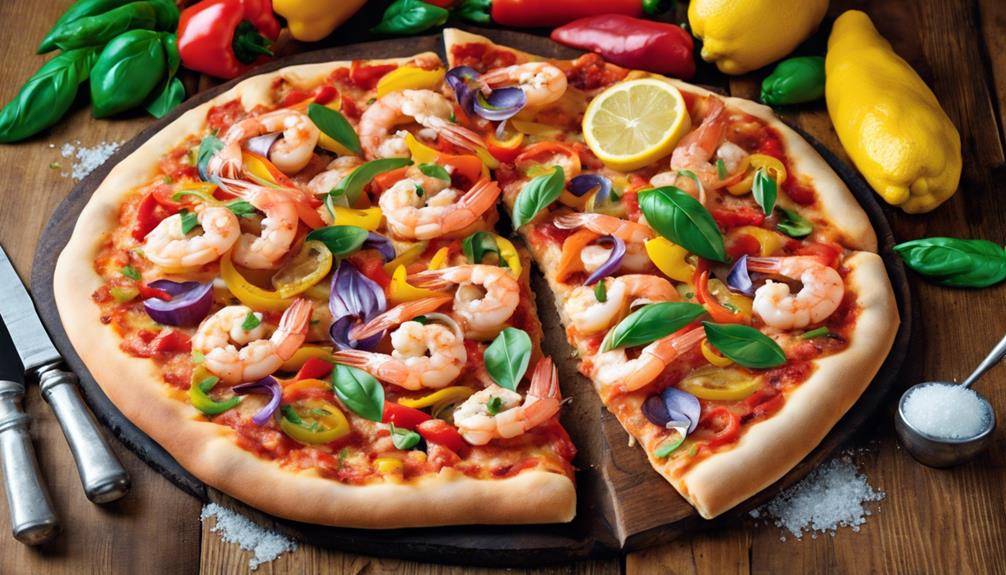
Why Choose Seafood For Your Homemade Pizza: Choosing seafood for your homemade pizza brings unique flavors and nutritional benefits. With toppings like shrimp, scallops, and smoked salmon, you can introduce unexpected taste combinations that excite your palate. Seafood is low in calories but high in protein and omega fatty acids, making it a guilt-free option. Plus, it pairs beautifully with various cheeses and sauces, allowing for culinary creativity. You can easily customize your pizza to fit any dietary preferences, too. Ready to explore exciting flavor pairings and tips for the perfect seafood pizza? You might discover something special for your next cooking adventure!
Unique Flavor Combinations
Click Here and Turn Every Masterpiece into a Showstopper!
When you think about pizza, seafood might not be the first topping that comes to mind, but it can create some unique flavor combinations you won't want to miss. Imagine sinking your teeth into a perfectly baked pizza crust topped with shrimp marinated in garlic and lemon. The fresh, zesty flavor of the seafood marinades complements the crust beautifully, elevating your pizza experience to new heights.
You can experiment with various seafood options, from tender calamari to savory anchovies. Each choice brings its own texture and taste to the dish. For instance, pairing smoked salmon with cream cheese and capers on a thin crust gives you a delightful twist reminiscent of a bagel but in pizza form. Don't overlook the potential of a white sauce base—this can enhance the flavors of shellfish like scallops or mussels, making every bite a savory delight.
To take it a step further, consider how you season your seafood. A spicy marinara or a tangy pesto can add depth and character, while sweet chili sauce can balance the flavors nicely. The right combination can turn your pizza into a culinary masterpiece that surprises and delights your taste buds.
Nutritional Benefits
Why consider seafood as a pizza topping? The answer lies in its impressive nutritional benefits. Seafood isn't just a delicious alternative; it's packed with health benefits that make your homemade pizza even better. First off, seafood is an excellent source of protein, essential for muscle repair and overall health. Unlike many meat options, seafood tends to be low in calories, making it a guilt-free choice for your pizza.
One of the standout features of seafood is its high content of omega fatty acids. These healthy fats are important for heart health, reducing inflammation, and lowering the risk of heart disease. Incorporating seafood into your diet can help maintain a healthy heart, thanks to these beneficial fats.
In addition to omega fatty acids, seafood is rich in vitamins and minerals. You'll find significant nutrients like vitamin B12, which supports brain function, and selenium, an antioxidant that helps protect your cells. The mineral richness in seafood contributes to stronger bones and a healthier immune system.
When you choose seafood for your pizza, you're not just satisfying your taste buds; you're fueling your body with essential nutrients. So next time you're crafting that perfect pie, consider topping it with shrimp, anchovies, or crab. You'll enjoy a delicious meal that's bursting with flavor and brimming with health benefits. Your body will thank you!
Versatility of Seafood
Seafood's impressive nutritional profile isn't just about health benefits; it also brings remarkable versatility to your pizza creations. When you reflect on seafood varieties, the options are nearly endless. You can choose from shrimp, scallops, anchovies, calamari, or even smoked salmon. Each of these options allows you to experiment with flavors and textures, making your pizza unique and delicious.
Incorporating seafood into your pizza lets you draw inspiration from various culinary traditions around the globe. For instance, a classic Italian pizza might feature fresh clams, garlic, and parsley, while a Mediterranean take could include grilled octopus, olives, and feta cheese. If you're in the mood for something spicy, you can add some Cajun-seasoned shrimp for a kick.
The beauty of seafood is that it pairs well with many different toppings, sauces, and crusts. You can create a lighter pizza with a thin crust topped with fresh seafood and a drizzle of olive oil. Alternatively, you could go for a heartier option with a thicker crust and a rich seafood marinara sauce.
Don't forget to explore seasonal seafood varieties, as they can elevate your pizza experience even further. Whether you use fresh fish during peak season or incorporate preserved options like canned tuna, you're bound to impress your family and friends. So go ahead—get creative and let the versatility of seafood lead your next pizza night!
Pairing With Cheeses
When you think about seafood pizza, the right cheese can make all the difference. Explore the best cheese pairings that enhance both flavor and texture, ensuring a melt-in-your-mouth experience. Let's uncover some exciting combinations that will elevate your pizza game!
Best Cheese Pairings
Finding the right cheese to complement your seafood pizza can elevate your dish from good to unforgettable. When it comes to cheese varieties, you've got some fantastic options. For a classic choice, mozzarella provides a creamy texture and mild flavor, allowing the seafood to shine. If you're looking for something bolder, consider using feta. Its crumbly texture and tangy taste pair beautifully with shrimp or scallops.
Another great option is a blend of cheeses. Combining mozzarella with provolone can create a delightful balance of creaminess and sharpness. This combo works well with various seafood toppings, enhancing their flavors without overpowering them.
Don't forget about gouda! Its smooth, buttery texture and slightly sweet taste can add a unique twist to your pizza. For a more adventurous flavor, try a sprinkle of gorgonzola or blue cheese. These stronger cheese varieties bring depth and richness to your seafood pizza, especially when combined with ingredients like spinach or artichokes. Experimenting with different cheese textures and flavors is key to crafting the perfect seafood pizza that'll wow your taste buds.
Flavor Combinations to Explore
Exploring unique flavor combinations can transform your seafood pizza into a culinary masterpiece. Start by considering seafood marinades that infuse your toppings with bold flavors. Think about herb infusions like dill or basil, which can elevate the taste profile of shrimp or crab. For a zesty twist, incorporate citrus accents—lime or lemon zest can brighten the overall dish.
Don't shy away from spicy toppings, such as jalapeños or crushed red pepper, to create exciting flavor contrasts with the more subtle seafood notes. Pair these with gourmet drizzles like a garlic-infused olive oil or chipotle aioli for an extra punch.
Experiment with unconventional bases, like a cauliflower crust or a herbed focaccia, to complement your seafood selection. Seasonal ingredients, like fresh tomatoes in summer or roasted butternut squash in fall, can enhance your pizza's flavor while keeping it fresh.
Draw inspiration from global influences—try a Thai-inspired pizza with coconut and chili, or a Mediterranean-style with olives and feta. By blending traditional recipes with innovative techniques, you'll create a seafood pizza that's not just a meal, but a flavorful experience.
Texture and Melting Qualities
The right cheese can make or break your seafood pizza, so it's essential to evaluate both texture and melting qualities. When pairing cheese with seafood, consider how the cheese's texture contrast enhances the dish. For instance, soft cheeses like mascarpone or ricotta can bring creaminess that beautifully complements the flaky nature of fish or the tenderness of shrimp.
On the other hand, harder cheeses like aged Parmesan or Pecorino add a delightful crunch, creating an interesting balance against softer seafood. This contrast not only elevates the overall mouthfeel but also adds depth to every bite.
Melting point plays a significant role too. Cheeses with a lower melting point, like mozzarella or fontina, create that gooey, stretchy quality that many crave on pizza. These cheeses meld well with seafood, ensuring they don't overpower the delicate flavors.
Cooking Techniques
When it comes to cooking seafood for your pizza, the choice between grilling and baking can really impact the flavor. Each technique has its strengths, so you'll want to contemplate how they enhance the seafood's natural taste. Plus, pairing these cooking methods with the right flavors will elevate your pizza to a whole new level.
Grilling Vs. Baking Techniques
Grilling and baking are two popular techniques that can elevate your seafood pizza game. Each method offers unique advantages, so it's worth considering which one suits your style best. When you opt for grilling methods, you're infusing your pizza with a smoky, charred flavor that's hard to replicate. The high heat of a grill cooks your seafood quickly, ensuring it retains its moisture. Just make sure to use a pizza stone or a grilling tray to prevent any toppings from falling through the grates.
On the other hand, baking techniques provide a more consistent heat, allowing for even cooking. With an oven, you can achieve that perfect golden crust while ensuring your seafood is cooked thoroughly. Plus, you can control the temperature more easily, which is essential for delicate seafood like shrimp or scallops.
Ultimately, your choice between grilling and baking depends on the flavors you're aiming for and the type of seafood you use. Whether you go for that smoky grill or the reliable oven, both methods promise delicious results for your seafood pizza masterpiece.
Flavor Pairing Strategies
Creating a delicious seafood pizza hinges on effective flavor pairing strategies. Start by selecting the right seafood; shrimp, scallops, and anchovies all bring unique tastes that can elevate your pie. To enhance these flavors, use seafood spices like garlic, lemon zest, and fresh herbs such as basil or parsley. These ingredients not only complement the seafood but also create a vibrant aroma.
Next, think about your sauce and cheese choices. A light tomato or white sauce can work wonders. If you're using a white sauce, consider adding a hint of creaminess with ricotta or mozzarella. This combination helps achieve a flavor balance that highlights the seafood without overwhelming it.
Don't forget about vegetables! Ingredients like spinach, artichokes, or bell peppers can add texture and freshness, providing a counterpoint to the seafood. Just remember to sauté them lightly to release their flavors before adding them to your pizza.
Popular Seafood Options
Seafood toppings can elevate your pizza experience, adding unique flavors and textures that traditional options might lack. When exploring popular seafood options, you'll discover a variety of delicious ingredients that can transform your homemade pizza into a culinary delight.
Start with shrimp varieties; they're versatile and can be grilled, sautéed, or even tossed in a spicy marinade. Anchovy options offer a bold, umami kick, perfect for those who love a savory punch. For a sweeter touch, consider crab flavors, which bring a delicate sweetness that pairs beautifully with creamy sauces.
Don't overlook scallop choices; these tender morsels can add a touch of luxury to your pizza. Mussel benefits include not only their briny flavor but also their impressive nutrient profile, making them a healthy choice. For a unique twist, explore squid types—grilled or fried, they add a delightful chewiness.
Fish selections like smoked salmon can introduce a rich, smoky flavor, while lobster toppings provide an indulgent touch that's bound to impress. For something lighter, try oyster pairings; their subtle brininess complements many pizza styles. Finally, tuna uses can range from fresh sashimi-style slices to flavorful canned options, offering flexibility in your pizza creations.
With these seafood options, your homemade pizza can become a delicious seafood feast that'll excite your taste buds and impress your guests. So, get creative and let the ocean inspire your next pizza night!
Regional Seafood Pizzas
Exploring regional seafood pizzas can open up a world of flavors that reflect local traditions and ingredients. Each region offers its unique spin on this classic dish, showcasing coastal favorites and seasonal seafood. For instance, if you're in the Mediterranean, you might find pizzas topped with fresh anchovies, olives, and a drizzle of olive oil, capturing the essence of the sea.
In the Pacific Northwest, local ingredients like smoked salmon and cream cheese can take center stage, giving a delightful nod to traditional recipes. You could even experiment with cultural twists, such as adding fresh dill or capers to enhance the flavors. The artisanal approaches taken by local pizzerias often highlight these regional variations, ensuring that every bite tells a story of its origin.
Traveling south to the Gulf Coast, you might encounter shrimp and crab pizzas bursting with zesty flavors. Here, the use of seasonal seafood and spices creates a deliciously unique experience. Each region's pizza reflects its coastal heritage and the bounty of the sea, inviting you to indulge in these delectable offerings.
Whether you're in Italy savoring a classic Margherita with a seafood flair or enjoying a New England clam pizza, regional seafood pizzas allow you to enjoy the rich culinary tapestry of cultures and flavors. So, why not bring these inspirations into your own kitchen and create a pizza that celebrates the sea's diverse bounty?
Sustainable Seafood Choices
When you're choosing toppings for your seafood pizza, considering sustainable seafood options can make a big difference. By opting for seafood that's sourced responsibly, you contribute to the health of our oceans and promote eco-friendly sourcing practices. This not only supports marine ecosystems but also guarantees that you're enjoying fresh, high-quality ingredients on your pizza.
Start by looking for seafood that carries sustainability certifications, such as the Marine Stewardship Council (MSC) or the Aquaculture Stewardship Council (ASC). These labels indicate that the seafood comes from fisheries or farms that prioritize responsible fishing practices and environmental stewardship. You'll feel good knowing that your choices help protect fish populations and their habitats for future generations.
Another great way to select sustainable seafood is by consulting local guides or apps that provide information on sustainable seafood choices in your area. These resources can help you identify which species are abundant and which ones to avoid. Additionally, consider supporting local fish markets or co-ops that focus on eco-friendly sourcing. By purchasing directly from these sources, you can often learn about the fishing methods used and guarantee that your seafood is both fresh and sustainably harvested.
Incorporating sustainable seafood into your homemade pizza not only enhances the flavor but also aligns with your values. So, the next time you're topping your pizza, remember that choosing sustainably sourced seafood can make a delicious impact on both your meal and the planet.
Click Here and Turn Every Masterpiece into a Showstopper!
Enhancing Texture
When you think about seafood on pizza, consider how it can enhance texture in unique ways. You'll find that the contrast between crunchy toppings like fried calamari and chewy options like shrimp can elevate your experience. Different flavor profiles also play a role, making each bite an exciting adventure.
Unique Flavor Profiles
Seafood toppings bring a unique blend of flavors and textures to pizza, transforming a classic dish into an exciting culinary experience. When you choose seafood, you're not just adding protein; you're introducing a world of flavor infusions that elevate your pizza to new heights. Think about the fresh taste of shrimp or the briny goodness of anchovies—these ingredients can create a delightful contrast with your cheese and sauce.
To truly enhance the flavors, consider using seafood marinades. A simple garlic and lemon marinade can infuse your shrimp with a zesty kick, while a spicy Asian-inspired marinade can give your squid a unique twist. The beauty of seafood toppings lies in their versatility; they adapt well to various flavors, allowing you to experiment with different combinations.
As you layer your seafood onto the dough, you'll notice how each topping contributes to a complex flavor profile. The sweetness of crab meat pairs beautifully with a tangy tomato sauce, while smoked salmon adds a rich, savory depth. By embracing seafood, you're not just making pizza; you're crafting a memorable dining experience that excites the palate.
Crunchy Vs. Chewy
The texture of your pizza can make all the difference, especially when pairing seafood toppings. You'll want to think about how crunchy crusts and chewy textures interact with the flavors of your chosen seafood. A crunchy crust can provide a satisfying contrast to delicate seafood like shrimp or crab, enhancing each bite. It adds a delightful crunch that complements the tender, flaky nature of the seafood.
On the other hand, chewy textures can create a more hearty experience. If you opt for a thicker, chewy crust, you'll enjoy a substantial base that holds up well against toppings like mussels or calamari. This combination makes for a filling meal, where the chewy dough absorbs the flavors of the seafood and sauce.
When deciding between these two textures, consider your personal preference and the type of seafood you're using. A crunchy crust might be perfect for lighter seafood, while a chewy base can be ideal for richer, more robust toppings. Ultimately, the right texture will elevate your pizza, making each bite a delightful experience. So, experiment and find the perfect balance that satisfies your cravings!
Complementing Sauces
While crafting the perfect seafood pizza, choosing the right sauce can elevate your dish to new heights. The sauce serves as a foundational element, harmonizing with the delicate flavors of seafood. Consider going beyond the traditional marinara and explore various sauce variations that can transform your pizza experience.
For a fresh twist, you might try a garlic-infused olive oil. This light, aromatic sauce allows the seafood's natural flavors to shine through. Alternatively, a creamy white sauce, perhaps with a hint of lemon or dill, complements shrimp and scallops beautifully. It adds richness while balancing the seafood's sweetness.
If you're feeling adventurous, experiment with a spicy arrabbiata sauce. The kick of heat can enhance the briny notes of clams or mussels, creating a delightful contrast. You could also consider a pesto base, which pairs wonderfully with fish like salmon or anchovies, bringing an herby freshness to your pizza.
When it comes to sauce pairings, think about how each sauce interacts with your chosen seafood. For example, a robust tomato sauce pairs well with heartier fish, while lighter sauces suit shellfish better. Don't hesitate to mix and match; you might discover a unique combination that pleases your palate.
Creative Presentation Ideas
Often, a visually appealing presentation can make your seafood pizza even more enticing. When you take the time to focus on plating techniques, you'll elevate your dish from ordinary to extraordinary. Start by choosing a vibrant plate that contrasts with your pizza's colors. A simple white or dark plate can make the seafood toppings pop, drawing attention to the fresh ingredients.
Next, think about the arrangement of your pizza. Instead of cutting it into traditional slices, consider presenting it whole on the plate for a stunning centerpiece. You can then cut it into wedges just before serving, maintaining that fresh look. If you have excess seafood, scatter a few pieces around the pizza for a creative touch.
Garnishing ideas can further enhance your presentation. Fresh herbs like basil or parsley can add a burst of color and a hint of flavor. A drizzle of olive oil or balsamic glaze around the plate can create an elegant finish. If you're using a spicy seafood mix, a sprinkle of red pepper flakes not only adds visual interest but also a hint of heat.
Don't forget about textures! Adding a side of lightly dressed greens or a colorful salad can provide balance and contrast, making the seafood pizza even more appealing. By incorporating these plating techniques and garnishing ideas, you can turn your homemade seafood pizza into a feast for both the eyes and the palate.
Dietary Considerations
Taking dietary restrictions into account is essential when preparing seafood pizza, as it guarantees everyone can enjoy the dish. When you're planning your pizza night, keep in mind that seafood can provoke allergies in some individuals. Shellfish, like shrimp and crab, are common culprits. Be sure to have an allergies awareness checklist to inform your guests about the ingredients you'll be using. This way, you can help them feel safe and included.
You should also reflect on dietary preferences such as vegetarianism or veganism. While seafood pizza is a treat for many, some might prefer plant-based options. You can accommodate these preferences by preparing a separate pizza with dairy-free cheese and a variety of vegetables. This guarantees that everyone at the table can partake in the meal without feeling left out.
When it comes to dietary restrictions, gluten intolerance is another factor to reflect on. You can easily make a gluten-free pizza crust using alternatives like cauliflower or almond flour. This way, you don't have to compromise on taste or texture while guaranteeing that your gluten-sensitive friends can enjoy your culinary creation.
Lastly, reflect on the nutritional aspect of your seafood choices. Opt for sustainable fish and seafood options that are rich in omega-3 fatty acids, promoting heart health. By taking these dietary considerations into account, you'll create a seafood pizza experience that's inclusive, delicious, and mindful of everyone's needs. Enjoy your cooking, and remember that thoughtful preparation can make all the difference!
Perfect Wine Pairings
When you're enjoying a seafood pizza, choosing the right wine can elevate your dining experience to new heights. The fresh flavors of seafood can be complemented beautifully by a well-thought-out wine selection. To enhance your pizza's taste, consider these pairing tips.
If your pizza features shrimp or scallops, a crisp white wine like Sauvignon Blanc or Pinot Grigio is a fantastic choice. These wines have bright acidity that balances the richness of the seafood without overpowering it. On the other hand, if you're indulging in a pizza topped with smoked salmon or anchovies, a light-bodied red wine like Pinot Noir can work wonders. Its subtle fruitiness and low tannins won't clash with the delicate flavors.
For those who prefer a sparkling option, Prosecco or Champagne is always a winner. The effervescence cuts through the richness of creamy seafood pizzas, making each bite feel invigorating. Don't shy away from experimenting, either; a dry rosé can also be a delightful companion, especially if your pizza includes a medley of seafood.
Kid-Friendly Seafood Options
Many kids can be picky eaters, but introducing them to seafood doesn't have to be a challenge. When you think of pizza, you might imagine traditional toppings like pepperoni or mushrooms, but seafood can be just as appealing, especially when you're mindful of your child's seafood preferences.
Start by choosing kid-friendly toppings that are mild in flavor and easy to eat. Shrimp is a great option; it's tender and can be seasoned lightly or sautéed to enhance its taste without overwhelming young palates. You can also try flaky white fish, like cod or tilapia, which can be shredded and scattered across the pizza. These options provide a gentle introduction to seafood, and their textures are likely to be more acceptable to kids.
Another fun choice is canned tuna or salmon. They're packed with nutrients and can easily be mixed with a bit of mayonnaise or cheese for added creaminess. This will make it more enticing for your little ones.
Don't forget about adding kid-friendly veggies like bell peppers or corn, which can complement the seafood and add color to the pizza. You can even let your kids help with the preparation, allowing them to choose their preferred seafood toppings. By doing this, you'll not only make the meal more fun but also encourage them to explore new flavors in a familiar setting. With a little creativity, seafood can become a beloved part of your family's pizza night!
Easy Homemade Recipes
If you're looking to whip up a quick seafood pizza at home, you're in the right place! We'll explore tasty combinations for your toppings and share cooking tips to help you get it just right. Get ready to impress your family and friends with these easy recipes!
Quick Seafood Pizza Base
Creating a quick seafood pizza base at home is easier than you might think. You don't need a lot of time or fancy equipment to whip up a delicious pizza crust that perfectly complements your favorite seafood toppings. Start with store-bought dough or make your own using simple ingredients like flour, water, yeast, and salt.
Once you've prepared your dough, roll it out to your desired thickness. A thinner crust will give you a crispier bite, while a thicker one will be more chewy. Preheat your oven to around 475°F (245°C) to guarantee your crust cooks evenly and becomes golden brown.
For added flavor, brush your rolled-out pizza crust with a bit of olive oil and sprinkle some garlic powder or Italian herbs before adding your seafood toppings. You can use shrimp, scallops, or even anchovies for a delightful twist. Bake the pizza for about 10-15 minutes until the crust is crispy and the seafood is cooked through.
In no time, you'll have a scrumptious seafood pizza that's not only quick to prepare but also impressive enough to serve to guests! Enjoy your homemade creation!
Flavorful Toppings Combinations
When it comes to seafood pizza, the right toppings can elevate your dish from ordinary to extraordinary. Start with a base of rich seafood marinara, which brings a savory depth that complements a variety of seafood. You can layer on shrimp, scallops, or even crab for a delightful mix of textures and flavors.
For a zesty kick, sprinkle some citrus zest over the top. The brightness of lemon or lime zest cuts through the richness of the seafood, adding a revitalizing contrast that'll make your taste buds dance.
Consider also adding some sautéed garlic and spinach for an extra layer of flavor. The garlic adds a fragrant aroma, while the spinach introduces a subtle earthiness.
Finally, don't forget about cheese! A blend of mozzarella and parmesan can create a gooey, golden finish that ties all the flavors together.
Experiment with these toppings, and you'll find the perfect combination that suits your palate. With seafood pizza, the possibilities are endless, so let your creativity shine and enjoy the delicious results.
Cooking Tips for Perfection
Perfecting your seafood pizza at home is all about mastering a few key techniques. Start with your ingredient selection; fresh seafood makes all the difference. Choose shrimp, scallops, or even anchovies, ensuring they're high quality. If you're using frozen seafood, thaw it properly to maintain texture.
Next, focus on cooking techniques. Pre-cook your seafood lightly before adding it to the pizza. This helps lock in flavors and prevents it from overcooking in the oven. Sauté shrimp in olive oil with garlic and a pinch of salt for a burst of flavor.
When it comes to the dough, consider using a pizza stone. Preheat your oven and the stone for a crispy crust. Roll out your dough thinly for a perfect base that can hold the toppings without becoming soggy.
Click Here and Turn Every Masterpiece into a Showstopper!
Frequently Asked Questions: Why Choose Seafood For Your Homemade Pizza
Can I Use Frozen Seafood for My Pizza Toppings?
Yes, you can use frozen seafood for your pizza toppings. Just verify you check the seafood freshness. Thaw it properly before adding, so it cooks evenly and enhances the overall flavor of your delicious pizza.
How Long Should Seafood Be Cooked Before Adding to Pizza?
You should cook seafood for about 5-10 minutes, depending on the cooking methods. Make certain it's fresh; overcooking can make it tough. Pre-cook shrimp or fish to keep the flavors vibrant on your pizza.
Are There Seafood Options Suitable for Gluten-Free Pizza?
There are plenty of seafood varieties that pair perfectly with gluten-free crusts. Shrimp, scallops, and anchovies work well, adding delicious flavor without compromising your dietary needs. Enjoy experimenting with these tasty options!
What Are the Best Seafood Seasonings for Pizza?
For the best seafood seasonings, try garlic, lemon, and dill. Combine these with seafood marinades for delicious flavor combinations. They'll elevate your pizza, making each bite burst with fresh, savory taste you won't forget.
Can I Use Canned Seafood for Pizza Toppings?
Yes, you can use canned seafood varieties for pizza toppings. They're convenient, packed with flavor, and offer seafood topping benefits like added protein and omega-3s. Just drain them well and enjoy a delicious twist on your pizza!

Conclusion
Choosing seafood for your homemade pizza opens up a world of unique flavors and health benefits. With its versatility, you can easily pair it with various cheeses and experiment with cooking techniques. Plus, seafood can cater to dietary preferences and even impress your guests with perfect wine pairings. Don't forget, there are kid-friendly options that make it fun for everyone. So, grab your favorite seafood and start creating delicious, memorable pizzas that everyone will love!