What Are Essentials Of Dessert And Wine Pairing
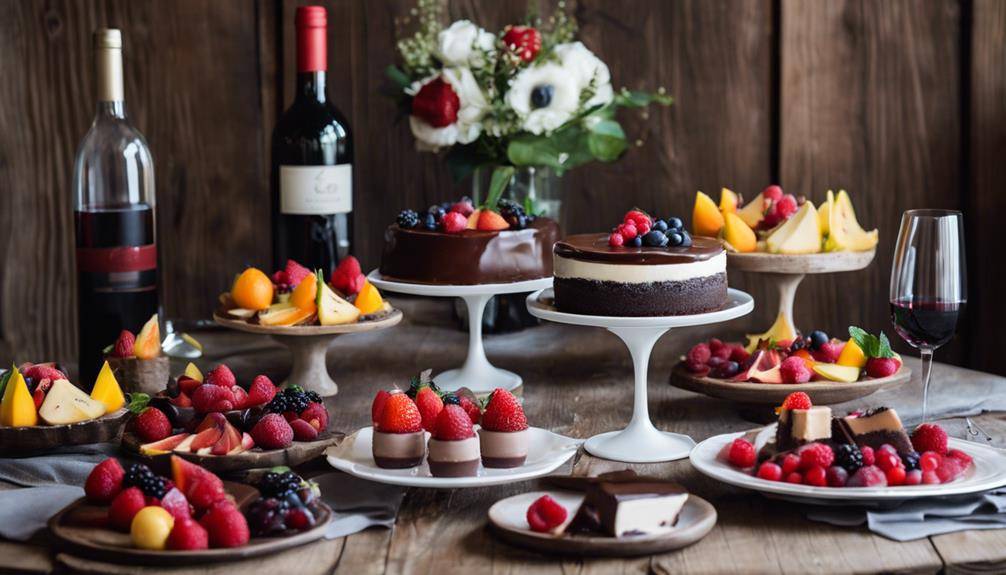
What Are Essentials Of Dessert And Wine Pairing: When pairing dessert and wine, start by understanding flavor profiles and sugar levels. Match the sweetness of your dessert with a similarly sweet wine for balance. Consider intensity; lighter desserts need delicate wines, while rich desserts call for fuller-bodied options. Think about complementary and contrasting flavors—rich chocolate with bold red, or tart lemon with sweet Prosecco. Don't forget textures; crunchy desserts shine with light wines, while creamy ones pair well with velvety options. Finally, explore seasonal and regional inspirations. If you want to enhance your pairing skills, there's plenty more to uncover!
Understanding Flavor Profiles
Click Here and Turn Every Masterpiece into a Showstopper!
When it comes to dessert and wine pairings, understanding flavor profiles can make all the difference. You'll want to reflect on the key dessert ingredients, such as fruits, chocolate, or nuts, and how they interact with wine characteristics. Flavor extraction from both desserts and wines plays an essential role in this pairing journey. For instance, a rich chocolate cake may benefit from a bold red wine that enhances the cake's deep flavors.
Your sensory perception also matters. Pay attention to the tasting notes of the wine and the dessert. A dessert with citrus notes might beautifully complement a crisp, acidic white wine, while a creamy dessert could call for a lush dessert wine. Additionally, cultural influences can shape your pairing choices. Certain regions have traditional dessert and wine combinations that have stood the test of time, providing rich inspiration.
Don't forget about seasonal pairings, as they can elevate your experience. Fresh berries in summer call for a light, fruity wine, while the heavy warmth of winter desserts might pair better with a full-bodied option. Also, think about ingredient sourcing; local, seasonal ingredients often yield desserts that harmonize beautifully with nearby wines.
Ultimately, the right dessert and wine pairing hinges on understanding these flavor profiles. By focusing on how the dessert ingredients mesh with the wine characteristics, you'll create memorable tasting experiences that delight your palate.
The Role of Sweetness
When pairing dessert with wine, sweetness plays an essential role in balancing flavor profiles. You need to take into account sugar levels, as they can enhance or clash with the wine's characteristics. By understanding how sweetness affects taste, you can elevate your dessert experience to a whole new level.
Balancing Flavor Profiles
In the world of dessert and wine pairing, sweetness plays a significant role in balancing flavor profiles. Different dessert types, such as rich chocolate cakes or light fruit tarts, require specific wine styles to complement their unique flavor components. For instance, a creamy cheesecake pairs beautifully with a sweet Riesling, as the wine's tasting notes enhance the dessert's texture and richness.
When considering seasonal pairings, think about how warmer months call for invigorating, fruity desserts paired with crisp, sweet wines. Serving temperatures also matter; a chilled dessert wine enhances the experience, making it perfect for lighter fare.
Don't overlook the food textures either—crunchy cookies might harmonize well with a sparkling wine, while silky mousses could find their match in a luscious dessert wine. Additionally, cultural influences can guide your choices; for example, Italian desserts often pair well with Italian wines, creating a cohesive dining experience.
Sugar Levels Matter
Understanding sugar levels is essential for successful dessert and wine pairings. When you think about pairing, consider the sugar types in both your dessert and wine. Sweet wines, like late-harvest Rieslings or Sauternes, work beautifully with desserts that match or slightly exceed their sweetness. If your cake has a high sugar content, a wine with a similar sweetness will enhance the experience.
On the other hand, if your dessert has lower sugar levels, you might want a wine that balances this with higher acidity levels. For instance, a tart lemon tart pairs well with a crisp, acidic white wine, cutting through the sweetness and providing a revitalizing contrast.
Pay attention to how different sugar types interact. Granulated sugar may create a different impact than honey or caramel, affecting the overall flavor and mouthfeel. If you ignore these nuances, your pairing could fall flat. So, next time you're planning a dessert and wine combination, remember to analyze the sugar levels and types to guarantee your choices elevate the experience instead of clashing.
Enhancing Taste Experience
Sweetness plays an essential role in enhancing your overall taste experience during dessert and wine pairings. When you indulge in a sweet dessert, the right wine can elevate those flavors, creating a harmonious balance. With the latest dessert trends leaning towards bold flavors and unique ingredients, understanding how sweetness interacts with different wine varieties is vital.
For instance, a rich chocolate cake paired with a sweet Port can amplify the dessert's depth, allowing the chocolate to shine. On the other hand, if you're enjoying a lighter fruit tart, a sparkling wine with a hint of sweetness, like Moscato, can complement the tartness beautifully without overwhelming your palate.
Matching Intensity Levels
When it comes to pairing dessert and wine, matching intensity levels is key to creating a harmonious experience. You want your wine and dessert to complement each other, rather than one overpowering the other. Start by evaluating the richness of your dessert; a light sorbet or fruit tart pairs well with a delicate wine, like a Riesling or a Moscato. Conversely, a rich chocolate torte calls for a fuller-bodied wine, such as a Port or a Cabernet Sauvignon.
Aroma considerations also play an important role in this pairing process. The wine's bouquet should enhance the dessert's fragrance, creating a delightful olfactory experience. For instance, a dessert with vanilla notes will pair beautifully with a wine that carries similar aromas, like an oaked Chardonnay.
Don't forget about serving temperatures, either. A chilled wine can elevate a lighter dessert, making every bite invigorating. However, warmer wines tend to bring out the deeper flavors of rich desserts. Make sure to serve your dessert and wine at their ideal temperatures to maximize the flavor profiles.
Complementary Vs. Contrasting Flavors
When pairing dessert and wine, you can choose between complementary and contrasting flavors to enhance your experience. Complementary flavors create a harmonious balance, while bold contrasts can make each element stand out. Understanding these dynamics will help you make more exciting and enjoyable choices.
Harmony in Flavor
Understanding the balance between complementary and contrasting flavors can elevate your dessert and wine pairing experience. When you focus on complementary flavors, you create flavor synergy. This means that the dessert and wine enhance each other, producing a harmonious profile that delights your palate. Think of a rich chocolate cake paired with a full-bodied red wine; the chocolate's sweetness and the wine's fruitiness create a seamless tasting experience.
On the other hand, contrasting flavors can also play a significant role in your pairing strategy. By choosing wines that offer a different taste profile than your dessert, you can achieve taste resonance. For example, a tart lemon tart with a sweet, bubbly Prosecco can provide a delightful clash of flavors that surprises and excites the senses. This approach invites you to explore the nuances of both the dessert and the wine, making each sip and bite a unique experience.
Ultimately, whether you lean toward complementary or contrasting flavors, understanding how they interact will help you craft pairings that are not only satisfying but also memorable. Embrace the journey, and enjoy discovering your personal flavor harmony!
Bold Flavor Contrasts
Exploring bold flavor contrasts can transform your dessert and wine pairings into unforgettable experiences. When you choose desserts with rich, sweet elements, consider pairing them with wines that offer acidity or tannins. For example, a luscious chocolate cake can be beautifully complemented by a zesty port or a dry red wine, creating a delightful balance between the dessert's sweetness and the wine's bold flavor profile.
On the flip side, if you opt for a lighter dessert, like a fruit tart, try a wine that's equally invigorating but has a contrasting richness, such as a creamy Chardonnay. This pairing plays with contrasting textures—crisp, fresh pastry against the smoothness of the wine—highlighting the unique qualities of both.
Don't shy away from experimenting with unexpected combinations. A spicy ginger cake might surprise you when paired with a sweet Riesling, while a decadent cheesecake could benefit from a robust, fruity Zinfandel. The key is to embrace these bold contrasts, allowing each sip and bite to elevate your overall tasting experience. By thoughtfully contrasting flavors and textures, you'll create memorable pairings that excite your palate.
Click Here and Turn Every Masterpiece into a Showstopper!
Regional Pairing Considerations
Many enthusiasts find that regional culinary traditions substantially influence dessert and wine pairings. When you consider terroir influences, it's clear that the specific characteristics of a region—its soil, climate, and even topography—affect both the ingredients used and the resulting flavors. For instance, wines from cooler climates often complement desserts made with seasonal ingredients like berries, while warmer climates may lend themselves to rich, caramel-based desserts.
Cultural traditions also play a significant role in shaping local pairings. In Italy, you might find a sweet Vin Santo paired with cantucci, highlighting the region's historical contexts and customs. Similarly, France's regional specialties, such as a buttery tart from Normandy, naturally pair with a local cider or dessert wine, creating a harmonious experience.
Seasonal ingredients are pivotal in making local pairings stand out. When sourcing ingredients from nearby farms, you not only support the community but also enhance the freshness of your desserts. Additionally, climate variations can impact the sweetness and acidity of both wines and desserts, allowing for a unique pairing each season.
Textures and Mouthfeel
Balancing textures and mouthfeel in dessert and wine pairings can elevate your tasting experience. When you consider the textures of both the dessert and the wine, you create a harmonious balance that enhances each element. For instance, a dessert with crunchy contrasts, like a nutty tart, pairs beautifully with a wine that has a light, frothy finish. This combination can bring out the best in both the dessert and the wine, making each bite and sip more enjoyable.
On the other hand, if you're indulging in a dessert with creamy indulgence, such as a rich chocolate mousse, you'll want to choose a wine that offers velvety textures. The smoothness of the wine complements the richness of the mousse, creating a luxurious experience on your palate. Similarly, desserts with airy lightness, like a delicate soufflé, can be paired with a wine that showcases silky smoothness. This pairing accentuates the ethereal nature of the soufflé without overwhelming it.
For desserts that exhibit dense richness, consider a wine with grainy elements, like a fortified wine, to provide a satisfying contrast. This interplay can enhance the dessert's depth. Remember, the goal is to create a synergy between the dessert and wine. By paying attention to these textures and mouthfeels, you'll craft pairings that not only taste great but also feel incredible on your palate, transforming a simple dessert into an unforgettable experience.
Experimenting With Combinations
While you might have your go-to dessert and wine pairings, experimenting with combinations can lead to delightful surprises. Embrace current dessert trends and explore how different wine varieties can elevate your sweet treats. Consider your palate preferences; what flavors do you enjoy? This can guide your pairing experiments.
Try seasonal pairings by matching desserts that reflect the flavors of the time. For instance, a rich chocolate cake can pair beautifully with a robust red wine during winter, while a light fruit tart might harmonize with a crisp white wine in summer. Don't shy away from cultural influences; for instance, pairing a spiced pumpkin pie with a sweet Riesling can introduce you to a wonderful fusion of tastes.
Dabble in various dessert styles, from creamy cheesecakes to airy meringues, and see how each interacts with different wine regions. Attend tasting events to expand your knowledge and gain inspiration from others. You might discover that a dessert you thought was too sweet can beautifully complement a dry sparkling wine, or that a buttery pastry finds its match in a rich dessert wine.
Ultimately, wine and dessert pairing is about flavor explorations. Don't hesitate to experiment; you might stumble upon a combination that becomes your new favorite. By trying out diverse pairings, you'll not only refine your preferences but also enhance your overall dining experience. So, grab some different wines and desserts, and start your pairing adventures!
Click Here and Turn Every Masterpiece into a Showstopper!
Frequently Asked Questions: What Are Essentials Of Dessert And Wine Pairing
What Are Some Common Dessert and Wine Pairing Mistakes to Avoid?
When pairing dessert and wine, avoid overly sweet wines with equally sweet desserts. Instead, look for contrasting flavors that balance richness and acidity, enhancing both the dessert's taste and the wine's profile for a harmonious experience.
How Do Serving Temperatures Affect Dessert and Wine Pairing?
Serving temperatures notably impact your dessert and wine pairing. When chilled, sweetness balance and acidity contrast become more pronounced, enhancing flavors. Warm temperatures may dull these elements, making your pairing less enjoyable. Keep it cool!
Are There Any Specific Dessert Styles That Pair Best With Wine?
Certain dessert styles, like creamy cheesecakes or fruity tarts, pair beautifully with wine. You'll find that their textures and flavor profiles complement each other, enhancing your tasting experience and making every bite and sip memorable.
Can Non-Alcoholic Wines Be Paired With Desserts Effectively?
Absolutely, you can pair non-alcoholic options with desserts effectively! Focus on matching flavor profiles—sweet treats complement fruity non-alcoholic wines, while richer desserts work well with creamy or chocolatey non-alcoholic varieties. Enjoy experimenting!
How Do Cultural Traditions Influence Dessert and Wine Pairings?
Cultural traditions shape your dessert and wine pairings, reflecting regional variations and cultural significance. You'll find diverse flavors and techniques that enhance the experience, making each pairing uniquely tied to its origins and customs.

Conclusion
When it comes to dessert and wine pairing, remember that it's all about balance and personal preference. By understanding flavor profiles, sweetness levels, and textures, you can create delightful combinations that enhance your dining experience. Don't be afraid to experiment with complementary and contrasting flavors, and consider regional influences to elevate your pairings. Ultimately, trust your palate and enjoy the journey of discovering what works best for you. Cheers to delicious pairings!