14 Simple Steps To Creating Delicious Vegan Desserts
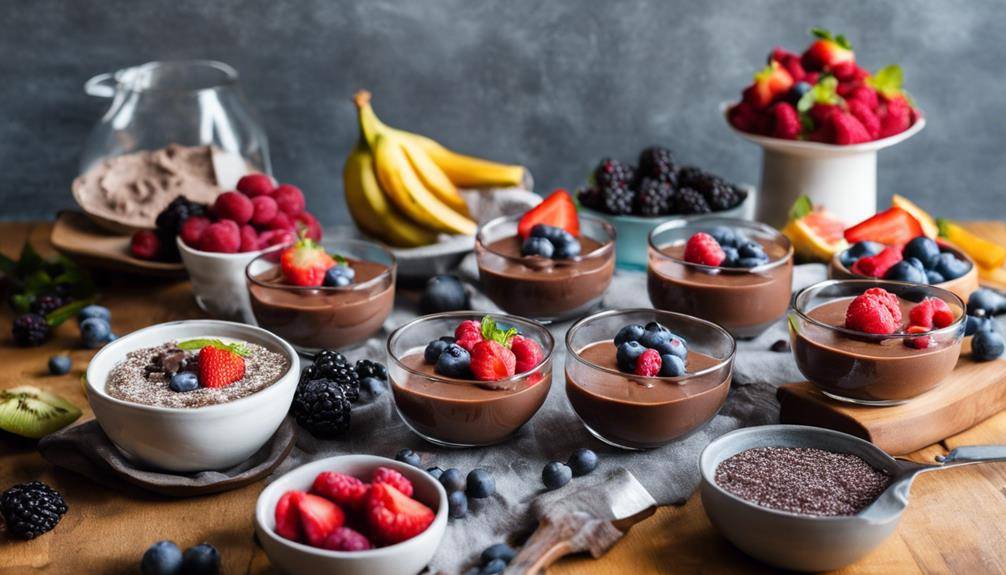
14 Simple Steps To Creating Delicious Vegan Desserts: Creating delicious vegan desserts is a breeze with just 14 simple steps. Start by choosing quality vegan ingredients like plant-based milks, natural sweeteners, and alternative flours. Replace eggs with flaxseed meal or chia seeds for binding. Incorporate healthy fats like coconut oil and nut butters for richness. Pay attention to baking times and adjust for high altitudes if needed. Store your treats in airtight containers for freshness, and don't forget to share your creations with friends. Get ready to impress with your sweet skills, as there's so much more to explore in the world of vegan desserts!
Understand Vegan Ingredients
Click Here and Turn Every Masterpiece into a Showstopper!
When you plunge into the world of vegan desserts, understanding the ingredients is key. You'll discover a variety of vegan substitutes that can replace traditional dairy and eggs without sacrificing flavor or texture. For instance, instead of using eggs, consider flaxseed meal or chia seeds mixed with water. These not only bind ingredients but also add healthy omega-3 fatty acids to your treats.
Plant-based milks like almond, coconut, or oat milk can easily replace cow's milk in recipes. Each type brings its own unique flavor and ingredient benefits. Almond milk is low in calories, while coconut milk offers a rich creaminess that enhances desserts like puddings and cakes.
When it comes to fats, opt for coconut oil or vegan butter instead of traditional butter. These substitutes provide the same moisture and richness, plus they often have less saturated fat, making your desserts a bit healthier.
Using natural sweeteners like ripe bananas or applesauce can also add sweetness while increasing the nutritional value of your desserts. They not only act as sweeteners but also add fiber and other essential nutrients.
Understanding these vegan substitutes will empower you to create delicious desserts that satisfy your sweet tooth while keeping your values intact. With a little experimentation, you'll find that vegan ingredients can lead to delightful and nourishing treats that everyone can enjoy.
Choose the Right Sweeteners
How do you select the perfect sweeteners for your vegan desserts? Start by considering natural sweeteners like maple syrup, agave nectar, and coconut sugar. These sugar alternatives not only provide sweetness but often come with added nutrients compared to refined sugars. When choosing your sweetener, think about your taste preferences. Some sweeteners, like stevia, are much sweeter than sugar, so you'll need to adjust your sweetener ratios accordingly.
It's essential to pay attention to sweetness levels and how they'll affect your desserts. If a recipe calls for granulated sugar, using a liquid sweetener like agave might alter the texture impact of your final product. This is because liquid sweeteners can make your batter thinner, which could change the baking behavior. To counteract this, you might need to reduce the amount of other liquids in your recipe.
Health considerations also play a role in your choice. If you're looking for a lower glycemic index option, consider using monk fruit or erythritol, which can be great sugar alternatives. Always remember that each sweetener behaves differently in recipes, so experimenting may be necessary to find the perfect balance. With a little trial and error, you'll discover which sweeteners work best for your vegan desserts, ensuring they're both delicious and aligned with your dietary goals.
Experiment With Flours
Selecting the right sweeteners is just the beginning of crafting delicious vegan desserts; experimenting with flours can greatly enhance your baking experience. The flour you choose plays an essential role in texture, flavor, and overall success. Don't be afraid to step outside the domain of traditional all-purpose flour.
If you're looking for gluten-free options, try almond flour, coconut flour, or chickpea flour. Each has unique properties that can lend a different taste and texture to your desserts. For instance, almond flour adds a nutty flavor and moistness, while coconut flour can help absorb moisture, making it perfect for dense brownies or cakes. Just remember that these flours often require adjustments to liquid ratios, so keep experimenting until you find the right balance.
You might also want to explore ancient grains like spelt, teff, or farro. These flours not only provide a nutritious boost but also introduce intriguing flavors to your desserts. Spelt flour, for example, has a slightly sweet, nutty taste that can complement many recipes beautifully. Teff flour is rich in protein and fiber, making it a fantastic addition to cookies and bars.
Ultimately, the key is to mix and match different flour types to discover combinations that work for your style and taste. Don't hesitate to get creative! The more you experiment, the more likely you are to stumble upon delightful new textures and flavors that elevate your vegan desserts to a whole new level.
Incorporate Natural Fats
When you're creating vegan desserts, incorporating natural fats can elevate both flavor and texture. Options like coconut oil, avocado, and nut butters not only enhance the richness but also offer health benefits. Understanding the types of natural fats and how they contribute to your recipes can make a big difference in your baking.
Types of Natural Fats
Natural fats play an essential role in vegan desserts, enhancing both flavor and texture. You have a variety of options to choose from, each bringing its unique qualities to your creations. Coconut oil is a popular choice for its rich, tropical flavor and ability to solidify when cooled, making it perfect for creamy desserts. Avocado puree adds a creamy texture and healthy fats, while nut butters contribute a delicious nuttiness and moisture.
Cacao butter is ideal for chocolate-based treats, providing a smooth consistency. If you're looking for a buttery substitute, vegan margarine works well in many recipes. For savory desserts, olive oil adds depth, and flaxseed oil offers an earthy note. Hemp seed oil, on the other hand, gives a slight nutty flavor, which can enhance your dessert's overall profile.
Don't overlook shea butter, which can create a luxurious mouthfeel, or sunflower oil, known for its light taste and versatility. By incorporating these natural fats, you can elevate your vegan desserts, making them not only delicious but also satisfying. Experiment with these fats to find the perfect combination for your next sweet creation!
Health Benefits of Fats
Incorporating healthy fats into your vegan desserts not only enhances flavor but also offers numerous health benefits. Healthy fats, like those from avocados, nuts, and seeds, boost nutrient density, making your treats not just tasty but also beneficial for your body. These fats serve as energy sources, helping you feel fuller for longer and providing sustained energy throughout the day.
Using culinary oils such as coconut or olive oil in your recipes can greatly improve heart health by supporting healthy cholesterol levels. Plus, healthy fats can enhance fat absorption, allowing your body to utilize fat-soluble vitamins more effectively, which is essential for a balanced diet.
Use Plant-Based Milks
While many traditional dessert recipes call for dairy milk, you can easily switch to plant-based milks for a delicious and cruelty-free alternative. Using milk alternatives like almond, oat, or coconut milk not only offers unique flavor profiles but also provides various nutritional benefits. For instance, almond milk is low in calories, while coconut milk adds a rich, creamy texture.
When selecting a brand, consider popular options like Silk, Oatly, or Califia Farms, known for their quality and taste. Keep in mind the texture differences; for instance, oat milk creates a creamier consistency than almond milk. So, it's crucial to adjust your usage ratios accordingly—generally, you can substitute plant-based milk in a 1:1 ratio for dairy milk, but experimentation is key.
As you explore homemade recipes, remember to check storage options. Most plant-based milks have a shorter shelf life once opened, so store them in the refrigerator and use within a week. When baking, you might find certain milks pair better with specific desserts; for example, coconut milk works wonderfully in tropical-themed treats, while almond milk enhances chocolate-based desserts.
For cooking tips, consider adding a splash of vanilla or a pinch of salt to enhance the flavors of your plant-based milk. With these pairing suggestions and adjustments, you'll create delightful vegan desserts that everyone can enjoy!
Explore Egg Replacements
When it comes to vegan baking, finding the right egg replacements is essential for achieving the desired texture and moisture in your desserts. Luckily, there are several options to choose from. One popular choice is aquafaba magic, the liquid from canned chickpeas, which can whip up like egg whites for meringues or mousses. For a thicker consistency, you might want to try chia gel or flaxseed meal mixed with water. These create a binding effect ideal for cookies and cakes.
If you're looking for a creamy texture, silken tofu is a fantastic choice. Just blend it until smooth, and it works wonders in brownies or cheesecakes. Don't overlook commercial substitutes, which often come in powder form and are designed specifically for baking.
For a fruitier approach, banana puree or applesauce option adds moisture and sweetness to your desserts. Yogurt alternative also provides a nice creamy texture, especially in cakes and muffins. Nut butter can add richness and moisture, making it a great addition to energy bars or cookies.
If you need a lighter touch, a cornstarch mix combined with water can serve as a binding agent, especially in delicate recipes. Finally, vinegar baking, combined with baking soda, can help your baked goods rise, creating a fluffy texture. For those who want to avoid animal products altogether, consider gelatin alternatives made from agar-agar or pectin for a similar effect in desserts like jellies and puddings.
Master Vegan Baking Techniques
Mastering vegan baking techniques can elevate your dessert game to new heights. One of the first things you'll want to pay attention to is ingredient substitutions. Understanding how to swap traditional ingredients for vegan alternatives is vital. For instance, use flaxseed meal or chia seeds as egg replacements, and choose plant-based milks that complement your flavors.
Next, focus on flavor balancing. Layering flavors is essential to create depth in your desserts. Combine sweet, savory, and acidic elements for a well-rounded taste. Don't forget about texture variations; a great dessert often includes a mix of soft, crunchy, and creamy components. Experiment with seasonal ingredients like fresh fruits or spices to keep your desserts vibrant and relevant.
When it comes to baking equipment, invest in quality tools that make your baking process smoother. A reliable mixer, proper measuring cups, and good baking sheets can make a significant difference. Additionally, learn to scale recipes up or down depending on your needs—this skill will save you time and ingredients.
Lastly, consider dessert presentation as part of your baking psychology. The way a dessert looks can greatly influence its perceived taste. Use garnishes, colorful plates, and thoughtful arrangements to create eye-catching displays. Remember, a well-presented dessert not only tastes better but also enhances the overall experience for those you serve. With these techniques, you're well on your way to mastering the art of vegan baking!
Add Flavor With Extracts
To elevate your vegan desserts, flavor extracts can be your secret weapon. You'll want to explore essential extracts like vanilla and almond, and learn how to combine them for the best results. Plus, making your own extracts at home can add a personal touch to your creations.
Essential Flavor Extracts
Vital flavor extracts can transform your vegan desserts from ordinary to extraordinary with just a few drops. These concentrated liquids pack a powerful punch, allowing you to enhance your recipes without adding any unwanted ingredients. Common extracts like vanilla, almond, and lemon can elevate the flavor profile of your treats, making them irresistible.
When using flavor extracts, it's crucial to take into account how they interact with other ingredients. For instance, pairing vanilla extract with chocolate creates a rich, comforting taste, while lemon extract can brighten up a dense dessert. You can also experiment with vital oils, like peppermint or orange, to add unique twists to your favorite recipes. Just remember, a little goes a long way!
Always opt for high-quality extracts to guarantee you're getting the best flavor possible. Check the labels for natural ingredients and avoid artificial additives. With the right flavor pairing and extracts, you can create desserts that aren't just vegan but also bursting with taste. So, next time you whip up a batch of cookies or a cake, don't forget to reach for those vital flavor extracts to elevate your vegan desserts to the next level!
Combining Flavors Effectively
Creating harmonious flavor combinations is essential to making your vegan desserts truly memorable. Start by exploring flavor pairings that excite your palate. For instance, combine nutty flavors with fruity elements, like almond and cherry, for a delightful balance. Don't forget about aroma enhancement; a hint of vanilla can elevate even the simplest dishes.
Consider texture contrasts, too. A creamy filling with a crunchy topping creates a satisfying experience. Seasonal ingredients can also add freshness and vibrancy to your desserts, so embrace what's available around you.
Balancing taste is vital; you want to find that sweet spot between sweetness levels and acidity. Adding a touch of citrus can brighten your dessert, while umami notes from ingredients like miso can deepen the flavor profile. Draw cultural inspirations to introduce unique elements, such as spices that might surprise your taste buds.
Homemade Extract Options
When you want to elevate your vegan desserts, homemade extracts can make a significant difference. Instead of relying on store-bought options, try crafting your own flavorful extracts to enhance your recipes. Start with vanilla bean extract; simply steep vanilla beans in vodka for a few weeks. You'll be amazed at the depth it adds to your cakes and cookies.
Citrus zests can be another fantastic base for extracts. Infusing lemon or orange zests in alcohol creates bright, invigorating flavors perfect for frostings and fillings. Almond extract is a classic; just soak raw almonds in your spirit of choice for a rich, nutty essence.
Don't overlook herbal infusions either! Think mint or basil extracts to bring a unique twist to your desserts. Spice blends can also work wonders—try infusing cinnamon or nutmeg for warmth.
If you love coffee, homemade coffee extracts are a must. For fruity desserts, consider fruit extracts like raspberry or strawberry. Chocolate essence can deepen the flavor in brownies and cakes. Finally, explore floral notes with lavender or rose extracts for a fragrant touch. These homemade extracts will take your vegan desserts to the next level!
Click Here and Turn Every Masterpiece into a Showstopper!
Enhance Texture With Add-Ins
To elevate the texture of your vegan desserts, consider incorporating various add-ins that bring both flavor and crunch. By experimenting with different ingredients, you can create delightful texture contrasts that enhance the overall experience of your treats. Start by adding crunchy toppings like toasted nuts or granola to give your desserts a satisfying bite. These nutty crunches not only provide a textural element but also a rich flavor that complements many sweet dishes.
For a twist, why not include some creamy swirls of nut or coconut cream? These add a luscious, velvety richness that contrasts beautifully with the other components. Chewy elements, such as dried fruits or vegan caramels, can also be mixed in to create a playful combination of textures that keeps each bite interesting.
Fruity additions, like fresh berries or zesty hints of citrus, can brighten up your desserts while introducing a revitalizing aspect. You can also explore spiced accents, such as cinnamon or ginger, to add warmth and depth to your creations. Layering your ingredients can result in decadent layers that not only taste amazing but look visually appealing too.
Decorate Creatively
A few simple tricks can transform your vegan desserts into visually stunning masterpieces. Start by embracing colorful toppings like fresh fruits, nuts, or vibrant sprinkles. These not only add a burst of color but also enhance the overall appeal of your treats. For artistic plating, arrange your desserts on the plate in unique shapes or patterns, showcasing your creativity and attention to detail.
Consider incorporating seasonal themes into your designs. For example, use pumpkin puree and warm spices in fall or fresh berries in summer. You can also elevate your desserts with edible flowers, which provide a whimsical touch and a pop of color. These flowers not only look beautiful but can also add subtle flavors that complement your dish.
Creative molds can help you craft unique shapes, making your desserts stand out. Think about using heart-shaped molds for a romantic touch or geometric shapes for a modern appeal. To further enhance the experience, play with flavor contrasts—combine sweet and tangy elements or crunchy and creamy textures.
Understand Baking Times
Understanding baking times is vital for achieving the perfect vegan dessert. When you're baking, timing can make or break your treat. Vegan ingredients often behave differently than their non-vegan counterparts, so it's important to pay attention to how long your desserts need in the oven.
Start by following the recipe's recommended baking time, but keep an eye on your creation as it bakes. Ovens can vary, and you might find that your dessert needs a few extra minutes or even a little less. It's a good idea to invest in an oven thermometer to verify your baking temperature is accurate. If you notice your dessert browning too quickly, consider making baking temperature adjustments to prevent burning or drying out.
Timing tricks can be your best friend. For instance, you can use a toothpick to test for doneness—insert it in the center; if it comes out clean or with a few moist crumbs, your dessert is ready. For items like cakes and brownies, check a couple of minutes before the recipe calls for them to avoid overbaking.
Adjust for Altitude
When you're baking at high altitude, you might need to tweak your recipes for the best results. Adjusting the amount of baking powder is essential, as well as keeping an eye on cooking times. These changes can make all the difference in achieving that perfect vegan dessert.
Baking Powder Adjustments
Baking at high altitudes can be a challenge, but making the right adjustments to your baking powder can lead to delicious vegan desserts. At higher elevations, the air pressure is lower, which affects how your leavening agents work. You'll need to tweak your baking powder ratios to guarantee your vegan treats rise properly.
Start by reducing the amount of baking powder you use. A good rule of thumb is to decrease it by about 1/4 teaspoon for every teaspoon called for in your recipe. This adjustment helps counteract the faster expansion of gases in the batter. You might also want to increase your liquid ingredients slightly, as the drier air can cause your batter to lose moisture more quickly.
Additionally, consider using a combination of leavening agents. Mixing baking powder with baking soda can provide a more stable rise, especially in recipes that include acidic ingredients like vinegar or lemon juice. Remember, every oven and altitude is different, so you may need to experiment a bit to find the perfect balance. With these adjustments, you'll be on your way to creating fabulous vegan desserts, no matter how high you are!
Cooking Time Variations
Adjustments don't stop at baking powder; cooking times also vary at high altitudes. When you're baking vegan desserts at elevations above 3,000 feet, you'll need to make some key temperature adjustments. As the altitude increases, air pressure decreases, which can cause your desserts to bake faster and sometimes unevenly.
To compensate, you'll want to decrease your cooking times. Start by reducing the baking time by about 20 percent, and keep a close eye on your desserts to avoid overcooking. Using an oven thermometer can help guarantee that your oven temperature remains accurate, as high altitudes may cause it to run hotter than expected.
Additionally, you might need to increase the temperature by about 15-25 degrees Fahrenheit to help your desserts rise properly. This can help counteract the effects of lower air pressure, guaranteeing your treats turn out light and fluffy. Remember to test for doneness early, as things can change quickly at high altitudes. With these cooking times and temperature adjustments, you'll find that baking vegan desserts can still be a delicious success, no matter where you are!
Store and Preserve Desserts
Storing and preserving your vegan desserts properly guarantees they stay fresh and delicious for longer. Start by considering dessert storage options that maximize shelf life and flavor retention. Using airtight containers is key; they prevent moisture and other odors from compromising your treats. For longer-term preservation, the freezer is your best friend.
When utilizing the freezer, keep these freezer tips in mind: portion control is essential. Dividing your desserts into individual servings not only makes it easier to thaw what you need but also helps prevent ingredient separation during storage. Always label your containers with the date and contents to track freshness.
Temperature considerations are vital when it comes to storing desserts. Make sure your freezer is set to a consistent temperature, ideally around 0°F, to maintain quality. For defrosting methods, opt for the refrigerator for gradual thawing, which helps preserve texture and flavor. If you're in a hurry, you can use the microwave on a low setting, but be cautious to avoid uneven heating.
Lastly, remember that not all vegan desserts freeze well. Items with high moisture content, like certain cakes or puddings, may become soggy after thawing. Test different recipes to discover which ones hold up best. By following these simple tips, you'll enjoy your delicious vegan desserts at their best, anytime you crave a sweet treat!
Share and Enjoy Together
Sharing vegan desserts with friends and family can turn a simple treat into a memorable experience. Whether it's a dessert party or a casual get-together, the joy of flavor sharing elevates your creations. Organizing dessert swaps can be a fun way to showcase your baking skills while trying out new recipes from others. You'll discover unique flavors and techniques that inspire your next baking challenge.
At family gatherings or festive occasions, consider bringing potluck treats that highlight seasonal ingredients. Pumpkin spice cupcakes in the fall or fresh berry tarts in the summer not only taste great but also celebrate the season. Encourage everyone to share their favorite vegan dessert recipes, fostering a sense of community baking that brings everyone together.
Why not host a baking night? Invite friends over to create vegan desserts as a team. You can divide tasks and experiment with different flavors, creating a delightful atmosphere filled with laughter and creativity. Plus, it's a great opportunity to bond and learn from each other.
When you share your vegan desserts, you're not just offering a sweet treat; you're creating connections and memories. So, whether you're participating in dessert swaps, baking challenges, or simply enjoying a slice with loved ones, savor the experience together. After all, the joy of sharing delicious vegan desserts lies not just in the taste but in the moments you create with those around you.
Click Here and Turn Every Masterpiece into a Showstopper!
Frequently Asked Questions: 14 Simple Steps To Creating Delicious Vegan Desserts
Can I Use Aquafaba in Any Vegan Dessert Recipe?
Yes, you can use aquafaba in various vegan dessert recipes. It offers great benefits like acting as an egg replacement, but if needed, substitutes like flaxseed or chia seeds can work too for binding.
How Do I Convert Non-Vegan Recipes to Vegan?
To convert non-vegan recipes to vegan, you'll need to make ingredient substitutions. Use plant-based sweeteners instead of sugar, swap eggs for flaxseed or aquafaba, and replace dairy with nut milk or coconut cream.
What Are Some Common Mistakes in Vegan Baking?
In vegan baking, you might encounter pitfalls like overmixing or misjudging ingredient substitutions. Be cautious when swapping eggs for flaxseed or aquafaba; it's essential to understand the right ratios for achieving the desired texture.
Are There Vegan Dessert Options for Gluten-Free Diets?
You can enjoy delicious vegan desserts while being gluten-free. Use gluten-free substitutes like almond flour or coconut flour instead of regular flour, and try vegan flour blends for variety and texture in your baking.
How Do I Make Vegan Desserts Without Refined Sugar?
You can make vegan desserts without refined sugar by using natural sweeteners like maple syrup or agave. Fruit purees, such as banana or applesauce, also add sweetness and moisture to your delicious creations.

Conclusion
By following these 14 simple steps, you'll access the world of delicious vegan desserts that everyone can enjoy. Embrace the unique flavors of plant-based ingredients, experiment with different sweeteners and flours, and don't forget to share your tasty creations with friends and family. Remember, baking is all about creativity and fun, so don't hesitate to try new combinations. With a little practice, you'll be whipping up mouthwatering vegan treats in no time!