Stir-Frying Tofu Without It Breaking
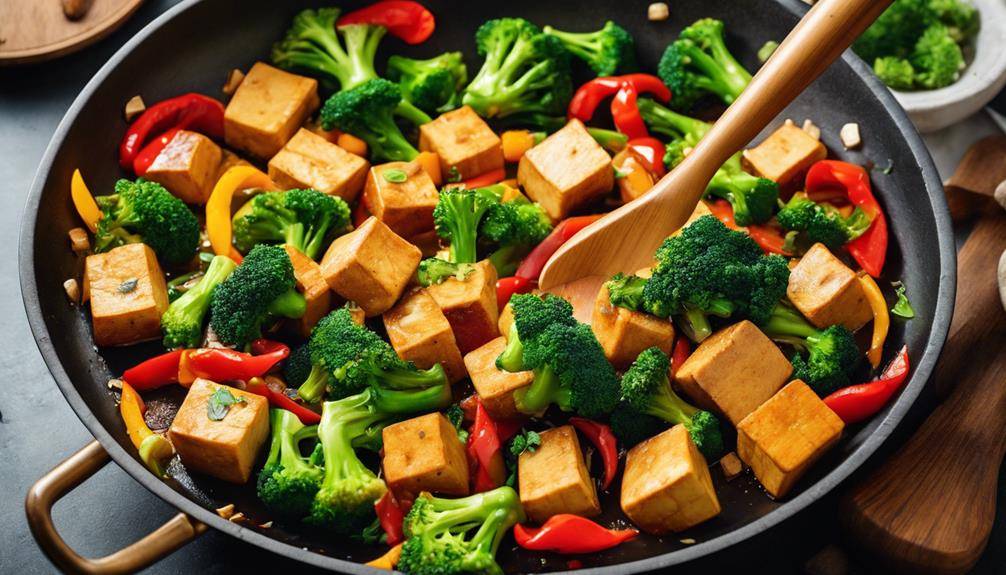
Stir-Frying Tofu Without It Breaking: To stir-fry tofu without it breaking, start by selecting firm or extra-firm tofu for its sturdy texture. Press the tofu to remove excess moisture, which helps achieve a crispy finish. Cut it into bite-sized pieces for even cooking, and marinate for at least 15-30 minutes to infuse flavor. Preheat your pan on medium-high heat and use a high smoke point oil. Avoid overcrowding the pan, and add vegetables gradually to prevent steam. With these techniques in mind, you can enjoy a perfectly stir-fried tofu dish without breakage, and there's more to discover about enhancing your stir-fry experience.
Click Here and Turn Every Masterpiece into a Showstopper!
Choosing the Right Tofu
When it comes to stir-frying tofu, choosing the right type can make all the difference in achieving a satisfying dish. You'll find there are several tofu varieties available, each offering unique texture differences that can impact your meal. Firm and extra-firm tofu are the most suitable options for stir-frying, as they hold their shape well when cooked. These varieties have a denser texture, allowing them to absorb flavors while remaining sturdy during the cooking process.
Soft or silken tofu, on the other hand, is not ideal for stir-frying due to its delicate structure. If you use it, you risk ending up with a mushy mess instead of the delightful golden-brown cubes you desire. While silken tofu can work beautifully in soups or smoothies, it won't give you that satisfying bite you're looking for in a stir-fry.
When selecting your tofu, also consider the brand and how it's packaged. Some brands offer tofu that's been pressed, which reduces moisture and enhances its ability to hold up in high-heat cooking. You might even experiment with marinated tofu varieties, which can add an extra layer of flavor to your dish.
Preparing Tofu for Stir-Frying
To prepare tofu for stir-frying, start by pressing it to remove excess moisture, which helps achieve that perfect golden-brown crust. The right tofu texture is vital for a successful stir-fry, so choose firm or extra-firm tofu. Once you've pressed the tofu, cut it into your desired shapes—cubes, slices, or triangles. Keep the pieces bite-sized to guarantee they cook evenly and absorb flavors.
Next, consider marinating your tofu. A simple marinade can greatly boost flavor enhancement. Mix soy sauce, garlic, ginger, and a splash of sesame oil for a flavorful soak. Let the tofu marinate for at least 15-30 minutes. If you're short on time, even a quick dip can add a nice punch.
After marinating, it's important to pat the tofu dry again before cooking. This step helps the tofu achieve that crispy texture you're after. If you skip this, the excess moisture may lead to steaming instead of frying, resulting in a less desirable outcome.
Pressing Tofu Effectively
Pressing tofu is essential for achieving that perfect stir-fry texture, so don't skip this step. By removing excess moisture, you allow the tofu to absorb flavors and become crispy when cooked. Let's explore some effective techniques to get the best results.
Importance of Pressing Tofu
Achieving the perfect stir-fry starts with properly pressing tofu, an important step that enhances its texture and flavor. When you press tofu, you're removing excess moisture that can lead to a soggy dish. The key to a delicious stir-fry lies in the tofu texture; if it's too watery, it won't absorb the flavors of your sauces and seasonings.
By effectively pressing your tofu, you'll improve its ability to hold up during cooking. Moisture retention can be a real challenge, especially when you want that crispy exterior. Pressing forces out the liquid, allowing the tofu to develop a firmer texture that stands up to high heat and vigorous stirring. This not only helps in achieving that golden-brown crust but also guarantees the tofu doesn't break apart in the pan.
Moreover, pressed tofu will soak up marinades and flavors more effectively, elevating your stir-fry from bland to brilliant. So, don't skip this important step; it's the foundation for a successful dish. Remember, the better you press your tofu, the better your stir-fry will taste!
Techniques for Effective Pressing
Getting the most out of your tofu starts with the right pressing techniques. Properly pressing your tofu enhances its texture, allowing it to absorb flavors and achieve that desired crispiness when stir-fried. Here are some effective pressing methods you can use.
First, you can use the classic technique of stacking weights. Place your tofu block between two plates and add something heavy on top, like a cast-iron skillet. Let it sit for 30 minutes to an hour. This method efficiently removes excess moisture and improves the tofu texture.
Alternatively, you can use a tofu press if you have one. These handy devices evenly apply pressure to your tofu, making it simpler and mess-free. Just follow the manufacturer's instructions for the best results.
For a quicker option, wrap your tofu in a clean kitchen towel and gently squeeze it to extract moisture. While it's not as thorough as the other methods, it works in a pinch.
Experiment with these pressing techniques to find the one that suits you best. You'll notice a significant difference in the tofu texture, which will elevate your stir-fry dishes to a whole new level.
Cutting Tofu Into Perfect Shapes
Getting the right shapes when cutting tofu is essential for a great stir-fry. You'll want to choose the right type of tofu and use effective cutting techniques to achieve those ideal shapes. This not only enhances the dish's presentation but also guarantees even cooking and flavor absorption.
Choosing the Right Tofu
When it comes to stir-frying tofu, selecting the right type and cutting it into perfect shapes can make all the difference in your dish. Tofu varieties play an essential role in achieving the texture and flavor you want. You'll find options like silken, soft, firm, and extra-firm. For stir-frying, you'll want to lean towards firm or extra-firm tofu. These varieties hold their shape better during cooking, reducing the risk of breakage.
Tofu firmness is key to how well it absorbs flavors and maintains structure. When you choose extra-firm tofu, you can expect a hearty bite that complements your veggies and sauces nicely. Before cutting, press the tofu to remove excess moisture, which also helps it crisp up nicely in the pan.
Once you've chosen the right tofu variety, think about how you want to cut it. Cubes, rectangles, or triangles can all work well, but be sure to make them uniform for even cooking. Aiming for about 1-inch pieces is a safe bet, as they'll brown nicely without falling apart. With the right tofu and shapes, your stir-fry will be a delicious and satisfying meal.
Cutting Techniques Explained
After selecting the right tofu variety, it's time to focus on cutting techniques that will enhance your stir-fry. Mastering slicing methods can make a significant difference in how your tofu cooks and integrates with other ingredients. Start by pressing the tofu to remove excess moisture, which helps it hold together better during cooking.
When it comes to your knife skills, aim for uniform pieces. For cubes, cut the block into thick slabs first, then slice those slabs into strips before cutting across for even cubes. If you prefer triangles, cut the block in half diagonally, then slice those halves into smaller triangles.
For larger stir-fries, consider cutting the tofu into thicker slices, as they'll hold their shape better. Remember, thinner pieces can become too fragile and break apart easily.
Always use a sharp knife to guarantee clean cuts, minimizing the risk of crumbling. Practicing these slicing methods will not only enhance the presentation of your dish but also improve how well the tofu absorbs flavors from your sauces. With good knife skills, you'll be on your way to creating a delicious stir-fry with perfectly cut tofu.
Ideal Shapes for Stir-Frying
For the best stir-fry experience, choosing the right shapes for your tofu is vital. The way you cut your tofu not only affects its cooking time but also its ability to absorb flavors and maintain texture. For stir fry techniques, opt for cubes, triangles, or thin strips.
Cubed tofu (about 1-inch pieces) gives you a nice balance of crispy exterior and soft interior. Triangles, cut from block tofu, create a unique texture and add visual appeal to your dish. If you prefer a more delicate texture, slicing tofu into thin strips can help it soak up sauces better while still holding its shape during cooking.
Regardless of the tofu shapes you choose, remember to press it to remove excess moisture. This step is essential for achieving that desirable crispiness. Plus, avoid overcrowding the pan to guarantee even cooking. With these cutting tips and the right shapes, you'll elevate your stir-fry game, making your dish not only delicious but also visually stunning. Enjoy experimenting with different tofu shapes and watch your stir-fried dishes transform!
Marinating for Flavor and Texture
Marinating tofu is a game-changer that can elevate its flavor and texture greatly. When you take the time to marinate your tofu, you're not just adding a splash of flavor; you're creating a delicious flavor infusion that penetrates deep into the tofu, transforming it from bland to bold. Start by pressing your tofu to remove excess moisture, which allows the marinade to soak in better.
Tofu marinades can be as simple or as complex as you like. A basic marinade might include soy sauce, garlic, ginger, and a touch of sesame oil. For a sweeter twist, consider adding maple syrup or hoisin sauce. You can also experiment with citrus juices, like lime or orange, for a rejuvenating zing. The key is to let your tofu soak in the marinade for at least 30 minutes, but if you've got the time, letting it sit for a few hours or even overnight will yield even better results.
When you're ready to stir-fry, make sure to drain the tofu well to prevent excess liquid from making your stir-fry soggy. The marinated tofu will absorb flavors and develop a delicious crust when cooked at high heat. Whether you're adding it to a veggie-packed stir-fry or serving it alongside grains, marinated tofu enhances the overall dish, making it satisfying and full of flavor. So don't skip this vital step—your taste buds will thank you!
Click Here and Turn Every Masterpiece into a Showstopper!
Selecting the Right Oil
When you stir-fry tofu, choosing the right oil is essential for both cooking and flavor. Pay attention to the oil's smoke point; using an oil that can handle high heat will prevent burning and bitterness. Additionally, consider how different oils will absorb flavors, as this can enhance your dish greatly.
Oil Smoke Points
Choosing the right oil for stir-frying tofu is essential for achieving the perfect texture and flavor. One of the key factors to take into account is the smoke point of the oil. The smoke point is the temperature at which the oil begins to smoke and break down, releasing unpleasant flavors and harmful compounds. For stir-frying, you'll want to select an oil with a high smoke point, typically above 400°F (204°C), to guarantee it can withstand the high heat without compromising the dish.
Oils like canola, peanut, or avocado are excellent choices due to their high smoke points and oil stability. These oils won't break down easily, allowing you to achieve that crispy exterior on your tofu without the worry of burning. Avoid using oils with low smoke points, like extra virgin olive oil, as they may not perform well under high heat and can lead to a burnt taste.
Flavor Absorption Properties
For those looking to enhance their tofu stir-fry, selecting the right oil not only affects texture but also plays an essential role in flavor absorption. The oil you choose can greatly influence the overall flavor profiles of your dish. High-quality oils, like sesame or peanut oil, can add depth and richness, while lighter oils, such as canola or sunflower, allow the natural flavors of your ingredients to shine through.
When stir-frying tofu, consider the oil's smoke point to avoid burning and bitterness. Oils with higher smoke points maintain their integrity at high temperatures, allowing you to achieve that perfect crispy tofu texture without compromising taste. Additionally, oils infused with herbs or spices can contribute to flavor absorption, enhancing your dish even further.
Don't forget to marinate your tofu before cooking; the right oil can help the tofu absorb those flavors more effectively. Experimenting with different oils will not only elevate the tofu's taste but also improve its texture—resulting in a satisfying and flavorful stir-fry that's sure to impress. So, choose wisely, and let your oil work its magic!
Preheating Your Pan
Preheating your pan is an essential step to achieving perfectly stir-fried tofu. When you heat your pan properly, you create an environment that helps seal the tofu's surface, preventing it from breaking apart during cooking. Start by selecting the right pan; a non-stick or cast-iron skillet works best.
Next, place the pan on medium-high heat. You want to reach an ideal pan temperature before adding your tofu. It's important to let the pan preheat for about 5 to 10 minutes, depending on your stove and pan type. This preheat duration allows the pan to evenly distribute heat, ensuring that your tofu cooks uniformly. You can test if your pan is ready by flicking a few drops of water onto the surface. If they sizzle and evaporate almost immediately, you're good to go.
Avoid the temptation to add the tofu too soon; if the pan isn't hot enough, the tofu will stick and crumble instead of forming that lovely, golden-brown crust. This crust not only enhances the flavor but also helps maintain the integrity of the tofu as you stir-fry.
Cooking Techniques to Avoid Breakage
Tofu's delicate nature makes it prone to breakage during stir-frying, but with the right techniques, you can keep it intact. First, choose the right tofu types for your dish. Firm or extra-firm tofu holds up better than soft or silken varieties, making them ideal for stir-frying. Before you start cooking, press the tofu to remove excess moisture. This step helps it achieve a crispy texture and reduces the chance of breaking.
Once your tofu is prepped, cut it into uniform pieces. Smaller, chunky cubes or rectangles can be easier to manage compared to thin slices. When you're ready to cook, verify your pan is hot enough to create a sear. Using a non-stick skillet or well-seasoned cast iron pan can also help prevent sticking and breaking.
As you add the tofu to the pan, don't overcrowd it. Give each piece enough space to brown without touching the others. This not only helps with even cooking but also reduces the risk of breakage. Additionally, when using stir fry sauces, add them gradually and avoid pouring them directly onto the tofu. Instead, drizzle the sauce around the edges of the pan, allowing it to coat the tofu gently without causing it to disintegrate.
Adding Vegetables at the Right Time
Timing is essential when adding vegetables to your stir-fry, as their textures and cooking times can greatly affect the dish's overall quality. You want to achieve a perfect texture balance between the tofu and the vegetables, making sure everything cooks evenly without compromising flavor. Start by identifying the vegetables that take longer to cook, like carrots or broccoli. These should go in first, giving them a head start to soften and blend their flavors.
Once those heartier vegetables have had a few moments in the hot pan, it's time to add the quicker-cooking options, such as bell peppers or snap peas. By timing your vegetables this way, you make sure each type retains its unique texture, creating a satisfying contrast. Overcooking can lead to mushiness, which is something you definitely want to avoid.
Additionally, consider the size of your vegetable pieces. Cutting them into uniform sizes not only promotes even cooking but also enhances the overall presentation of your dish. Tossing them in the pan at the right moments will help you achieve that beautiful stir-fry look, where each component stands out.
Serving and Storing Leftover Tofu
Leftover tofu can be a delicious and versatile ingredient for your next meal, making it worth your while to store it properly. To guarantee your tofu stays fresh, keep it in an airtight container submerged in water in the fridge. Change the water daily to maintain its texture and flavor. If you've got a significant amount of leftover tofu, consider pressing it before storing it. This removes excess moisture and extends its shelf life.
When it comes to serving leftover tofu, think about how you can transform it into new dishes. You can slice it and toss it into salads, stir-fries, or grain bowls. Tofu also works well in soups and stews, where it can absorb flavors from the broth. If you're looking for quick leftover recipes, try marinating your tofu in soy sauce, sesame oil, and garlic, then pan-fry it for a tasty addition to any meal.
If you find yourself with tofu that's been stored for more than a week, check for any off smells or changes in texture before consuming it. Proper tofu storage can keep your leftovers safe and enjoyable. Finally, don't hesitate to get creative! Leftover tofu can be blended into smoothies or used in desserts like chocolate mousse, proving it's not just a savory ingredient. Enjoy experimenting with your leftover tofu and making every bite count.
Click Here and Turn Every Masterpiece into a Showstopper!
Frequently Asked Questions: Stir-Frying Tofu Without It Breaking
Can I Use Frozen Tofu for Stir-Frying?
Yes, you can use frozen tofu for stir-frying. Just remember, freezing changes the texture, making it spongier and more absorbent. It can enhance flavors, but you'll need to adjust your cooking time accordingly.
What Type of Pan Is Best for Stir-Frying Tofu?
For stir-frying tofu, you'll want a pan that distributes heat evenly. Non-stick pans work well for easy flipping, while cast iron adds great sear and flavor. Choose based on your cooking style and preference!
How Do I Know When Tofu Is Fully Cooked?
To know when tofu's fully cooked, check its texture. Firm tofu usually takes about 8-10 minutes, while softer varieties need around 5-7 minutes. You'll notice a golden color and slight crispness when it's ready.
Is It Necessary to Press Tofu Every Time?
You don't have to press tofu every time, but doing so improves its texture. Different pressing methods help remove excess moisture, allowing it to absorb flavors better and achieve a firmer consistency in your dishes.
Can I Stir-Fry Tofu Without Oil?
You can stir-fry tofu without oil by using tofu alternatives like tempeh or seitan. Experiment with stir-fry techniques such as steaming or using vegetable broth to add flavor while keeping your dish healthy and delicious.

Conclusion
By choosing the right tofu and preparing it properly, you can enjoy delicious stir-fried dishes without the frustration of broken pieces. Remember to press and cut your tofu carefully, marinate it for added flavor, and preheat your pan before cooking. Use gentle techniques and add veggies at the right time to keep everything intact. With these tips, you'll create a satisfying meal that not only tastes great but looks beautiful on your plate. Enjoy your cooking!