Perfect Wine Pairings For Spanish Tapas Delights
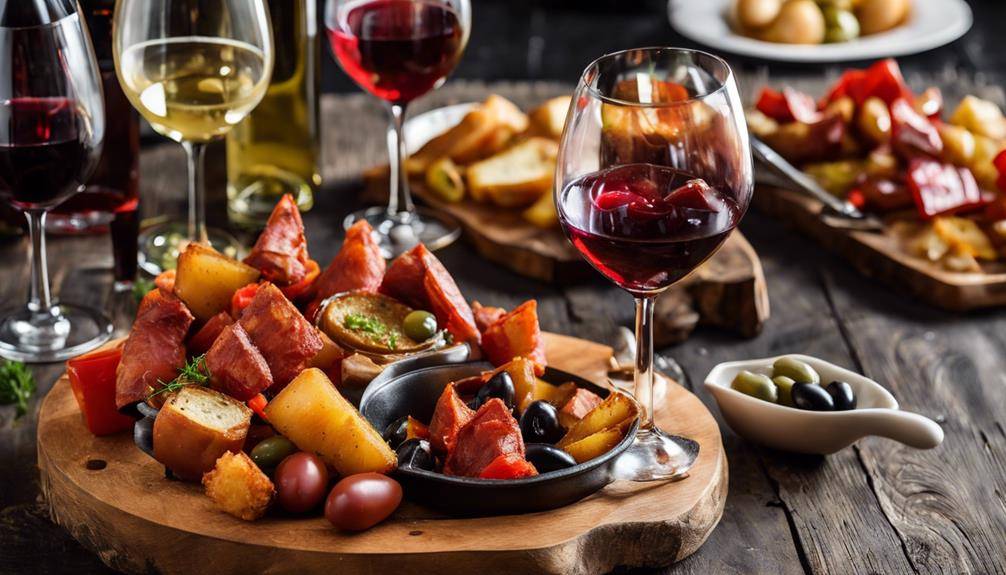
Wine Pairings For Spanish Tapas Delights: To find the perfect wine pairings for your Spanish tapas, start with Albariño for seafood dishes or Verdejo for patatas bravas. If you're savoring cured meats, Garnacha and Tempranillo are excellent choices. For a festive touch, Cava complements almost everything on the table. Vegetarian options shine with crisp whites or light reds like Pinot Noir. Each wine enhances the unique flavors of the tapas, creating a harmonious dining experience. Don't hesitate to explore regional varietals that reflect the diverse landscape of Spanish cuisine for an unforgettable meal—there's much more to discover!
Understanding Spanish Tapas
Click Here and Turn Every Masterpiece into a Showstopper!
Spanish tapas are more than just small plates; they embody a rich culinary tradition that invites social interaction and exploration. Originating in Spain, tapas have a fascinating history that traces back to the 13th century, when King Alfonso X required that food be served with wine to prevent drunkenness. This practice evolved into serving small dishes alongside drinks, allowing people to graze and share.
As you explore the world of tapas, you'll discover regional variations that offer a glimpse into the diverse culinary landscape of Spain. In Andalusia, you might savor olives and cured meats, while in Catalonia, you could find pan con tomate, a simple yet flavorful dish of bread topped with ripe tomatoes and olive oil. Each region brings its own unique ingredients and flavors, reflecting local traditions and available produce.
Exploring these variations not only enhances your understanding of tapas but also enriches your dining experience. You'll notice how the ingredients, preparation methods, and presentation differ, making each tapas dish a little story unto itself. Whether you're enjoying patatas bravas in Madrid or pintxos in the Basque Country, you're partaking in a shared cultural heritage that encourages connection and conversation.
The Role of Wine in Tapas
Wine plays a pivotal role in the tapas experience, enhancing flavors and elevating your enjoyment of these small plates. The rich tapas history reflects a culture deeply intertwined with wine traditions, where sharing food and drink is a cherished social practice. When you sit down to enjoy tapas, you're not just tasting food; you're participating in a centuries-old ritual that brings people together.
Every sip of wine complements the diverse flavors found in tapas. Whether it's salty olives, rich chorizo, or spicy patatas bravas, the right wine can amplify these tastes and create a harmonious balance. It's crucial to evaluate the specific characteristics of each dish. For example, lighter wines can refresh your palate between bites, while more robust wines can stand up to heartier flavors.
In Spain, wine isn't merely a beverage; it's a fundamental component of the dining experience. Many tapas bars offer local wines that reflect the region's unique terroir. You'll find that choosing a wine from the same area as your tapas can deepen your appreciation for both the food and the drink.
As you explore various tapas, remember that the right wine pairing isn't just about matching flavors. It's about embracing the convivial spirit of Spanish dining. So, pour a glass, savor the moment, and allow the wine to enrich your tapas journey.
White Wine Pairings
When it comes to tapas, choosing the right white wine can elevate your dining experience. The invigorating qualities of white wine often complement the light, vibrant flavors of various tapas. You'll want to focus on wines that offer a good balance of wine acidity and flavor balance, enhancing the overall enjoyment of your meal.
Start with a classic pairing: a crisp Albariño from Spain's Rías Baixas region. Its bright acidity and notes of citrus and stone fruit make it a perfect match for seafood tapas like gambas al ajillo (garlic shrimp) or pulpo a la gallega (Galician-style octopus). The wine's acidity cuts through the richness of the dish, creating a delightful contrast.
Another excellent choice is a Verdejo from the Rueda region. This wine boasts a zesty profile with herbal notes that work beautifully with dishes like patatas bravas or a simple charcuterie board. Its balanced acidity enhances the flavors without overpowering them.
If you're looking for something more aromatic, consider a dry Spanish white like Godello. Its fuller body and minerality pair well with richer tapas, such as tortilla española (Spanish omelet). The wine's acidity maintains the flavor balance, ensuring your palate remains invigorated.
Ultimately, the key is to experiment and find what resonates with your taste buds. By selecting white wines that highlight the unique flavors of your tapas, you'll create a memorable and satisfying dining experience.
Red Wine Pairings
As you explore the world of tapas, red wines can offer a rich and satisfying complement to the diverse flavors on your plate. The key to a successful pairing lies in understanding the tannin structure of the wine and how it interacts with the food. For instance, if you're indulging in chorizo or other cured meats, a medium-bodied red with soft tannins, like a Garnacha, provides an excellent balance. The wine's fruitiness enhances the spices, creating delightful food synergy.
If you're enjoying a dish like patatas bravas, consider a Tempranillo. This wine's robust flavor and well-integrated tannins help to cut through the dish's creamy aioli, making each bite more enjoyable. The earthy undertones of Tempranillo also resonate beautifully with the roasted potatoes, enhancing the overall experience.
For richer tapas, such as beef empanadas or grilled lamb skewers, a full-bodied red like a Rioja Reserva can elevate your meal. The wine's aging process provides a complex flavor profile that complements the savory elements of the dish. Here, the tannin structure acts as a counterpoint to the richness of the meat, ensuring each mouthful is balanced.
Rosé Wine Options
When it comes to pairing rosé with your favorite tapas, you'll want to know which varietals shine the brightest. Each rosé offers unique flavor profiles that can enhance your dining experience, so let's explore those together. Plus, getting the serving temperature just right can elevate your meal even further.
Best Rosé Varietals
Rosé wines offer an exciting array of varietals that can elevate your tapas experience. When you think of rosé production, you might picture a blend of red and white grapes, but there's so much more. Each varietal brings its unique character, enhancing the flavors of your dishes. For instance, a Grenache rosé is vibrant and fruity, making it perfect for pairing with spicy chorizo or savory patatas bravas.
If you're in the mood for something a bit more crisp, consider a Pinot Noir rosé. Its invigorating acidity complements seafood tapas beautifully, like garlic shrimp or anchovies. Another great option is the Tempranillo rosé, which can balance the richness of dishes with olives and cheese, thanks to its moderate food acidity.
Lastly, don't overlook a dry Provence rosé, known for its elegance and versatility. It's fantastic with lighter fare, such as a fresh tomato salad or grilled vegetables. With these choices, you'll find the perfect rosé varietals to match your tapas and create a delightful culinary experience. So, pour a glass and enjoy the vibrant pairing possibilities!
Flavor Profiles Explained
Understanding the flavor profiles of different rosé wines can greatly enhance your tapas experience. Rosé wines often showcase a delightful range of flavors, from fruity and floral to herbal and spicy. When choosing a rosé to pair with your tapas, consider the seasoning used in your dishes. For example, a dry Provence rosé, with its notes of strawberries and herbs, complements dishes with light tapas seasoning like marinated olives or grilled vegetables beautifully.
On the other hand, if your tapas are rich and savory, like chorizo or patatas bravas, opt for a fuller-bodied rosé. Look for one that offers a flavor balance with bolder fruit notes, such as a Spanish rosado, which often presents flavors of ripe cherries or watermelon. This pairing can elevate the bold seasoning of the tapas, creating a harmonious dining experience.
Incorporating the right rosé can highlight the unique flavors in your dishes while ensuring the overall meal feels balanced. So, take time to explore different rosé options, and you'll find that the right choice can transform your tapas from ordinary to extraordinary.
Serving Temperature Tips
Chilling your rosé wine to the right temperature can greatly enhance its flavors and overall enjoyment. To achieve the ideal serving temperature, aim for around 45°F to 55°F (7°C to 13°C). This range allows the wine to showcase its aromatic qualities while maintaining a invigorating character, perfect for pairing with Spanish tapas.
When you're ready to serve, consider these temperature guidelines. If your rosé is at room temperature, pop it in the refrigerator for about 1-2 hours before serving. If you're short on time, a quick 15-20 minutes in an ice bucket filled with water and ice will do the trick. Just be careful not to over-chill it; serving rosé too cold can mute its flavors.
For those who enjoy a more structured rosé, leaning towards the higher end of the temperature range can bring out complexity. On the other hand, lighter styles shine when served slightly colder. Remember, the right temperature will elevate your wine experience, making each sip a delight alongside your favorite tapas. So, keep these tips in mind, and you'll impress your guests with perfectly served rosé!
Sparkling Wine Selections
When it comes to sparkling wines for your tapas, Cava stands out as a quintessential Spanish choice, bursting with vibrant flavors. If you're looking for something with a touch of elegance, Champagne can elevate your meal with its refined bubbles. Both options offer unique pairings that can enhance your tapas experience.
Cava: The Spanish Classic
Cava, Spain's iconic sparkling wine, effortlessly complements the lively flavors of tapas. Originating primarily from the Penedès region, cava production involves traditional methods similar to those of Champagne. This results in a delightful effervescence that pairs beautifully with a variety of dishes.
When selecting a cava, you'll find several cava styles, each offering unique characteristics. For instance, a brut nature is dry and crisp, making it an excellent match for salty tapas like olives or jamón ibérico. If you prefer something fruitier, opt for a semi-seco, which balances sweetness with acidity, perfect for pairing with spicy chorizo or patatas bravas.
Cava's versatility doesn't stop there; it also shines with seafood-based tapas. A fresh, floral cava can elevate the flavors of grilled prawns or calamari. Remember, the key to a successful pairing lies in the balance of flavors. The invigorating bubbles cleanse your palate, enhancing the enjoyment of each bite.
Champagne: Elegance in Bubbles
If you're looking to elevate your tapas experience, Champagne offers a level of sophistication that can enhance even the simplest dishes. With its rich champagne history dating back to the 17th century, this sparkling wine has become synonymous with celebration and elegance. The unique production process, which includes secondary fermentation in the bottle, creates those signature bubbles that dance delightfully on your palate.
When selecting a Champagne, consider various sparkling styles. A classic Brut Champagne pairs beautifully with salty Spanish hams like Jamón Ibérico, cutting through the richness and cleansing your palate. If you're enjoying seafood tapas, a Blanc de Blancs, made entirely from Chardonnay grapes, can complement dishes like gambas al ajillo perfectly, thanks to its crisp acidity and fresh flavors.
Don't overlook the versatility of Rosé Champagne, either. Its berry notes can enhance a spread of cheeses or even a spicy patatas bravas. By choosing the right Champagne, you'll not only elevate your meal but also create a memorable dining experience that celebrates the fusion of Spanish flavors and French finesse. So, pop that cork and enjoy the magic of bubbles with your tapas!
Click Here and Turn Every Masterpiece into a Showstopper!
Pairing With Seafood Tapas
Seafood tapas offer a delightful burst of flavor that can elevate any dining experience, and choosing the right wine to accompany them is essential. With a range of seafood varieties like shrimp, calamari, and anchovies, you'll want to complement these dishes with wines that enhance their fresh, briny qualities.
When diving into tapas traditions, light and crisp white wines are often the go-to choice. A chilled Albariño from the Rías Baixas region of Spain pairs excellently with shrimp or grilled octopus. Its zesty acidity and notes of citrus can highlight the sweetness of the seafood while cutting through any richness.
If you're indulging in fried calamari, consider a sparkling wine, such as Cava. The bubbles and acidity refresh the palate, balancing the dish's crispy texture. Alternatively, a dry rosé can also be a versatile companion, offering a fruity profile that complements a variety of seafood tapas.
For those enjoying more robust flavors like spicy seafood dishes or spicy garlic shrimp, a light red wine, such as a chilled Garnacha, can work wonders. Its berry notes and soft tannins won't overpower the dish, allowing the seafood to shine through.
Meat and Charcuterie Pairings
When it comes to pairing wine with meat and charcuterie tapas, the goal is to enhance the rich and savory flavors of the dishes. You'll often find an array of cured meats like jamón ibérico, chorizo, and salchichón on your platter, each bringing unique taste profiles that deserve careful consideration.
For a classic pairing, reach for a robust red wine, such as a Rioja or a Ribera del Duero. These wines have bold tannins that match beautifully with the saltiness of the cured meats, creating a delightful flavor balance. If you prefer white wine, try a fuller-bodied option like a barrel-aged Albariño. Its richness can complement the fat in the meats without overwhelming the palate.
You might also want to explore sparkling wines, such as Cava. The effervescence acts as a palate cleanser, allowing the flavors of each cured meat to shine. The acidity in Cava cuts through the richness, enhancing your overall tasting experience.
Don't overlook the importance of side accompaniments, like olives or pickles, as they can further elevate your wine selections. These additions can introduce additional acidity, which works wonders in balancing the flavors of the meats.
Vegetarian Tapas and Wine
Vegetarian tapas offer a delightful array of flavors and textures that can be perfectly matched with a variety of wines. When you're indulging in dishes like patatas bravas, stuffed piquillo peppers, or marinated olives, you'll want a wine that complements those vibrant vegetarian ingredients.
For a classic choice, consider a crisp white wine such as a Verdejo or Albariño. These wines have bright acidity that enhances the fresh flavors of your tapas while cutting through some of the richness in dishes like creamy Spanish cheese or garlicky sautéed mushrooms. The zesty notes found in these wines can elevate the overall taste experience, acting as subtle flavor enhancements that balance your meal.
If you're leaning toward heartier vegetarian options, like a mushroom and spinach empanada, a light-bodied red wine such as a Pinot Noir can do wonders. Its soft tannins and fruit-forward profile harmonize beautifully with the earthy flavors of the mushrooms, creating a delightful pairing.
Don't forget about sparkling wines either! Cava is a fantastic choice to bring some effervescence to your tapas spread. Its bubbles cleanse the palate, making it an ideal partner for fried bites like croquetas or vegetable fritters.
Regional Wine Varieties
When you think about pairing wine with Spanish tapas, regional varieties like Rioja, Cava, and Sherry come to mind. Rioja's bold reds bring a rich depth that complements many dishes, while Cava offers a revitalizing sparkle that elevates the experience. Sherry, with its unique flavor profiles, provides a versatile option that can surprise and delight your palate.
Rioja's Bold Red Wines
Rioja's bold red wines are the heart of Spain's vibrant wine culture, capturing the essence of the region's diverse terroirs. When you sip a glass of Rioja, you're likely tasting a blend of Tempranillo, Garnacha, and other Rioja grapes, each contributing unique characteristics. The aging techniques employed here, particularly in oak barrels, enhance the wine's complexity and depth, offering notes of vanilla, spice, and ripe fruit.
These wines pair beautifully with a variety of tapas, making them perfect companions for your culinary adventures. Their rich flavors and balanced acidity guarantee great food compatibility, whether you're enjoying chorizo, patatas bravas, or a selection of aged cheeses.
As you explore the different wine regions of Rioja, you'll discover a range of tasting notes—from bold cherry and plum to earthy undertones. Each bottle tells a story of its origin, making every sip a delightful experience. So, next time you're indulging in Spanish tapas, don't hesitate to reach for a bottle of Rioja. It'll elevate your meal and transport you straight to the sun-soaked vineyards of Spain. Enjoy the journey!
Cava's Sparkling Elegance
While bold reds like Rioja capture the heart of Spanish wine culture, Cava brings a sparkling elegance that's hard to resist. Originating from the Penedès region, Cava's history dates back to the late 19th century when winemakers began to produce this delightful sparkling wine using the traditional méthode champenoise. You'll find that Cava's production process involves a secondary fermentation in the bottle, which creates those charming bubbles that dance on your palate.
There are several grape varieties used in Cava production, including Macabeo, Xarel-lo, and Parellada. This unique blend contributes to Cava's invigorating acidity and complex flavor profile, making it a versatile companion for a variety of tapas. Whether you're enjoying crispy patatas bravas or a creamy tortilla Española, Cava effortlessly enhances the experience.
When pairing Cava with your Spanish tapas, its lively bubbles and crisp finish can elevate even the simplest dish. So, when you're planning your next gathering, don't overlook this sparkling gem. With its rich history and delightful production, Cava not only complements your meal but also adds a touch of celebration to every bite.
Sherry's Unique Flavor Profiles
Sherry offers a remarkable range of flavor profiles, making it one of the most versatile wines to pair with tapas. From the dry, nutty character of Fino to the rich, intense flavors of Pedro Ximénez, there's a sherry style for every palate. Fino and Manzanilla are crisp and invigorating, perfect for pairing with olives, seafood, or light salads. Their bright acidity complements these dishes beautifully.
On the other hand, Amontillado brings a complex, slightly oxidized flavor that goes well with cured meats and rich cheeses. If you're serving savory dishes like chorizo or patatas bravas, opt for an Oloroso. Its bold, full-bodied profile enhances the richness of these flavors.
For dessert or sweet tapas, indulge in a Pedro Ximénez. Its syrupy sweetness pairs wonderfully with chocolate or rich pastries. Understanding these sherry styles broadens your options and enhances your food compatibility. Experimenting with sherry allows you to discover unique combinations that elevate your tapas experience. So, next time you're planning a tapas night, make sure to include a selection of sherries to delight your guests and complement your culinary creations.
Tips for Serving Wine
When it comes to serving wine with Spanish tapas, a few key tips can elevate the dining experience. First, choose the right wine glassware. For whites and rosés, opt for a narrower glass to keep the wine chilled longer. For reds, a wider bowl allows for proper aeration, enhancing the wine's flavors. Make sure your glassware is clean and free of any residues to prevent interference with the wine's taste.
Next, pay attention to serving etiquette. Serve wine at the appropriate temperature: whites and rosés should be chilled between 45-50°F, while reds are best served at around 60-65°F. Use a wine thermometer if you're unsure. When pouring, fill the glass to about one-third full; this allows for swirling and proper appreciation of the wine's aromas.
Another tip is to decant bold reds, especially if they've aged. Decanting allows the wine to breathe and can soften tannins. If you're serving sherry, consider using a copita, a traditional sherry glass, which enhances its unique characteristics.
Lastly, encourage your guests to sip and savor the wine alongside the tapas. Discussing flavors and pairings can enhance the overall experience, making it more enjoyable for everyone. By following these simple tips, you'll create a memorable and delightful wine and tapas pairing that showcases the best of Spanish cuisine.
Click Here and Turn Every Masterpiece into a Showstopper!
Frequently Asked Questions: Wine Pairings For Spanish Tapas Delights
What Is the Best Temperature to Serve Spanish Wine With Tapas?
For Spanish wine, the ideal serving temperature typically ranges from 50°F to 60°F. Chilled whites shine at this range, while reds benefit from slightly cooler temperatures. Don't forget to adjust according to your specific wine choice!
Can I Pair Non-Spanish Wines With Tapas?
You can definitely pair non-Spanish wines with tapas! Just consider the flavor profiles and food textures. Explore different wine regions and use pairing techniques to complement various tapas ingredients for a delightful experience.
How Do I Choose Wine for a Mixed Tapas Platter?
To choose wine for a mixed tapas platter, consider the wine flavor profiles that complement your tapas ingredient combinations. Light whites or fruity reds often enhance the diverse flavors, creating a harmonious dining experience.
Are There Any Dessert Wine Pairings for Tapas?
When considering dessert wine pairings, think about your dessert options. Sweet wines like Moscatel enhance fruity flavor profiles, while a rich Pedro Ximénez complements chocolate or creamy desserts. Experiment and discover what delights your palate!
What Glassware Is Best for Serving Wine With Tapas?
When serving wine with tapas, use appropriate glass types like white wine glasses for whites and small tumblers for reds. Pay attention to serving techniques, ensuring the wine's temperature enhances the overall dining experience.

Conclusion
When it comes to enjoying Spanish tapas, the right wine can elevate your experience. Whether you're sipping a crisp white, a bold red, or a rejuvenating rosé, each choice brings out the flavors of your dishes. Don't forget to explore regional varieties that truly capture the essence of Spain. So, grab your favorite tapas, pour a glass, and savor the delightful combination of food and wine. Cheers to a perfect pairing!