15 Essential Techniques For Flawless Sushi Rolls
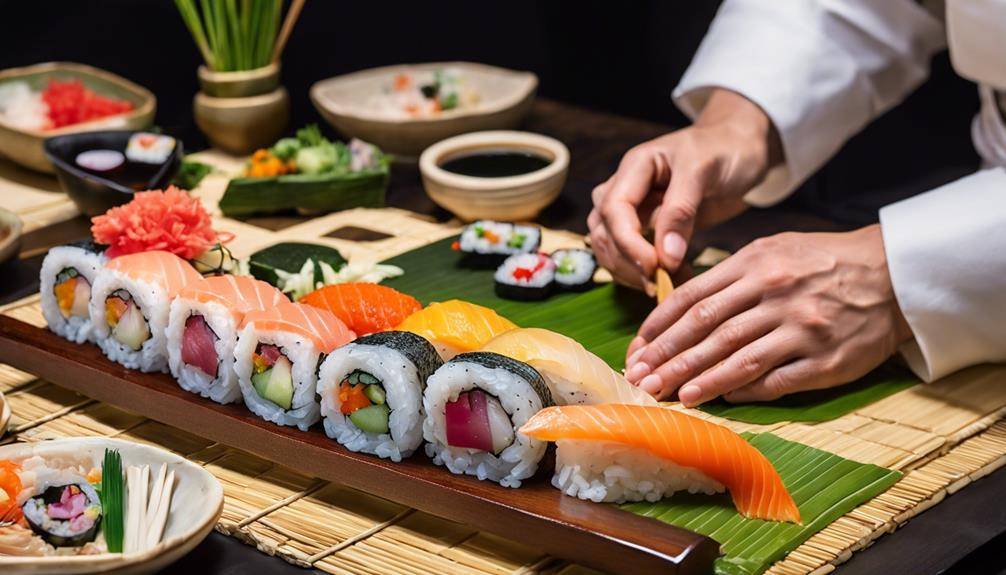
Essential Techniques For Flawless Sushi Rolls: To create flawless sushi rolls, start by choosing quality ingredients—fresh seafood, organic veggies, and perfect sushi rice are essential. Rinse and soak the rice properly, then season it with a balanced vinegar mixture. Master the art of nori, ensuring it's fresh and pliable. Use the right tools, like a sharp knife and bamboo mat, for rolling. Experiment with fillings to achieve unique flavor profiles, and don't forget about texture contrast. Finally, pair your rolls with high-quality condiments for extra flavor. Master these techniques, and you'll impress with your sushi-making skills—keep going to uncover more expert tips!
Choose Quality Ingredients
Click Here and Turn Every Masterpiece into a Showstopper!
To create flawless sushi rolls, you need to prioritize quality ingredients. Start with ingredient sourcing by visiting local markets where you can find seasonal varieties that are at their peak flavor and freshness. Look for organic selections, especially for vegetables and rice, as they enhance both the taste and overall quality of your rolls.
When it comes to seafood, always choose sustainable seafood from premium producers. This guarantees you're supporting responsible fishing practices while getting the best quality. Pay attention to freshness indicators; for example, fish should have a bright, clear appearance and a mild ocean scent. Avoid any seafood with a strong odor or dull coloration, as these are signs of age.
Consider flavor profiles and texture considerations when selecting your ingredients. For instance, the creaminess of avocado or the crunch of cucumber can elevate your sushi rolls. Balance these textures with your choice of fish, guaranteeing that they complement each other. Don't forget to compare prices; while premium ingredients often come at a higher cost, the difference in taste and quality can make it worthwhile.
Prepare Sushi Rice Properly
Quality ingredients set the foundation for great sushi rolls, but the way you prepare sushi rice can elevate your creation to a whole new level. To achieve that perfect texture and flavor, start by selecting the right sushi rice varieties. Short-grain rice is ideal, as it becomes sticky when cooked, making it easier to mold into rolls. Look for brands labeled as "sushi rice" or "calrose rice" for the best results.
Once you've got your rice, rinse it thoroughly under cold water until the water runs clear. This step removes excess starch, which can make your rice gummy. After rinsing, soak the rice in water for about 30 minutes. This allows the grains to absorb moisture evenly, ensuring a better cooking outcome.
Now, it's time to cook the rice. You can use different cooking methods, such as a rice cooker or stovetop. If you're using a rice cooker, follow the manufacturer's instructions, usually a 1:1.2 ratio of rice to water. For stovetop cooking, use the same ratio, bringing the water to a boil, then covering and reducing the heat to low for about 20 minutes.
Once cooked, let the rice sit covered for an additional 10 minutes. This resting period lets the steam finish the cooking process, giving you fluffy rice. With properly prepared sushi rice, you're well on your way to crafting flawless sushi rolls.
Seasoning the Rice
Now that you've prepared your sushi rice, it's time to season it perfectly. You'll need to create a vinegar mixture that balances acidity and sweetness, enhancing the rice's flavor. Remember, how you mix the rice and seasoning is essential to achieving that ideal texture and taste.
Ideal Rice Preparation Method
Perfectly seasoned sushi rice is vital for creating authentic and delicious sushi rolls. To achieve this, you need to start with the right sushi rice varieties, such as short-grain or medium-grain rice, which have a higher starch content. This stickiness is essential for keeping your rolls intact.
First, rinse the rice thoroughly under cold water until the water runs clear. This removes excess starch and prevents the rice from becoming gummy during cooking. Next, use appropriate cooking techniques, whether you're using a rice cooker or a pot on the stove. Follow the recommended water-to-rice ratio for the type of rice you're using; typically, it's about 1:1.2 for sushi rice.
Once cooked, let the rice rest for about 10 minutes to steam further. This step guarantees an even texture. After resting, transfer the rice to a large wooden or plastic bowl to cool. Gently fold the rice with a spatula to avoid mashing the grains. Remember, the key is to maintain that perfect balance of moisture and firmness, setting the stage for your sushi rolls to shine.
Vinegar Mixture Composition
To season your sushi rice, you'll need a well-balanced vinegar mixture that enhances the flavor without overpowering it. Start by choosing vinegar types like rice vinegar, which is commonly used in traditional recipes, or a mix that includes apple cider vinegar for a unique twist. The acidity balance is vital; you want a mixture that's tangy yet smooth.
For a classic approach, aim for a seasoning ratio of 1 part vinegar, 1 part sugar, and ½ part salt. This combination not only adds flavor enhancement but also brings out the natural taste of the rice. Remember that regional variations exist, so feel free to experiment with different ratios and ingredients.
Incorporating some mirin can add a hint of sweetness and depth. Beyond taste, consider the health benefits of using natural vinegars, which can aid digestion and provide antioxidants. When preparing your vinegar mixture, make sure it's well combined before adding it to the rice. This will guarantee even seasoning and make your sushi rolls truly irresistible.
Proper Mixing Technique
After preparing your vinegar mixture, it's time to focus on how to mix it with the sushi rice properly. The way you combine these ingredients is essential for achieving the right rice consistency. Start by transferring your cooked rice into a large wooden or plastic bowl, as metal can react with the vinegar.
Using a gentle mixing method, pour your vinegar mixture evenly over the rice. Avoid dumping it all in one spot; this helps guarantee the rice absorbs the flavor evenly. With a wooden paddle or a rice spatula, use a slicing motion, lifting and folding the rice rather than stirring aggressively. This technique helps maintain the delicate texture of the rice while evenly distributing the vinegar.
Continue mixing until the rice achieves a glossy appearance and the vinegar is fully incorporated. Be mindful not to overwork the rice; you want it warm but not hot. If you follow these mixing methods carefully, you'll achieve a perfect balance of flavor and texture, setting the foundation for your flawless sushi rolls. Remember, the right rice consistency is key to a great sushi experience!
Mastering the Nori
Nori, the seaweed that wraps your sushi rolls, plays a significant role in both flavor and texture. To master nori, you first need to understand the different nori types available. You'll typically find sheets that vary in thickness and flavor. Thinner nori tends to be more delicate, while thicker varieties provide a sturdier wrap. For the best results, always verify your nori is fresh; stale nori can ruin your rolls.
Proper nori handling is essential. Keep your nori stored in a cool, dry place to maintain its freshness. A vacuum-sealed package works wonders for this. When you're ready to use it, consider roasting the nori briefly over an open flame. This enhances its flavor and makes it easier to work with.
When cutting nori, use a sharp knife to achieve clean edges. You want your cuts to be precise, confirming each piece is suitable for rolling. If you want to add a twist to your sushi, consider nori flavoring. You can sprinkle a bit of sesame salt or a hint of wasabi powder on the nori before you add your fillings. This elevates the overall taste and adds a personal touch to your rolls.
Essential Sushi Tools
When crafting perfect sushi rolls, having the right tools on hand makes all the difference. First up, you'll want a good sushi mat for bamboo rolling. This simple tool helps you shape your rolls with ease, ensuring they're tight and uniform. Pair it with a sharp knife for clean cuts; a dull blade can ruin your hard work. A sturdy cutting board is essential too, providing a stable surface for your ingredients.
For ingredient prep, a rice cooker simplifies cooking sushi rice, giving you consistent results every time. Proper rice is the foundation of a great roll, so don't skimp on this tool. As for fish selection, having a fillet knife can help you prepare your sushi-grade fish with precision.
If you're looking to create perfectly shaped rolls without the fuss, consider using a sushi mold. This handy tool allows you to pack your ingredients tightly, making the rolling process easier for beginners and seasoned chefs alike. Once your rolls are ready, serve them up on attractive serving plates to impress your guests.
Perfecting Your Knife Skills
Having the right tools sets the stage for your sushi-making success, but mastering your knife skills takes your rolls to the next level. When it comes to sushi, using the right sushi knife types is essential. A traditional yanagiba, for instance, is designed specifically for slicing raw fish, while a deba is perfect for cutting through fish bones. Each knife serves a unique purpose, so understanding which one to use will improve your precision and technique.
To perfect your knife skills, practice is key. Start by honing your grip; a firm but relaxed hold allows better control. Slice with a smooth motion, using the entire length of the blade to create even cuts. When working with delicate ingredients like avocado or cucumber, use gentle pressure to avoid crushing them.
Knife maintenance tips are equally important to guarantee your tools perform at their best. Always keep your blades sharp; a dull knife can lead to uneven cuts and increase the risk of accidents. Regularly hone your knife using a whetstone or honing rod, and clean the blade after each use to prevent cross-contamination.
Lastly, don't forget to practice the art of mise en place. Organizing your ingredients before you start slicing will help you maintain focus and efficiency, leading to cleaner, more precise cuts. By refining your knife skills, you'll elevate your sushi-making to an art form, impressing everyone with your flawless rolls.
Balancing Flavors
Balancing flavors is essential for creating sushi rolls that excite the palate. You'll want to harmonize sweet and savory elements while incorporating contrasting textures for a delightful experience. Fresh ingredient selection plays a key role in achieving this balance, so choose wisely!
Sweet and Savory Harmony
Achieving a delightful harmony between sweet and savory flavors is vital for creating sushi rolls that tantalize the taste buds. You'll want to focus on ingredient pairings that enhance both flavor profiles. Sweet sauces, like eel sauce or teriyaki, can beautifully complement savory contrasts such as soy sauce and pickled ginger. This taste balancing is significant; too much sweetness can overpower the umami enhancement found in fresh fish or vegetables.
Experimenting with different ingredients opens up a world of culinary creativity. Consider adding fruits like mango or avocado, which provide sweetness while maintaining a creamy texture. This brings an exciting dimension to your rolls, showcasing the importance of flavor experimentation in sushi-making.
Sourcing quality ingredients also plays a considerable role in achieving that sweet-savory balance. Fresh, high-quality components will elevate your sushi, ensuring that each bite is packed with flavor. Remember to layer textures thoughtfully; a crispy tempura or crunchy cucumber can create delightful contrasts that make your sushi rolls even more enjoyable. By focusing on these elements, you'll master the art of sweet and savory harmony in your sushi rolls.
Texture Contrast Techniques
To create sushi rolls that truly stand out, incorporating texture contrast is just as important as balancing flavors. By mastering texture layering, you enhance the overall dining experience. Start with soft wraps, like nori or rice paper, which serve as the foundation. Then, think about adding creamy fillings, such as avocado or a rich mayo-based sauce, to create a smooth mouthfeel.
Next, introduce crunch contrast with ingredients like crispy tempura bits, toasted sesame seeds, or fresh vegetables like cucumber and radish. These elements not only add excitement but also enhance the visual appeal of your rolls. Don't forget about temperature variation; combining warm ingredients with cool ones can elevate the textures even further. For instance, pairing warm grilled shrimp with cool cucumber slices can create a delightful contrast that tantalizes the palate.
When you play with these texture contrasts, you're not just making sushi rolls; you're crafting a multi-sensory experience. Your guests will appreciate the depth and complexity of flavors that arise from these techniques, making your sushi not just a meal but a memorable event.
Fresh Ingredient Selection
Choosing fresh ingredients is vital for crafting sushi rolls that harmonize flavors and elevate your dish. When you focus on sushi ingredient sourcing, you'll notice a significant difference in taste and quality. Always aim for the freshest fish, vegetables, and seasonings, as these elements form the backbone of your sushi.
Seasonal ingredient choices play an important role in balancing flavors. By selecting ingredients that are in season, you not only enhance the flavor profile but also support local farmers and sustainable practices. For instance, spring often brings tender asparagus and sweet snap peas, while summer offers ripe tomatoes and juicy cucumbers.
Don't forget to reflect on complementary flavors. Pair delicate fish like salmon with rich avocado or spicy tuna with invigorating cucumber to create an exciting taste experience. Experiment with various herbs and sauces, too, as they can elevate your rolls in unexpected ways.
Ultimately, sourcing fresh, seasonal ingredients allows you to create sushi rolls that are not only delicious but also visually appealing. So, next time you're preparing sushi, prioritize freshness and harmony to delight your taste buds.
Rolling Techniques
Mastering rolling techniques is important for creating flawless sushi rolls that impress both the eye and palate. You'll want to explore various sushi roll types, including traditional maki and more unique variations. Using common tools like a bamboo mat and sharp knife will make the process smoother.
Start by laying your nori on the mat, making sure it's shiny side down. Spread your rice evenly, leaving a small margin at the top. Here's where layering techniques come into play—add your unique fillings, considering flavor profiles that complement each other. Don't hesitate to use ingredient substitutions to cater to your guests' dietary preferences, but make sure your choices still reflect the sushi's authentic taste.
When you begin to roll, maintain a steady rolling speed. Apply gentle pressure while keeping the fillings tight, as it's essential for visual aesthetics and structural integrity. Remember, the temperature control of your ingredients is significant; warm rice can make rolling easier, while cool fillings enhance the final presentation.
As you roll, think about creative presentations. You could incorporate regional variations by adding garnishes or sauces that reflect different sushi histories. Finally, always keep sushi etiquette in mind—serve your rolls neatly cut and arranged, allowing your diners to experience the beauty of your craftsmanship. By practicing these advanced techniques, you'll elevate your sushi-making skills and impress everyone with your culinary artistry.
Click Here and Turn Every Masterpiece into a Showstopper!
Cutting Sushi Rolls
Cutting sushi rolls is just as essential as rolling them, as it determines the presentation and bite-sized enjoyment of your creation. Mastering the right slicing techniques will elevate your sushi game, guaranteeing each piece showcases the beautiful ingredients you've carefully chosen.
To start, you'll want a sharp knife, ideally a sushi knife or a chef's knife. Dull knives crush the roll, ruining the neat appearance and texture. Before cutting, wet the blade with a mixture of water and vinegar. This helps the knife glide through the rice and seaweed, preventing sticking.
When it comes to slicing, aim for uniform pieces, typically about one inch wide. For a classic look, use a gentle sawing motion rather than pressing down hard. This maintains the integrity of the roll and guarantees the filling remains intact. You can also experiment with presentation styles; for instance, cutting the roll diagonally can create a more dynamic look, while straight cuts provide a clean, traditional feel.
Consider the ingredients you've used. Rolls with larger fillings, like tempura or bulky vegetables, may benefit from fewer cuts to maintain structure. For delicate rolls, like those with sashimi or thinly sliced fish, focus on precision to enhance visual appeal.
Presentation Tips
After slicing your sushi rolls to perfection, the next step is to present them in a way that highlights their vibrant colors and intricate ingredients. A well-arranged plate can elevate your sushi from simple to stunning. Start by choosing a plate that complements your rolls. Opt for a white or dark-colored plate to create a striking color contrast against the bright hues of your sushi.
When it comes to plate arrangement, think about balance and symmetry. Place your sushi rolls in a staggered formation rather than a straight line. This adds visual interest and encourages your guests to explore each piece. You can also consider grouping different types of rolls together based on their ingredients or colors, creating a cohesive look.
Don't forget to accessorize your sushi presentation with garnishes. Fresh wasabi, pickled ginger, and edible flowers can enhance the visual appeal. Arrange these elements thoughtfully around the sushi to create an inviting presentation. Using small bowls for soy sauce can also add an elegant touch to the overall display.
Storing Sushi Correctly
Proper sushi storage is vital for maintaining its freshness and flavor, making sure you enjoy every bite even after your initial meal. To maximize the sushi shelf life, it's important to store it correctly in your refrigerator. Ideally, you should keep your refrigerator temperature at or below 40°F (4°C). This temperature slows bacterial growth and helps preserve the quality of your sushi.
When storing sushi, wrap it tightly using plastic wrap or place it in an airtight container to prevent it from drying out or absorbing odors from other foods. If you've got leftover rolls, avoid leaving them at room temperature for more than two hours, as this can compromise safety and taste.
For nigiri or sashimi, try to consume them within a day of preparation, as their delicate nature makes them more prone to spoilage. If you need to store sushi for longer, consider freezing it. However, remember that freezing can affect the texture, so it's best for rolls that don't contain raw fish. Always thaw sushi in the refrigerator rather than at room temperature to maintain its safety and quality.
Before enjoying your stored sushi, give it a quick visual and smell check. If anything seems off, it's better to err on the side of caution and discard it. By following these storage tips, you'll make sure your sushi remains delicious and safe to eat, allowing you to savor those flavors long after your initial meal.
Pairing With Condiments
When you're enjoying your sushi rolls, the right condiments can elevate your experience. Think about popular options like soy sauce, wasabi, and pickled ginger, and how they can enhance the flavors of your roll. Experimenting with different flavor combinations can lead to delightful surprises in every bite.
Popular Sushi Condiments
Enhancing your sushi experience is all about the right condiments. When you think of sushi, soy sauce is likely the first condiment that comes to mind. Its savory, umami flavor is perfect for dipping your sushi rolls. But don't just grab any soy sauce; look for high-quality, naturally brewed options to elevate your dish.
Next, consider the wasabi varieties available. Traditional green wasabi adds a spicy kick that complements the flavors of your sushi. However, you might also find alternatives like wasabi powder or creamy wasabi paste, each bringing a unique texture and intensity. Feel free to experiment with these options to find what suits your taste best.
Don't forget about pickled ginger. This zesty condiment cleanses your palate between bites, allowing you to fully appreciate each sushi roll's flavors.
Lastly, some sushi lovers enjoy adding a sprinkle of sesame seeds or a drizzle of spicy mayo for an extra layer of flavor. Remember, the right condiments can enhance your dining experience, so don't hesitate to explore and find your perfect pairing!
Flavor Combination Tips
There's nothing quite like discovering the perfect flavor combinations to elevate your sushi experience. When it comes to pairing your rolls with condiments, think beyond the basics. Unique flavor pairings can transform your dish from ordinary to extraordinary. For instance, try drizzling a bit of spicy mayonnaise over your tuna roll for a creamy kick, or add a touch of wasabi to your soy sauce for an extra punch.
Seasonal ingredient suggestions can also enhance your sushi. In spring, consider pairing fresh asparagus or cucumber with a light ponzu sauce. In summer, mango or avocado with a sweet chili sauce can provide a revitalizing burst. Autumn calls for roasted pumpkin or sweet potato, complemented by a miso glaze. Finally, in winter, rich flavors like black sesame or truffle oil can bring warmth to your rolls.
Don't forget to experiment! Mixing and matching these condiments with different sushi ingredients will help you discover your favorite combinations. Remember, the key is to balance flavors; spicy, sweet, sour, and umami should harmonize for an unforgettable sushi experience. Enjoy the journey of flavor exploration!
Experimenting With Fillings
Often, sushi enthusiasts find joy in experimenting with fillings to create unique flavor combinations. You can elevate your sushi rolls by exploring creative combinations that go beyond the traditional. Start with staple ingredients like cucumber and avocado, but don't hesitate to add seasonal ingredients to keep things fresh and exciting.
Consider incorporating fruits, such as mango or pineapple, to add a sweet contrast. These ingredients work beautifully with savory elements like smoked salmon or spicy tuna. You might also try pickled vegetables for a tangy crunch or even roasted sweet potatoes for a hearty twist. The key is to balance flavors and textures, ensuring that each bite is satisfying.
Don't shy away from herbs and spices, either. Fresh cilantro, mint, or a sprinkle of sesame seeds can transform your roll into something extraordinary. As you experiment, think about how different ingredients complement one another. For instance, pairing creamy avocado with zesty lime or spicy mayo might just create your new favorite filling.
Avoiding Common Mistakes
When experimenting with fillings, it's easy to overlook some common mistakes that can affect the quality of your sushi rolls. One of the biggest pitfalls is using low-quality ingredients. While it might be tempting to save a few bucks, sourcing fresh, high-quality ingredients is essential for flavor and texture. Don't compromise on your fish, vegetables, or rice; they're the backbone of your sushi.
Another common error is overstuffing your rolls. You might think more is better, but cramming too many fillings can lead to a messy roll that falls apart. Stick to a few complementary ingredients that enhance each other without overwhelming the sushi. Remember, balance is key.
Also, pay attention to sushi etiquette. If you're sharing your sushi with friends or family, be mindful of how you serve it. Cut your rolls neatly and present them on a clean platter. This not only looks appealing but also shows respect for the effort you put into making them.
Lastly, don't forget about proper rolling technique. Use a bamboo mat to help create even pressure and shape, ensuring your rolls hold together. Practicing this technique will pay off in creating beautiful, delicious sushi.
Practice Makes Perfect
Practicing your sushi-making skills is the key to mastering flawless rolls. The more you engage in sushi rolling practice, the more comfortable you'll become with the ingredients and techniques. Every roll is an opportunity to refine your skills, so don't shy away from repetition. Start with the basics—perfecting your rice preparation and understanding the right amount of pressure to apply while rolling. These consistent techniques will lay the foundation for all your future creations.
As you practice, pay attention to the details. Verify your sushi rice is the right texture and temperature. A too-dry or too-wet mixture can lead to disastrous rolls. Also, focus on the balance of fillings. If you're using too many ingredients, the roll may fall apart. Remember, simplicity often leads to the most satisfying results.
Try rolling different types of sushi, from maki to uramaki, to keep things interesting. Each style presents unique challenges that can help you grow. Don't hesitate to experiment with various fillings and seasonings. This not only enhances your skills but also helps you develop your own sushi-making style.
Click Here and Turn Every Masterpiece into a Showstopper!
Frequently Asked Questions: Essential Techniques For Flawless Sushi Rolls
Can I Use Brown Rice Instead of White for Sushi?
You can use brown rice for sushi, but expect some texture differences. While it offers health benefits, like more fiber and nutrients, it may not stick together as well as white rice does. Enjoy experimenting!
How Do I Store Leftover Sushi Rolls?
To store leftover sushi rolls, wrap them tightly in plastic wrap and refrigerate. You can also explore leftover sushi recipes, like sushi salad, to utilize your sushi preservation methods creatively and minimize waste.
What Is the Best Type of Nori to Use?
When choosing nori, focus on quality. You'll find two main types: toasted and raw. Toasted nori's more common and easier to use, while raw offers a unique flavor. Always opt for the freshest, highest-quality nori available.
How Long Can Sushi Be Kept in the Fridge?
You can keep sushi in the fridge for about 24 hours. To guarantee sushi freshness, follow sushi safety guidelines—store it in an airtight container and avoid leaving it out at room temperature. Enjoy your sushi!
Are There Vegetarian Alternatives for Traditional Sushi Fillings?
You can explore various vegetarian fillings like avocado, cucumber, and pickled radish. These ingredients create delicious sushi variations that cater to plant-based diets, ensuring you enjoy flavorful rolls without traditional seafood. Try them out!

Conclusion
Now that you've learned these 15 essential techniques for flawless sushi rolls, it's time to put your skills to the test. Remember, choosing quality ingredients and mastering the rice are just the beginning. Don't shy away from experimenting with fillings and flavors. With practice, you'll refine your technique and create delicious rolls that impress everyone. So, grab your sushi mat and start rolling—your perfect sushi adventure awaits!