Pro Techniques For Perfect Sushi Rolling Revealed
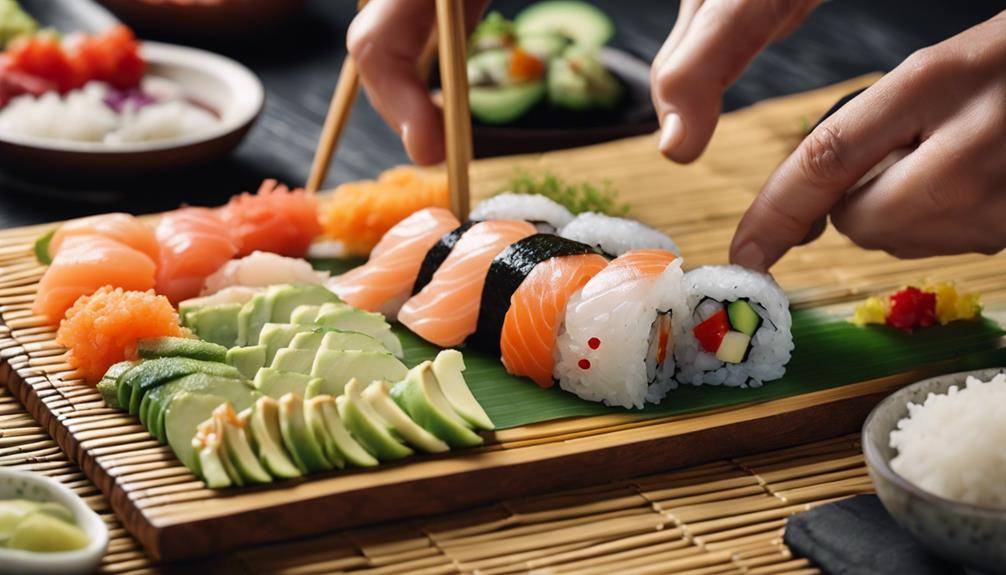
Techniques For Perfect Sushi Rolling Revealed: To achieve perfect sushi rolls, start with the right tools, like a bamboo mat and sharp knife. Choose high-quality, fresh ingredients and prepare your sushi rice properly by washing and seasoning it well. When laying out your nori, keep it shiny side down and spread rice evenly, leaving space at the top. Roll firmly but gently, tucking the mat to maintain shape, and always slice with a sharp knife for clean cuts. Avoid common mistakes like over-tightening your rolls. Stick around, and you'll uncover more tips and tricks to elevate your sushi-making skills!
Essential Sushi Rolling Tools
Click Here and Turn Every Masterpiece into a Showstopper!
To create perfect sushi rolls, having the right tools at your fingertips is vital. You'll want to start with a bamboo sushi mat, a classic tool that provides support and even pressure while rolling. This mat allows you to create tight, uniform rolls, which are essential for presentation and taste.
Next, consider investing in a sharp knife. A well-sharpened knife is one of the most important tools for sushi making. It guarantees clean cuts, preventing squished or torn rolls. You'll appreciate how a good knife makes slicing through your creations a breeze.
Don't overlook sushi rolling gadgets. A sushi bazooka, for example, can simplify the process, making it easier to achieve even rolls, especially if you're just starting out. These gadgets can also speed up your sushi-making, allowing you to impress friends and family with your skills in no time.
Additionally, a rice paddle is another must-have. It helps you spread the rice evenly across the nori without crushing it. This tool is particularly useful for guaranteeing the rice maintains its texture and flavor.
Choosing the Right Ingredients
Choosing the right ingredients is vital for crafting delicious sushi rolls that impress both the palate and the eyes. Start by focusing on sourcing seafood. Fresh, high-quality fish is essential for sushi; consider visiting local markets or trusted suppliers who prioritize sustainable practices. Look for fish that's been sustainably caught or farmed to guarantee you're making an environmentally friendly choice.
Next, don't overlook the importance of organic vegetables. Incorporating fresh, organic produce not only enhances the taste but also adds vibrant colors to your rolls. Think crisp cucumbers, ripe avocados, and crunchy carrots to create a delightful texture and visual appeal.
When it comes to sauces, choose quality options that complement your ingredients. A well-made soy sauce, spicy mayo, or tangy ponzu can elevate your sushi, balancing the flavors and enhancing the overall experience. Experiment with different sauces to find the perfect pairing for your unique flavor profiles.
Fresh herbs, like cilantro or shiso, can add a surprising twist to your rolls. These herbs bring freshness and complexity, enhancing the overall taste without overpowering the other ingredients.
Preparing Sushi Rice Perfectly
To make sushi rice that stands out, you need to start with the right type of rice. After choosing your rice, washing and soaking it properly is essential for achieving that perfect texture. Finally, don't forget to season your rice for that authentic flavor that elevates your sushi.
Choosing the Right Rice
When it comes to sushi, the rice is just as important as the fish, so getting it right is crucial. You need to choose the right sushi rice type to achieve that perfect balance of flavor and texture. The most common sushi rice types are short-grain and medium-grain varieties, known for their sticky and slightly chewy qualities. These types absorb flavors well and hold together beautifully when rolled.
When selecting your rice, consider the rice texture you want to achieve. Short-grain rice is often preferred because it creates a cohesive, sticky result that's perfect for rolling. If you opt for medium-grain, make sure it has a similar stickiness; otherwise, your sushi might fall apart.
You should also pay attention to the quality of the rice, as premium sushi rice can elevate your dish considerably. Look for rice labeled specifically for sushi, as this guarantees you're getting the right starch content. By choosing the right sushi rice type and focusing on the desired rice texture, you'll set a solid foundation for delicious, perfectly rolled sushi.
Washing and Soaking
Before you start cooking your sushi rice, washing and soaking it properly is essential for achieving the right consistency. Begin with sushi rice washing to remove excess starch. Place the rice in a bowl, cover it with cold water, and gently swirl it with your fingers. This helps to wash away the surface starch, which can lead to gummy rice. Drain the water carefully, repeating this process three to four times until the water runs relatively clear.
Next, focus on soaking techniques. After rinsing, let the rice sit in fresh water for about 30 minutes. This soaking step allows the grains to absorb some water, which results in a more even cooking process and a better texture. You'll want to make certain the rice is fully submerged.
Once the soaking time is up, drain the rice again and you're ready to cook. Proper washing and soaking not only enhance the texture but also guarantee your sushi rice will stick together perfectly when rolling. Follow these steps, and you'll be well on your way to making sushi that impresses!
Seasoning for Flavor
Seasoning sushi rice is vital for achieving that authentic flavor that makes your rolls stand out. To get it right, you'll need a perfect blend of rice vinegar, sugar, and salt. This combination not only enhances the rice's flavor but also brings a delightful umami enhancement that complements your fillings beautifully.
Start with a ratio of about 1/4 cup rice vinegar, 2 tablespoons sugar, and 1 teaspoon salt for every 2 cups of cooked rice. Heat this mixture gently until the sugar and salt dissolve, but don't let it boil. Once your rice is cooked and still warm, gently fold in the seasoning. Be careful not to crush the grains; you want a nice seasoning balance that guarantees every bite is flavorful without overpowering the delicate taste of the fish and vegetables.
After seasoning, let the rice cool to room temperature. This step is essential, as it allows the flavors to meld and the rice to achieve the right texture. With perfectly seasoned sushi rice, you'll elevate your sushi rolling game and create rolls that are sure to impress!
Mastering the Nori Technique
To create perfect sushi rolls, you need to start with high-quality nori. Make sure you place it correctly on your bamboo mat, as this sets the foundation for your roll. Getting these steps right will elevate your sushi-making game considerably.
Selecting Quality Nori
When you plunge into sushi rolling, selecting quality nori is essential for achieving that perfect roll. Nori grades play a significant role in determining the texture and flavor of your sushi. Look for higher-grade nori, which will be darker, shinier, and more uniform in color. This indicates that it's made from better quality seaweed and will contribute to a superior taste and texture.
You should also consider the thickness of the nori. Thinner sheets are more delicate and can break easily, while thicker sheets can be tougher to roll. Experiment with both to find what suits your style best.
Proper nori storage is important to maintaining its quality. Keep your nori in a cool, dry place, ideally in an airtight container. This prevents moisture from ruining its crispness and guarantees your nori stays fresh for your sushi-making adventures. If you live in a humid environment, consider placing a desiccant packet in the container to absorb excess moisture. With these tips, you'll be well on your way to selecting the best nori for your sushi rolls, setting the stage for a delicious experience.
Proper Nori Placement
Getting the nori placement just right is vital for a successful sushi roll. Start with a fresh sheet of nori, as freshness influences both flavor and texture. If you're using thicker nori types, it's important to lay it shiny side down on your bamboo mat. This helps maintain the nori's integrity as you roll.
Spread your rice evenly across the nori, leaving about an inch at the top. This gap prevents tearing when you finish the roll. Pay attention to the nori texture; a rougher surface allows for better adhesion with the rice, while a smoother one can slide off. If you notice any tearing, don't panic! You can use nori alternatives, like soy paper, which can be more forgiving.
For best results, store your nori in a cool, dry place to keep its freshness intact. Avoid exposing it to moisture, which can ruin its crispiness. Once you've mastered proper nori placement, you'll find that the quality of your rolls improves dramatically, enhancing the overall sushi experience. With practice, you'll create rolls that are not just delicious but visually stunning.
Creating Balanced Fillings
Balancing flavors and textures is essential for creating delicious sushi fillings. To achieve this, start by experimenting with vegetable combinations. Fresh vegetables like cucumber, avocado, and bell peppers add crunch and color harmony to your rolls. You'll want to mix these with a protein variety that suits your taste, such as shrimp, tuna, or tofu, ensuring a satisfying flavor balance.
Pay attention to ingredient ratios; a good rule of thumb is to keep your vegetables and proteins roughly equal. This helps maintain texture contrast while creating a well-rounded bite. Don't shy away from seasonal fillings either—using ingredients that are in season not only enhances flavor but also supports dietary considerations. For instance, in spring, consider asparagus and radishes, while in fall, pumpkin and root vegetables can provide a unique twist.
As you layer your fillings, think about how each ingredient contributes to the overall experience. Aim for a mix of soft and crunchy elements, which keeps your sushi exciting. Color harmony is also vital; a visually appealing roll can make your sushi even more appetizing. So, when you're crafting your fillings, take your time to select ingredients that complement each other in both taste and appearance. By focusing on these aspects, you'll create sushi rolls that are not only delicious but also visually stunning, taking your sushi game to the next level.
The Importance of Moisture
Moisture plays an essential role in achieving the perfect sushi roll, as it influences both the texture and flavor of your ingredients. When you're working with sushi rice, maintaining the right moisture level is vital. If it's too dry, the rice won't stick together, leaving you with a disorganized roll. On the other hand, overly moist rice can make your sushi sticky and difficult to handle.
Effective moisture control starts with how you prepare your ingredients. After cooking your sushi rice, let it cool properly while ensuring it retains enough moisture. You can do this by covering it with a damp cloth, which helps maintain humidity levels. This simple step can make all the difference in achieving that perfect, slightly sticky texture that binds your sushi together.
Additionally, be mindful of the ingredients you choose. Fresh vegetables and fish should also have the right moisture content. If you're using ingredients that are too watery, like cucumbers or certain types of fish, consider patting them dry with a paper towel before adding them to your roll. This helps avoid excess moisture that can compromise the integrity of your sushi.
Lastly, remember that the environment can affect your sushi-making process. High humidity levels in your kitchen can alter how your rice behaves. Adjust your techniques accordingly, so you can maintain the ideal moisture balance. By mastering moisture control, you'll take a significant step toward sushi rolling perfection.
Rolling Techniques Explained
When it comes to rolling sushi, mastering the right techniques is fundamental for creating a beautifully assembled roll. A solid understanding of sushi rolling history can give you insight into the evolution of these methods, helping you appreciate the art behind each roll. Start by laying your ingredients on the nori, ensuring they're evenly distributed. The placement is essential; balance is key to achieving a perfect roll.
Next, grip the nori firmly and begin to roll away from you. Use your fingers to tuck the ingredients snugly while applying gentle pressure. This technique is critical—too much pressure can squish the filling, while too little will result in a loose roll. As you roll, keep the seam side down to secure the roll and avoid unraveling.
For advanced techniques, consider the "sushi roll flip." This method involves rolling halfway, flipping the roll, and finishing it seam-side down. It's a great way to create intricate patterns and fillings without compromising the roll's integrity.
Don't forget to practice your knife skills as well. A sharp knife is a must for slicing through the roll cleanly, preventing any tearing or mess. With time and patience, you'll refine your rolling techniques, bringing your sushi-making skills to new heights. Remember, each roll you create is a reflection of your dedication to mastering this culinary art. Embrace the process, and enjoy the journey!
Using a Bamboo Mat
When it comes to sushi rolling, choosing the right bamboo mat is essential for achieving that perfect shape. You'll find that the way you use the mat can greatly affect your rolling technique and the final presentation of your sushi. Let's explore how to select the best mat and master your rolling skills.
Choosing the Right Mat
A bamboo mat is vital for perfect sushi rolling, providing the right balance of support and flexibility. When choosing your mat, consider the mat materials. Bamboo is the most popular choice due to its durability and ease of cleaning. Some mats are made from synthetic materials, but they lack the authentic feel and grip you'll want for sushi rolling.
Next, think about mat sizes. Most sushi mats are around 9.5 inches by 9.5 inches, which is a great standard size for making rolls. If you're planning on creating larger sushi rolls, you might want to look for a larger mat, around 14 inches by 14 inches. This extra space allows for more filling and helps guarantee your rolls won't fall apart during the rolling process.
Also, check the construction of the mat. Mats with tightly woven bamboo provide better support and prevent ingredients from sticking. In contrast, poorly made mats may warp or crack over time. By carefully selecting the right bamboo mat based on materials and sizes, you'll set yourself up for sushi rolling success and enjoy a more satisfying sushi-making experience.
Rolling Techniques Explained
Mastering sushi rolling techniques with a bamboo mat is vital for creating beautiful, cohesive rolls. Start by placing your nori on the mat, shiny side down. Spread your sushi rice evenly, leaving about an inch at the top. Don't worry if you've heard sushi rolling myths claiming you need to use a ton of rice—this isn't true! Less is often more, especially when you're applying advanced sushi techniques.
Next, add your fillings, ensuring they're not overloaded. This step is important; too much filling can lead to a messy roll. Now, lift the edge of the bamboo mat closest to you and start rolling away from you, tucking the nori tightly around the fillings. Use gentle pressure, allowing the mat to help shape the roll without crushing it.
As you roll, peel the mat away slightly to prevent it from sticking. Once you reach the exposed edge of the nori, wet it with a little water to seal the roll. Finally, let your roll rest for a moment before slicing. This method not only enhances presentation but heightens the overall flavor experience of your sushi. Enjoy your perfectly rolled creation!
Click Here and Turn Every Masterpiece into a Showstopper!
Achieving the Perfect Shape
To achieve the perfect shape in sushi rolling, you'll often find that practice makes a significant difference. Mastering sushi rolling techniques is essential for creating rolls that not only taste great but also look visually appealing. Start by laying your sushi mat flat and placing a sheet of nori on top, shiny side down.
When spreading the rice, be sure to cover the nori evenly, leaving about an inch at the top. This inch will help seal the roll later. The amount of rice you use can affect the sushi shape variations you can achieve. Too much rice can lead to a bulky roll, while too little may result in a loose structure. You'll want a firm yet gentle touch when applying pressure while rolling.
As you roll, tuck the edge of the mat closest to you over the filling, ensuring the ingredients are tightly packed. This initial tuck is vital for achieving a uniform shape. Use your fingers to guide the filling and rice as you roll, applying even pressure throughout. As you reach the exposed edge of the nori, moisten it with a little water to help it stick and seal the roll perfectly.
Slicing Sushi Rolls Cleanly
When it comes to slicing sushi rolls cleanly, using a sharp knife is essential. A dull blade can crush your beautiful rolls, ruining all your hard work. Let's explore some cutting technique tips to achieve those perfect, even slices.
Sharp Knife Importance
A sharp knife is essential for slicing sushi rolls cleanly and achieving that professional look. When your knife is sharp, it glides through the ingredients, preserving the integrity of the roll and maintaining the beautiful presentation. Nobody wants a sushi roll that looks squished or torn apart, right?
To keep your knife in prime shape, focus on proper sushi knife maintenance. Regular cleaning and drying after each use will prevent rust and maintain its edge. Additionally, using a proper cutting board can minimize wear and tear on your knife's blade.
Mastering knife sharpening techniques is vital for peak performance. Invest in a good whetstone or a professional-grade knife sharpener. Sharpen your knife at a 15 to 20-degree angle, and make sure to follow a consistent pattern for even sharpening. It's a good idea to check the sharpness by slicing through a piece of paper—if it cuts smoothly, you're ready to roll.
Cutting Technique Tips
Achieving clean slices of sushi rolls hinges on the right cutting techniques. First, you'll want to verify your knife is incredibly sharp—this is where knife maintenance comes into play. Regularly honing your knife will help it glide through the sushi without crushing the ingredients, which is essential for presenting beautiful rolls.
When you're ready to slice, pay attention to the cutting angles. Position your knife at a slight angle, typically around 30 degrees to the roll. This angle helps create a more aesthetically pleasing cut while verifying that you don't compress the sushi. Use a gentle sawing motion rather than pressing down too hard; this will minimize the risk of tearing the seaweed or squishing the fillings.
To achieve even pieces, aim for uniform slices, usually about one inch thick. After each cut, wipe the blade with a damp cloth to remove any residue—this keeps your cuts clean and prevents sticking. By mastering these cutting techniques, you'll elevate your sushi presentation, impressing your guests with perfectly sliced rolls that are as delicious as they are visually appealing.
Presentation Tips for Sushi
How can you make your sushi not just a meal, but a feast for the eyes? The presentation is key to elevating your sushi experience. Start with plating styles that complement your sushi's colors and shapes. A simple, elegant plate can highlight the vibrant hues of your rolls. Consider using dark-colored plates to create striking color contrasts with your sushi, making the colors pop.
Next, think about texture balance. Mix different types of sushi, like smooth nigiri with crispy tempura rolls, to create an appealing variety on your plate. This not only makes your dish visually interesting but also enhances the overall eating experience.
Garnish techniques play a crucial role too. Fresh herbs, like shiso or cilantro, can add a touch of green and freshness. You can also use thinly sliced radishes or colorful edible flowers to bring out the beauty in your creations.
Don't forget your serving suggestions! Arrange your sushi artfully, perhaps in a fan shape or in a cluster, and pair it with small bowls of dipping sauces. Soy sauce, spicy mayo, or ponzu can be served alongside, adding both flavor and visual interest.
Lastly, a sprinkle of sesame seeds or a drizzle of eel sauce can give your sushi that final, professional touch. With these presentation tips, your sushi will not only taste fantastic but also look incredible, impressing everyone at your table.
Common Mistakes to Avoid
Sushi rolling can be a fun and rewarding experience, but there are common mistakes that can ruin your efforts. One big pitfall is not using the right amount of rice. If you overload your sushi with rice, you'll struggle to roll it properly, and it may fall apart. Aim for a thin, even layer that allows your ingredients to shine.
Another mistake is neglecting sushi rolling etiquette. Always guarantee your ingredients are fresh and well-prepared. Using stale or unappetizing components can spoil the entire roll, no matter how perfect your technique is.
Many people also fall for common sushi myths, such as thinking that sushi can only be made with raw fish. In reality, sushi encompasses a variety of ingredients, so don't hesitate to experiment with cooked options like shrimp or vegetables.
Additionally, avoid rolling too tightly. While you want a firm roll, over-tightening can crush your ingredients and lead to a messy outcome. Practice finding the right balance.
Lastly, don't forget to keep your hands moist while working with rice. Dry hands will make it difficult to handle the sticky rice, leading to frustration and uneven rolls.
Flavor Pairing Ideas
When it comes to crafting delicious sushi, pairing flavors thoughtfully can elevate your rolls to new heights. Start by considering protein contrasts; for example, combining rich, fatty salmon with the light crunch of cucumber creates a delightful balance. You can also try mixing different proteins like shrimp and crab for a diverse taste experience.
Next, think about vegetable combinations. Avocado adds creaminess, while pickled radish offers a tangy kick. Don't shy away from using seasonal vegetables to incorporate regional flavors, such as asparagus in the spring or sweet potato in the fall.
For seasoning blends, incorporate wasabi or sesame seeds for an extra layer of flavor. When it comes to sauce pairings, consider a drizzle of spicy mayo or a tangy eel sauce to enhance your sushi.
Texture variations are essential, too. Aim for a mix of crunchy and soft elements in your rolls. For instance, adding tempura flakes can introduce a satisfying crunch alongside the smoothness of avocado.
Storing Leftover Sushi
Preserving the freshness of leftover sushi is essential to enjoying its full flavor potential. After you've savored your sushi rolls, it's important to store any leftovers properly to maintain their taste and texture. Start by placing your sushi in an airtight container. This helps create a seal that prevents air from drying out your rolls. If you're using a plastic wrap, make sure to wrap each piece tightly to minimize exposure to air.
When it comes to sushi storage, it's best to refrigerate your leftovers as soon as possible. Sushi made with raw fish should ideally be consumed within 24 hours, while vegetarian sushi can last up to 48 hours. Always keep your container in the coldest part of your fridge to guarantee the best leftover preservation. If you're worried about sogginess, consider removing any ingredients that may not hold up well in the fridge, like avocado or cucumber, before storing.
Reheating sushi isn't usually recommended, as it can compromise flavor and texture. However, if you must, try to enjoy it at room temperature instead of heating it up, which could alter its freshness. When you're ready to eat your stored sushi, check for any signs of spoilage, like off smells or discoloration, before indulging. Following these simple steps will help you enjoy your sushi leftovers without sacrificing quality.
Sushi Rolling Practice Exercises
Mastering the art of rolling sushi takes practice, but with the right exercises, you can develop your skills quickly. Start with basic sushi rolling drills that focus on form and technique. Use a bamboo mat and practice rolling with just rice and nori. This will help you get a feel for how the mat works and the amount of pressure you need to apply when rolling.
Once you're comfortable with the basics, introduce practice variations. Try adding different fillings, like cucumber, avocado, or crab. This will not only enhance your flavor combinations but also challenge your rolling technique. Experiment with ingredients that require different handling, like tempura or pickled vegetables, to refine your skills further.
Another effective drill is the "no-seaweed" roll. Instead of using nori, use thinly sliced vegetables, like cucumber or zucchini, as a wrap. This practice variation forces you to focus on the rice and filling balance, making you more adept at creating tight rolls without the seaweed's support.
Click Here and Turn Every Masterpiece into a Showstopper!
Frequently Asked Questions: Techniques For Perfect Sushi Rolling Revealed
How Long Can Sushi Keep in the Fridge Safely?
Sushi can safely stay in the fridge for about 24 hours. Check for freshness indicators like smell and texture before eating. Proper sushi storage helps maintain its quality, so enjoy it while it's still fresh!
Can I Use Brown Rice for Sushi Rolling?
Yes, you can use brown rice for sushi rolling. It adds health benefits and a nutty flavor. However, the sushi texture might differ; brown rice is chewier and denser than traditional white rice, affecting your rolls.
Is It Necessary to Use Sushi-Grade Fish?
Using sushi-grade fish isn't strictly necessary, but it guarantees better fish quality and sushi safety. If you choose other fish, make sure it's fresh and properly handled to minimize health risks. Enjoy your sushi-making!
What Are Vegan Alternatives for Sushi Fillings?
When making vegan sushi, consider using tofu fillings for protein and avocado variations for creaminess. You can also add cucumber, carrots, or pickled radish to create delicious, colorful rolls that everyone will enjoy!
How Can I Improve My Sushi Rolling Speed?
To improve your sushi rolling speed, practice efficient sushi rolling techniques and choose the right sushi mat options. A bamboo mat offers better support, while silicone mats can speed up the process and enhance your confidence.

Conclusion
Now that you've learned the pro techniques for perfect sushi rolling, it's time to put your skills to the test! Gather your tools, choose your favorite ingredients, and start rolling. Remember to practice the nori technique and experiment with different fillings to find your perfect combination. Don't forget to avoid common mistakes and explore flavor pairings. With a little practice, you'll be impressing friends and family with your homemade sushi in no time! Enjoy the journey!