Four Essential Homemade Grilling Sauces Recipes
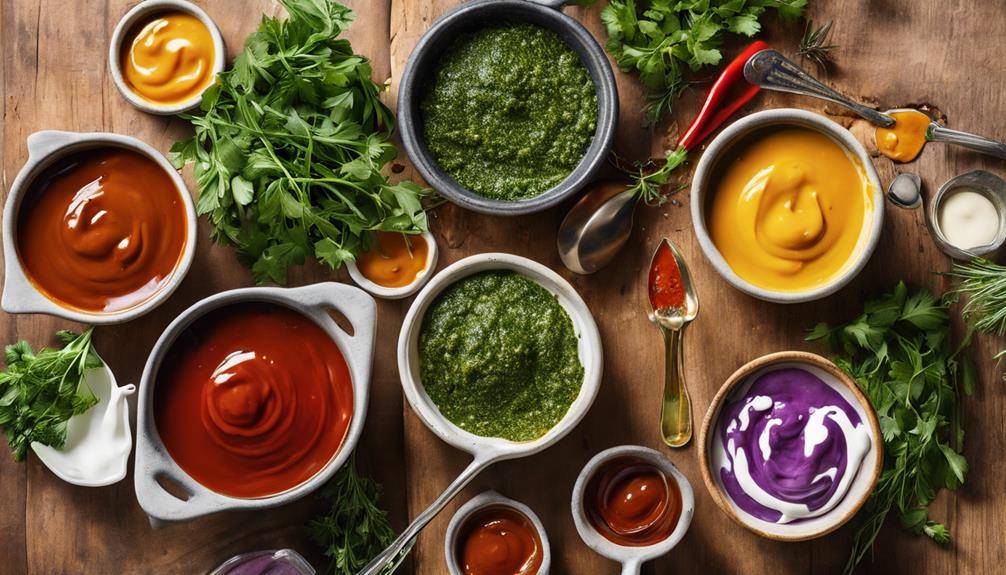
Essential Homemade Grilling Sauces Recipes: To amp up your grilling game, try these four essential homemade sauces. First, whip up a classic barbecue sauce using ketchup, apple cider vinegar, and brown sugar for a sweet and tangy kick. Next, make a sweet and spicy blend with brown sugar, honey, and hot sauce for a flavorful glaze. For something zesty, prepare a mustard marinade with yellow mustard and garlic powder. Finally, an herby chimichurri sauce made with parsley and vinegar will add brightness to your meats. Stick around to discover tips for perfecting these sauces and enhancing your grilling experience!
Importance of Grilling Sauces
Click Here and Turn Every Masterpiece into a Showstopper!
Grilling sauces play an essential role in enhancing the flavor of your meals. They bring a burst of taste that can elevate your grilled dishes from ordinary to extraordinary. Whether you're slathering it on meats, drizzling it over vegetables, or using it as a marinade, the right sauce can transform your grilling experience. You might find that each region has its own grilling traditions, with unique sauces that reflect local tastes and ingredients.
Exploring sauce origins can also deepen your appreciation for these flavorful concoctions. For instance, barbecue sauce has roots in various cultures, from the vinegar-based sauces of the Carolinas to the tomato-based varieties popularized in Kansas City. By understanding these origins, you can better appreciate how different elements contribute to the sauce's flavor profile.
Incorporating homemade sauces into your grilling routine not only allows you to customize flavors but also connects you to these rich traditions. You can experiment with different ingredients, blending sweet, tangy, and spicy elements to create a sauce that suits your palate perfectly. With every grill session, you'll be participating in a culinary legacy that spans generations.
Basic Ingredients for Sauces
When you're whipping up a grilling sauce, knowing the basic ingredients is key. You'll want to explore common components, flavor enhancers, and essential pantry staples that elevate your sauces. Let's break down what you need to create delicious, homemade flavors.
Common Sauce Components
Creating delicious homemade grilling sauces starts with understanding the common components that elevate flavors. First, you'll want to contemplate your base ingredients, which can range from tomatoes, mustard, or vinegar to yogurt or mayonnaise. These bases set the stage for your sauce textures, whether you're aiming for something smooth, chunky, or creamy.
Next, think about sweeteners. Honey, brown sugar, or maple syrup can balance acidity and bring depth to your sauce. Acidic components like citrus juice or vinegar add brightness, cutting through richness and enhancing taste. Don't forget about spices and herbs; they contribute complexity and aroma, giving your sauce that extra punch.
Flavor Enhancers to Consider
To elevate your homemade grilling sauces further, consider incorporating flavor enhancers that can transform a basic recipe into something extraordinary. These enhancements will help you create rich, complex flavor profiles that your guests will love.
Start with umami boosters like soy sauce, miso, or Worcestershire sauce. These ingredients add depth and a savory richness that enhances the overall taste. For a bit of sweetness, think about adding honey, maple syrup, or brown sugar, which can balance out acidity and bring harmony to your sauce.
Acidity is essential too; a splash of vinegar or citrus juice can brighten flavors and cut through richness. Don't forget about herbs and spices—fresh basil, cilantro, or smoked paprika can add a layer of freshness or smokiness that elevates your sauce.
Essential Pantry Staples
Having a well-stocked pantry is key to whipping up delicious grilling sauces. To start, you'll want to gather essential ingredients like olive oil, vinegar, soy sauce, and various herbs and spices. These staples serve as the base for many sauces, allowing you to create diverse flavors with ease.
For your pantry organization, consider grouping similar items together—this way, you'll easily find what you need when inspiration strikes. Don't forget about sweeteners like honey or brown sugar, which can balance out acidity and enhance the overall flavor.
Essential tools, such as measuring spoons, a whisk, or a blender, will also make the sauce-making process smoother. Having a reliable container for storage is vital too; opt for airtight jars to keep your sauces fresh longer.
Classic Barbecue Sauce Recipe
A classic barbecue sauce can elevate your grilling game, transforming even the simplest meats into mouthwatering delights. This sauce strikes a perfect balance between tangy, sweet, and smoky flavors, making it a go-to for any barbecue enthusiast. You'll find that making your own sauce is not only simple but also allows you to customize it to your taste.
To create your classic barbecue sauce, gather the following ingredients: 1 cup of ketchup, 1/4 cup of apple cider vinegar, 1/4 cup of brown sugar, 1 tablespoon of Worcestershire sauce, 1 teaspoon of smoked paprika, and a pinch of salt and pepper. Combine all ingredients in a saucepan over medium heat, stirring until well mixed. Let it simmer for about 15 minutes, allowing the flavors to meld and develop that signature smoky flavor.
Feel free to tweak the recipe to suit your preferences. Some regions prefer a sweeter sauce, while others might enjoy a spicier kick. You can add a dash of hot sauce or even a tablespoon of mustard for an extra zing. Experimenting with these regional variations can help you discover your favorite version.
Once your sauce is ready, slather it on grilled chicken, ribs, or burgers. It's a versatile condiment that will impress your family and friends at any cookout. With this classic barbecue sauce recipe in your arsenal, you're well on your way to becoming a grilling guru.
Sweet and Spicy Sauce
If you're looking to add a little heat to your grilling repertoire, a sweet and spicy sauce is the perfect choice. This sauce brings together the spicy sweetness that'll elevate your grilled meats and veggies, creating a flavor balance that's hard to resist. You can easily whip up this sauce at home, and it'll soon become your go-to condiment.
To create this delicious sauce, you'll need a few simple ingredients: brown sugar, honey, hot sauce, garlic powder, and a splash of soy sauce. Start by combining half a cup of brown sugar with a quarter cup of honey in a saucepan over medium heat. Stir until the sugar dissolves completely, then add a few tablespoons of your favorite hot sauce. This adds the heat you desire. For a deeper flavor, toss in a teaspoon of garlic powder and a splash of soy sauce to round out the taste.
Once everything's well mixed, let the sauce simmer for about five to ten minutes until it thickens slightly. Make sure to taste it along the way; you might want to adjust the levels of sweetness or spice to match your palate.
Brush it generously on chicken, ribs, or even grilled veggies. The sweet and spicy notes come together beautifully, leaving your guests craving more. So fire up the grill, and give your meals that irresistible kick with this homemade sweet and spicy sauce!
Tangy Mustard Marinade
If you're looking to add some zing to your grilled meats, a tangy mustard marinade is the way to go. Let's break down the key ingredients that make this marinade stand out and explore the perfect pairings to enhance your grilling experience. You'll find that this bold flavor complements a variety of proteins beautifully.
Key Ingredients Explained
Tangy mustard marinade packs a flavorful punch, making it a perfect choice for grilling enthusiasts. The key flavor profiles in this marinade come from mustard's sharpness, complemented by vinegar's acidity and a touch of sweetness. Together, these elements create a balanced taste that enhances your grilled meats and veggies.
When you're whipping up this marinade, the primary ingredients include yellow mustard, apple cider vinegar, honey, and a blend of spices like garlic powder and paprika. Each of these brings a distinct layer to the overall flavor, ensuring your dishes are anything but ordinary. If you're looking for ingredient substitutions, feel free to experiment with Dijon mustard for a more refined taste or maple syrup instead of honey for a different sweetness.
Don't forget the importance of seasoning, too! A pinch of salt and pepper can elevate your marinade, while herbs like thyme or rosemary add freshness. Whether you're grilling chicken, pork, or veggies, this tangy mustard marinade will infuse your food with vibrant flavors, ensuring your next barbecue is a hit.
Perfect Pairings Suggestions
The right pairings can elevate your tangy mustard marinade to new heights, making your grilled dishes even more delightful. When you think about sauce flavor profiles, consider how the sharpness of mustard complements various meats. For instance, grilled chicken or pork pairs beautifully, as the tangy marinade cuts through the richness, enhancing each bite.
For a delicious twist, try incorporating seasonal sauce variations. During summer, add fresh herbs like basil or dill for a vibrant flavor. In the fall, mix in roasted garlic or a hint of maple for a deeper sweetness that balances the tanginess.
Vegetables also benefit from this marinade. Grilled asparagus or zucchini drizzled with the tangy mustard sauce brings out their natural flavors, creating a well-rounded meal.
Don't forget about sides! A creamy coleslaw or a potato salad can be the perfect accompaniment, with their textures and flavors complementing your grilled dishes.
Zesty Chimichurri Sauce
Chimichurri sauce bursts with vibrant flavors, making it a perfect companion for grilled meats and vegetables. This Argentinian condiment combines fresh herbs, garlic, vinegar, and olive oil to create a zesty sauce that elevates any dish you're grilling. You'll appreciate how easy it is to whip up, and you can tailor it to your taste with various chimichurri variations.
Start with a base of parsley and cilantro, finely chopped for that fresh kick. Add minced garlic, red pepper flakes, and a splash of red wine vinegar for acidity. Drizzle in high-quality olive oil until you reach your desired consistency. If you're feeling adventurous, switch up the herbs or add ingredients like oregano or even mint for a unique twist.
When you're ready to grill, remember these grilling tips: let your meat rest after cooking, and then drizzle it with chimichurri just before serving. This way, the sauce will enhance the flavors without overpowering them. You can also use chimichurri as a marinade; just let your meat soak in the sauce for a few hours before grilling to absorb those delicious flavors.
Whether you're grilling steak, chicken, or veggies, chimichurri sauce adds a bright, fresh element that's hard to resist. So, gather your ingredients, fire up the grill, and enjoy the bold taste of homemade zesty chimichurri sauce!
Tips for Flavor Enhancements
To elevate your homemade grilling sauces, consider incorporating fresh herbs and spices for a vibrant kick. Balancing sweet and savory elements can create a more complex flavor profile that tantalizes the taste buds. Don't forget to add acidic ingredients; they bring brightness and enhance the overall taste of your sauce.
Fresh Herbs and Spices
When grilling, fresh herbs and spices can elevate your sauces from ordinary to extraordinary. Start by focusing on your herb selection. Ingredients like basil, cilantro, and rosemary bring vibrant flavors to your sauces, whether you're making a tangy barbecue or a zesty vinaigrette. Choosing herbs that complement the main dish can create a harmonious balance in your meal.
Next, consider spice combinations to enhance depth. For instance, mixing smoked paprika with garlic powder adds a smoky richness, while a pinch of cayenne can introduce a delightful kick. Don't hesitate to experiment, but remember that a little goes a long way.
To truly make your sauces shine, chop your herbs finely to release their essential oils and incorporate them just before serving. This guarantees that their fresh flavors pop. Also, try toasting your spices lightly before adding them to the mix; this can reveal new dimensions of flavor.
Ultimately, playing with fresh herbs and spices not only enhances your sauces but also allows you to personalize them. So, grab your favorite herbs and spices, and get creative with your grilling sauces!
Sweet and Savory Balance
Finding the right balance between sweet and savory is key to creating standout grilling sauces. When you combine these two flavor profiles, you elevate your dishes from ordinary to extraordinary. Start by experimenting with ingredients like honey or brown sugar for sweetness, and complement them with soy sauce or Worcestershire sauce for that savory kick.
If you find yourself short on an ingredient, don't hesitate to make flavor substitutions. Maple syrup can replace honey, while balsamic vinegar can stand in for soy sauce, bringing its own unique twist. Taste as you go, adjusting the sweetness or saltiness to match your palate.
Consider adding garlic or onion to enhance the savory notes further. A pinch of smoked paprika can also add depth to your sauce, balancing the sweetness beautifully.
Acidic Ingredients for Brightness
Incorporating acidic ingredients can considerably enhance the brightness of your grilling sauces. By adding ingredients like vinegar, lemon juice, or even citrus zest, you create an acidic balance that cuts through the richness of your grilled meats. This contrast not only elevates flavors but also adds an invigorating twist that makes your sauces pop.
When you're experimenting, think about the type of acidity you're introducing. For instance, a splash of balsamic vinegar can bring a sweet tang, while a squeeze of fresh lime juice offers a sharp, zesty kick. Citrus zest is especially useful; it brings not just acidity but also aromatic oils that infuse your sauces with depth and complexity.
Don't forget to taste as you go. Adjusting the acidity can make or break your sauce, so start with small amounts. If you find your sauce too tart, you can balance it out with a bit of sweetness. Remember, the goal is to achieve a harmonious blend of flavors. With the right acidic ingredients, you'll enhance the overall experience of your grilled dishes and impress your guests.
Storing Your Sauces
Storing your homemade grilling sauces properly is essential for maintaining their flavor and freshness. After you've whipped up a batch of delicious sauces, how you store them can make all the difference. First, always use clean, airtight containers for sauce storage. Glass jars or plastic containers with tight-fitting lids work best. Avoid using reused containers that might retain previous flavors or bacteria.
Refrigeration tips are vital when it comes to prolonging your sauces' shelf life. Most homemade sauces can last about one to two weeks in the fridge. Make sure to label your containers with the date, so you'll know when to use them by. If you notice any changes in color, texture, or smell, it's best to toss them out.
For longer storage, consider freezing your sauces. Pour them into freezer-safe bags, remove as much air as possible, and lay them flat in the freezer. This method saves space and allows for easy thawing. When you're ready to use them, simply transfer the desired amount to the fridge a day before or warm them gently in a saucepan.
Click Here and Turn Every Masterpiece into a Showstopper!
Pairing Sauces With Meats
Once you've got your homemade grilling sauces stored away, it's time to reflect on how to pair them with meats for the ultimate flavor experience. The right sauce can elevate any dish, but it's crucial to take into account sauce consistency and the type of meat you're using. For instance, a thick barbecue sauce clings beautifully to ribs, while a thinner vinaigrette works wonders on grilled chicken or fish, allowing the meat's flavor to shine through.
Regional variations also play a significant role in your pairing choices. If you're grilling up some Texan brisket, a smoky, slightly sweet sauce complements its rich flavor perfectly. On the other hand, a tangy mustard-based sauce is ideal for South Carolina pulled pork, providing that necessary acidity to cut through the meat's richness.
When you're working with beef, a bold sauce with a bit of heat—like a spicy chimichurri—can really enhance the flavor. For lighter meats like turkey or chicken, think about a citrus-based sauce, which brightens the dish and adds a revitalizing kick.
Don't forget about seafood! A zesty lemon-dill sauce pairs excellently with grilled salmon, while a savory soy-ginger glaze enhances shrimp skewers.
Experiment with these combinations, and trust your taste buds. The right sauce can transform your grilling experience, making every bite a delightful journey of flavors.
Vegetarian Options
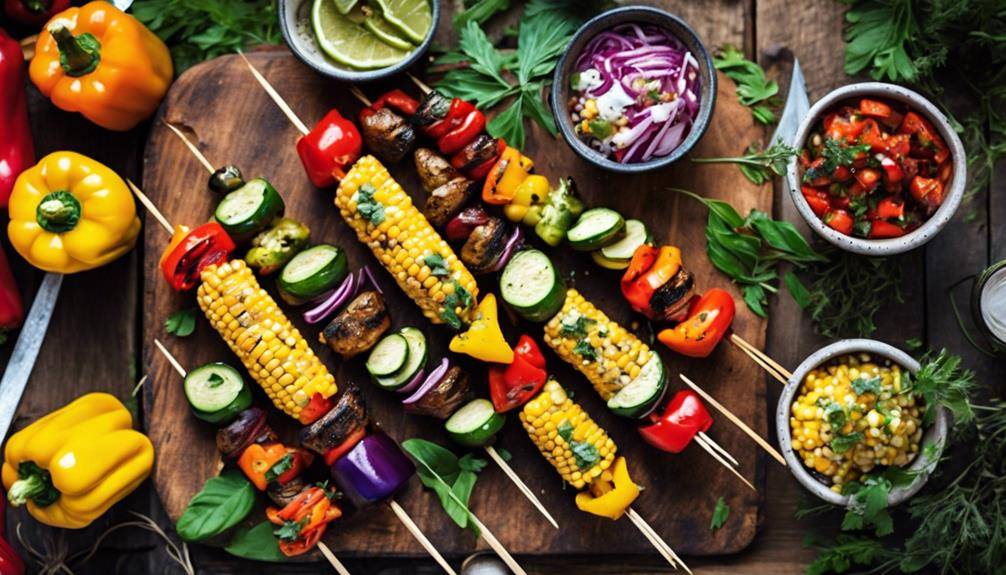
Grilling isn't just for meat lovers; there are plenty of delicious vegetarian options that can shine on the barbecue. With a little creativity, you can elevate your vegetarian grilling game and impress your guests. Start with hearty vegetables like zucchini, bell peppers, and eggplant. These veggies hold up well on the grill and develop a smoky flavor that's irresistible. You can slice them thick and marinate them in a tangy homemade sauce to enhance their natural sweetness.
Don't forget about plant-based proteins! Grilled tofu or tempeh absorbs flavors beautifully. Before grilling, you can marinate these proteins in a zesty sauce of your choice, allowing for ample sauce customization. A simple mix of soy sauce, garlic, and ginger makes a fantastic marinade that you can tweak to your liking.
Additionally, consider grilling fruits like pineapples and peaches. They caramelize wonderfully and add a sweet touch to your vegetarian dishes. Just brush them with a bit of honey or balsamic glaze before tossing them on the grill.
If you want to make your vegetarian grilling options even more exciting, try pairing them with homemade sauces. A spicy chimichurri, a creamy avocado dressing, or a zesty salsa can transform simple grilled vegetables into a mouthwatering feast. With a few key ingredients and a bit of imagination, you can create vegetarian grilling experiences that are just as satisfying as their meaty counterparts. Enjoy your grilling adventure!
Sauce Variations to Try
When you're ready to mix things up, consider trying a sweet and spicy blend for a kick of flavor. Herb-infused variations can elevate your grilling game, adding freshness and depth. Or, if you're in the mood for something zesty, tangy citrus options can brighten up any dish.
Sweet and Spicy Blend
A delightful balance of sweetness and heat can elevate your grilling experience to new heights. When you're looking for that irresistible sweet heat, consider experimenting with different ingredients to create a unique flavor profile that suits your palate. Start with a base of honey or brown sugar for that initial sweetness, then add some heat with cayenne pepper, jalapeños, or even sriracha.
For a smoky twist, try incorporating chipotle peppers in adobo sauce. The combination of sweet and spicy will not only enhance grilled chicken or ribs but will also work wonders on vegetables. If you want a tangy element, mix in some apple cider vinegar for a zesty kick.
Don't forget about adding fresh fruits! Pineapple, mango, or peach can contribute to the sweet profile while also providing additional texture. Blend everything together for a smooth sauce or leave it chunky for a more rustic feel. Remember, you can adjust the ratios to match your personal taste. With this sweet and spicy blend, you're sure to impress your family and friends during your next BBQ. Enjoy the flavorful journey!
Herb-Infused Variations
Infusing your sauces with fresh herbs can transform ordinary recipes into extraordinary flavor experiences. Start by choosing the right herb selection based on your main dish. For a savory grilled chicken, consider basil or rosemary. If you're grilling fish, dill or parsley adds a rejuvenating touch.
Next, explore different infusion techniques to maximize flavor. One effective method is to create a herbal oil. Simply combine your chosen herbs with a neutral oil, heat gently, and allow the mixture to steep for at least an hour. This will extract essential oils, giving you a vibrant base for your sauce.
Another technique is to chop fresh herbs finely and mix them directly into sauce bases, allowing them to meld during cooking. For a zesty twist, consider blending herbs with vinegar or citrus juices to create a tangy herb marinade.
Don't be afraid to experiment with combinations like cilantro and lime for a fresh kick or thyme with garlic for a classic touch. Each infusion will enhance your grilling experience, adding depth and complexity to your dishes. Enjoy your culinary adventure with these herb-infused variations!
Tangy Citrus Options
While citrus fruits can brighten up any dish, their tangy zest is especially perfect for grilling sauces. You can elevate your grilling game by creating sauces that bring a revitalizing burst of flavor. Start with a classic lemon garlic sauce. Combine fresh lemon juice, minced garlic, olive oil, and a pinch of salt. This sauce offers a zesty kick that complements grilled chicken beautifully.
Another option is a citrus-honey glaze. Mix orange juice, honey, soy sauce, and a dash of ginger for a sweet and tangy flavor balance. Brush it over salmon or veggies for a delightful twist.
If you're in the mood for something bolder, try a grapefruit chipotle sauce. Blend grapefruit juice, chipotle peppers in adobo, and honey to create a smoky, citrusy sauce that pairs well with pork or shrimp.
Lastly, don't overlook lime cilantro sauce. Combine lime juice, fresh cilantro, garlic, and jalapeño for a zesty kick that works wonders on tacos or grilled fish. These tangy citrus options will add a vibrant layer to your grilled dishes that you won't want to miss!
Grilling Techniques for Best Results
To achieve the best results when grilling, mastering a few essential techniques can make all the difference. Start with proper meat preparation. Choose your cuts wisely; thicker pieces like steaks and chicken breasts require different cooking times than thinner ones like burgers or kebabs. Season your meat generously with salt and pepper, or marinate it ahead of time for enhanced flavor.
Next, preheat your grill. Whether you're using gas or charcoal, achieving the right temperature is vital. For direct grilling, aim for a high heat, around 450-500°F, while indirect grilling suits larger cuts that need longer cooking times. Don't forget to oil your grill grates to prevent sticking.
When it's time to cook, use the right grilling techniques. Place your meat on the grill and let it sear without moving it too much; this forms a delicious crust. Flip it only once to lock in juices. Use a meat thermometer to check doneness—medium-rare beef should reach about 130°F, while chicken needs to hit 165°F.
Creative Uses for Leftover Sauces
Leftover sauces can be a treasure trove of flavor waiting to be repurposed in your kitchen. Instead of letting them sit in your fridge, take advantage of their potential. Proper sauce storage is key; make sure to keep them in airtight containers to maintain freshness.
One creative way to use leftover sauces is as a marinade for meats. Whether it's a tangy barbecue sauce or a zesty chimichurri, marinating can enhance the flavor of chicken, beef, or even tofu. Simply coat your protein and let it sit for a few hours before grilling or roasting.
You can also transform sauces into salad dressings. Mix a bit of leftover vinaigrette or a spicy sauce with olive oil and vinegar for a quick and flavorful dressing. This is a great way to add a unique twist to your salads.
Another fun idea is to use your sauces in stir-fries. A bit of leftover teriyaki or soy sauce can elevate your veggies and proteins, making for a quick and delicious meal. Just toss everything in a hot pan and let those flavors meld.
Don't forget about using sauces in soups or stews. A dollop of leftover sauce can add depth and complexity to your favorite recipes.
Conclusion and Final Thoughts
As you wrap up your grilling adventures, remember that homemade sauces not only elevate your dishes but also open up a world of culinary creativity. You've explored various flavors and techniques, and now it's time to take those skills and apply them in your backyard. Each sauce you've crafted has a story, reflecting your unique tastes and honoring grilling traditions passed down through generations.
Think about how you can enhance your sauce presentation. A well-presented sauce can transform an ordinary meal into something extraordinary. Consider serving your sauces in charming little bowls or drizzling them artistically over your grilled meats. This not only makes your meal visually appealing but also invites your guests to immerse themselves in the flavors you've worked hard to create.
Don't hesitate to experiment further. The beauty of homemade sauces lies in their versatility. Mix and match ingredients to discover new combinations that surprise your taste buds. Whether you prefer tangy, spicy, or sweet, there's always room to innovate while honoring the grilling traditions you cherish.
Click Here and Turn Every Masterpiece into a Showstopper!
Frequently Asked Questions: Essential Homemade Grilling Sauces Recipes
Can I Use Store-Bought Ingredients for Homemade Sauces?
Yes, you can use store-bought ingredients for homemade sauces. They offer store-bought convenience and can greatly enhance flavor. Just mix them creatively with fresh ingredients to elevate your sauces and save time in the kitchen.
How Long Can I Store Homemade Sauces in the Fridge?
You can store homemade sauces in the fridge for about one to two weeks. To guarantee sauce shelf life and flavor enhancement, always keep them in airtight containers and check for any signs of spoilage regularly.
Are These Sauces Suitable for Marinating Vegetables?
Absolutely, these sauces are great for vegetable marination! Their flavors enhance the veggies beautifully, and their sauce compatibility guarantees you get a delicious, well-marinated result every time. Enjoy experimenting with your favorite vegetables!
Can I Freeze Homemade Grilling Sauces for Later Use?
Yes, you can freeze homemade grilling sauces for later use. Just guarantee the sauce consistency is right and the flavor balance is maintained. Portion them in airtight containers to keep the flavors intact when you thaw them.
What Safety Tips Should I Follow While Grilling With Sauces?
When grilling, prioritize grilling safety by keeping raw meat separate from sauces. Use sauce hygiene practices, like storing sauces in clean containers and avoiding cross-contamination, to guarantee a safe and enjoyable grilling experience.

Conclusion
Incorporating these homemade grilling sauces into your cookouts can elevate your meals to a whole new level. With just a few basic ingredients and simple recipes, you can create flavors that impress your family and friends. Don't hesitate to experiment with variations and get creative with leftovers. Remember, the key to great grilling is not just the meat, but also the sauces that complement it. So, fire up that grill and enjoy the delicious results!