Secret Tips For Authentic Homemade Italian Sauces
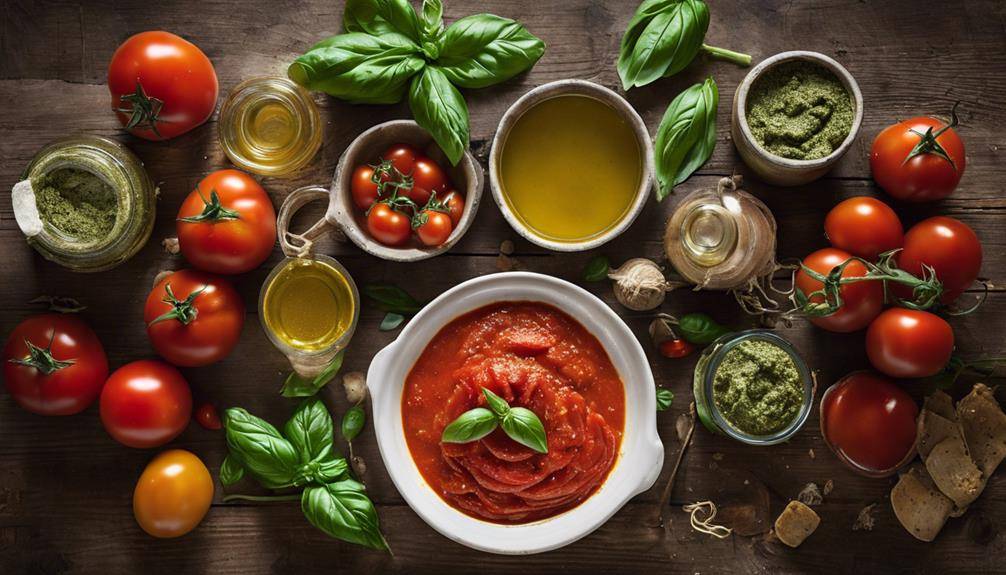
Tips For Authentic Homemade Italian Sauces: To whip up authentic homemade Italian sauces, focus on quality ingredients and fresh herbs. Choose heirloom tomatoes for their rich flavor, and don't shy away from using seasonal vegetables. Embrace simplicity by sautéing garlic in good olive oil before adding your tomatoes. Allow your sauce to simmer; this melding of flavors is key. Use fresh herbs at the end of cooking for maximum aroma and taste. Experiment with different olive oils to enhance flavor depth. Finally, adjust your sauce's consistency by simmering or adding liquid as needed. Stick around, and you'll uncover even more tips to elevate your sauce-making game!
Choose Quality Ingredients
Click Here and Turn Every Masterpiece into a Showstopper!
When it comes to making homemade Italian sauces, choosing quality ingredients is vital for achieving that authentic flavor. You should start by exploring your local markets, where you can find fresh, organic produce that elevates your sauce. Seasonal cooking is key, so pay attention to what's in season; this not only enhances ingredient freshness but also helps you connect with the local food community.
When selecting your tomatoes, for instance, opt for heirloom varieties grown through sustainable sourcing methods. These tomatoes boast rich flavor profiles that can transform a simple sauce into a culinary masterpiece. Don't forget to look for artisan goods, like handcrafted olive oil and specialty cheeses, which can add depth and character to your dishes.
Quality control is important, too. Look for vendors who prioritize the quality of their ingredients over mass production. This guarantees you're getting the best flavors and nutrients, making your sauce not only delicious but also wholesome. If you can, build relationships with local farmers or vendors; they'll often share tips on how to select the best produce and may even offer exclusive seasonal items.
Fresh Herbs Matter
When you're making homemade Italian sauces, fresh herbs can make all the difference. Choosing the right herbs and knowing how to pair them properly elevates your dish from good to unforgettable. Let's explore the benefits of fresh versus dried herbs and how to select the perfect ones for your sauce.
Choosing the Right Herbs
Selecting the right herbs can elevate your homemade Italian sauces from ordinary to extraordinary. When it comes to herb selection, think about the flavor profiles you want to achieve. Fresh basil's sweet, peppery notes can brighten up a marinara, while oregano adds a robust, earthy depth. Don't forget about parsley, which can add a rejuvenating touch to rich sauces.
Consider the balance of flavors in your dish. For a rich Bolognese, a combination of thyme and rosemary can complement the meat beautifully. If you're making a light pesto, fresh basil and garlic will shine through, giving you that authentic Italian taste.
Always opt for fresh herbs when possible. They pack more punch and aroma than dried alternatives. Even a small handful can transform your sauce into something special. Remember, the key is to infuse your sauce with herbs that enhance, rather than overpower, your main ingredients.
Experiment and taste as you go; you'll find the right mix that suits your palate. With the right herb selection, you'll be well on your way to creating sauces that are truly memorable.
Fresh Vs. Dried Herbs
Fresh herbs can make a significant difference in the flavor of your Italian sauces. When you use fresh basil, parsley, or oregano, you're adding bright, vibrant notes that dried herbs simply can't replicate. While dried herbs have their place, their potency diminishes over time, which means you might not get the rich, aromatic qualities you desire in your sauce.
To maximize the benefits of fresh herbs, proper fresh herb storage is essential. Keep them in a glass of water in your fridge or wrap them in a damp paper towel to maintain their freshness longer. This way, you'll have ready-to-use herbs that enhance your dish instead of stale, flavorless ones.
When making sauces, consider adding fresh herbs towards the end of cooking to preserve their essential oils and flavors. Dried herbs, on the other hand, can be added earlier in the cooking process to allow their flavors to infuse gradually. However, if you want that fresh, garden-like taste that truly elevates your Italian dish, opt for fresh herbs whenever you can. The difference will be noticeable, and your sauce will thank you for it.
Herb Pairing Techniques
Herbs can transform a simple Italian sauce into a culinary masterpiece, and knowing how to pair them effectively is key. Start by considering the primary ingredients in your sauce. For tomato-based sauces, basil and oregano are classic companions; they enhance the natural sweetness of tomatoes. If you're crafting a cream sauce, fresh parsley or chives can add a bright touch without overwhelming the dish.
When herb harvesting, always choose fresh herbs over dried when possible. Fresh herbs provide a more vibrant flavor infusion and aroma that dried options just can't match. Chop them right before adding to your sauce to capture their essential oils.
Consider the balance of flavors. If your sauce leans toward the rich and hearty, like a Bolognese, try adding rosemary or thyme for depth. For lighter sauces, like a simple olive oil and garlic mix, a sprinkle of fresh basil or mint can elevate the dish beautifully.
Experiment with combinations, but remember that less is often more. Start with a small amount, taste, and adjust as needed. With the right herb pairings, your sauces will shine with authentic Italian flair.
Use Seasonal Vegetables
Using seasonal vegetables can transform your homemade Italian sauces into vibrant and flavorful dishes. When you choose seasonal varieties, you're not only enhancing the taste but also supporting local sourcing. Fresh, in-season produce is packed with flavor and nutrients, making it a game changer for your sauces.
Imagine a luscious tomato sauce crafted from ripe, juicy tomatoes picked at their peak. Whether you're using heirloom tomatoes in summer or roasted root vegetables in fall, each season offers unique ingredients that can elevate your sauce. Think of adding fresh zucchini, eggplant, or bell peppers during the warmer months. In the cooler months, you might consider hearty vegetables like butternut squash or kale. These seasonal varieties provide depth and richness to your sauces, making them truly memorable.
Shopping at local farmers' markets is a fantastic way to discover what's in season. You'll find a diverse array of fresh produce, often at its most flavorful. Plus, you're supporting your community while ensuring your sauces are made with the best ingredients available. When you cook with seasonal vegetables, you'll notice how the flavors meld beautifully, creating a sauce that tastes like it's straight from an Italian kitchen.
Next time you whip up a sauce, remember to check what vegetables are in season. It's a simple yet effective way to bring authenticity and freshness to your homemade Italian sauces. Your taste buds will thank you!
Embrace the Simplicity
When you embrace simplicity in your cooking, fresh ingredients really shine through. Using minimalist techniques allows the natural flavors to stand out, making your sauces more delicious. You'll find that less can truly be more when it comes to homemade Italian sauces.
Fresh Ingredients Matter
Why settle for store-bought sauces when fresh ingredients can elevate your homemade Italian dishes? By using fresh, high-quality ingredients, you'll bring out vibrant flavors that jarred sauces simply can't match. Start by visiting local markets to find the ripest tomatoes, fragrant basil, and robust garlic. These ingredients form the heart of any authentic Italian sauce.
Seasonal sourcing is key; when you choose produce at its peak, you'll enhance the taste and nutritional value of your sauces. For example, summer tomatoes burst with sweetness, making them perfect for a classic marinara, while hearty winter vegetables can add depth to a rich ragù.
Don't overlook the power of fresh herbs. They add a burst of flavor that dried herbs often lack. A handful of freshly chopped basil or parsley can transform your sauce from good to unforgettable. Plus, using ingredients that are in season not only supports local farmers but also guarantees you're getting the best possible produce.
Minimalist Cooking Techniques
Embracing minimalist cooking techniques can transform your approach to Italian sauces, allowing the ingredients to shine without unnecessary complexity. By focusing on minimalist flavors, you can elevate your sauces to new heights with just a few key elements. Start with high-quality olive oil, fresh herbs, and ripe tomatoes. These ingredients, when treated with care, create a vibrant sauce that speaks for itself.
Simple techniques are your best friends here. Instead of overwhelming your sauce with numerous spices, let the natural taste of each ingredient come through. Sauté garlic in olive oil until fragrant, then add your tomatoes and season them lightly with salt. Allow it to simmer, letting the ingredients meld together.
Don't rush—taking the time to let the sauce develop its flavors is essential. A minimalist approach means fewer steps and less fuss, allowing you to enjoy the cooking process. Remember, the beauty of Italian sauces lies in their simplicity. When you embrace these techniques, you'll find that less really is more, leading to a rich, authentic sauce that pays homage to the roots of Italian cuisine. Enjoy the journey of creating with less!
Explore Different Tomatoes
Often, the type of tomato you choose can make or break your homemade Italian sauce. When it comes to flavor, freshness is key. If you're lucky enough to have access to seasonal selections, grab ripe, juicy tomatoes from your local farmer's market. Heirloom varieties, in particular, offer rich flavors that supermarket tomatoes can't match. Their unique tastes can elevate your sauce to a whole new level.
However, if fresh tomatoes aren't available, don't fret—canned tomatoes are a fantastic alternative. Look for high-quality options, like San Marzano tomatoes, which are known for their sweetness and balanced acidity. Canned tomatoes are picked at peak ripeness, so they can deliver excellent flavor year-round.
Sometimes, you might want to add a bit of intensity to your sauce. That's where tomato paste comes in. It's concentrated and can add depth to your sauce without overwhelming it. Just a tablespoon or two can enhance the overall flavor profile, especially when you're using canned tomatoes.
Master the Sautéing Technique
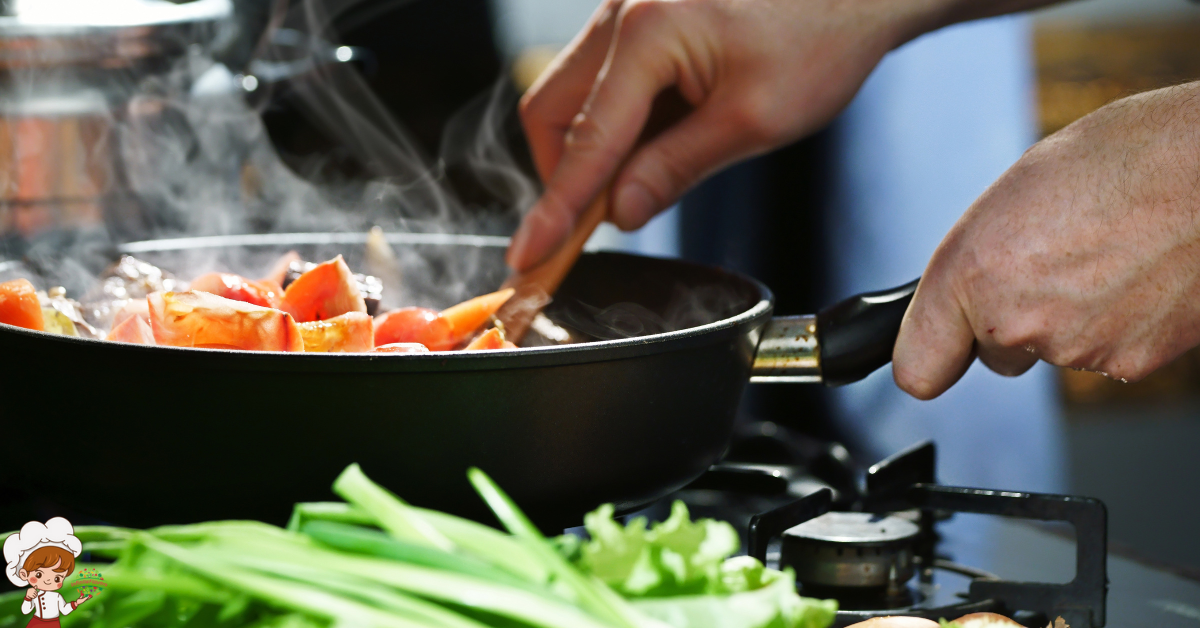
Choosing the right tomatoes sets the stage, but how you prepare them can truly elevate your sauce. Mastering sautéing techniques is vital for creating a rich, flavorful base. Start by choosing a heavy-bottomed pan; it helps distribute heat evenly, preventing any burnt bits that could ruin your sauce.
Before you add your tomatoes, heat the pan to medium-high. This is essential—if the pan temperature is too low, your ingredients will steam rather than sauté, resulting in a lackluster flavor. Once the pan is hot, add a generous amount of olive oil. You'll want just enough to coat the bottom of the pan.
Now, introduce your aromatics, like minced garlic or onions. Keep an eye on them, stirring frequently to prevent burning. The goal is to gently caramelize these ingredients, releasing their natural sugars and creating a depth of flavor that forms the backbone of your sauce.
When you add the tomatoes, make sure to toss them with the sautéed aromatics, allowing them to absorb all those rich flavors. It's all about timing; don't rush the process. A good sauté can take just a few minutes, but it makes all the difference.
Balancing Flavors
To create a truly exceptional Italian sauce, you'll need to balance flavors meticulously. Each element in your sauce contributes to its overall flavor profile, so it's vital to understand how they work together. Start by identifying the primary flavors you want to highlight. For example, if you're making a tomato sauce, the acidity of the tomatoes should shine through but shouldn't overwhelm the dish.
As you cook, continually taste test your sauce. This is where you can make adjustments. If it's too acidic, add a pinch of sugar or a drizzle of olive oil to mellow it out. Conversely, if it lacks brightness, a splash of vinegar or a squeeze of lemon juice can enhance its freshness. Don't forget about salt; it's fundamental for drawing out flavors, but add it gradually to avoid overpowering your sauce.
Experiment with different herbs and spices to create a complex flavor profile. Fresh basil, oregano, or even a hint of red pepper flakes can add depth. Remember, balance is key; too much of one ingredient can throw off the entire dish.
Lastly, let your sauce simmer. This not only allows the flavors to meld but also gives you another opportunity for taste testing. Adjust seasoning as needed, and don't hesitate to tweak the flavors until they're just right. Your goal is a harmonious blend that reflects authentic Italian cooking while satisfying your palate.
Click Here and Turn Every Masterpiece into a Showstopper!
Incorporate Umami Boosters
To elevate your homemade Italian sauces, incorporating umami boosters is essential. Start with quality ingredients, as they form the foundation of rich flavor. Then, enhance your sauce with fresh herbs and don't shy away from experimenting with fermented foods for that extra depth.
Use Quality Ingredients
When crafting homemade Italian sauces, using quality ingredients is key to revealing deep, rich flavors that elevate your dishes. Start by sourcing quality oils, like extra virgin olive oil, which can dramatically enhance your sauce's flavor profile. Opt for organic produce whenever possible; fresh tomatoes, garlic, and onions bring brightness and liveliness to your sauces.
Don't overlook the importance of artisan cheeses. A sprinkle of Parmigiano-Reggiano or a dollop of creamy ricotta can add a luxurious texture and depth to your sauce. When it comes to protein, choose seasonal meats from local markets. Fresh, high-quality meats not only taste better but also contribute to the overall authenticity of your dish.
Using homemade stock instead of store-bought broth will elevate your sauce to another level. It's a simple way to infuse more complex flavors without the unnecessary additives found in many pre-packaged options. By employing traditional methods, like slow cooking and layering flavors, you'll create a sauce that mirrors the heart of Italian cuisine. Remember, each ingredient plays a role, so invest in the best to guarantee your Italian sauces shine.
Enhance With Fresh Herbs
Enhancing your Italian sauces with fresh herbs brings a burst of flavor that can truly transform your dish. Fresh basil, oregano, and parsley are just a few herbs that can elevate your sauce to new heights. To get the most out of your herbs, consider using herb infusion methods. You can steep fresh herbs in olive oil or vinegar, creating a fragrant base that infuses your sauce with depth and complexity.
Don't forget about herb preservation techniques. If you have an abundance of fresh herbs, try freezing them in ice cube trays with a bit of olive oil. This way, you'll have ready-to-use herbs on hand whenever you're whipping up a sauce. You can also dry them for longer storage, though fresh herbs tend to have a more vibrant flavor.
When adding herbs, it's best to incorporate them at different stages of cooking. Add sturdier herbs early on to allow their flavors to meld, while delicate herbs should be added at the end for a fresh punch. By mastering these techniques, you'll not only enhance your sauces but also create an authentic Italian flavor that your family and friends will adore.
Experiment With Fermented Foods
Fermented foods, like tangy kimchi or rich miso, can add a delightful umami punch to your homemade Italian sauces. When you experiment with these ingredients, you're not just enhancing flavor; you're also introducing unique fermented flavors that can elevate your dishes to new heights. Miso, for example, blends beautifully into tomato-based sauces, adding depth and complexity.
You might also consider incorporating fermented vegetables, like sauerkraut, for a surprising twist that offers both flavor and texture. These ingredients don't just taste good; they also bring probiotic benefits to your meals, promoting gut health while you enjoy your pasta or pizza.
Try starting small—add a spoonful of miso to your marinara or toss in some finely chopped kimchi into a hearty ragù. You'll be amazed at how these umami boosters transform your sauces. Remember to balance the saltiness of these fermented foods with the other ingredients, ensuring that your sauce remains harmonious. By embracing the world of fermented foods, you'll create Italian sauces that are not only authentically delicious but also packed with health benefits!
Allow It to Simmer
Simmering is an essential step in creating rich and flavorful Italian sauces. When you allow your sauce to simmer, you're giving the ingredients time to meld together, enhancing the overall flavor profile. Use effective simmering techniques to guarantee your sauce reaches its full potential. Start by bringing your sauce to a gentle boil, then reduce the heat to maintain a low simmer. This slow cooking method allows the flavors to develop beautifully over time.
As your sauce simmers, keep an eye on its consistency. If it becomes too thick, add a splash of water, broth, or wine to loosen it up. Conversely, if it's too thin, let it simmer a bit longer to allow the liquid to evaporate. This careful monitoring is essential to achieving that perfect texture.
Simmering also allows the aromatics, such as garlic, onions, and herbs, to infuse their flavors into the sauce, creating a depth that's hard to replicate. Be patient! Great sauces often benefit from longer simmering times; a good rule of thumb is to let it simmer for at least 30 minutes, but feel free to extend this if time allows.
Experiment With Olive Oil
Once you've got your sauce simmering to perfection, it's time to think about the role of olive oil. This ingredient isn't just a finishing touch; it can elevate your sauce's flavor and texture. Start by experimenting with different olive oil varieties. Extra virgin olive oil, with its robust, fruity flavor, can add depth to your sauce, while lighter oils can create a more subtle effect. Don't be afraid to try flavored oils, like garlic or herb-infused options, to introduce unique notes.
When you're ready to incorporate olive oil, consider adding it at different stages. You might drizzle some into the sauce while it's cooking for a richer taste, or you could finish it off with a splash just before serving. This can enhance the aroma and richness, making it even more inviting.
Beyond flavor, olive oil has numerous health benefits, too. It's packed with antioxidants and healthy fats that can improve heart health and reduce inflammation. By choosing high-quality olive oil, you're not just enhancing your sauce; you're also making a healthier choice for your meals.
As you cook, remember that olive oil's flavor can vary considerably, so taste as you go. This way, you'll find the perfect balance for your sauce, making it uniquely yours. Don't hesitate to get creative—experimenting with olive oil can lead to delicious discoveries that will make your homemade Italian sauces stand out.
Adjusting Consistency
Often, you'll find that adjusting the consistency of your sauce is just as important as its flavor. A well-balanced sauce should have the right sauce thickness to complement your dish without overpowering it. If your sauce is too thick, it can become cloying, while a sauce that's too thin may lack the richness you desire.
To achieve your ideal texture variation, start by evaluating your sauce as it simmers. If you notice it's thicker than you'd like, simply add a splash of liquid—water, broth, or even a bit of wine—to loosen it up. Stir it in gradually, allowing the sauce to absorb the added liquid before adding more. This way, you maintain control over the consistency.
On the flip side, if your sauce is too thin, you can thicken it up using a few different methods. One popular technique is to let it simmer uncovered, allowing excess moisture to evaporate. Alternatively, you can add a slurry made of cornstarch and water or incorporate grated cheese, which not only thickens but also adds flavor.
Don't forget to taste as you go! Adjusting the consistency can sometimes alter the flavor, so a little seasoning adjustment might be necessary. Remember, the goal is to create a sauce that enhances your dish, so take the time to verify it's just right. Your patience and attention will pay off with a sauce that's both flavorful and perfectly textured.
Storing Your Sauces
When it comes to storing your sauces, proper techniques can make all the difference in preserving their flavor and quality. Start by allowing your sauces to cool properly before storing them. Once cooled, you have a few options. For short-term storage, jar storage is a great choice. Use clean, airtight jars and fill them, leaving some space at the top to account for expansion. If you're looking to keep your sauces for the long haul, consider freezing sauces. Portion sizes matter here; freeze sauces in small containers or ice cube trays, making it easy to grab just what you need later.
Vacuum sealing is another smart technique to enhance sauce longevity. This method minimizes air exposure, helping avoid freezer burn, which can ruin the taste and texture of your beloved creations. Remember to label containers with the sauce varieties and dates to keep track of freshness.
When you're ready to use your sauces, reheating tips are essential. Thaw frozen sauces in the refrigerator overnight for best results, and gently heat them on the stovetop to maintain flavor. If you're in a hurry, you can microwave them, but stir frequently to guarantee even heating. By following these steps, you'll be able to enjoy your homemade Italian sauces at their best, no matter when you choose to savor them!
Click Here and Turn Every Masterpiece into a Showstopper!
Frequently Asked Questions: Tips For Authentic Homemade Italian Sauces
Can I Use Canned Tomatoes Instead of Fresh Ones?
Yes, you can use canned tomatoes instead of fresh ones. Just choose the right canned tomato varieties, as they can affect your sauce's texture. Experiment with different types to find your perfect balance and flavor.
How Long Can Homemade Sauces Be Stored in the Fridge?
You can store homemade sauces in the fridge for about three to five days. Use airtight storage containers to maintain freshness and guarantee your sauce's shelf life is maximized for delicious meals later.
What Should I Do if My Sauce Is Too Salty?
If your sauce's too salty, try adding a bit of sugar or a splash of vinegar for flavor enhancement. You can also balance it out with more ingredients like vegetables or unsalted broth to improve taste.
Can I Freeze My Sauces for Later Use?
Yes, you can freeze your sauces for later use! To maintain sauce texture, use proper freezing techniques like cooling completely, using airtight containers, and leaving space for expansion. Thaw in the fridge before reheating for best results.
Is It Okay to Use Dried Herbs Instead of Fresh Ones?
Yes, you can use dried herbs instead of fresh ones. Just remember that dried herbs have a stronger flavor intensity, so you'll need less to achieve the same taste. Adjust accordingly, and enjoy your dish!

Conclusion
Now that you've got these secret tips for creating authentic homemade Italian sauces, it's time to get cooking! By choosing quality ingredients, embracing simplicity, and allowing your sauce to simmer, you'll elevate your dishes to new heights. Don't forget to experiment with fresh herbs and different tomatoes to find your perfect flavor. With a little practice and creativity, you'll impress your family and friends with delicious sauces that taste just like Italy! Enjoy every bite!