11 Unforgettable Wine And Food Pairing Suggestions
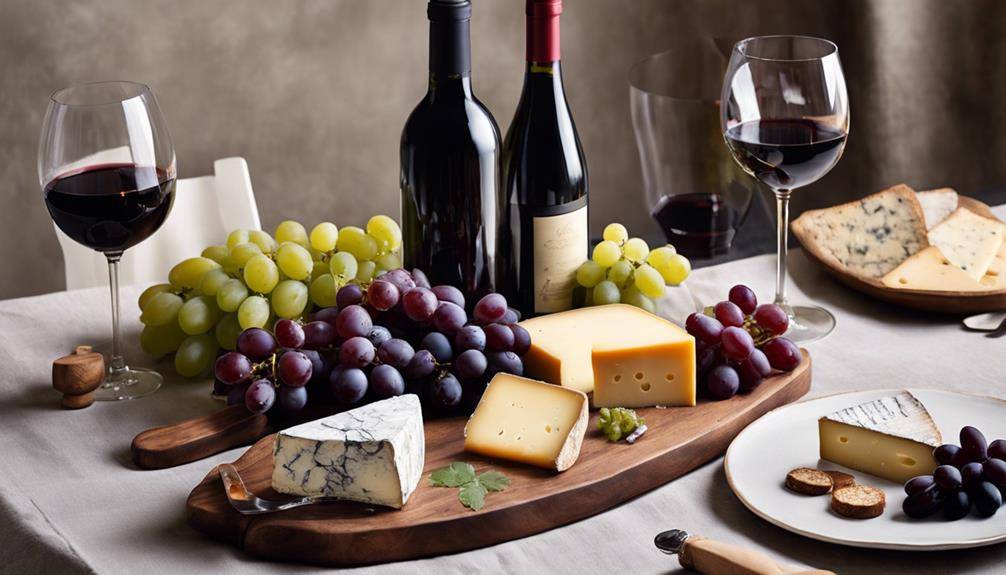
Wine And Food Pairing Suggestions: To create unforgettable moments, try these wine and food pairings: crisp Sauvignon Blanc with goat cheese, creamy Chardonnay with lobster, and fruity Riesling with spicy Asian dishes. For red options, enjoy Pinot Noir alongside duck, or bold Cabernet Sauvignon with steak. Zinfandel shines with barbecue ribs, while Syrah complements grilled lamb perfectly. Don't forget dessert; Moscato pairs beautifully with fruit desserts, and Port enhances dark chocolate indulgence. Each pairing elevates your meal to new heights. Curious to explore more tantalizing combinations and tips that can transform your next gathering? You'll be in for a delightful surprise!
Sauvignon Blanc With Goat Cheese
Click Here and Turn Every Masterpiece into a Showstopper!
When you're looking to elevate your next cheese board, pairing Sauvignon Blanc with goat cheese is a match made in culinary heaven. This vibrant white wine, known for its crisp acidity and invigorating flavors, complements the tangy notes of goat cheese beautifully. Whether you're serving a soft, spreadable variety or a firmer aged cheese, Sauvignon Blanc enhances the overall experience.
When tasting Sauvignon Blanc, you'll often find notes of citrus, green apple, and even hints of herbs. These tasting notes create a delightful contrast with the creamy texture and earthy flavors of goat cheese. The wine's acidity cuts through the richness of the cheese, making each bite feel lighter and more balanced.
Consider a few different cheese varieties to really impress your guests. A fresh chêvre pairs perfectly with a Sauvignon Blanc from New Zealand, where the wine's zesty lemon and grapefruit flavors shine. Alternatively, an aged goat cheese, with its deeper flavors, works wonderfully with a Sauvignon Blanc from California, where you'll experience a fuller body and more pronounced fruitiness.
Don't shy away from adding accompaniments like honey or fig preserves to your cheese board. These sweet elements can further enhance the pairing, creating a complex flavor profile that's sure to delight. So, next time you're planning a gathering, remember that Sauvignon Blanc and goat cheese together will bring a touch of sophistication and deliciousness to your table.
Chardonnay and Lobster
Pairing Chardonnay with lobster creates an exquisite dining experience that highlights the richness of both the wine and the seafood. When you think about lobster preparation, whether it's steamed, grilled, or baked with butter, the creamy and buttery texture of Chardonnay complements these flavors beautifully. This white wine's characteristics—think crisp acidity and notes of citrus or stone fruit—help to balance the richness of the lobster, making each bite more enjoyable.
If you're going for a classic lobster dish like a buttery lobster roll, opt for an oaked Chardonnay. The creamy mouthfeel and vanilla undertones will enhance the dish's decadence. On the other hand, if you're preparing a lighter lobster sauté with herbs, a unoaked Chardonnay will do the trick. Its bright acidity and fruit-forward profile will provide a revitalizing contrast to the succulent seafood.
Don't forget about the importance of serving temperature. A well-chilled Chardonnay, around 50-55°F, allows the wine's nuances to shine through and elevates your overall dining experience. As you sip, take note of how the flavors interact, creating a harmonious blend that lingers on your palate.
Pinot Noir With Duck
Duck, with its rich and succulent meat, pairs beautifully with the elegance of Pinot Noir. This wine's soft tannins and bright acidity complement the savory flavors of duck, creating a harmonious experience for your palate. Whether you're roasting, grilling, or preparing duck confit, the method you choose can influence your pairing choices.
When you roast a duck, the crispy skin and tender meat release savory juices that enhance the wine's fruit-forward characteristics. A Pinot Noir with notes of cherry, raspberry, and earthy undertones will elevate the dish, balancing the richness of the duck preparation. If you're opting for a grilled duck breast, the smoky flavors will call for a Pinot Noir that's slightly bolder, perhaps one with hints of spice or oak.
Consider the sauce you're using, as well. A berry reduction or a sweet-and-sour glaze can draw out the wine's fruity notes, enriching the overall experience. On the other hand, if you're serving duck with a richer sauce, like a classic orange or cherry glaze, a Pinot Noir with deeper, more complex characteristics will stand up beautifully.
In every case, remember to serve your Pinot Noir slightly chilled. This temperature allows the wine's nuances to shine and guarantees a rejuvenating contrast to the savory duck. Overall, pairing Pinot Noir with duck is a delightful choice that enhances both the meal and the wine, making for an unforgettable dining experience.
Cabernet Sauvignon and Steak
A classic combination that never goes out of style is Cabernet Sauvignon with steak. This pairing showcases the rich, bold flavors of both the wine and the meat, creating an unforgettable dining experience. When you're ready to enjoy this match, think about the grilling techniques you'll use to prepare your steak. Whether you prefer a charcoal grill for that smoky flavor or a gas grill for convenience, the right method can elevate your meal.
When seasoning your steak, don't hold back. A simple blend of salt, pepper, and garlic powder can enhance the natural flavors beautifully. Alternatively, try a marinade featuring olive oil, balsamic vinegar, and fresh herbs to add depth. Let your steak absorb these flavors before you throw it on the grill.
As you cook, keep an eye on the temperature to guarantee your steak reaches the desired doneness. Pairing it with a full-bodied Cabernet Sauvignon complements the dish perfectly, as the wine's tannins cut through the richness of the meat.
Once your steak is grilled to perfection, pour yourself a glass of that Cabernet, and take a moment to savor the aroma. The dark fruit notes and hints of oak in the wine will harmonize with the savory qualities of the steak, creating a mouthwatering combination. This duo is not just a meal; it's an experience that'll leave a lasting impression on your taste buds. Enjoy every bite and sip!
Riesling With Spicy Asian Cuisine
Few combinations are as delightful as Riesling with spicy Asian cuisine. When you pair this aromatic white wine with dishes like Thai curry, Szechuan stir-fry, or spicy sushi rolls, you create a harmonious experience that highlights both the food and the wine. Riesling's natural sweetness and acidity provide an excellent counterpoint to the heat found in many Asian dishes, achieving the perfect spice balance.
As you explore this pairing, you'll notice how Riesling enhances the flavor complexity of your meal. The wine's fruity notes, often reminiscent of peach, apricot, or citrus, complement the vibrant ingredients commonly used in Asian cooking, such as ginger, garlic, and chili. This interplay of flavors can elevate even the simplest dishes, making them unforgettable.
When selecting a Riesling, opt for one that's off-dry, as this will provide enough sweetness to quell the heat without overwhelming the palate. You'll find that the invigorating acidity of the wine cuts through the richness of coconut milk or the umami of soy sauce, creating a balanced taste experience.
Merlot and Mushroom Risotto
What makes Merlot such a perfect companion for mushroom risotto? When you take a sip of Merlot, you'll notice its medium body and smooth texture, which pair wonderfully with the creamy richness of risotto. The fruit-forward characteristics of Merlot—think plum, cherry, and hints of chocolate—complement the earthy flavors of mushrooms beautifully. This balance elevates your dining experience, making each bite of risotto an adventure.
Mushroom risotto is incredibly versatile, with variations ranging from the classic arborio rice base to the addition of herbs, cheese, or even truffle oil. No matter which variation you choose, Merlot's acidity cuts through the creaminess, ensuring that the dish doesn't feel overly heavy. The wine's soft tannins won't overpower the subtle flavors of the mushrooms, allowing every nuance to shine.
As you savor your dish, consider how the wine's velvety finish mirrors the texture of the risotto. If you're feeling adventurous, try pairing Merlot with a wild mushroom risotto variation, which can introduce deeper, more complex flavors. The umami notes in the mushrooms will resonate with Merlot's profile, creating a harmonious blend that's truly unforgettable.
Click Here and Turn Every Masterpiece into a Showstopper!
Sparkling Wine With Fried Foods
Sparkling wine is a delightful match for fried foods, creating a contrast that enhances both the dish and the drink. When you pair these two, the effervescence of sparkling varieties acts as a palate cleanser, cutting through the richness of fried foods. Consider different batter types—whether it's a light tempura or a heavy beer batter. Each brings a unique texture contrast that can elevate your dining experience.
The acidity balance in sparkling wines also plays a significant role. This acidity freshens your palate, making every bite of fried food feel lighter, regardless of the frying techniques used. For instance, if you enjoy crispy fried calamari, go for a brut sparkling wine to complement its savory flavors.
When selecting your wine, keep the food temperature in mind. A chilled sparkling wine enhances the enjoyment of hot, freshly fried dishes. This pairing principle creates a dynamic interaction between the warmth of the food and the coolness of the wine, amplifying flavor enhancement in each sip.
You might explore various sparkling wine options, from Champagne to Prosecco, each offering unique profiles that can complement your fried feast. Ultimately, the right wine selection transforms a simple meal into a memorable occasion. So, next time you indulge in fried delights, don't forget to pop open a bottle of sparkling wine. You'll discover a pairing that not only satisfies but excites your taste buds.
Zinfandel and Barbecue Ribs
When you pair Zinfandel with barbecue ribs, you're creating a delightful harmony of flavors that enhances both. The wine's bold fruitiness complements the smoky, tangy notes of the ribs, while the regional roots of Zinfandel make it a natural choice for this dish. Plus, the cooking method—whether you're grilling or slow-cooking—adds layers that can elevate your tasting experience.
Flavor Profile Harmony
Zinfandel and barbecue ribs create a match made in culinary heaven, thanks to their complementary flavor profiles. The bold tasting notes of Zinfandel, with its rich fruitiness and hints of spice, harmonize beautifully with the smoky, savory umami elements of barbecue ribs. This pairing excels in acidity balance, as the wine's acidity cuts through the meat's richness, enhancing the overall experience.
You'll notice the flavor intensity of both the wine and the ribs working together, allowing each bite to resonate on your palate. The aromatic profiles of Zinfandel—think blackberries, cherries, and pepper—add depth, while the ribs introduce a texture contrast that keeps things interesting.
Consider seasonal pairings when enjoying this duo; a summer barbecue or a cozy winter gathering can elevate the experience. You'll also appreciate how the wine's sweetness levels complement the tangy barbecue sauce, creating a delightful interplay on your taste buds. Finally, Zinfandel acts as a palate cleanser, rejuvenating your senses between bites, making every mouthful of those delectable ribs even more enjoyable.
Regional Pairing Insights
Exploring regional flavors can enhance your experience with Zinfandel and barbecue ribs. The unique regional terroir where Zinfandel grapes are grown, like California's Sonoma County, imparts distinctive flavors that complement the smoky, savory profile of barbecue ribs. Local traditions often dictate the choice of spices and marinades, infusing the dish with a rich cultural history.
When you opt for seasonal ingredients, you're tapping into the freshest produce available, which elevates the overall tasting experience. For instance, pairing barbecue ribs with a zesty slaw made from locally sourced cabbage adds a invigorating crunch. The historical context of barbecue in America, influenced by various cultural elements, also plays a big role in flavor evolution, making each bite resonate with tradition.
Artisan producers are crafting Zinfandels that reflect gastronomy trends, emphasizing bold fruit notes and peppery undertones. These wines not only complement the ribs but also showcase the intricate pairing philosophies that celebrate regional diversity. So, next time you indulge in barbecue ribs, remember that the right Zinfandel can transform your meal into a delightful journey through the wine regions that shaped it.
Cooking Method Impact
The cooking method you choose for barbecue ribs can considerably impact the flavor profile and how well it pairs with Zinfandel. Different cooking methods, like slow-roasting or grilling, can affect flavor extraction and ingredient interaction. For instance, if you opt for low and slow cooking, the extended cooking times help enhance moisture retention, allowing the ribs to become tender and juicy.
On the other hand, high-heat grilling can create a delightful texture contrast with a crispy exterior, enriching the aroma enhancement of the dish. The key is to maintain ingredient integrity; using quality cuts and a balanced rub can elevate the pairing.
Consider how heat application affects the ribs' flavors. Direct heat can caramelize sugars in the marinade, bringing out complex flavors that harmonize beautifully with the fruity notes of Zinfandel. Additionally, your preparation techniques, like marinating or dry-rubbing, can further influence the depth of flavors. Ultimately, whether you're smoking, baking, or grilling, the method you choose will shape the overall experience, ensuring your barbecue ribs and Zinfandel create an unforgettable combination.
Syrah With Grilled Lamb
When you fire up the grill for lamb, consider pouring a glass of Syrah to elevate your meal. This bold red wine perfectly complements the rich, hearty flavors of grilled lamb. The wine's dark fruit notes, such as blackberry and plum, harmonize beautifully with the savory grilled spices you're likely to use. Whether you're seasoning with rosemary, garlic, or a smoky rub, Syrah brings out the best in your dish.
One of the standout qualities of Syrah is its flavor intensity. The wine boasts a full-bodied profile, which can stand up to the robust nature of grilled lamb. As the meat sizzles on the grill, the smoky aromas meld with the vibrant notes of the wine, creating a sensory experience you won't forget. The tannins in Syrah also help to cut through the richness of the lamb, ensuring a balanced palate with each bite.
When selecting a Syrah, look for one with a hint of pepper or herbs, as these characteristics will echo the flavors in your grilled dish. A well-chosen bottle can enhance the overall dining experience, making every mouthful more delightful.
Moscato and Fruit Desserts
A chilled glass of Moscato is a delightful pairing for fruit desserts, enhancing their natural sweetness and vibrant flavors. The light, fruity profile of this wine complements a variety of desserts, making it a versatile choice for your next gathering. You'll find that Moscato varieties, such as Moscato d'Asti or still Moscato, bring unique notes that can elevate your dessert experience.
When you think about dessert pairings, consider options like peach cobbler or berry tarts. The sweetness of a ripe peach or the tartness of fresh berries harmonizes beautifully with Moscato's fruity undertones. If you're serving a creamy fruit mousse, the effervescence of a sparkling Moscato d'Asti provides a invigorating contrast, cleansing your palate between each luscious bite.
For a tropical twist, try pairing Moscato with a mango or pineapple dessert. The wine's aromatic profile will enhance the bright flavors of the fruit, creating a tropical escape in every sip and bite. Even a simple bowl of mixed berries topped with whipped cream can become a memorable treat when you enjoy it alongside a chilled glass of Moscato.
Don't shy away from experimenting with different Moscato varieties, as each one can bring a new dimension to your fruit desserts. By carefully selecting your dessert pairings, you'll create an unforgettable culinary experience that celebrates the delightful marriage of wine and food. So, next time you're planning a meal, remember to pour that Moscato and indulge in the sweetness of life!
Port With Dark Chocolate
Pairing Port with dark chocolate creates a luxurious experience that delights the senses. The rich, velvety texture of dark chocolate complements the sweet, robust flavors of Port, making it an irresistible combination. When you take your first sip of Port, you might notice tasting notes of dark fruits like plums and black cherries, along with hints of chocolate and spice. These flavors harmonize beautifully with the deep cocoa notes found in high-quality dark chocolate.
To enhance this pairing, consider using a Port with a higher sweetness level, like a Ruby or a Late Bottled Vintage (LBV). These selections will balance the bitterness of the chocolate while adding a layer of complexity. When choosing your chocolate, aim for something with at least 70% cocoa content. This bitterness can create an exciting contrast with the sweetness of the wine, elevating your tasting experience.
Here's a pairing tip: take a bite of dark chocolate, let it melt on your tongue, and then sip the Port. Notice how the flavors intertwine and evolve, creating a symphony of taste. If you prefer a more adventurous approach, try pairing with flavored dark chocolates, such as sea salt or chili-infused varieties. The contrasting elements will add an extra dimension to your tasting journey.
Click Here and Turn Every Masterpiece into a Showstopper!
Frequently Asked Questions: Wine And Food Pairing Suggestions
What Temperature Should Wine Be Served for Optimal Flavor?
To enhance wine flavor profiles, serve white wines chilled at 45-50°F and red wines at 60-65°F. This wine serving temperature balances acidity and tannins, letting you fully enjoy each sip's unique characteristics.
How Do I Know When Wine Has Gone Bad?
To know if wine's gone bad, check for oxidation effects like a dull color or off-putting smell. Cork spoilage can also signal trouble, so trust your senses—taste, smell, and appearance will guide you.
Can I Pair White Wine With Red Meat?
You can pair white wine with red meat by considering flavor profiles. While traditional principles suggest red wine complements red meat, experimenting with textures and acidity in white wine can create surprising, delightful combinations. Don't hesitate to try!
What Glassware Is Best for Different Types of Wine?
When choosing glassware, consider the wine type. For reds, use wide-bowled glasses to enhance aromas. For whites, opt for narrower bowls. Stemless options work too, offering a casual touch while maintaining elegance and functionality.
How Do I Properly Decant a Bottle of Wine?
To properly decant a bottle of wine, use effective decanting techniques. Pour the wine slowly into a decanter, allowing wine aeration. This enhances flavors, removing sediment while exposing the wine to oxygen for ideal enjoyment.

Conclusion
Now that you've explored these unforgettable wine and food pairings, it's time to get adventurous in your kitchen and at the table. Whether you're enjoying a casual meal or hosting a special occasion, these pairings are sure to impress. Remember, the right wine can elevate your dining experience, so don't hesitate to experiment. Cheers to discovering new flavors and creating lasting memories with every sip and bite! Enjoy your culinary journey!