Steaming For Soft And Moist Cake
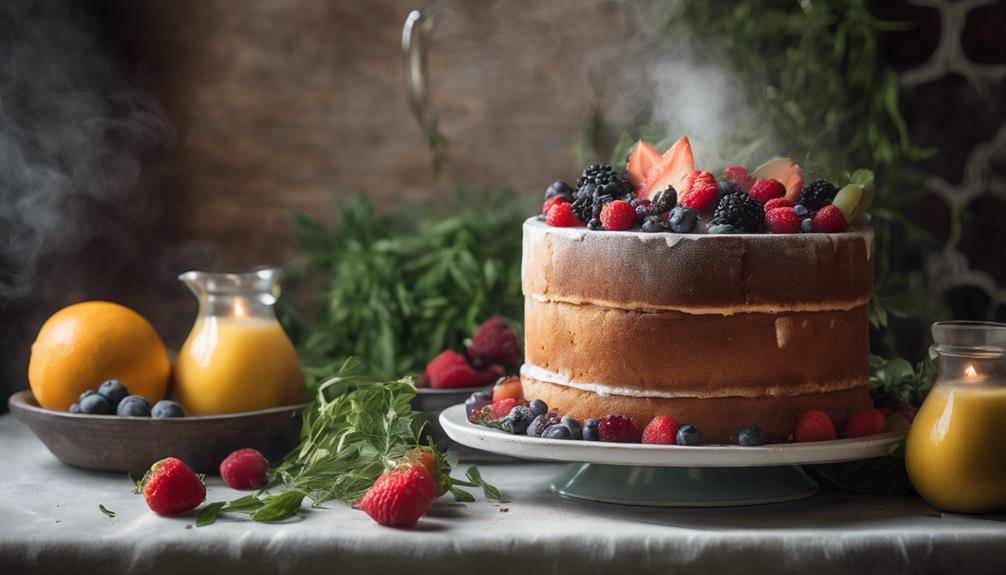
Steaming For Soft And Moist Cake: Steaming cakes gives you a soft and moist texture that traditional baking often can't match. This method prevents a dry outer crust and minimizes the risk of overcooking, ensuring your cake remains tender and flavorful. To achieve the best results, use high-quality ingredients like cake flour and whole milk. Keep your steaming temperature consistent and cook for 30 to 60 minutes, depending on the recipe. Silicone molds work well for easy release, and a kitchen thermometer will help you monitor doneness. Ready to impress with delicious steamed cakes? There's plenty more to discover about techniques and recipes!
Click Here and Turn Every Masterpiece into a Showstopper!
Benefits of Steaming Cakes
Steaming cakes offers you a unique way to achieve a soft and moist texture that traditional baking methods often struggle to replicate. When you steam your cakes, you're introducing moisture directly into the cooking process, which helps maintain that delightful softness. This method prevents the dry outer crust that can sometimes occur in baked cakes, giving you a uniform texture throughout.
One of the standout benefits of steaming is the incredible texture contrast it provides. You can create cakes with a tender crumb while still achieving a slight chewiness that adds depth. This combination elevates the overall experience, allowing each bite to surprise your palate. The gentle cooking method also minimizes the risk of overcooking, which can lead to a dense or rubbery texture.
Furthermore, steaming enhances the flavors in your cakes. The moisture helps to dissolve and distribute the ingredients more evenly, allowing the flavors to bloom beautifully. You'll find that spices, fruits, or other flavorings come alive in a way that might not happen with traditional baking. Additionally, the gentle heat helps to preserve the natural flavors, preventing any bitterness that can sometimes arise from high-temperature baking.
Choosing the Right Ingredients
When selecting ingredients for a steamed cake, how do you guarantee they contribute to that perfect texture and flavor? Start with high-quality flour; all-purpose flour works well, but you can also consider cake flour for an even lighter texture. Don't forget about the sugar—granulated sugar is standard, but brown sugar adds a rich flavor that enhances the overall taste.
Next, focus on your liquid ingredients. Whole milk or buttermilk can add moisture, while coconut milk provides a subtle tropical flavor. If you're looking for ingredient substitutions, you can use almond milk or oat milk, especially if you're aiming for a dairy-free option. Just keep in mind that these alternatives might slightly alter the cake's flavor and texture.
Eggs are essential for binding and moisture. If you need to replace them, consider using applesauce or flaxseed meal, which can act as effective ingredient substitutions while keeping your cake moist.
Don't overlook flavor enhancements! Vanilla extract is a classic choice, but feel free to experiment with almond extract, citrus zest, or spices like cinnamon and nutmeg to elevate your cake. For an extra touch, consider adding a handful of chocolate chips or chopped nuts, which can provide both texture and flavor.
Ultimately, choosing the right ingredients is about balancing moisture, texture, and flavor. With these tips in mind, you're well on your way to crafting a delightful steamed cake that'll impress your friends and family.
Steaming Techniques and Methods
After gathering high-quality ingredients, the next step involves mastering the steaming techniques and methods that will bring your cake to life. Steaming is all about controlling the environment, so pay close attention to your steaming temperatures. Ideally, you should aim for a consistent temperature of around 212°F (100°C). This is the boiling point of water, and it's vital for creating that perfect moist texture.
Timing adjustments are equally important. The cooking time for your cake will depend on its size and thickness. A general rule of thumb is to steam for about 30 to 60 minutes, but you should always check for doneness. Insert a toothpick into the center; if it comes out clean, your cake is ready. If not, continue steaming, checking every 5 to 10 minutes.
You can also create a steam bath to enhance moisture retention. Place a heatproof dish filled with water at the bottom of your steaming pot. This additional water source can help maintain consistent humidity levels, which is necessary for achieving that soft, tender crumb.
If you're using a bamboo steamer, don't forget to line the basket with parchment paper to prevent sticking. Also, make sure your cake batter isn't too thick; a lighter batter steams more effectively. With these steaming techniques and methods under your belt, you're well on your way to baking a cake that's not just soft and moist, but utterly delicious. Happy steaming!
Click Here and Turn Every Masterpiece into a Showstopper!
Essential Tools for Steaming
To achieve the best results in steaming your cake, having the right tools is essential. First and foremost, you'll need quality steaming equipment. A steamer pot or a bamboo steamer works wonders, as they allow for even heat distribution, ensuring your cake cooks uniformly. If you don't have a dedicated steamer, you can easily improvise by using a large pot with a lid and a heatproof rack or a sturdy plate placed inside.
Next, don't underestimate the importance of cake molds. Silicone molds are particularly great for steaming, as they're flexible and make it easy to release your cake without damaging it. If you're using metal or glass molds, make sure they're well-greased to prevent sticking. The shape and size of your mold can also affect the steaming time, so be mindful of that when selecting your cake molds.
Another vital tool is a kitchen thermometer. This handy gadget helps you check the internal temperature of your cake, ensuring it's perfectly cooked without overdoing it. Finally, a timer is essential; it'll help you keep track of cooking times and avoid any surprises.
With the right steaming equipment and cake molds, you'll be well on your way to creating delicious, soft, and moist cakes. Don't forget, preparation is key, so gather all your tools before you start, and enjoy the process!
Delicious Steamed Cake Recipes
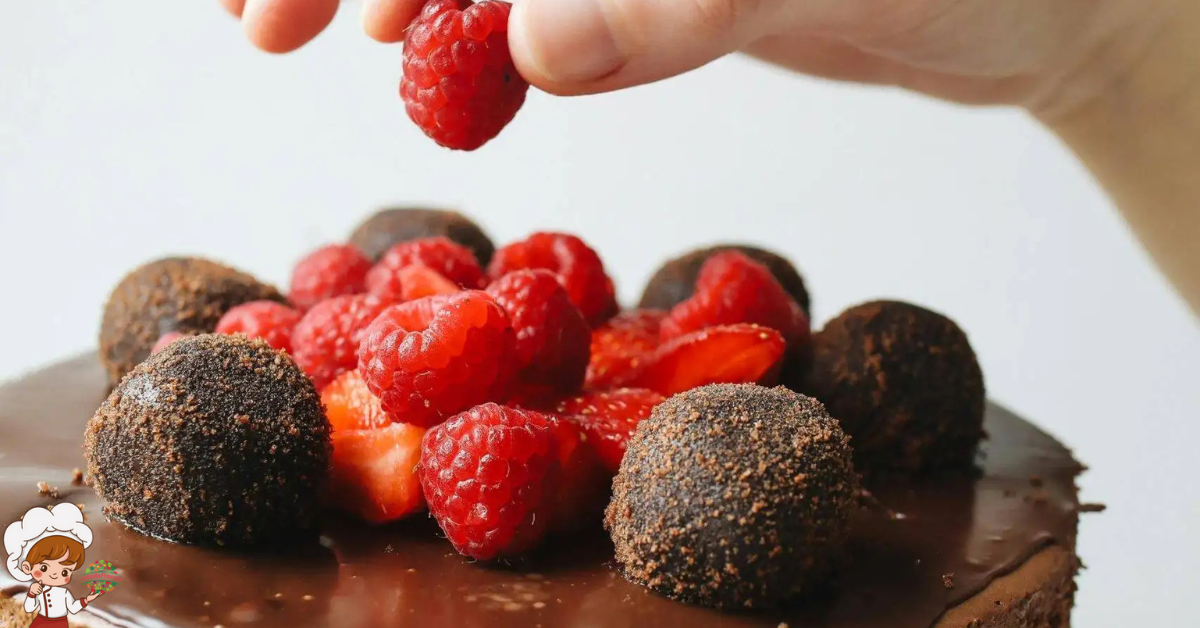
With your steaming equipment and cake molds ready, it's time to explore some delicious steamed cake recipes that will impress your family and friends. First up is the Chocolate Delight. This rich, moist chocolate cake is incredibly easy to make. Simply combine flour, cocoa powder, sugar, baking powder, and a pinch of salt in a bowl. In another bowl, mix eggs, milk, and melted butter. Combine the wet and dry ingredients, pour the batter into your cake mold, and steam for about 30-40 minutes. The result? A decadent treat that's sure to satisfy any chocolate lover.
Next, let's plunge into the vibrant world of Fruit Fusion. This cake is perfect for those who enjoy a fruity twist. You can use any combination of fruits you like, such as mango, banana, or berries. Start by blending your chosen fruits into a puree, then mix with flour, sugar, and baking soda. Add some yogurt for moisture and a touch of vanilla for flavor. Pour the batter into the mold and steam for around 35-45 minutes. Once it cools, you'll have a light, fluffy cake bursting with fruity goodness.
Both of these recipes showcase the versatility of steamed cakes. Experiment with flavors and fillings to create your signature dish. So, grab your steaming setup and get baking—your delicious steamed cakes await!
Click Here and Turn Every Masterpiece into a Showstopper!
Frequently Asked Questions: Steaming For Soft And Moist Cake
Can I Steam a Cake in a Regular Pot?
Yes, you can steam a cake in a regular pot. Just make certain it's deep enough for water and a steaming rack. Experiment with different steaming techniques to find what works best for your chosen pot selection.
How Long Does It Take to Steam a Cake?
When you steam a cake, it typically takes 30 to 60 minutes, depending on the size and recipe. Using proper steaming techniques guarantees a delightful cake texture, keeping it soft and moist throughout.
What Types of Cakes Are Best for Steaming?
When it comes to steaming cakes, you'll find that lighter textures, like sponge or chiffon, work best. Flavor combinations such as lemon-blueberry or chocolate-orange enhance the experience, creating a delightful balance of taste and texture.
Can I Use a Microwave for Steaming Cakes?
You can use microwave steaming to cook cakes quickly, but the texture might differ from traditional methods. It's great for experimentation, so don't hesitate to try it and see how it turns out!
How Do I Store Steamed Cakes for Freshness?
To store steamed cakes for ideal freshness, wrap them tightly in plastic wrap or aluminum foil, and keep them in an airtight container. You can also refrigerate or freeze them for longer-lasting freshness.

Conclusion
Incorporating steaming into your cake-making routine can transform your baking experience, giving you soft and moist results every time. By choosing the right ingredients and mastering steaming techniques, you'll elevate your cakes to new heights. Don't forget the essential tools that make the process easier and more enjoyable. With a variety of delicious steamed cake recipes at your fingertips, you're set to impress friends and family with your newfound skills. Happy steaming!