Best Wood For Smoking Brisket
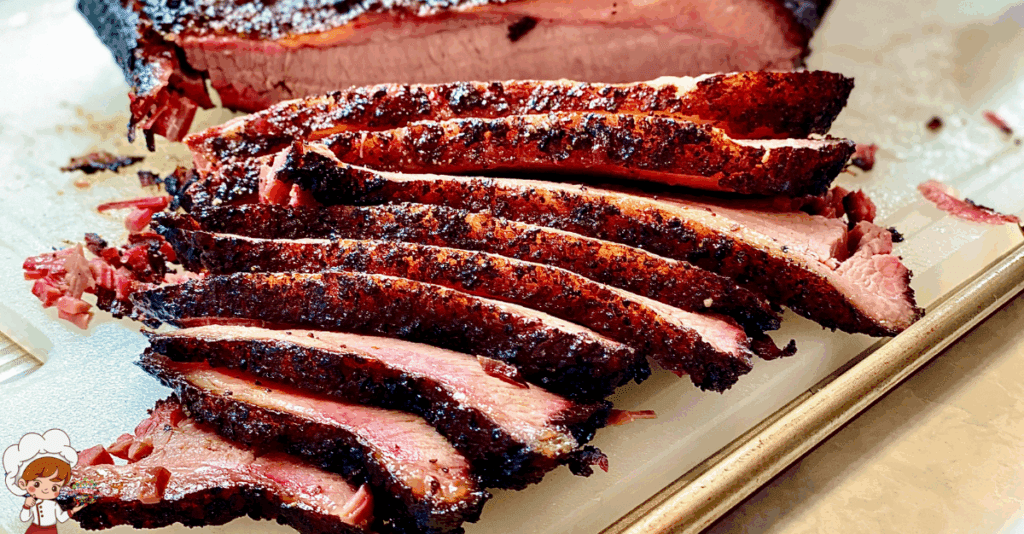
Best Wood For Smoking Brisket; When smoking brisket, your wood choice can make or break the flavor. Hickory delivers a strong, smoky taste that enhances richness, while oak offers a balanced smoke ideal for low-and-slow cooking. If you prefer something sweeter, applewood and cherry bring milder, fruity notes. For those looking for boldness, mesquite imparts an intense, earthy flavor but can easily overwhelm. Blending different woods can create a unique profile tailored to your taste. Experimenting with combinations will help you discover exciting new flavors that elevate your brisket. Keep exploring for more tips on achieving the perfect smoke!
Understanding Wood Flavor Profiles
When it comes to smoking brisket, understanding wood flavor profiles is crucial for achieving that perfect taste. The wood you choose impacts not just the aroma, but also the overall flavor of your meat. Different types of wood impart unique characteristics, and knowing these can elevate your smoking methods considerably. For example, hickory delivers a strong, smoky flavor, while fruitwoods like apple or cherry provide a milder, sweeter taste.
Before you immerse yourself in smoking, consider how you store your wood. Proper wood storage keeps the moisture levels in check, preserving the desired flavor profiles. If your wood is too wet, it can create steam instead of smoke, which might lead to a lackluster brisket. Aim to store your wood in a cool, dry place, away from direct sunlight. This guarantees that the wood remains in prime condition for your next smoking session.
When you’re ready to smoke, mix and match different woods to create a custom flavor profile that suits your palate. Experimenting with combinations can yield exciting results—perhaps a blend of hickory and cherry will give you the smoky sweetness you crave. Remember, the right wood choice and effective wood storage not only enhance your brisket’s flavor but also secure a consistent smoking experience. So, take the time to understand the nuances of wood flavors, and you’ll be well on your way to mastering the art of smoking brisket.
Types of Wood for Smoking
When smoking brisket, the type of wood you choose can greatly impact the flavor. You can explore fruit woods for a sweet touch, select hardwoods for robust profiles, or even blend different woods for a unique taste. Each option brings something special to your brisket, so let’s break down the best choices.
Fruit Woods Selection
Fruit woods are a fantastic choice for smoking brisket, adding a subtle sweetness that complements the meat’s rich flavor. When you think about smoking fruit, consider options like apple, cherry, and peach. These woods not only infuse your brisket with a delightful aroma but also enhance its taste profile.
Applewood is particularly popular for its mild flavor, which won’t overpower the meat. It provides a gentle sweetness that pairs beautifully with the savory brisket. Cherry wood, on the other hand, offers a slightly bolder flavor and gives your brisket a stunning reddish hue. If you’re after something unique, peach wood can add a fruity twist that surprises and delights your palate.
Using fruit woods comes with several wood benefits. They burn cleanly and produce a consistent smoke, making it easier for you to control the cooking process. Plus, these woods are generally easy to find, so you won’t have trouble sourcing them. Experimenting with different fruit woods can lead to a delightful discovery of flavors, making your brisket smoking experience even more enjoyable. So go ahead and try them out!
Hardwoods for Brisket
Hardwoods are a popular choice for smoking brisket, offering a robust flavor that enhances the meat’s natural richness. When selecting hardwoods, options like oak, hickory, and mesquite stand out for their intense flavors. Oak provides a balanced smoke, while hickory adds a stronger, bacon-like taste. Mesquite can be potent, so use it sparingly to avoid overpowering your brisket.
It’s essential to take into account wood moisture when sourcing your hardwood. Ideally, you want seasoned wood with a moisture content of around 20%. Wood that’s too wet can produce excessive smoke and undesirable flavors, while overly dry wood may burn too quickly. This balance is key to achieving that perfect smoke ring and flavor infusion.
When sourcing your wood, look for reputable suppliers who focus on quality. Avoid treated or painted wood, as these can release harmful chemicals. Instead, opt for natural, untreated hardwoods that are free from additives. By paying attention to wood moisture and sourcing, you set yourself up for success in smoking a delicious brisket that’s packed with flavor and tenderness.
Blending Wood Flavors
Blending different wood flavors can elevate your brisket to new heights, creating a unique taste profile that enhances its richness. To achieve the perfect wood pairing, consider the characteristics of each type of wood. For instance, hickory delivers a robust smokiness, while fruit woods like apple or cherry provide a sweeter, milder flavor.
When you combine these woods, you’re not just mixing flavors; you’re flavor balancing. A good rule of thumb is to use a stronger wood as the base and complement it with a milder variety. This way, you maintain the integrity of the brisket while adding layers of flavor.
Experimenting with different ratios can yield exciting results. Try starting with a 70-30 mix of hickory and apple wood for a balanced profile that’s rich yet sweet. Alternatively, a 50-50 blend of mesquite and cherry could provide a bold, fruity experience.
As you explore different combinations, take notes on what works best for your palate. Remember, the goal is to enhance the brisket, not overpower it. With the right wood pairing, you’ll create a memorable barbecue experience every time.
Oak: A Classic Choice
When it comes to smoking brisket, oak is a classic choice that brings out rich flavors without overpowering the meat. Its medium intensity provides a balanced smoke that complements the beef beautifully. Let’s explore how oak’s unique flavor profile and effective smoking techniques can elevate your brisket game.
Flavor Profile of Oak
Among the various wood options for smoking, oak stands out for its balanced flavor profile. It’s a versatile choice that complements the natural richness of brisket without overpowering it. When you smoke with oak, you’ll notice a subtle smokiness that enhances your meat’s flavors, making it a favorite among many pitmasters.
Oak aging is often associated with fine wines and spirits, where oak barrels contribute depth and complexity. Similarly, when you use oak for smoking, you’re infusing your brisket with a mild, yet distinct flavor that can be both earthy and slightly sweet. This duality allows oak to pair well with various rubs and marinades, ensuring your brisket can shine while still receiving that smoky touch.
The key to mastering oak’s flavor lies in its burn. It produces a steady, long-lasting heat, making it ideal for low-and-slow cooking. As the smoke from the oak wood envelops your brisket, it creates a beautifully layered taste that elevates your barbecue to new heights. So, when you’re ready to smoke, consider oak for a classic, balanced flavor experience that’s hard to beat.
Smoking Techniques With Oak
Using oak for smoking not only enhances the flavor of your brisket but also opens up a range of techniques that can elevate your barbecue game. Oak wood characteristics, such as its strong, robust flavor and steady burn, make it perfect for low and slow cooking. To get started, try the offset smoking technique. With this method, you’ll position your brisket away from the heat source, allowing the oak smoke to envelop it gently, imparting a rich, smoky flavor without overwhelming the meat.
Another effective oak smoking technique is the use of oak chunks or logs in a charcoal grill. Place the oak directly on the coals for a more intense smoke flavor. You can also experiment with blending oak with other woods like hickory or cherry for a unique profile while maintaining that classic oak backbone.
Don’t forget to control the temperature. Aim for a consistent range of 225°F to 250°F for best results. With these oak smoking techniques, you’ll create mouthwatering brisket that showcases the distinct flavors of oak, impressing your friends and family at every barbecue gathering.
Hickory: Bold and Robust
If you’re looking to elevate your brisket with a bold flavor, hickory wood is an excellent choice. Known for its strong, smoky taste, hickory adds a rich, robust flavor that can transform your brisket into a mouthwatering masterpiece. When using hickory, it’s vital to take into account the smoking temperature. Aim for a steady range of 225°F to 250°F for ideal results. This temperature allows the brisket to absorb the hickory smoke fully without overpowering the meat.
Another important factor is wood moisture. Too much moisture in the hickory can lead to excessive smoke, which might create a bitter taste. It’s best to use well-seasoned hickory that has a moisture content below 20%. You can test wood moisture by checking its color and weight; seasoned hickory will be lighter and have a greyish hue compared to fresh wood.
When smoking with hickory, you might want to mix it with other woods, like cherry or apple, to balance the intense flavor. This combination can create a more nuanced profile while still highlighting hickory’s boldness. Remember to monitor the wood throughout the smoking process. If you notice the hickory burning too quickly, you can dampen it slightly to maintain the perfect smoking temperature.
Incorporating hickory into your brisket smoking routine will certainly enhance your culinary experience, giving you that deliciously bold flavor you crave.
Mesquite: Intense and Earthy
Mesquite wood brings an intense, earthy flavor that can take your brisket to the next level. It’s a favorite among many barbecue enthusiasts, especially if you’re looking for a bold smoking experience. Mesquite characteristics include its high heat output and strong smoke flavor, which can infuse your brisket with a unique taste that stands out. If you enjoy a smoky kick, mesquite is definitely worth evaluating.
However, it’s important to understand how mesquite stacks up against hickory. While hickory offers a robust and slightly sweeter flavor, mesquite delivers a more intense and pronounced smokiness. If you’re after a flavor that’s unmistakably strong and earthy, mesquite’s your go-to option. That said, it can overpower lighter meats or delicate flavors, so it’s vital to use it judiciously.
When working with mesquite, you might want to think about blending it with milder woods or using it for shorter smoking sessions. This approach can balance its intensity while still achieving that signature smoky flavor. Keep in mind that mesquite burns hotter and faster than other woods, so you’ll need to monitor your cooking time to prevent over-smoking.
Cherry: Sweet and Fruity
When you’re looking to add a sweet and fruity dimension to your brisket, cherry wood is an excellent choice. Its rich, subtly sweet flavor enhances the natural taste of the meat without overpowering it. This makes cherry wood perfect for those who appreciate a balanced flavor profile.
One of the greatest smoking benefits of cherry wood is its versatility. You can use it on its own or mix it with other woods for a unique blend. Pairing cherry with stronger woods like hickory or mesquite can create a complex flavor that’ll leave your taste buds dancing. The sweetness of cherry complements the savory notes of brisket beautifully.
Another advantage of cherry wood is its ability to produce a lovely, reddish hue on the meat. This visual appeal not only makes your brisket look mouthwatering but also adds to the overall smoking experience. The aroma wafting through the air while you smoke with cherry wood is nothing short of delightful, creating an inviting atmosphere for your guests.
It’s also worth noting that cherry wood burns steadily, allowing for longer smoking sessions without frequent replenishment. This means you can focus on perfecting your cooking technique rather than constantly tending to the fire.
Apple: Mild and Subtle
Apple wood offers a mild and subtle flavor that’s perfect for those who prefer a more delicate touch in their brisket smoking. If you’re looking to elevate the natural flavors of your meat without overwhelming it, apple wood is an excellent choice. The light sweetness from this fruit wood pairs beautifully with brisket, giving it a gentle smokiness that complements rather than competes.
When using apple wood, consider your smoking techniques carefully. For best results, you might want to mix apple wood with a bit of hickory or mesquite if you’d like to add complexity without losing that mild character. The combination allows you to introduce a richer flavor while still keeping the apple’s sweetness in play.
Start by soaking your apple wood chips or chunks in water for about 30 minutes before smoking. This helps them smolder and produce a steady stream of smoke, resulting in a more consistent flavor profile. If you’re using a smoker or grill, maintain a low and slow cooking temperature, ideally around 225°F to 250°F. This guarantees the brisket absorbs the gentle smoke flavor over time.
As you monitor your brisket, keep an eye on the color and texture. You’ll notice a beautiful bark forming, thanks to the apple wood. Remember, the goal here is to enhance your brisket’s natural taste, and with apple wood, you’ll achieve that subtle yet satisfying smokiness that keeps everyone coming back for seconds.
Pecan: Nutty and Rich
Enjoying the nutty and rich flavor of pecan wood can take your brisket to the next level. Pecan wood offers a unique taste that blends sweetness with a subtle smokiness, making it perfect for enhancing the natural flavors of your brisket. When you use pecan, you’re not just smoking meat; you’re creating an experience that elevates your dish.
To get the most out of pecan wood, consider your smoking techniques. For a balanced flavor, try mixing pecan with other woods, but stick to lighter options to avoid overpowering the brisket. You can use chunks or chips, depending on your smoker type. If you’re using a charcoal smoker, adding a few pecan chunks during the cooking process can infuse that delightful nutty flavor into your meat.
Proper wood storage is essential for maintaining the quality of your pecan. Make sure to keep it in a dry, well-ventilated area. Avoid exposing it to moisture, as damp wood can lead to unwanted flavors and smoke that can negatively impact your brisket. If you have leftover pecan from previous smoking sessions, store it in an airtight container to preserve its flavor.
With the right techniques and storage, pecan wood can become one of your go-to choices for smoking brisket. Its rich, nutty profile will surely impress your family and friends, making your barbecue gatherings unforgettable.
Blending Woods for Depth
Blending different woods can elevate the flavor profile of your brisket, creating a depth that single wood types often lack. When you combine woods like hickory and cherry, for instance, you get the robust smokiness of hickory balanced by the sweet, fruity notes of cherry. This combination not only enhances flavor but also contributes to a beautiful smoke ring, which adds visual appeal to your brisket.
The moisture content in your wood plays an essential role in achieving the perfect smoke. If the wood is too dry, it might burn too quickly, resulting in an acrid taste. On the other hand, wood that’s too moist can create excessive steam, leading to a lackluster smoke. Ideally, you want wood with a balanced moisture level that will produce a steady, flavorful smoke over several hours.
Experimenting with different blends allows you to discover a unique profile that suits your palate. For example, mixing a mild wood like apple with a stronger wood such as mesquite can create an intriguing layer of flavors. As you adjust your blend, pay attention to how each type of wood influences the overall taste and aroma of your brisket.
In the end, blending woods isn’t just about flavor; it’s about crafting a complete sensory experience. So, don’t hesitate to try different combinations, and enjoy the delicious depth that comes with each unique batch of smoked brisket.
Tips for Preparing Wood
Preparing wood for smoking brisket is vital for achieving the best flavor. Start by selecting the right type of wood, as different woods impart unique flavors. Once you’ve chosen your wood, it’s important to monitor its moisture content. Ideally, your wood should have a moisture level between 15-20%. If the wood’s too wet, it won’t burn properly, which can lead to a bitter taste in your brisket. To check the moisture, you can use a moisture meter or simply look for cracks in the wood.
Next, focus on wood storage. Keep your wood in a dry, well-ventilated area to prevent it from absorbing moisture from the environment. Storing wood off the ground, such as on pallets, can also help. If you have leftover wood from previous smoking sessions, make sure to rotate your stock, using the older pieces first. This practice guarantees that you’re always working with the best quality wood.
Before using the wood, consider splitting larger logs into smaller pieces. This not only helps them dry out faster but also promotes even burning. If you’re using wood chips or chunks, soak them in water for about 30 minutes before adding them to your smoker; this can help create a cleaner smoke.
Common Mistakes to Avoid
When smoking brisket, it’s essential to avoid using inappropriate wood types that can ruin the flavor. Over-smoking is another common mistake that can overwhelm your meat with an acrid taste. Let’s explore these pitfalls so you can achieve that perfect smoky brisket.
Using Inappropriate Wood Types
Choosing the right wood for smoking brisket is essential, and using inappropriate wood types can lead to disastrous results. Many people may not realize that not all woods are suitable for smoking meat. For instance, using softwoods like pine or fir can impart a harsh, resinous smoke flavor that overwhelms the brisket, making it inedible.
Additionally, fruit woods like cherry or apple can add a nice sweetness, but if you overdo it, the smoke flavor can become cloying. Avoid blending different woods without understanding their characteristics, as this can create an unbalanced smoke profile.
Another common mistake is using treated or manufactured woods, which often contain chemicals that can be harmful when burned. Stick to natural, food-grade smoking woods to guarantee a safe and flavorful experience.
When selecting your wood, consider its moisture content and make sure to use properly seasoned wood. Inappropriate woods can ruin your hard work and leave you with a brisket that falls flat in taste. By choosing the right wood, you can elevate your brisket to new heights, guaranteeing a delicious smoke flavor that everyone will enjoy.
Over-smoking the Brisket
Over-smoking brisket is a common mistake that can ruin your perfectly cooked meat. When you add too much smoke, it overwhelms the natural flavors of the brisket, resulting in a bitter taste and an unpleasant eating experience. The over smoking consequences can include a dark, charred bark that detracts from the tenderness you worked hard to achieve.
To avoid this pitfall, focus on balancing smoke flavor. Aim for a subtle infusion of smoke that enhances rather than dominates the meat. Generally, using a mix of wood types can help achieve this balance. For example, combining milder woods like fruit or nut varieties with stronger options like hickory or mesquite can create a more complex flavor profile without overpowering the brisket.
Also, pay attention to the amount of wood you’re using and the duration of your smoke. During a long cook, it’s better to add less wood initially and then adjust as needed. Don’t forget to monitor your smoker’s temperature and airflow to guarantee your brisket gets the right smoke exposure. With practice, you’ll master the art of smoking brisket without going overboard.
Frequently Asked Questions: Best Wood For Smoking Brisket
Can I Use Treated Wood for Smoking Brisket?
You shouldn’t use treated wood for smoking. It poses health risks due to chemicals, and it can ruin your flavor profiles. Stick to natural wood for a safe, delicious smoking experience that enhances your brisket.
How Long Should I Soak Wood Chips Before Smoking?
You should soak wood chips for at least 30 minutes, but some types, like hickory or mesquite, benefit from longer soaking durations. This helps them smolder and infuse your food with that delicious smoky flavor.
Is It Safe to Use Softwood for Smoking?
It isn’t safe to use softwood for smoking. Softwoods can produce harmful toxins and an unpleasant smoke flavor. Stick with hardwoods for a better, safer smoking experience that enhances your food’s taste and quality.
Can I Mix Different Types of Wood While Smoking?
Yes, you can mix different types of wood while smoking. Combining wood flavor profiles enhances your dish, and experimenting with various smoking techniques can elevate the overall taste. Just balance the flavors for the best results.
What Is the Best Wood for Beginners to Use?
For beginners, fruitwoods like apple or cherry are great choices. They provide mild wood flavor profiles and complement various meats. Experimenting with these will help you master smoking techniques without overwhelming your palate.

Conclusion
Choosing the right wood for smoking brisket can elevate your barbecue to new heights. Each wood type brings its unique flavor profile, so don’t hesitate to experiment with blends to find what suits your taste. Remember to prepare your wood properly and avoid common mistakes to guarantee your brisket turns out perfect every time. With the right wood, you’ll create delicious, smoky flavors that’ll impress your family and friends at your next cookout!
If you enjoyed exploring this topic and want to dive even deeper, be sure to check out some of our other articles here on Infinite Flavors. From rich culinary histories to creative twists on classic recipes, there’s always something new to discover. Whether you’re curious about the origins of a dish, looking for fresh inspiration in the kitchen, or simply love learning about food culture, our collection of posts is the perfect next step on your flavor journey.
The Best Guide To Hot Smoking Vs Cold Smoking
The Best Electric Vs Charcoal Smokers Comparison
The Great Health Benefits Of Smoking Food