Steaming Vs Grilling: Comparing Cooking Methods
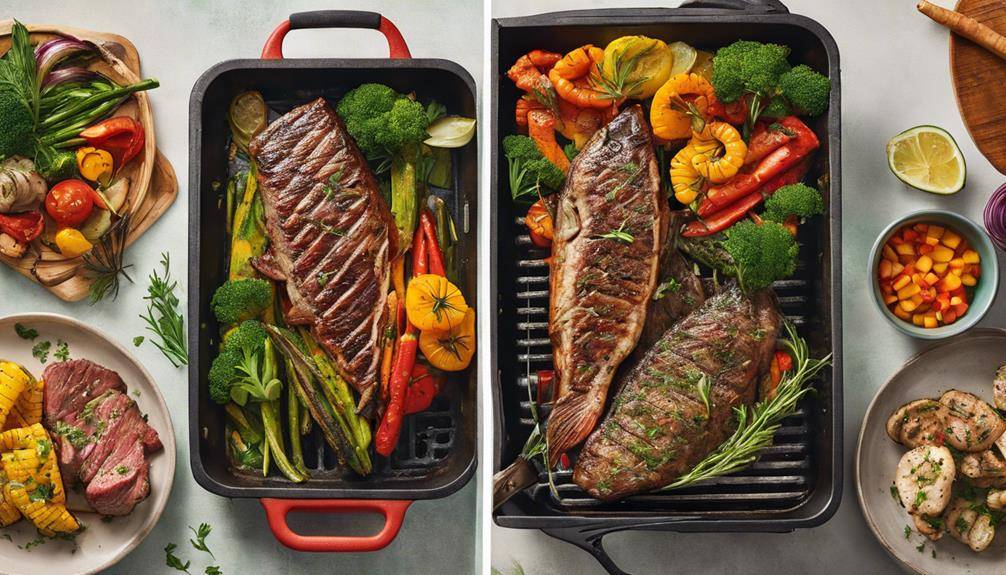
Steaming Vs Grilling: Comparing Cooking Methods: When you're comparing steaming and grilling, both methods offer unique advantages. Steaming preserves nutrients and moisture, making it perfect for veggies and fish. It keeps your meals low-calorie and packed with flavor. On the other hand, grilling enhances natural flavors with a rich, smoky taste and attractive grill marks. It also allows excess fat to drip away, lowering caloric content. Each method has its merits depending on what you're cooking. Choosing the right technique can elevate your dishes considerably. If you're curious about how to maximize each method's potential, there's much more to explore.
Click Here and Turn Every Masterpiece into a Showstopper!
Overview of Cooking Methods
Cooking methods like steaming and grilling each bring unique flavors and textures to your meals. Understanding these cooking techniques can elevate your meal preparation, allowing you to choose the best method based on the dish you're creating.
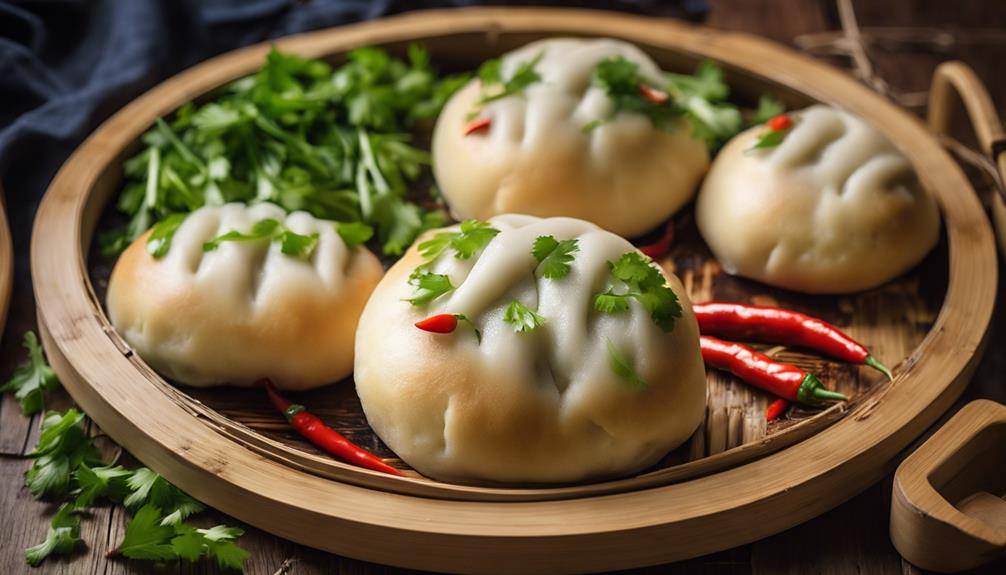
Steaming involves cooking food with steam, which helps retain moisture and nutrients. It's a gentle method, perfect for vegetables, fish, and even dumplings. When you steam, you're not just cooking; you're infusing your ingredients with a light, delicate touch. This technique guarantees your food stays tender while preserving its vibrant colors, making your plate visually appealing.
On the other hand, grilling introduces a smoky flavor that's hard to replicate. This method uses direct heat from below, creating a charred exterior that seals in juices. Grilling is fantastic for meats, veggies, and even fruits, giving them a crisp texture and rich taste. You'll love how grilling enhances natural flavors, adding depth to your meals.
Both methods require different approaches in meal preparation. Steaming typically needs a steamer basket or pot, while grilling demands a grill or grill pan. You might find that the choice between them depends on the ingredients you have and the flavor profiles you desire.
As you explore these cooking techniques, you'll discover how each one transforms your meals in unique ways, making every dining experience special. Whether you opt for the gentle embrace of steam or the bold essence of grilling, knowing how to utilize these methods will elevate your culinary skills.
Nutritional Benefits of Steaming
Steaming is a fantastic way to keep your food's vitamins intact, making sure you get the most nutritional bang for your buck. Plus, since it's a low-calorie cooking method, you can enjoy delicious meals without worrying about extra calories. Let's explore how steaming can enhance your diet!
Vitamin Retention Benefits
When it comes to preserving nutrients in your food, steaming truly stands out. This cooking method retains more vitamins compared to others like grilling. When you steam vegetables, you create a gentle cooking environment that helps maintain their vibrant colors and essential nutrients. Since the food isn't submerged in water, you'll notice considerably less vitamin loss, particularly for water-soluble vitamins like B and C.
With steaming, you're enhancing nutrient absorption in your meals. The short cooking time and lower temperatures prevent the breakdown of sensitive vitamins, allowing your body to benefit more from the food you eat. This means you're not just eating for taste; you're fueling your body with the nutrients it craves.
Additionally, steaming avoids the use of oils and fats, which can sometimes leach vitamins from food during grilling. By choosing steaming, you're prioritizing vitamin preservation, ensuring your meals are as nutritious as possible. So next time you prepare your meals, consider steaming as your go-to method for keeping those essential vitamins intact. You'll be glad you did when you feel the difference in your overall health and energy levels.
Low-Calorie Cooking Method
One of the standout advantages of steaming is its ability to keep meals low in calories while maximizing flavor and nutrition. When you steam your food, you're using a cooking technique that preserves the natural taste and essential nutrients of your ingredients, making it an ideal choice for those looking to maintain a healthy diet.
By choosing low-calorie ingredients, like vegetables, fish, and lean meats, steaming guarantees that you're not adding unnecessary fats or calories to your meals. Unlike grilling, which can often require added oils or marinades that boost calorie counts, steaming keeps it simple and wholesome. You can easily create delicious dishes without sacrifice.
Moreover, steaming allows you to experiment with various herbs and spices, enhancing flavor without the need for high-calorie sauces or dressings. This method not only supports weight management but also encourages a balanced intake of nutrients. When you're aiming for a healthier lifestyle, adopting steaming as your go-to cooking technique can make all the difference. Embrace the benefits of steaming and enjoy satisfying, low-calorie meals that nourish your body and tantalize your taste buds!
Nutritional Benefits of Grilling
Grilling brings out the natural flavors of food while retaining essential nutrients, making it a popular cooking method for health-conscious individuals. When you grill, you often use techniques that require little to no added fats, which helps keep your meals lower in calories and saturated fats. This means you can enjoy delicious, flavorful dishes without compromising your health.
One of the major health advantages of grilling is the way it preserves the vitamins and minerals in fruits, vegetables, and lean proteins. For instance, grilling vegetables can enhance their nutrient absorption, allowing you to reap the benefits of their antioxidants and vitamins. The high heat of the grill can also caramelize natural sugars, adding a sweet and savory flavor without extra calories.
Another significant benefit of grilling is its ability to reduce harmful compounds. Unlike frying, grilling allows excess fat to drip away from your food, resulting in lower overall fat content. This is especially important when cooking meats, as it can lead to healthier options that still satisfy your cravings. Plus, grilling encourages you to incorporate more whole food ingredients like fresh vegetables and lean proteins, which are essential for a balanced diet.
Incorporating various grilling techniques into your cooking routine can elevate your meals while supporting better health. Whether you're grilling chicken, fish, or vegetables, you're not only feeding your taste buds but also nourishing your body with each bite.
Flavor Profiles of Steamed Foods
Steaming offers a unique way to preserve the natural flavors and nutrients of food, much like grilling. When you steam, you retain the inherent qualities of the ingredients, allowing their true flavors to shine through. The gentle heat helps maintain a tender texture, providing a satisfying texture contrast, especially when paired with other cooking methods.
Your ingredient selection is imperative for achieving the best flavor profiles in steamed dishes. Fresh, high-quality vegetables, seafood, or poultry will yield the most delicious results. Experiment with different steaming techniques, like using a bamboo steamer or a stainless-steel pot, to enhance your cooking experience.
Seasoning strategies also play an essential role. While steaming might seem bland at first, you can elevate flavors with herbs, spices, and citrus. For instance, adding ginger or lemon zest to the steaming water can lead to delightful aroma enhancement that infuses the food with subtle flavors.
Food pairing is another important aspect of steaming. Consider combining ingredients that complement each other, such as broccoli with garlic or salmon with dill. These combinations can elevate your meal, creating a harmonious balance of flavors.
Flavor Profiles of Grilled Foods
Releasing the rich, smoky flavors of grilled foods can transform a simple meal into a culinary delight. The combination of smoky char and the art of grilling creates an unparalleled flavor profile that enhances various ingredients. When you grill, the cooking surface plays an essential role in achieving that sought-after sear. Those distinct grill marks not only look appealing but also signal that your food is developing deep, rich flavors.
One of the key factors in flavor development is the impact of marinades. A well-crafted marinade can infuse your meats with delicious spices and aromatics, elevating their taste. Experimenting with different seasoning techniques allows you to customize your grilled dishes, whether you prefer bold, spicy notes or subtle herbaceous hints.
Smoke infusion is another critical component of grilling. Using flavored wood chips, like hickory or mesquite, adds unique wood flavors to your food, making each bite a flavorful experience. The smoke interacts beautifully with the natural sugars in your ingredients, creating that irresistible caramelization.
Moreover, grilling enhances meat tenderness. The high heat helps break down connective tissues, resulting in juicy, succulent bites. This tenderness, combined with the smoky char, guarantees that each piece of meat is not just cooked but also bursting with flavor.
Cooking Time Comparison
When you're comparing steaming and grilling, cooking time can really make a difference in your meal prep. Steaming often cooks food faster due to its efficient heat penetration, while grilling requires a bit more time to achieve that perfect char. Understanding these differences can help you choose the best method for your schedule and desired results.
Cooking Time Efficiency
Cooking time efficiency can greatly impact your meal preparation, especially when deciding between steaming and grilling. If you're short on time, you'll want to take into account how long each method takes and how it fits into your overall time management strategy. Steaming is generally quicker for cooking vegetables and certain proteins, often requiring just a few minutes to achieve tender, flavorful results. This method allows you to multitask, as you can steam while prepping other elements of your meal.
On the other hand, grilling can take longer, especially if you're cooking larger cuts of meat or multiple items at once. Grilling requires preheating the grill, which can add extra time to your cooking process. However, once the grill is hot, it can cook food rapidly, which can enhance your cooking efficiency if you're preparing more substantial meals.
Ultimately, your choice may come down to what you're cooking. For quick, healthy meals, steaming might be your best bet. If you're in the mood for that smoky flavor and have a bit more time, grilling is worth taking into account. Either way, understanding the cooking time efficiency of both methods helps streamline your kitchen work.
Heat Penetration Rate
Heat penetration rate plays an essential role in determining how effectively food cooks, and it varies markedly between steaming and grilling. When you steam food, the heat distribution is even and consistent. The steam surrounds the food, allowing it to cook thoroughly without losing moisture. This method guarantees that even dense items, like root vegetables, cook evenly and efficiently.
In contrast, grilling relies on direct heat from below. While it can provide a delicious char and smoky flavor, the heat penetration is less uniform. The outside of the food cooks quickly, often leading to a burnt exterior while the inside remains undercooked. This can be especially problematic for thicker cuts of meat, where achieving the desired doneness requires careful attention and longer cooking times.
Equipment Needed for Steaming
To steam effectively, you'll need a few essential pieces of equipment that make the process straightforward and efficient. First and foremost, you'll want to choose the right steamer type. There are various options available, including electric steamers, stovetop steamers, and basket steamers. Electric steamers are convenient and often come with multiple tiers, allowing you to cook different foods simultaneously. Stovetop steamers usually consist of a pot with a fitted steaming basket, while basket steamers are simple, portable, and can be placed over any pot with boiling water.
Next, you might consider some steaming accessories to enhance your experience. A good quality pot with a tight-fitting lid is vital, as it helps retain steam and heat. If you opt for a basket steamer, make sure it fits snugly in your pot without touching the water. Additionally, silicone mats can be a game-changer, preventing food from sticking and allowing for easy release.
You'll also find that using a timer is beneficial to guarantee you don't overcook your food. A simple kitchen timer or an app on your phone works just fine. Finally, consider investing in a food thermometer to check for doneness, especially when steaming proteins. With these tools at your disposal, you'll be well-equipped to enjoy the health benefits and flavors that steaming has to offer.
Click Here and Turn Every Masterpiece into a Showstopper!
Equipment Needed for Grilling
When it comes to grilling, having the right equipment is essential to achieving that perfect char and smoky flavor. First, you'll need to choose between various grill types, such as gas, charcoal, or electric. Each type has its unique advantages and requires different fuel options. Gas grills offer convenience, while charcoal grills bring that authentic smoky taste.
Next, focus on cooking surfaces. A good grill should have a sturdy, well-maintained grilling surface, whether it's cast iron, stainless steel, or porcelain-coated. Each material offers distinct benefits, such as heat retention or easy cleaning. Temperature control is critical for grilling; make certain your grill has adjustable burners or vents to help you manage heat effectively.
Don't forget about grilling accessories that can elevate your experience. Tools like tongs, spatulas, and grill brushes are indispensable. A quality meat thermometer guarantees your food is cooked to perfection, while grilling baskets and skewers can help with smaller items.
Safety tips are also important. Always keep a fire extinguisher nearby and use long-handled tools to avoid burns. After grilling, practice proper maintenance practices, like cleaning the grates and checking for gas leaks, to extend your grill's lifespan.
Lastly, consider flavor enhancers like marinades, rubs, or wood chips for smoking. These can add unique tastes to your grilled dishes. With the right equipment, you're well on your way to mastering the art of grilling!
Preparation Techniques for Steaming
Steaming is a straightforward cooking technique that preserves nutrients and enhances flavors in your food. To achieve the best results, you'll want to focus on a few key preparation techniques. First, think about your vegetable selection. Fresh, seasonal vegetables work best, as they tend to be more flavorful and retain their natural sweetness when steamed. Leafy greens, broccoli, carrots, and bell peppers are all excellent choices. Make sure to cut them into uniform pieces to guarantee even cooking.
Next, consider using marinade techniques to boost the flavor of your vegetables before steaming. Marinades can add depth and character, transforming simple ingredients into something special. A quick marinade could include olive oil, garlic, and herbs, or you could opt for a soy sauce-based mix for an Asian flair. Just be careful not to over-marinate, as the moisture can affect the steaming process.
Once you've chosen your vegetables and prepared your marinade, it's time to steam. Place your vegetables in a steamer basket over boiling water, ensuring they're not submerged. Cover the pot and let the steam work its magic. Cooking times vary by vegetable type, but generally, you'll want to steam them until they're tender yet still bright in color. This method not only preserves their nutrients but also allows the flavors to shine through, giving you a delicious and healthy dish.
Preparation Techniques for Grilling
Grilling offers a different approach to cooking that can elevate your meals with smoky, charred flavors. To get started, focus on grill prep. Make sure your grill is clean and preheated to the right temperature. For meats, effective marinade techniques are key. Consider marinating your proteins for at least 30 minutes or up to several hours. This not only infuses flavor but also aids in meat tenderization, making your grilled dishes more enjoyable.
When it comes to seasoning options, keep it simple. A blend of salt, pepper, and your favorite herbs can enhance the natural flavors of your ingredients. Don't forget to season vegetables, too! Vegetable prep is important; cut them into uniform sizes for even cooking. Skewering smaller pieces can prevent them from falling through the grill grates.
Timing strategies play an important role in successful grilling. Different proteins and vegetables have varying cooking times, so it's necessary to understand how long each item needs. For instance, chicken may take longer than shrimp, while thicker cuts of steak require more attention than thinner ones. Using a meat thermometer can help achieve the perfect doneness.
Lastly, consider resting your grilled items for a few minutes before serving. This allows juices to redistribute, making sure every bite is flavorful. By mastering these preparation techniques, you'll set yourself up for grilling success and impress everyone at your next barbecue.
Health Considerations
Health considerations play an essential role in choosing between steaming and grilling. When you're deciding how to prepare your meals, it's vital to think about the nutritional benefits and potential risks associated with each method. Steaming is often regarded as one of the healthiest cooking techniques. It helps retain the vitamins and minerals in your food, minimizing nutrient loss that can occur with other cooking methods. Plus, steaming safety is a significant factor; it generally involves fewer risks, as it requires no added fats or oils, making it a great option for those watching their weight.
On the other hand, grilling can also be a healthy choice, provided you use proper grilling techniques. Lean meats and vegetables cooked on the grill can offer a flavorful and nutritious meal. However, be cautious—grilling at high temperatures can lead to the formation of harmful compounds, which may pose health risks if consumed frequently. To minimize these risks, marinate your foods, choose lean cuts, and avoid overcooking.
Ultimately, the best choice depends on your dietary goals and preferences. If you're looking to maintain maximum nutrients while keeping calories low, steaming might be your best bet. If you enjoy the flavors and textures that grilling brings, just be mindful of your cooking methods and try to incorporate healthier options. Balancing both methods in your cooking repertoire can help you enjoy a variety of flavors while prioritizing your health.
Environmental Impact
When considering the environmental impact of cooking methods, it's important to recognize how each approach affects our planet. Steaming generally has a lower carbon footprint compared to grilling. This is primarily due to its lower energy consumption. When you steam food, you're often using less energy because it requires lower temperatures and shorter cooking times. On the other hand, grilling can demand more energy, especially if you're using charcoal or gas, which contributes to higher carbon emissions.
Resource usage is another key factor. Steaming utilizes water, an essential resource, but it's often more efficient regarding food waste generation. With grilling, you might find yourself discarding charred vegetables or overcooked meats, which adds unnecessary waste to landfills. In contrast, steaming preserves more nutrients and minimizes the amount of food you discard.
Sustainability practices are essential for both methods, but you can make grilling more eco-friendly by opting for sustainable charcoal or gas sources. Consider using a grill that consumes less energy, or even better, switch to electric or solar-powered options.
Lastly, think about the ecosystem impact. Grilling, especially with charcoal, can lead to deforestation and habitat loss if not managed responsibly. Steaming, however, is less likely to contribute to these issues. By choosing your cooking method wisely, you can reduce your environmental footprint and contribute positively to the planet.
Popular Dishes for Each Method
Exploring popular dishes for steaming and grilling reveals a delightful variety that caters to different tastes and preferences. Steamed dumplings, for instance, are a favorite in many cultures. Their tender wrappers and flavorful fillings make them a perfect appetizer or main course. You'll also love steamed fish, which retains its moisture and delicate flavor when cooked this way. Pair it with steamed rice for a complete meal.
On the other hand, grilling offers its own set of enticing options. Grilled meats, such as chicken, steak, or pork, develop a smoky flavor and a satisfying char that's hard to resist. You can elevate your meal by adding grilled vegetables, like bell peppers, zucchini, and asparagus, which bring out natural sweetness when cooked over an open flame.
Don't forget about the sides! Steamed broccoli is a nutritious choice that complements any dish, while grilled corn on the cob adds a sweet crunch to your summer barbecues. If you're looking for something sweet, consider grilled fruit like peaches or pineapples, which caramelize beautifully and make for a fantastic dessert.
Whether you're enjoying the lightness of steamed dishes or the bold flavors of grilled options, both methods can help you create delicious meals that suit your cravings. So, what are you in the mood for today? Each method offers unique flavors and textures that can enhance your dining experience.
Choosing the Right Method
When you're deciding between steaming and grilling, consider the nutritional benefits each method offers. Steaming tends to preserve more vitamins and minerals, while grilling can enhance flavors through caramelization. Understanding these differences can help you make a choice that fits your taste and health goals.
Nutritional Benefits Comparison
Choosing between steaming and grilling can greatly impact the nutritional quality of your meals. If you're looking for a method that retains the maximum vitamins and minerals, steaming benefits are hard to beat. This technique uses gentle heat and moisture, minimizing nutrient loss, especially for vegetables. You'll often find that steamed veggies maintain their vibrant colors and textures, indicating their nutritional value is intact.
On the other hand, grilling advantages come into play when you want to enhance flavors while promoting healthier fat content. Grilling allows excess fats to drip away, resulting in lower-calorie dishes. Plus, the high heat can create a caramelized exterior that adds a unique taste without needing extra oils or sauces.
Both methods have their merits, so the right choice depends on your nutritional goals. If you prioritize nutrient retention, steaming might be your best bet. However, if you're after a flavorful meal with less fat, grilling could be the way to go. Ultimately, incorporating both techniques into your cooking repertoire can help you enjoy a variety of nutritious and delicious meals.
Flavor Profile Differences
The distinct flavor profiles of steaming and grilling can greatly influence your cooking decisions. Steaming typically preserves the natural flavors of ingredients, enhancing their aroma profiles without overpowering them. When you steam, you can use simple herb combinations and seasoning techniques to elevate the dish while letting the ingredients shine. It's perfect for delicate vegetables and fish, where you want to maintain their subtle tastes.
On the other hand, grilling brings a whole new level of flavor enhancement. The high cooking temperatures create charred, smoky notes that can transform your food. You can experiment with spice variations and bold ingredient pairings like marinated meats and grilled vegetables to create rich, complex flavors. The texture contrasts between the crispy exterior and tender interior of grilled foods are simply irresistible.
When deciding between steaming and grilling, think about the flavors you want to achieve. If you prefer a lighter, more aromatic dish, go for steaming. But if you crave that smoky depth and satisfying crunch, grilling is the way to go. Each method offers unique opportunities to explore flavor, so choose wisely based on your culinary goals.
Click Here and Turn Every Masterpiece into a Showstopper!
Frequently Asked Questions: Steaming Vs Grilling: Comparing Cooking Methods
Can I Combine Steaming and Grilling Techniques in One Dish?
Absolutely, you can combine steaming and grilling techniques! This method allows for flavor infusion while controlling cooking times, giving you tender, flavorful dishes. Just steam first to enhance moisture, then finish with a quick grill for that char.
Which Method Is Better for Meal Prepping?
For meal prepping, steaming's nutritional benefits help retain vitamins, while grilling enhances flavor, giving your dishes a delicious char. Combining both methods can maximize health and taste, making your meals exciting and nutritious for the week ahead.
Do Steaming and Grilling Affect Food Texture Differently?
Steaming and grilling definitely affect food texture differently. Steaming preserves moisture retention, resulting in tender, juicy dishes. In contrast, grilling creates a firmer, charred texture, enhancing flavors while reducing moisture. It's all about your preference!
Can I Steam or Grill Frozen Foods?
You can steam or grill frozen vegetables, but cooking time will vary. Steaming often cooks them more evenly, while grilling adds a smoky flavor. Adjust your cooking time based on the method you choose.
What Are the Best Herbs to Use With Each Cooking Method?
For herb pairings, consider basil and thyme for grilling to enhance smoky flavors, while dill and parsley work well with steaming, bringing out fresh, light flavor profiles. Experiment to find your favorite combinations!

Conclusion
In choosing between steaming and grilling, it really depends on your preferences and goals. Steaming keeps nutrients intact and offers a lighter flavor, while grilling brings out rich, smoky tastes that can elevate your meals. Both methods have their unique health benefits and can be environmentally friendly with the right choices. Ultimately, you can't go wrong with either; just pick the one that fits your dish and dining experience best, and enjoy your tasty creations!