How To Steam Corn On The Cob
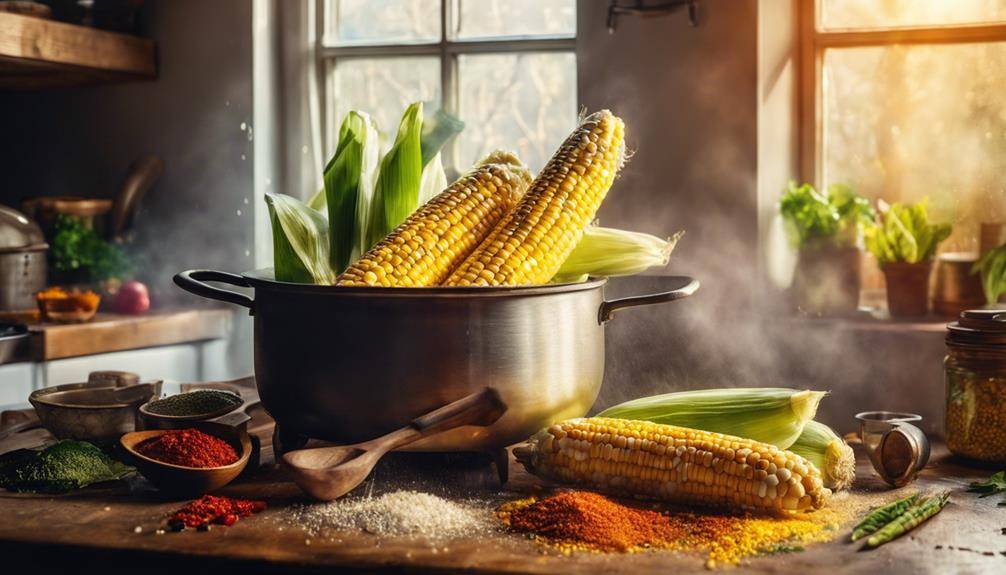
How To Steam Corn On The Cob: To steam corn on the cob, start by choosing fresh ears with green, firm husks. Remove the outer leaves and trim off the silks before rinsing them under cold water. Set up a steamer pot with about an inch of water, ensuring it doesn't touch the corn, then bring it to a boil. Arrange the corn in the steamer basket, cover it tightly, and steam for 7 to 10 minutes until the kernels are vibrant and tender. For added flavor, consider using butter or spices. You'll find more tips and tricks to enhance your corn experience if you explore further.
Click Here and Turn Every Masterpiece into a Showstopper!
Choosing Fresh Corn
When you're picking corn on the cob, look for vibrant green husks that feel firm to the touch. The husk should be tightly wrapped around the cob, indicating freshness. You want to avoid any browning or dryness, as this can signal that the corn is past its prime. Sweet varieties, like Silver Queen or Sugar Buns, are often the most sought after for their delicious flavor.
Check the silk at the top of the cob; it should be slightly sticky and brown, not dry and black. Fresh corn has its peak season, usually in late summer, so keep an eye on seasonal availability in your area. Visiting local farmers' markets can help you find the best, freshest options.
When you squeeze the cob gently, it should feel plump and full, with no indentations. If you see any dark spots or signs of insect damage, steer clear of those ears. If you can, peel back a bit of the husk to check the kernels. They should be bright and evenly spaced, with a milky white or pale yellow appearance, depending on the variety.
Preparing Your Tools
After selecting the freshest corn, it's time to gather your tools for steaming. You'll need a steam basket, which is vital for elevating the corn above the water, allowing steam to circulate effectively. If you don't have a steam basket, a metal colander or a heatproof plate can also work in a pinch.
Next, make certain you've got a pot with a lid that fits snugly. This will help trap the steam, maximizing the cooking efficiency. When it comes to kitchen tools, having a pair of tongs handy will make it easier for you to handle the hot corn once it's done steaming.
Preparation essentials include filling your pot with about an inch of water—just enough to create steam but not so much that it touches the corn. If you're considering different corn varieties, remember that the steaming time may vary slightly depending on their size and freshness, so keep that in mind as you plan.
Familiarize yourself with various steaming techniques, as they can greatly impact the final result. Using the right cooking methods not only enhances flavor but also preserves nutrients, delivering steaming benefits that boiling might not provide. Finally, don't forget about equipment maintenance; always clean your tools after use to guarantee they remain in good condition for your next steaming session. Having everything organized will make the process smoother and more enjoyable.
Husk and Clean
To get your corn ready for steaming, you'll first want to remove the outer leaves and any damaged husks. Next, trim the silks carefully to avoid leaving any behind. Finally, give the corn a good rinse under cold water to guarantee it's clean and ready to cook.
Remove Outer Leaves
Removing the outer leaves, or husk, from corn on the cob is crucial for cooking. The husk protects the kernels, but it needs to go for the best flavor and texture. Start by grabbing the base of the husk and pulling it downwards. Use husking techniques like twisting the husk to make it easier to remove. You'll feel the layers come away, revealing the bright yellow kernels underneath.
As you peel back the husk, you'll notice the corn anatomy, which consists of the silky threads that run along the cob. These silks can be stubborn, so don't rush. Make certain to remove as much of the husk as possible, including any small leaves clinging to the cob. It's important to keep the corn intact, so be gentle when pulling off the husk.
Once you've removed the outer leaves, you'll have a clean cob ready for the next steps in your steaming process. This preparation not only enhances the corn's taste but also guarantees an even cook. So, take your time, use the right husking techniques, and enjoy the fresh corn you'll be steaming soon!
Trim Silks Carefully
With the husk off, it's time to tackle the silks. Silk removal is an important step in preparing your corn on the cob. These long, thread-like strands can cling tightly to the kernels, so you'll want to be thorough but gentle. Start by grasping the silks at the top of the cob and pull them downward. Try to remove as many as you can without damaging the kernels underneath.
Silk benefits go beyond just aesthetics; they can also affect the cooking process. If you leave silks on, they may char during steaming, imparting an undesirable flavor. Plus, having a clean cob allows for better seasoning and a more enjoyable eating experience.
Once you've removed the majority of the silks, inspect the cob for any remaining pieces. You can use your fingers or a small brush to sweep away stubborn strands. A clean cob not only looks better but also guarantees that you can fully appreciate the sweetness and texture of the corn once it's steamed. Taking the time to trim silks carefully will set you up for success in the next steps of cooking your delicious corn on the cob.
Rinse Under Cold Water
After you've carefully trimmed the silks, it's essential to give your corn on the cob a thorough rinse under cold water. Corn washing not only helps remove any remaining silks but also eliminates dirt and pesticides that might linger on the kernels. Rinsing benefits your health by guaranteeing you're enjoying clean, safe corn.
To start, place your corn under a gentle stream of cold water. Rotate it to make sure every kernel is rinsed well. If you see stubborn dirt or silk, you can use a soft brush or your fingers to scrub gently. Taking these steps guarantees that your corn is as clean as possible before you steam it.
Setting Up the Steamer
To get started with steaming corn on the cob, you'll need to set up your steamer properly. First, consider the steamer type you're using. Whether you have a stovetop steamer, an electric steamer, or a microwave-safe steaming dish, each has its own setup process. If you're using a stovetop steamer, make certain it fits securely over your pot. For electric steamers, plug it in and verify it's clean and ready for use.
Next, gather your steaming accessories. A steaming basket is essential for holding the corn above the water, allowing steam to circulate evenly. If you're using a microwave, look for a microwave-safe bowl with a lid that can trap steam effectively.
Now, think about your steaming technique. For stovetop steamers, fill the pot with water, making sure it doesn't touch the bottom of the basket. If you're using an electric steamer, follow the manufacturer's instructions for water levels. When using a microwave, you may need to add a small amount of water to the bowl, just enough to create steam without submerging the corn.
Once you've got everything in place, you're ready to start steaming. Make certain the corn is positioned correctly in the steamer, allowing steam to reach all parts evenly. With the setup complete, you'll be well-prepared to steam your corn to perfection!
Adding Water
Adding water is an important step in the steaming process, as it generates the steam needed to cook the corn. Without the right amount of steam water, your corn won't cook evenly or effectively. To start, fill the bottom of your steamer pot with water. The water quantity you use is vital; too little won't create enough steam, while too much can lead to boiling instead of steaming, which isn't ideal for corn.
Aim for about one to two inches of water in the pot, depending on the size of your steamer. You want to make certain that the water doesn't touch the corn while it's steaming. If you're using a tiered steamer, place the corn in the upper tier and make sure the water level is just below the lowest tier. This way, your corn will absorb the steam without becoming soggy.
Once you've added the water, bring it to a boil before placing the corn in the steamer. This helps to generate steam quickly, guaranteeing that your corn cooks efficiently. It's also a good idea to keep an eye on the water level during cooking; if it starts to evaporate too much, you may need to add more steam water to maintain an effective steaming environment.
Click Here and Turn Every Masterpiece into a Showstopper!
Steaming Time
Typically, steaming corn on the cob takes about 7 to 10 minutes, depending on the size and freshness of the ears. If you're using larger ears, you might lean toward the longer end of that steaming duration. Freshness plays a significant role too; the more recently harvested the corn, the quicker it steams. To achieve the best results, confirm you're working with ears that have been stored properly, as this affects both taste and cooking time.
When you start steaming, maintain an ideal temperature, usually around 212°F (100°C). This guarantees the steam cooks the corn evenly without making it mushy. If you're using a steaming basket, you'll want to verify the water is boiling before you place the corn in the steamer. This way, you'll kick off the cooking process right from the get-go, giving you tender, juicy corn.
Checking for Doneness
When you're steaming corn on the cob, knowing when it's done is essential. Look for visual indicators like vibrant kernels and a plump appearance, but don't skip the taste test to guarantee it's just right. Timing also plays an important role in achieving that perfect bite, so keep an eye on the clock!
Visual Indicators of Ripeness
Knowing how to identify visual indicators of ripeness is essential for ensuring your corn on the cob is perfectly steamed. Start by checking the husk appearance; it should be vibrant green and tightly wrapped around the ear. Look for leaf integrity, as damaged or dried leaves can signal age. Next, examine the ear shape; it should be plump and rounded, indicating fullness.
Pay close attention to the silk color as well. Fresh silk should be golden or brown, signaling maturity. Once you peel back the husk, inspect the kernel texture. Ripe kernels will feel plump and firm, while overripe ones might be shriveled. The kernel size is also important; they should be uniform and well-filled, not too small or uneven.
Taste Test Method
After selecting the perfect corn on the cob, it's time to determine if it's steamed to perfection. The best way to check for doneness is through a taste test. Start by sampling a kernel; it should be tender yet slightly firm, showcasing the delightful texture differences among corn varieties. Depending on your taste preferences, you might want to adjust your cooking methods for future batches.
Pay attention to the sweetness and overall flavor profiles of the corn. Freshness indicators, like a bright yellow color and moist kernels, enhance the taste experience. You might want to experiment with different seasoning techniques, such as adding butter, salt, or even spices inspired by cultural recipes.
Serving styles can also elevate your corn on the cob. For instance, try serving it with lime and chili for a zesty twist or pair it with grilled meats for a hearty meal. Remember, the right pairing suggestions can bring out the corn's natural sweetness, making your dish even more enjoyable. Conducting this taste test method guarantees you serve corn that's not only perfectly cooked but also a delightful addition to your meal.
Timing for Perfect Corn
To achieve perfectly steamed corn on the cob, timing is essential. Different corn varieties can require varying cooking times, so knowing when your corn is done is key. Generally, you should steam your corn for about 4 to 6 minutes, but keep an eye on it as you approach the end of that range.
To check for doneness, pierce a kernel with a fork; it should be tender and juicy. If you're unsure, taste a kernel to see if it meets your seasoning preferences. Remember, regional differences in corn may influence the cooking time slightly, so adjust accordingly.
Once you've hit that sweet spot, remove the corn and let it cool for a moment. Steamed corn is packed with nutritional benefits, making it a perfect addition to your meal. You can enjoy it as is, or enhance it with serving suggestions like butter, herbs, or cheese—whatever suits your family favorites.
Experiment with different cooking methods, but always prioritize timing to guarantee your corn is deliciously tender and bursting with flavor!
Flavoring Options
When you're ready to kick up the flavor of your steamed corn on the cob, there are plenty of delicious options to choose from. Start by slathering your corn with herb butter, made by mixing softened butter with your favorite fresh herbs like parsley or chives. This simple addition will elevate the natural sweetness of the corn.
If you enjoy a bit of heat, try a spicy seasoning blend. A sprinkle of chili powder or smoky paprika can add depth and an exciting kick. For those who love citrus, a touch of lemon zest brightens the flavor and brings a rejuvenating zing.
Cheese lovers won't be disappointed either. A sprinkle of grated Parmesan or crumbled feta adds a savory richness that pairs beautifully with the corn's sweetness. Just remember to apply it while the corn is still warm so the cheese melts slightly.
For a more robust flavor, garlic salt works wonders. Its savory notes complement the corn perfectly. If you're feeling adventurous, consider a drizzle of honey to contrast the savory elements—this sweet touch creates a delightful balance.
You can also mix and match these options. A combination of herb butter and smoky paprika, for instance, can create a mouthwatering taste experience. Whether you prefer sweet, spicy, or savory, these flavoring options will take your steamed corn on the cob to the next level, making it a standout dish. Enjoy experimenting and finding your favorite flavor profile!
Serving Tips
Serving corn on the cob can turn a simple meal into a festive occasion. To make the most of your deliciously steamed corn, consider a few serving suggestions that elevate your dish. Start by choosing the right serving temperature; warm corn will enhance its sweetness and flavor.
When it comes to butter options, you can't go wrong with classic melted butter, but why not get creative? Try garlic herb butter or even spicy chipotle butter to add a kick. For seasoning ideas, sprinkle some sea salt, or venture into smoked paprika or chili powder for a unique twist.
Plating tips are essential for an appealing presentation. Arrange the corn horizontally on a colorful platter and consider adding some fresh herbs or edible flowers for a pop of color. Side pairings like grilled meats, fresh salads, or baked potatoes complement the corn beautifully, making your meal more balanced.
Don't forget about garnishing ideas! You can sprinkle crumbled cheese, such as feta or cotija, over the corn for added flavor. Dipping sauces also bring excitement to your dish; try a zesty lime crema or a tangy ranch dip that guests can enjoy.
Ultimately, serving corn on the cob is about creativity and personalization. With these tips, you'll create a memorable dining experience that everyone will love!
Storing Leftovers
Leftover corn on the cob can be a delightful treat for another meal, but proper storage is key to maintaining its flavor and texture. To start, you should cool the corn quickly after cooking. Wrap it tightly in plastic wrap or place it in an airtight container for effective leftover storage. This helps prevent moisture loss and guarantees flavor preservation. You can keep it in the refrigerator for up to three days, but if you want to store it longer, consider freezing corn.
When it comes to freezing corn, you'll want to cut the kernels off the cob first. Place the kernels in freezer bags, removing as much air as possible to maintain nutrient retention. Proper portion control is important here. You can divide the corn into meal prep portions that suit your cooking needs later.
For reheating methods, you have several options. You can microwave the corn wrapped in a damp paper towel for a quick fix or sauté it in a pan with a bit of butter to enhance its flavor. Alternatively, you can bake it in the oven or steam it on the stovetop, both of which are effective ways to warm up your leftovers without losing taste.
Get creative with your leftover corn! Use it in corn recipes like salads, soups, or casseroles, turning your tasty remnant into a new meal. Enjoy the versatility of corn on the cob long after it's been steamed!
Click Here and Turn Every Masterpiece into a Showstopper!
Frequently Asked Questions: How To Steam Corn On The Cob
Can I Steam Frozen Corn on the Cob?
Yes, you can steam frozen corn on the cob! Just use your favorite steaming techniques, ensuring the corn heats evenly. It'll turn out tender and delicious, perfect for any meal or side dish you're planning.
How Long Can I Store Leftover Steamed Corn?
You can store leftover steamed corn in the fridge for about three to five days. For better corn preservation, seal it in an airtight container to maintain freshness and flavor during leftover storage.
Is It Necessary to Soak the Corn Before Steaming?
Soaking isn't necessary before steaming corn, but it offers benefits like enhanced flavor and moisture retention. If you choose to soak, techniques like using cold water for a couple of hours can improve your steaming results.
Can I Steam Corn Without a Steamer?
Yes, you can steam corn without a steamer! Use alternative steaming techniques like a pot with a lid and a small amount of water. Different corn varieties may require slight adjustments in cooking time for best results.
What's the Best Way to Reheat Steamed Corn?
To reheat steamed corn, you can use the microwave method by placing it in a covered dish with water for a minute or the stovetop technique, heating it gently in a pan with a splash of water.

Conclusion
Steaming corn on the cob is a simple and delicious way to enjoy this summer favorite. By choosing fresh corn, preparing your tools, and following the steps to steam it perfectly, you'll have a tasty side dish in no time. Don't forget to experiment with flavoring options to make it your own! Serve it hot and enjoy every bite. If you have leftovers, store them properly for another tasty treat later. Happy cooking!