Steam Cooking Times For Different Foods
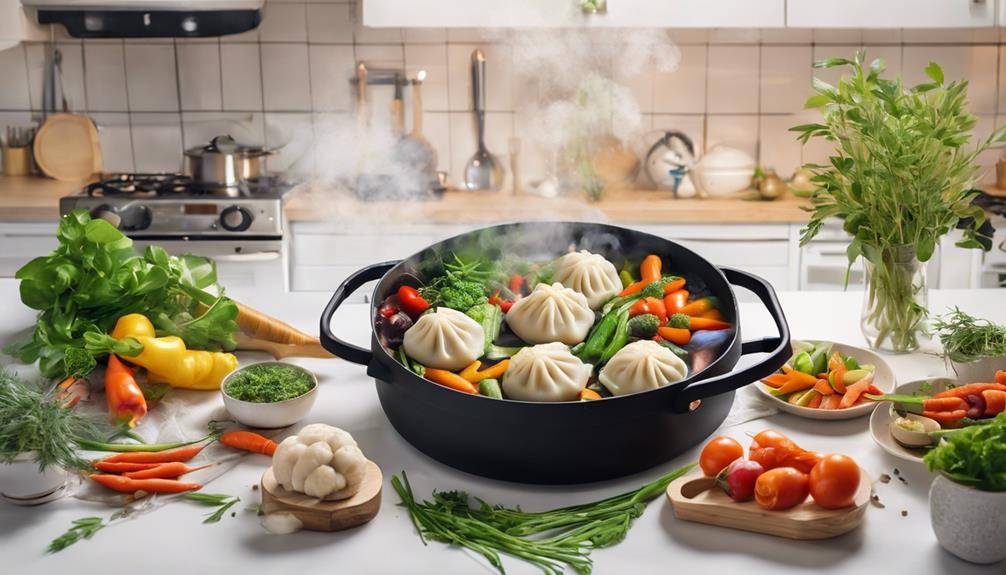
Steam Cooking Times For Different Foods: When steaming foods, timing is essential for perfect results. For vegetables, delicate ones like spinach and broccoli need just 3-5 minutes, while heartier vegetables like carrots and potatoes take about 10-15 minutes. For fish, aim for 6-10 minutes for fillets and 3-5 minutes for shrimp. Grains like quinoa require around 15 minutes, and brown rice takes about 40 minutes. Poultry cooks in 15-20 minutes for boneless chicken breasts, while fruits like apples and pears soften in 5-8 minutes. With the right techniques, you can enhance flavors and nutrients effortlessly, and there's so much more to discover!
Click Here and Turn Every Masterpiece into a Showstopper!
Benefits of Steam Cooking
When you turn to steam cooking, you're not just making a meal; you're revealing a healthier way to prepare your food. This method retains essential nutrients that traditional cooking methods often strip away. You'll find that many vitamins, minerals, and antioxidants stay intact, meaning your meals are not only delicious but also packed with health benefits.
Steam cooking is particularly beneficial because it uses water vapor to cook food, which means you don't need to add oils or fats. This can greatly lower the calorie content of your meals, making it easier to maintain a healthy weight. Plus, since you're avoiding added fats, you're also reducing the risk of heart disease and other related health issues.
Another advantage is that steam cooking can enhance the flavors of your food. By cooking at a lower temperature and with moisture, you preserve the natural taste of the ingredients. Whether you're preparing fish, chicken, or grains, you'll likely notice a fresher, more vibrant flavor profile.
Moreover, steam cooking is incredibly versatile and easy. You can whip up a nutritious meal in no time, which is perfect for busy lifestyles. With minimal cleanup required, you can spend more time enjoying your meal and less time worrying about dishes.
Steaming Vegetables
When steaming vegetables, knowing the ideal cooking durations is key to achieving the perfect texture. You'll also want to take into account how steaming helps retain essential nutrients, making your meals healthier. Let's explore the best times for steaming various veggies to maximize their flavor and benefits.
Optimal Cooking Durations
Steaming vegetables is a quick and effective way to preserve their nutrients and flavor, but knowing the ideal cooking durations is key to achieving the best results. Each vegetable requires a different amount of time to cook properly, and timing can greatly impact both texture and taste.
For example, delicate vegetables like spinach or broccoli florets need just 3-5 minutes, while heartier vegetables like carrots or potatoes may require 10-15 minutes. This precision is essential for flavor enhancement; overcooking can lead to mushy textures and loss of vibrant colors.
Using effective cooking techniques will help you master steaming. Start by cutting your vegetables into uniform pieces to guarantee even cooking. If you're cooking a mix, add the denser vegetables first and layer the softer ones on top.
Always test for doneness by piercing with a fork. You want them tender but still crisp. By paying attention to these ideal cooking durations, you can guarantee your steamed vegetables come out perfectly every time—vibrant, flavorful, and packed with the right texture, all while retaining the benefits of your chosen cooking method.
Nutrient Retention Benefits
Cooking vegetables with steam not only enhances their flavor and texture but also plays a significant role in preserving their nutritional value. When you steam veggies, you create a cooking environment that maximizes nutrient preservation. Unlike boiling, where nutrients leach into the water, steaming keeps them locked in, ensuring you get the most out of your greens.
Moreover, steaming promotes cooking efficiency. Since the steam cooks the vegetables quickly, you're less likely to overcook them, which can lead to nutrient loss. This method allows you to enjoy that vibrant color and crispness, making your meals not just healthier but also more appealing.
For instance, steaming broccoli for just a few minutes helps retain vitamins C and K, which are essential for your health. Similarly, carrots, when steamed, keep their beta-carotene intact, aiding in better absorption.
Steaming Fish and Seafood
Release the delicate flavors of fish and seafood by mastering the art of steaming. This cooking method preserves moisture and nutrients, making it ideal for a range of seafood varieties. Whether you're working with flaky white fish, succulent salmon, or tender shrimp, steaming techniques can elevate your dishes without overpowering their natural tastes.
To get started, choose your seafood. Freshness is key, so select fish with firm flesh and a mild scent. You can steam whole fish, fillets, or shellfish like mussels and clams. Once you've made your selection, prepare your steaming setup. A bamboo steamer or a metal steaming basket works well. You can add aromatics like ginger, garlic, or herbs to enhance the flavor.
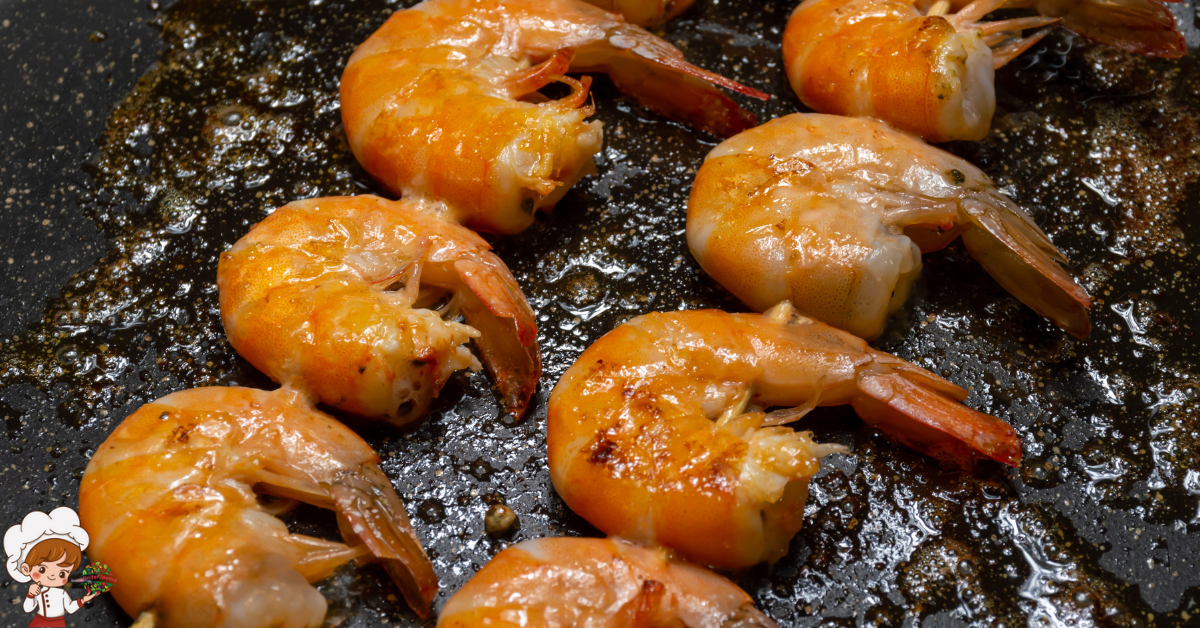
Fill your pot with water, ensuring it doesn't touch the seafood. Bring the water to a boil, then reduce to a simmer. Place your seafood inside the steamer, cover it, and let it cook. Cooking times vary: for fish fillets, aim for about 6-10 minutes, while shrimp typically needs just 3-5 minutes. Always check for doneness; the flesh should be opaque and flake easily with a fork.
Steaming not only provides a healthy alternative to frying but also allows you to infuse flavors into the seafood. Experiment with different combinations of spices and vegetables to find your perfect steamed dish. Enjoy the delicious results of your efforts and savor the natural essence of your seafood!
Steaming Grains and Legumes
Many home cooks overlook the benefits of steaming grains and legumes, but this method can produce perfectly tender results while preserving nutrients. Steaming techniques are simple and effective, allowing you to enjoy the full flavor and texture of various grain varieties without the need for added fats or oils.
To get started, choose your favorite grains like quinoa, brown rice, or farro. Each grain variety has its own cooking time, so it is crucial to follow the specific guidelines for steaming. For instance, quinoa typically takes around 15 minutes, while brown rice may need about 40 minutes. Make sure to rinse your grains thoroughly to remove any bitter residue, especially with quinoa.
For legumes, such as lentils, chickpeas, or black beans, steaming is equally beneficial. Soak dried legumes overnight to reduce cooking time and enhance digestibility. If you're using canned legumes, a quick steam will warm them up nicely without losing their texture. Lentils, for example, can steam in just 15-20 minutes, while chickpeas may take around 25-30 minutes.
Use a steamer basket or a pot with a lid to create a moist environment. Add water to the bottom, ensuring it doesn't touch the grains or legumes. As they cook, monitor the water level to prevent burning. By incorporating steaming into your cooking routine, you'll discover a healthier and more flavorful way to enjoy your favorite grains and legumes.
Click Here and Turn Every Masterpiece into a Showstopper!
Steaming Poultry and Meat
Steaming isn't just for grains and legumes; it's also an excellent method for preparing poultry and meat. This cooking technique retains moisture and flavor, making your dishes tender and juicy. When you steam poultry, like chicken or turkey, you can use various steaming techniques, such as using a steamer basket, a pressure cooker, or even a stovetop pot with a lid. Each method works well, but it's vital to guarantee the meat reaches the appropriate internal temperature to assure poultry safety.
For boneless, skinless chicken breasts, steaming for about 15-20 minutes is usually sufficient. If you're working with thighs or bone-in cuts, you may need to extend the time to around 25-30 minutes. Turkey breasts take a bit longer, typically around 30-40 minutes, depending on size. Always check that the thickest part reaches at least 165°F (75°C) to confirm it's safe to eat.
When it comes to meat, like beef or pork, steaming can also yield delicious results. For tender cuts, aim for about 20-30 minutes, while tougher cuts might require up to 45 minutes. Remember to slice your meat against the grain after steaming for the best texture.
Using a meat thermometer is your best friend for poultry safety and achieving perfectly cooked meat. By mastering these steaming techniques, you can enjoy flavorful, healthy dishes that meet your culinary needs while keeping food safety top of mind.
Steaming Fruits
When it comes to steaming fruits, you'll want to know which ones work best and how long to steam them for superior flavor and texture. Some fruits, like apples and pears, hold up well, while others, like berries, require a lighter touch. Let's explore the ideal steaming durations for your favorite fruits!
Best Fruits for Steaming
Certain fruits shine when it comes to steaming, offering enhanced flavor and texture that can elevate your dishes. Some of the best fruit varieties for steaming include apples, pears, peaches, and berries. These fruits not only maintain their natural sweetness but also become incredibly tender when steamed, making them perfect for desserts or as toppings.
When using steaming techniques, opt for fruits that can hold their shape while cooking. For instance, firm apples or pears are ideal, as they soften beautifully without turning mushy. You can also experiment with combining different fruit varieties to create a medley of flavors. Steaming fruits like pineapple or mango can introduce a tropical twist to your meals, enhancing both taste and presentation.
Remember to cut your fruits into uniform pieces for even cooking. Additionally, try adding a splash of citrus juice or a sprinkle of cinnamon to elevate the flavor. Whether you're making a fruit compote, topping for yogurt, or simply enjoying them on their own, steamed fruits can be a delightful addition to your culinary repertoire. So, grab your steamer and start exploring the delicious possibilities!
Recommended Steaming Durations
To achieve the best results with steamed fruits, it is essential to pay attention to the recommended steaming durations for each type. Different fruits require varying lengths of time in your steam equipment to reach that perfect tender texture without losing their vibrant flavors.
For instance, apples and pears typically need around 5 to 8 minutes. They become soft yet retain enough structure for a delightful bite. On the other hand, berries like strawberries and raspberries need just about 2 to 4 minutes. Their delicate nature means they can break down quickly, so keep an eye on them.
If you're steaming stone fruits like peaches or plums, aim for about 6 to 10 minutes. This duration helps them soften while preserving their juiciness. For tropical fruits such as pineapple and mango, 5 to 7 minutes is usually sufficient.
Utilizing proper steaming techniques and adjusting your timing based on the fruit type will maximize flavor and texture. Remember, it's all about experimentation! Don't hesitate to tweak durations to find your ideal results. Happy steaming!
Tips for Perfect Steaming
Achieving perfect steaming requires attention to detail and a few helpful techniques. First, make certain you've got the right steam equipment. A good steamer, whether it's electric or stovetop, should maintain a steady steam flow. If you're using a pot, make certain it has a tight-fitting lid to trap the steam effectively.
Next, consider the size and shape of the food you're steaming. Cut your vegetables or proteins into uniform pieces to guarantee even cooking. This way, you won't end up with some parts overcooked while others are underdone.
Timing is essential in steaming techniques. Always refer to recommended steaming times for different foods, but keep an eye on them as they can vary based on thickness and freshness. A quick taste test can help you determine the perfect doneness.
Also, remember to arrange food in a single layer in the steamer basket. Overcrowding can lead to uneven cooking, as steam can't circulate properly around each piece. For added flavor, you can infuse the water with herbs, spices, or citrus peels, enhancing the taste of your dish.
Lastly, don't forget to let your food rest for a minute after steaming. This allows the moisture to redistribute, guaranteeing each bite is juicy and delicious. By following these tips, you'll elevate your steaming game and enjoy perfectly cooked meals every time.
Click Here and Turn Every Masterpiece into a Showstopper!
Frequently Asked Questions: Steam Cooking Times For Different Foods
Can I Steam Frozen Foods Directly Without Thawing?
Yes, you can steam frozen vegetables directly without thawing. Steaming benefits include retaining nutrients and flavor, making it a convenient method. Just adjust your cooking time to guarantee they cook evenly and thoroughly. Enjoy your meal!
How Does Altitude Affect Steam Cooking Times?
Altitude affects steam cooking times because higher elevations reduce steam pressure. You'll need to make cooking adjustments, increasing the time to guarantee your food cooks thoroughly. Keep this in mind for your steam cooking adventures!
What Equipment Do I Need for Steam Cooking?
To steam cook effectively, you'll need a steam basket or an electric steamer. Both options allow you to prepare healthy meals while retaining nutrients and flavors, making your cooking experience enjoyable and efficient.
Can I Steam Multiple Types of Food Simultaneously?
Yes, you can steam multiple types of food simultaneously. Just guarantee they have similar cooking times. For better results, use steam food combinations wisely and follow steam cooking tips to achieve perfectly cooked meals.
How Do I Clean My Steamer After Use?
After using your steamer, unplug it and let it cool. For proper steamer maintenance, wipe down surfaces with a damp cloth. Use cleaning tips like vinegar for stubborn residue, ensuring it's ready for your next meal.

Conclusion
Incorporating steam cooking into your kitchen routine is a great way to enjoy healthier meals. By using the right times for various foods, you'll preserve their nutrients and flavors. Whether you're steaming vegetables, fish, or even grains, the results are consistently delicious and satisfying. Remember to experiment and adjust cooking times to perfect your technique. So, grab your steamer and start creating tasty dishes that not only taste great but also support your wellness goals!